
At Liv Hospital, we know how serious brain tumor hemorrhage is. When tumors bleed, it can happen fast and be very bad. We aim to give top-notch care and follow international standards for these serious cases.
Tumor hemorrhage can happen on its own, especially in tumors that grow fast or have lots of blood vessels. It’s important to know the reasons, signs, and what to expect from brain cancer bleeding. This knowledge helps us treat patients better.
Key Takeaways
- Understanding the risks and consequences of tumor hemorrhage is vital.
- Brain cancer bleeding can occur suddenly and without warning.
- Highly vascular or rapidly growing tumors are more prone to bleeding.
- Effective treatment requires a comprehensive understanding of the condition.
- Liv Hospital is committed to providing world-class care for international patients.
Understanding Brain Cancer and Tumor Formation
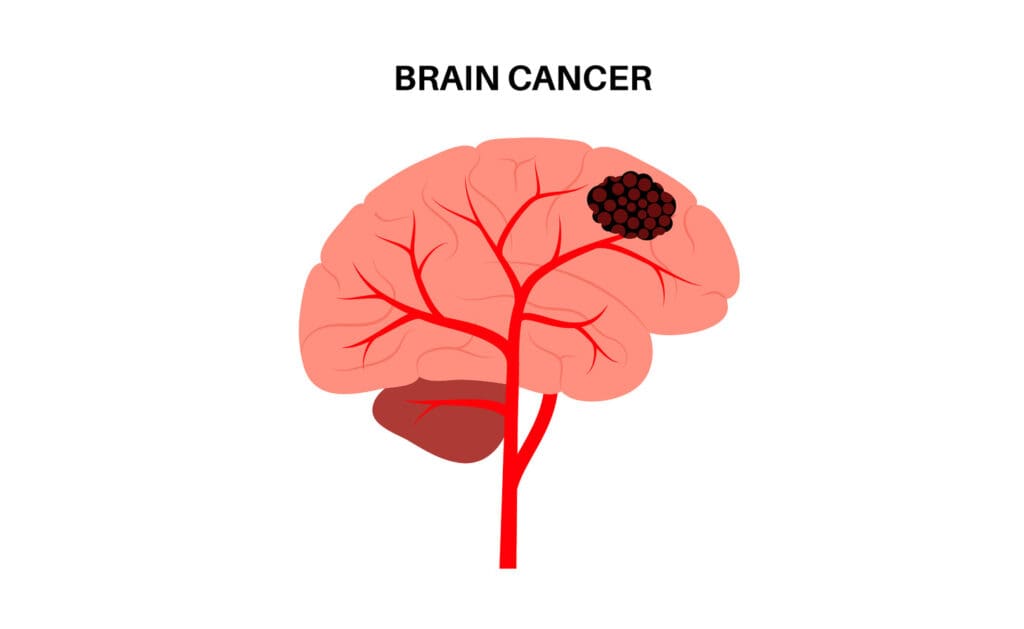
It’s important to know how brain tumors form and grow to understand brain cancer. These tumors can start in the brain or spread to it from other places.
Types of Primary Brain Tumors
Primary brain tumors come from the brain itself. The most common ones are:
- Gliomas: These tumors start from the brain’s glial cells and can be mild or severe.
- Meningiomas: These are usually not cancerous and grow in the brain’s protective membranes.
- Medulloblastomas: These are aggressive tumors that mainly affect kids and start in the cerebellum.
Metastatic Brain Tumors and Their Origins
Metastatic brain tumors come from cancer cells spreading to the brain. They often come from:
- Lung Cancer: Lung cancer is a top reason for brain metastasis in both men and women.
- Breast Cancer: Breast cancer, especially the HER2-positive type, can spread to the brain.
- Melanoma: Melanoma, a skin cancer, often goes to the brain.
Metastatic tumors, especially from melanoma and lung cancer, often bleed inside.
How Brain Tumors Develop Blood Supply
Brain tumors get their blood supply through angiogenesis. This is when new blood vessels form to feed the tumor, helping it grow.
Having a blood supply is key for the tumor to grow. Tumors with lots of blood vessels are more likely to bleed.
Knowing how tumors get their blood supply is crucial for managing bleeding. By understanding which tumors are more likely to bleed, doctors can better care for these serious conditions.
What Causes Brain Cancer Bleeding?
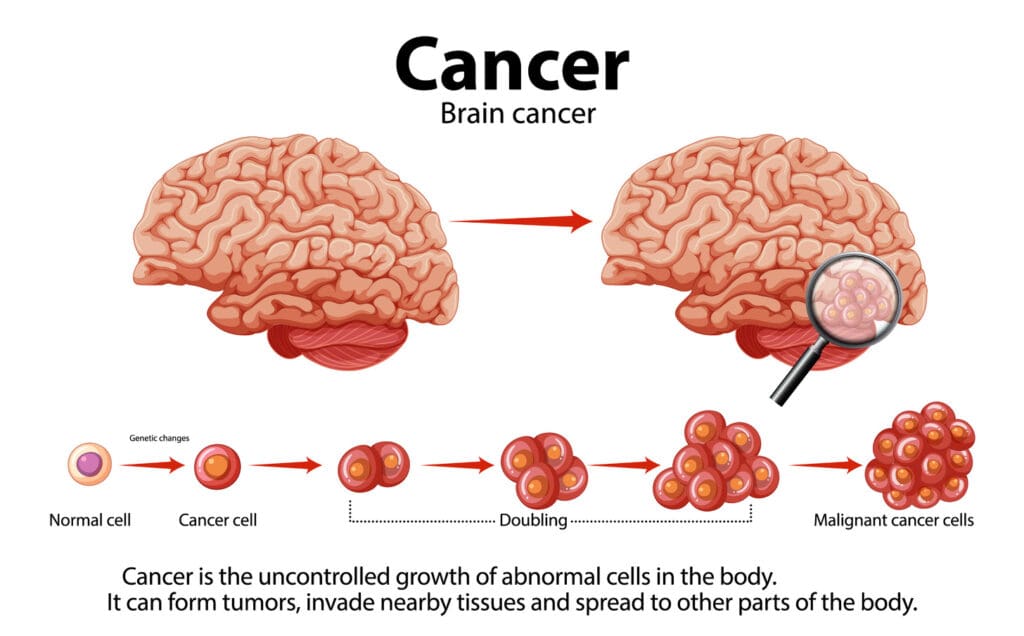
Bleeding in brain tumors is a complex issue. It’s linked to many factors. Brain cancer bleeding, or tumor hemorrhage, can greatly affect patient outcomes. It often happens in tumors that are very vascular or grow quickly.
Vascular Structure of Tumors
The blood vessels in brain tumors are key to bleeding. Tumors with lots of blood vessels are more likely to bleed. These vessels have fragile walls and are irregular, making them more likely to burst.
Mechanisms of Hemorrhage in Brain Tumors
Several factors can lead to bleeding in brain tumors. These include:
- Rapid tumor growth that outpaces its blood supply, causing instability.
- Tumor cells invading blood vessel walls, weakening them.
- Release of vascular endothelial growth factor (VEGF) and other factors that create fragile new blood vessels.
- Coagulopathy or bleeding disorders linked to the tumor or its treatment.
Risk Factors for Intratumoral Bleeding
Some factors increase the risk of bleeding inside tumors. These include:
- Tumor type: Some tumors, like glioblastoma and metastatic melanoma, are more likely to bleed.
- Tumor size and location: Larger tumors or those near major blood vessels are at higher risk.
- Previous treatments: Radiation or chemotherapy can harm tumor blood vessels, raising bleeding risk.
- Patient factors: High blood pressure, coagulopathy, or anticoagulant therapy can also increase bleeding risk.
Knowing these risk factors and mechanisms is vital. It helps in managing patients with brain tumors. It can also help prevent or lessen the impact of tumor hemorrhage.
Common Types of Hemorrhagic Brain Tumors
Brain tumors that bleed are very dangerous. Knowing about them is key to managing them well. We’ll look at glioblastoma, metastatic tumors, and meningioma, the most common bleeding types.
Glioblastoma and Bleeding Risk
Glioblastoma is a fast-growing and aggressive brain cancer. It’s one of the top primary brain tumors that can bleed. Its fragile blood vessels make it prone to rupture.
A top neurosurgeon, says,
“Glioblastoma’s tendency to bleed is a major concern, and managing this risk is critical to improving patient outcomes.”
Metastatic Tumors Most Prone to Hemorrhage
Metastatic brain tumors come from cancers like lung, breast, or skin (melanoma). They bleed more than primary brain tumors. Melanoma and lung cancer tumors are most likely to bleed because of their blood supply and aggressive growth.
Early detection and treatment are crucial in managing these tumors and reducing the risk of hemorrhage.
Meningioma: The Most Common Intracerebral Neoplasm
Meningioma is a benign tumor from the meninges, the brain and spinal cord’s protective membranes. Most meningiomas grow slowly and are not cancerous. But, some can cause symptoms because of their size and location.
Although less likely to bleed than glioblastoma or metastatic tumors, some meningiomas can still bleed. Monitoring and timely intervention are essential in managing meningioma and preventing potential complications.
Signs and Symptoms of Brain Cancer Bleeding
Brain cancer bleeding shows itself in many ways, all warning of a serious issue. A hemorrhage in a brain tumor can quickly make symptoms worse. We’ll cover the main signs and symptoms of brain cancer bleeding. This helps both patients and doctors spot the warning signs early.
Acute Neurological Deterioration
One key sign of brain cancer bleeding is a sudden drop in brain function. This can cause weakness, numbness, or paralysis in limbs. It’s important to notice these symptoms quickly. Quick action can greatly improve a patient’s chances of recovery.
Headache Characteristics
A headache is a common sign of brain cancer bleeding. It’s usually very severe and comes on suddenly. The headache can last a long time and may be accompanied by nausea and vomiting.
A neurosurgeon’s advice on headaches can help tell if a headache is just a headache or something more serious like brain tumor bleeding.
Seizures and Motor Deficits
Seizures are another important symptom of brain cancer bleeding. These seizures can be mild or severe and may cause weakness or paralysis in muscles. It’s crucial to understand the link between seizures and brain tumor bleeding for the right care.
Cognitive Changes and Altered Consciousness
Cognitive changes and altered consciousness are also warning signs. Patients might feel confused, disoriented, or less aware. These symptoms need immediate medical check-up to find the cause and start treatment.
In summary, knowing the signs and symptoms of brain cancer bleeding is key for early action. By spotting these signs, patients and doctors can act fast. This can greatly improve the outcome for those with brain cancer.
Diagnostic Approaches for Hemorrhagic Brain Tumors
Hemorrhagic brain tumors are hard to diagnose. We use advanced neuroimaging, lab tests, and biomarkers. Accurate diagnosis helps choose the right treatment and improves patient care.
Neuroimaging Techniques
Neuroimaging is key in diagnosing these tumors. MRI and CT scans help see the tumor and any bleeding.
MRI is great for spotting soft tissue issues and showing the tumor’s location. CT scans are fast and useful in emergencies to spot bleeding quickly.
| Imaging Modality | Advantages | Limitations |
|---|---|---|
| MRI | High sensitivity for soft tissue, detailed tumor imaging | Longer examination time, less available in emergencies |
| CT Scan | Rapid, widely available, sensitive for acute hemorrhage | Less detailed for soft tissues, radiation exposure |
Laboratory Tests and Biomarkers
Laboratory tests and biomarkers give extra info for diagnosing and managing these tumors. They help paint a full picture of the diagnosis.
Blood tests can spot markers of tumor activity or inflammation. For example, proteins or genetic material in the blood might show a tumor’s presence.
Differential Diagnosis Considerations
When a patient might have a hemorrhagic brain tumor, we must think of other possibilities too. Conditions like vascular malformations or benign tumors need to be ruled out.
We need a detailed patient history, physical exam, and tests to make a correct diagnosis. This helps us understand the tumor and plan the best treatment.
Emergency Management of Brain Cancer Bleeding
Brain cancer bleeding is a serious emergency. It needs quick and effective care. The main goal is to keep the patient stable, lower brain pressure, and stop more damage.
Initial Stabilization Measures
The first steps in managing brain cancer bleeding are to keep the patient stable. We focus on airway management to ensure they get enough oxygen. We watch for any changes in their brain function closely.
Keeping the heart stable is also key. High blood pressure can make bleeding worse, while low blood pressure can harm the brain. We aim to keep blood pressure just right.
Medical Interventions to Reduce Intracranial Pressure
Lowering brain pressure is vital in managing bleeding. We use several medical treatments, like mannitol, to do this. Corticosteroids may also be used to reduce swelling around the tumor.
We also use hyperventilation to lower pressure by narrowing blood vessels in the brain. But we do this carefully to avoid harming the brain.
Surgical Approaches for Hemorrhagic Tumors
In some cases, surgery is needed to manage the bleeding and the tumor. The decision to operate depends on the tumor’s size, location, and the patient’s health.
Surgery might include craniotomy to relieve pressure, remove blood clots, or take out the tumor. The aim is to ease symptoms, improve brain function, and possibly improve the patient’s chances of recovery.
Post-Emergency Monitoring Protocols
After the initial care and any surgery, we set up monitoring plans to watch the patient closely. This is to catch any problems early.
This monitoring includes regular brain checks, imaging tests when needed, and watching for complications like bleeding again, infection, or fluid buildup in the brain.
Handling brain cancer bleeding emergencies well needs a team effort. Neurosurgeons, neuro-oncologists, and critical care experts work together to help patients the best they can.
Treatment Strategies Following Tumor Hemorrhage
When a brain tumor hemorrhages, the treatment plan is key. We look at the tumor type, location, and the patient’s health. Our goal is to care for the tumor and the bleeding complications.
Surgical Resection Options
Surgery is often the first step after a brain tumor hemorrhage. The decision to operate depends on the tumor’s location, size, and how easy it is to reach. We weigh the surgery’s risks and benefits, considering the patient’s health and brain function. Sometimes, emergency surgery is needed to ease pressure and prevent more brain damage.
The surgical team will decide if they can remove all or part of the tumor. They balance the need to remove the tumor with the risk of harming the brain. New techniques like intraoperative MRI and neuro-navigation make these surgeries safer and more precise.
Radiation Therapy Considerations
Radiation therapy is important for brain tumors, especially after a hemorrhage. We use it to stop the tumor from growing and to lower the chance of more bleeding. The type of radiation depends on the tumor’s type, size, and where it is.
Radiation can be the main treatment or used with surgery. We plan and give radiation carefully to make it effective while protecting the brain.
Chemotherapy and Targeted Treatments
Chemotherapy and targeted treatments are also options for brain tumors after a hemorrhage. We use these to target the tumor’s specific traits, improving results and reducing side effects. The choice of treatment depends on the tumor’s type, molecular profile, and the patient’s health.
These treatments can be used alone or with surgery and radiation. We watch how the patient responds and adjust the treatment as needed to get the best results.
Emerging Therapies for Hemorrhagic Tumors
New treatments are being researched for hemorrhagic brain tumors. We are looking into immunotherapy and gene therapy to improve care. Clinical trials help us see if these treatments are safe and work well.
As we learn more about brain tumors, we’re developing better, more targeted treatments. We’re committed to giving our patients access to the newest treatments and trials, ensuring they get the best care.
Prognosis and Survival Rates After Brain Cancer Bleeding
Brain cancer bleeding greatly affects patient outcomes. It’s key to look at survival rates and what might influence them. A brain tumor bleed can quickly worsen a patient’s condition, impacting their prognosis.
Getting a brain cancer diagnosis, especially with bleeding, is tough for patients and their families. As healthcare providers, we aim to offer clear guidance and support during this tough time.
Factors Affecting Survival
Several things can change survival rates for brain cancer patients with bleeding. These include:
- The type and grade of the brain tumor
- The extent of the bleeding and the resulting damage
- The patient’s overall health and age
- The effectiveness of the initial treatment and subsequent interventions
Knowing these factors helps us create treatment plans that fit each patient’s needs. This can improve their recovery chances and quality of life.
5-Year Survival Statistics
The 5-year survival rate for malignant brain tumors is a big concern, usually under 15 percent. Survival after bleeding is often low because of the severe hemorrhage and tumor type.
But, survival rates can change a lot based on the brain tumor type and other factors. We’re seeing new treatments that are helping some patients live longer and better.
Quality of Life Considerations
Survival rates are important, but so is the quality of life for patients with brain cancer bleeding. We aim to help patients keep their dignity, comfort, and function as much as possible.
We work with patients and their families to manage symptoms, pain, and provide psychological support. This helps improve their quality of life during treatment.
Preventing Complications of Hemorrhagic Brain Tumors
To prevent complications from hemorrhagic brain tumors, we need a few key steps. These include managing medications, keeping a close eye on health, and making lifestyle changes. By taking these steps, patients can lower their risk of serious problems.
Medication Management
Managing medications is key to avoiding issues with hemorrhagic brain tumors. This means:
- Anticonvulsants to stop seizures
- Corticosteroids to shrink swelling
- Antihypertensive drugs to control blood pressure
It’s important to follow your doctor’s advice on taking these medicines. Also, watch out for any side effects.
Monitoring and Follow-up Protocols
Regular check-ups and scans are crucial for spotting problems early. This might include:
- Scans like MRI or CT to watch the tumor and bleeding
- Neurological tests to check brain function
- Lab tests to look for infections or other issues
Lifestyle Modifications
Changing your lifestyle can also help prevent problems. This includes:
- Eating well to keep your body healthy
- Doing the right amount of exercise, as advised by your doctor
- Not smoking and drinking less alcohol
These changes can help your health and lower your risk of complications.
Recognizing Warning Signs of Recurrent Bleeding
It’s important for patients and their caregivers to know the signs of bleeding again. These might be:
- A sudden, severe headache
- Nausea and vomiting
- Feeling confused or disoriented
- Having a seizure or sudden loss of brain function
Spotting these signs early can help get quick medical help. This might improve your outcome.
Conclusion: Advances in Understanding and Managing Brain Cancer Bleeding
We’ve looked into the complex world of brain cancer bleeding and hemorrhagic brain tumors. We’ve uncovered the causes and symptoms. Thanks to new neuroimaging, we can now diagnose and treat these conditions more accurately.
Dealing with brain cancer bleeding needs a mix of surgeries, medicines, and radiation. Knowing how bleeding happens in tumors helps us find better ways to stop it. This can lead to better results for patients. The chance of survival depends on the tumor type and grade.
As we learn more about brain cancer bleeding, we can give better care to those affected. Our aim is to make their lives better and increase their chances of survival. We know that a nosebleed from brain cancer is rare but serious and needs quick medical help.
What is brain cancer bleeding?
Brain cancer bleeding happens when a tumor in the brain starts to bleed. This can be very dangerous. We will look at what causes it, its symptoms, and how it’s treated.
What causes brain tumors to bleed?
Several things can make a brain tumor bleed. This includes how the tumor is structured and its location. We’ll dive into these details to understand why it happens.
What are the signs and symptoms of brain cancer bleeding?
Signs of brain cancer bleeding include sudden changes in how you feel, headaches, seizures, and problems with movement or thinking. Spotting these symptoms early is key to getting help fast.
How is brain cancer bleeding diagnosed?
Doctors use special scans and tests to find out if a brain tumor is bleeding. We’ll talk about how these tools help diagnose and detect bleeding in brain tumors.
What are the treatment options for brain cancer bleeding?
There are several ways to treat brain cancer bleeding. This includes surgery, radiation, and new treatments. We’ll go over each option to help you understand your choices.
What is the prognosis for patients with brain cancer bleeding?
The outlook for someone with brain cancer bleeding depends on the tumor type and location, and how bad the bleeding is. We’ll look at what affects survival and share survival rates.
Can brain cancer bleeding be prevented?
While we can’t always stop brain cancer bleeding, there are ways to lower the risk. This includes managing medications, regular check-ups, and making healthy lifestyle choices. We’ll give tips on how to reduce risks and spot signs of bleeding again.
Do all brain tumors bleed?
Not every brain tumor bleeds, but some are more likely to. We’ll talk about which types are more prone to bleeding, like glioblastoma and metastatic tumors.
How does brain cancer bleeding affect quality of life?
Brain cancer bleeding can really affect how well you live, depending on how bad the bleeding is and how well treatment works. We’ll discuss how it impacts life and why comprehensive care is important.
Are nosebleeds a symptom of brain cancer?
Nosebleeds aren’t usually a sign of brain cancer, but sometimes they can be linked. We’ll explore this connection.
What is the survival rate for brain bleed patients?
Survival rates for brain bleed patients vary based on the cause, how severe it is, and the treatment. We’ll share survival rates and what affects them.
References
- Brain tumor. Retrieved from: https://www.nhs.uk/conditions/brain-tumours/
- Benign brain tumor. Retrieved from: https://www.nidirect.gov.uk/conditions/benign-brain-tumour