
If you’re feeling pain in your lower back that goes down your leg, it’s important to know about herniated disc and sciatica. At Liv Hospital, we focus on you, using the latest research to treat you right.
A bulging disc can hurt the sciatic nerve, causing pain, numbness, or weakness. This pain goes from your lower back down your leg. Studies show herniated discs often cause sciatica in adults, as seen in research on the effect of eccentric loading on the spine.
Key Takeaways
- Understanding the link between a herniated disc and sciatica is essential for effective relief.
- A bulging disc can irritate the sciatic nerve, causing pain and numbness.
- Herniated discs are a leading cause of sciatica in adults.
- Patient-focused care is key for treating bulging disc sciatica.
- Evidence-based treatment options can help ease sciatica symptoms.
The Connection Between Spinal Discs and Sciatica
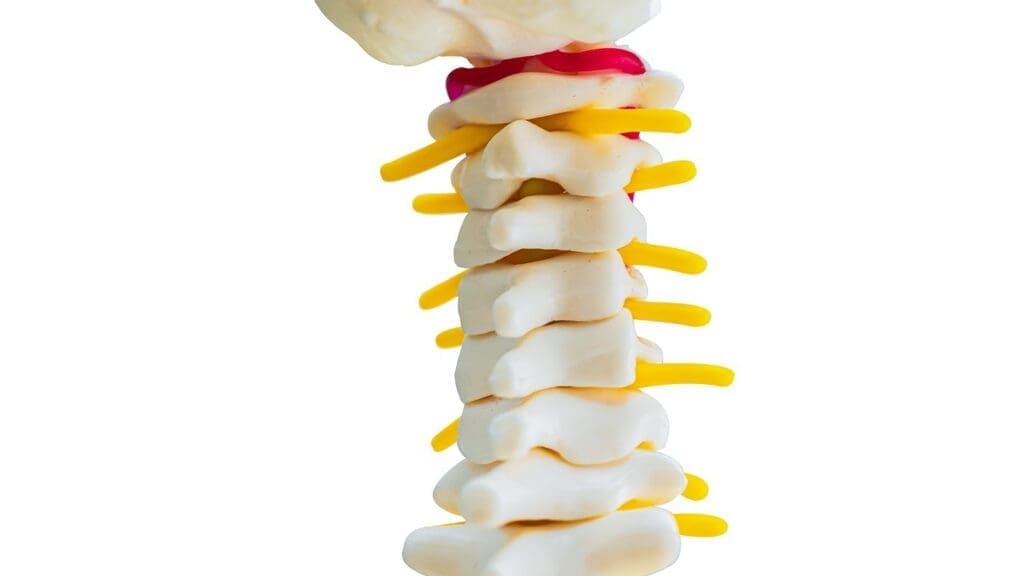
Spinal discs and sciatica are closely linked. The spine’s anatomy and its effect on the sciatic nerve are key. Spinal discs, acting as cushions between vertebrae, are vital in sciatica development.
What Happens When a Disc Bulges
A bulging spinal disc can press on nerves. This can happen due to aging, injury, or genetics. The disc’s bulge can irritate the sciatic nerve, causing sciatica’s pain and discomfort.
How Disc Problems Affect the Sciatic Nerve
Disc issues, like bulging or herniation, can harm the sciatic nerve. The sciatic nerve runs from the lower back to the legs. A bulging disc can compress or irritate it, causing sciatica.
Terms like herniated, slipped, and bulging discs are often mixed up. They all can compress the sciatic nerve, leading to pain, numbness, and weakness in the leg. Knowing this connection is key for proper diagnosis and treatment.
Bulging Disc Sciatica: Definition and Mechanisms
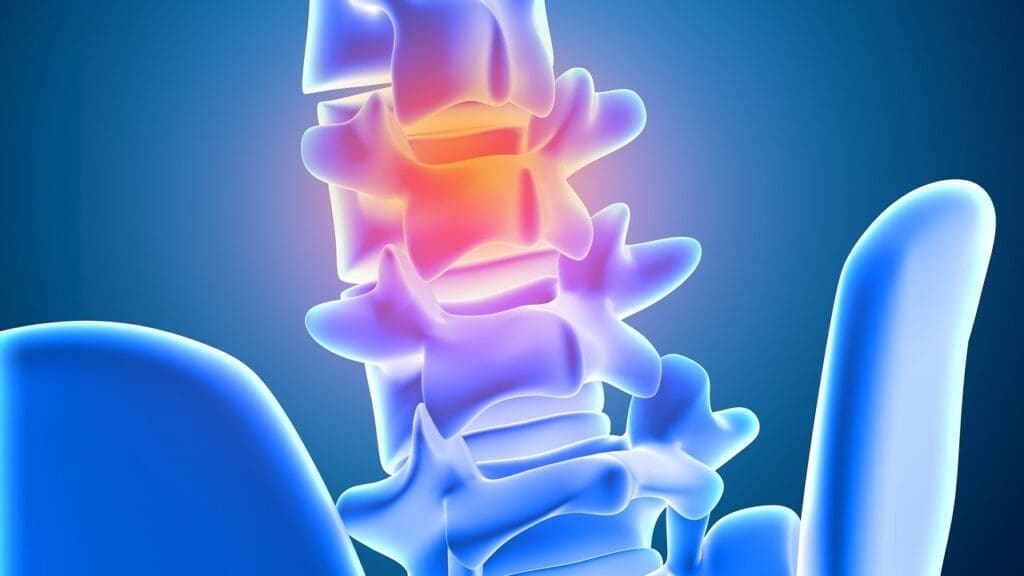
Understanding bulging disc sciatica is key to treating it. We’ll look at what it is and how it works. This will give you a full picture of this complex issue.
The Sciatic Nerve Pathway
The sciatic nerve is the biggest nerve in our body. It starts in the lower back and goes down to the legs. It controls many muscles in the lower legs and helps us feel sensations on our skin.
When a disc bulges, it can press on this nerve. This can cause the pain and discomfort seen in sciatica disc problems.
How Disc Compression Leads to Sciatic Pain
When a bulging disc presses on the sciatic nerve, it can cause pain. This pain can be in the lower back, buttocks, and legs. The pain’s strength depends on how much the disc is pressing and the person’s health.
Studies show that this pressure can lead to sciatic pain. It can irritate the nerves or press directly on them.
Nerve Irritation vs. Direct Compression
A bulging disc can cause sciatica in two ways. Nerve irritation happens when the disc inflames or irritates nearby nerves. Direct compression is when the disc physically presses on the nerve.
Both ways can cause a lot of pain and discomfort. Knowing the difference is important for finding the right treatment for herniated disc causing sciatica pain.
Terminology Explained: Bulging, Herniated, and Slipped Discs
When we talk about sciatica, we often hear about bulging, herniated, and slipped discs. These terms might sound the same, but they mean different things. Knowing the difference is key for getting the right diagnosis and treatment.
Key Differences in Disc Conditions
A bulging disc happens when the disc pushes out a bit but doesn’t break. On the other hand, a herniated disc is when the disc’s outer layer tears, letting the soft center spill out. The term slipped disc is sometimes used for both, but it’s not entirely accurate because the disc doesn’t really “slip.”
Why These Terms Are Often Used Interchangeably
Even though they’re different, these terms get mixed up a lot. This is because the symptoms they cause can seem similar. Doctors need special tests to tell them apart. Patients often get confused, showing how important it is for doctors to explain things clearly.
Impact on Diagnosis and Treatment
Knowing the difference between these disc issues is important for treatment. For example, a herniated disc that’s pressing on nerves might need surgery. But a bulging disc might be treated with physical therapy and pain relief. Figuring out the exact problem helps doctors create the best treatment plan.
Statistics and Demographics of Disc-Related Sciatica
Epidemiological studies have shed light on the statistics and demographics of disc-related sciatica. They provide valuable insights into its prevalence and risk factors.
Prevalence in Different Age Groups
Research shows that sciatica due to herniated discs is most common among adults aged 30 to 50. This age group is more likely to experience disc-related sciatica. It’s due to a combination of age-related degeneration and lifestyle factors.
Risk Factors and Common Patient Profiles
Several risk factors contribute to the development of disc-related sciatica. These include genetic predisposition, occupational hazards, and lifestyle choices. Common patient profiles often include individuals with physically demanding jobs or those who lead sedentary lifestyles.
| Age Group | Prevalence of Sciatica | Common Risk Factors |
|---|---|---|
| 20-30 | Low | Genetic predisposition, sports injuries |
| 30-50 | High | Age-related degeneration, occupational hazards |
| 50+ | Moderate | Degenerative changes, reduced physical activity |
Herniated Discs as the Leading Cause of Sciatica
Studies have shown that herniated discs are the leading cause of sciatica in adults. The condition often results from the compression or irritation of the sciatic nerve by the herniated disc material.
Understanding these statistics and demographics is key. It’s essential for developing effective prevention and treatment strategies for disc-related sciatica.
Common Causes of Bulging Disc Sciatica
It’s important to know why bulging disc sciatica happens. This helps us find the right treatments and ways to prevent it. This condition comes from many different things.
Age-Related Degeneration
As we get older, our spinal discs change. They lose water and become less flexible. This can cause bulging discs, which might hurt the sciatic nerve.
Injury and Trauma
Big accidents or falls can hurt the spinal discs right away. Even small injuries can cause big problems for some people.
Occupational and Lifestyle Contributors
Some jobs and lifestyles can make you more likely to get bulging disc sciatica. Jobs that make you lift heavy or sit a lot can hurt your back. Not moving much or not exercising can also weaken your spine.
Genetic Predisposition
Genetics can also play a big part. Some people might be more likely to have disc problems because of their genes.
| Cause | Description | Risk Factors |
|---|---|---|
| Age-Related Degeneration | Natural wear and tear on spinal discs | Aging, family history |
| Injury and Trauma | Damage from accidents or falls | Contact sports, heavy lifting |
| Occupational and Lifestyle | Strain from job or daily activities | Prolonged sitting, lack of exercise |
| Genetic Predisposition | Inherent susceptibility to disc issues | Family history of spinal problems |
Recognizing Symptoms of Disc-Related Sciatica
Disc-related sciatica shows up in many ways. We’ll look at the signs that tell you if you have it. This will help you know when to see a doctor.
Pain Patterns and Characteristics
The pain from disc-related sciatica is different for everyone. It often starts in the lower back and goes down one leg. The pain can feel sharp, burning, or shooting, and can be mild or very strong.
In some cases, the pain is always there. In others, it comes and goes.
Neurological Symptoms: Numbness, Tingling, and Weakness
Disc-related sciatica can also cause numbness, tingling, and weakness. These happen when the disc presses on the sciatic nerve. This can make your leg or foot feel like it’s asleep or numb.
Functional Limitations and Impact on Daily Activities
Sciatica can make everyday tasks hard. Even simple things like walking or sitting can hurt. It can also make lifting, bending, or climbing stairs tough.
Warning Signs That Require Immediate Medical Attention
While most sciatica can be treated without surgery, some signs need quick medical help. These include sudden, severe pain, trouble with bladder or bowel control, and getting weaker or numb in your legs. If you see these signs, get medical help right away to avoid serious problems.
| Symptom | Description | Severity |
|---|---|---|
| Pain | Sharp, shooting, or burning pain radiating down one leg | Mild to Severe |
| Numbness/Tingling | Sensation of pins and needles or numbness in the affected leg or foot | Variable |
| Weakness | Muscle weakness in the affected leg or foot | Mild to Severe |
| Functional Limitations | Difficulty with daily activities like walking, standing, or lifting | Variable |
Diagnosis Process for Bulging Disc Sciatica
Getting a correct diagnosis for bulging disc sciatica is key to treating it well. We use a mix of clinical checks and high-tech imaging to find the cause. This helps us create a treatment plan that works.
Clinical Evaluation and Physical Examination
The first step is a detailed check-up and physical exam. We look at the patient’s health history and symptoms. We also do tests to see how nerves are working and where pain is.
This helps us figure out if a bulging disc is causing the sciatica.
Imaging Studies: MRI, CT Scans, and X-rays
Imaging tests are vital to confirm the diagnosis. We mainly use MRI because it shows soft tissues like discs and nerves well. CT scans and X-rays help check bones and find other sciatica causes.
MRI is great for seeing how much the disc is bulging and how it affects nerves.
Specialized Tests for Nerve Function
In some cases, we do special tests like electromyography (EMG) and nerve conduction studies (NCS). These tests check nerve damage or irritation from the bulging disc. By combining all these, we can accurately diagnose and treat bulging disc sciatica.
Medical experts say,
“A precise diagnosis is the cornerstone of effective treatment for bulging disc sciatica, enabling healthcare providers to target the root cause of the condition.”
Our detailed diagnostic process ensures our patients get the best care for their condition.
Conservative Treatment Approaches
Managing bulging disc sciatica often starts with conservative treatments. These methods aim to ease symptoms, improve function, and enhance life quality. They are the first steps in helping patients.
Rest and Activity Modification
Patients are first told to rest and change their activities. They should avoid heavy lifting, bending, or twisting. This rest helps the spine heal naturally.
Physical Therapy and Targeted Exercises
Physical therapy is key in treating bulging disc sciatica. Exercises strengthen spine muscles, improve flexibility, and aid healing. We create a personalized exercise plan for each patient.
Medications for Pain and Inflammation
Medications help manage pain and inflammation from bulging discs. Over-the-counter pain relievers, muscle relaxants, or corticosteroids might be used. The choice depends on symptom severity and medical history.
Non-Surgical Interventional Procedures
Non-surgical procedures are sometimes recommended. These include epidural steroid injections or nerve blocks. They reduce inflammation and pain. These options are considered when other treatments fail.
Combining these treatments can greatly improve symptoms and life quality for many. It’s vital to work with healthcare professionals to find the best treatment plan.
Advanced Interventions for Persistent Sciatica
If you have chronic sciatica, looking into advanced treatments is key. When simple methods don’t work, more serious steps might be needed.
Minimally Invasive Procedures
These procedures aim to cut down on recovery time and harm to tissues. They include injections and nerve treatments to lessen pain and swelling.
Surgical Options for Disc-Related Sciatica
When other treatments don’t help and the pain is severe, surgery might be the next step. Options include removing part of the disc or fusing vertebrae, based on the sciatica’s cause.
| Procedure | Description | Recovery Time |
|---|---|---|
| Discectomy | Removal of herniated disc material | 2-6 weeks |
| Laminectomy | Removal of part of the vertebra to relieve pressure | 4-8 weeks |
| Spinal Fusion | Fusing vertebrae to stabilize the spine | 8-12 weeks |
Recovery Expectations and Rehabilitation
Recovery times differ based on the treatment. Most see some relief in weeks, but full healing can take months. Physical therapy is often part of the recovery to build back strength and flexibility.
When Surgery Is Necessary vs. When to Wait
Choosing surgery should be a thoughtful decision after talking to a doctor. Consider how severe the symptoms are, how they affect your daily life, and your overall health.
Latest Research and Treatment Innovations
Sciatica treatment is changing fast, thanks to new research and options. We’re moving towards less invasive methods. This is because of better technology and understanding of spinal issues.
Evidence Supporting Early Physical Therapy Intervention
Studies show early physical therapy helps with sciatica from discs. Early treatment cuts pain and boosts function. It might even avoid surgery.
Emerging Non-Surgical Approaches
New non-surgical methods are becoming popular. Innovative therapies like spinal decompression and laser treatments are showing good results. They help without surgery’s risks.
Outcome Studies and Success Rates
Outcome studies are key to knowing if treatments work. Recent research shows many patients do well with non-surgical care. Success rates vary by treatment.
Future Directions in Sciatica Treatment
As we learn more about sciatica, treatments will get better. We might see more tailored care and new, less invasive methods.
Conclusion: Managing and Preventing Recurrence
Managing and preventing bulging disc sciatica is key to long-term relief. We’ve covered the causes, symptoms, and treatments. To keep bulging disc sciatica at bay, making lifestyle changes and exercising regularly is vital.
Managing and preventing recurrence involves staying healthy, improving posture, and strengthening back muscles. It’s also important to avoid heavy lifting and bending. These actions can make the condition worse.
For those with sciatica from a herniated disc, physical therapy and specific exercises help. By actively managing bulging disc sciatica and herniated disc, you can lower the risk of it coming back. This improves your overall well-being.
What is bulging disc sciatica?
Bulging disc sciatica happens when a bulging disc in the spine irritates the sciatic nerve. This leads to pain and other symptoms.
How does a bulging disc cause sciatica?
A bulging disc can irritate the sciatic nerve. This nerve runs from the lower back to the legs. The pressure causes pain, numbness, tingling, and weakness in the leg.
What are the symptoms of bulging disc sciatica?
Symptoms include pain in the lower back, buttocks, and legs. You might also feel numbness, tingling, and weakness in the leg. In severe cases, it can affect bowel or bladder function.
How is bulging disc sciatica diagnosed?
Doctors use a mix of clinical evaluation, MRI or CT scans, and nerve function tests to diagnose it.
What are the treatment options for bulging disc sciatica?
Treatments include rest, physical therapy, and medications. Advanced options include minimally invasive procedures and surgery.
Can a herniated disc cause sciatica?
Yes, a herniated disc can irritate the sciatic nerve. This is a common cause of sciatica. Treatment options are similar to those for bulging disc sciatica.
How can I prevent bulging disc sciatica?
To prevent it, maintain a healthy lifestyle. This includes regular exercise, a balanced diet, and proper lifting. Avoid smoking and keep a healthy weight.
What is the difference between a bulging disc and a herniated disc?
A bulging disc bulges out of its normal position. A herniated disc ruptures and releases its contents. Both can cause sciatica, but treatment options may differ.
Can sciatica be caused by other conditions beside a bulging disc?
Yes, sciatica can be caused by other conditions like herniated discs, spinal stenosis, and piriformis syndrome. A proper diagnosis is key to find the cause.
What are the benefits of early physical therapy for bulging disc sciatica?
Early physical therapy can ease symptoms and improve function. It reduces the risk of chronic pain and disability. It helps patients recover faster and avoid invasive treatments.
Are there any new or emerging treatments for bulging disc sciatica?
Yes, research is ongoing for new treatments. This includes new minimally invasive procedures and alternative therapies. Staying updated helps patients make informed decisions.