
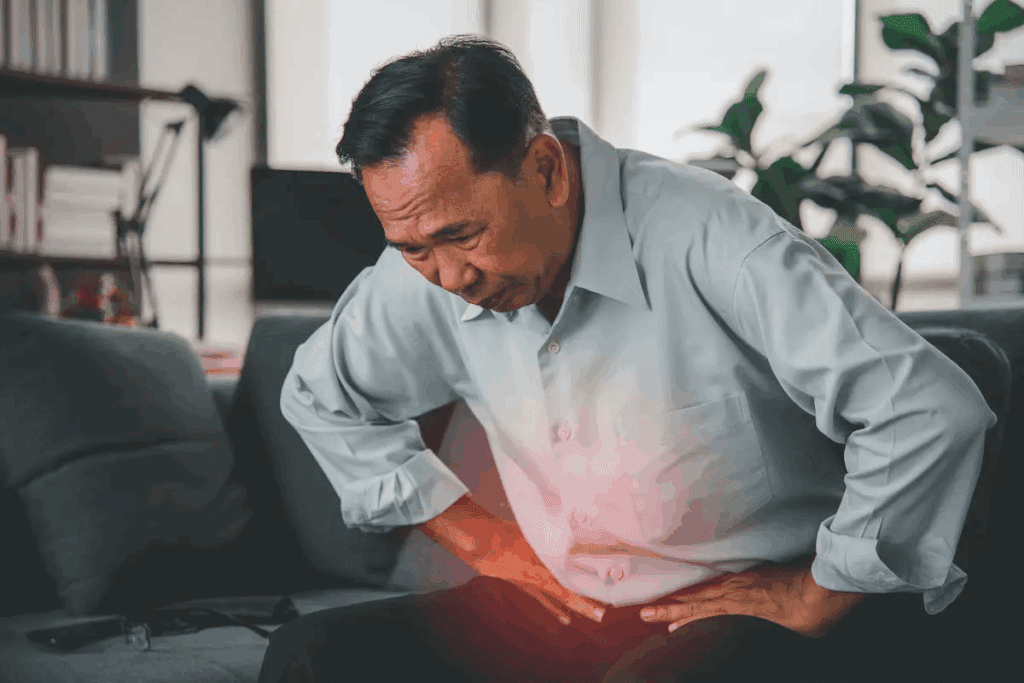
Find out what an inguinal hernia with fat is, its symptoms, and common risk factors.
The presence of fat in an inguinal hernia can change its symptoms and risks. It’s important to know about the causes, symptoms, and possible complications of hernias with fat. This knowledge helps in managing and treating them effectively.
Liv Hospital is known for its focus on patients and following global medical standards. They offer insights into this condition. We will discuss the prevalence, causes, symptoms, and risks of inguinal hernias, focusing on those with fat.
Key Takeaways
- Inguinal hernias are more common in men due to anatomical differences.
- The presence of fat within a hernia can impact its symptoms and risks.
- Understanding the causes and symptoms is key for effective management.
- Liv Hospital provides patient-centered care for inguinal hernia treatment.
- Knowing the risks associated with inguinal hernias can help prevent complications.
Understanding Inguinal Hernias: Anatomy and Definition
It’s key to know the anatomy of the inguinal canal to understand hernias. The inguinal canal is a path in the lower belly wall. It lets structures move between the belly and the genitals.
The Inguinal Canal: Anatomical Overview
The inguinal canal is a major structure. It goes from the deep inguinal ring to the superficial inguinal ring. It’s surrounded by muscles like the external oblique, internal oblique, and transversus abdominis.
Inside, you’ll find important stuff like the spermatic cord in males and the round ligament of the uterus in females. There are also nerves and blood vessels.
How Hernias Develop in the Groin Area
Hernias in the groin happen when the belly wall weakens. This lets tissue bulge through the inguinal canal. This can be due to increased abdominal pressure, congenital weaknesses, or muscle degeneration over time.
An inguinal hernia can cause a bulge or swelling in the groin. This might hurt, more so when you’re active.
It’s important to know the difference between direct and indirect inguinal hernias. Direct hernias happen when the wall weakens, letting tissue push through. Indirect hernias occur when tissue goes through the inguinal canal’s deep ring, often because of a birth defect.
Inguinal Hernia With Fat: A Distinct Clinical Entity
Fatty inguinal hernias are a special type of hernia. They happen when fat from the belly pushes through a weak spot in the lower belly. This creates a bulge in the groin area. Knowing about these hernias is key for the right diagnosis and treatment.
How Fat Protrusion Differs from Intestinal Herniation
Fat bulging out in hernias is different from when intestines bulge. Intestinal hernias can cause serious problems like bowel blockage or strangulation. On the other hand, fat-containing hernias involve fat bulging out, which is less dangerous but can be painful.
Intestinal hernias are riskier because they can block the intestines or cut off blood flow. Fat hernias are less risky but can be very uncomfortable. They might need surgery to fix.
Identifying Fat-Containing Hernias Through Examination
Finding fat hernias by touch can be tricky. Doctors use a mix of feeling the area and imaging tests to diagnose. They might feel a soft, movable lump in the groin that gets bigger when you cough or strain.
Imaging studies like ultrasound or CT scans help confirm the diagnosis. They show what’s inside the hernia, helping doctors decide the best course of action.
In short, hernias with fat need special care. Knowing the difference between fat and intestinal hernias is important for the best treatment.
Types and Classifications of Inguinal Hernias
It’s key to know the different types of inguinal hernias for diagnosis and treatment. These hernias are sorted by where they are, what they contain, and their size.
Direct vs. Indirect Inguinal Hernias
Inguinal hernias are mainly split into direct and indirect types. Indirect inguinal hernias happen when part of the intestine bulges through a weak spot in the abdominal wall. This type is more common and often starts at birth.
Direct inguinal hernias happen when tissue pushes through the abdominal wall but not through a weak spot. These hernias are more likely to be caused by increased pressure and muscle weakness.
Unilateral vs. Bilateral Fat-Containing Hernias
Inguinal hernias can also be one-sided (unilateral) or on both sides (bilateral). Bilateral fat-containing inguinal hernias are on both sides and have fatty tissue. Knowing this helps doctors plan the best surgery.
A small fat-containing inguinal hernia is small and has fatty tissue. The size and what’s inside the hernia decide the treatment.
Small vs. Large Hernias: Size Implications
The size of an inguinal hernia matters too. Small hernias might not bother you much and could be treated without surgery. But large hernias can hurt and may need surgery.
Knowing the type and size of an inguinal hernia helps doctors choose the right treatment. This way, they can give care that fits the hernia’s specific needs.
Key Causes of Inguinal Hernias
Several factors contribute to inguinal hernias. Knowing these can help prevent and treat them.
Increased Abdominal Pressure: Heavy Lifting and Straining
Increased abdominal pressure is a main cause of inguinal hernias. Heavy lifting and straining raise pressure in the belly. This stress can weaken the abdominal wall over time.
Activities like heavy lifting, chronic coughing, and straining during bowel movements can harm the abdominal wall. These actions make it more likely to develop a hernia.
Obesity and Weight-Related Factors
Obesity is a big risk for inguinal hernias. Extra weight puts more pressure on the abdominal wall. Obesity also causes chronic inflammation and weakens tissues, raising hernia risk.
Keeping a healthy weight through diet and exercise can lower hernia risk. Losing weight reduces pressure on the abdominal wall, making hernias less likely.
Congenital Weakness and Developmental Issues
Certain weaknesses in the abdominal wall can lead to inguinal hernias. Some people are born with these weaknesses. They may become more noticeable later in life.
Conditions like a patent processus vaginalis make people more prone to hernias. As people age, these weaknesses can worsen. This is true if they also face increased abdominal pressure or obesity.
Demographic Patterns: Age and Gender Factors
It’s key to know how inguinal hernias spread out by age and gender. This info helps doctors and health groups plan better. It’s all about stopping and treating hernias more effectively.
Male Predominance in Inguinal Hernia Development
Men get inguinal hernias way more than women. This is because of how their bodies are made. The weakness in the inguinal canal, where the spermatic cord is, plays a big role. Men are about 8 to 10 times more likely to get these hernias than women.
At What Age Hernias Typically Develop
Hernias can happen at any age, but they’re more common as people get older. The biggest risk is for those over 50. This is because the muscles in the belly get weaker and the pressure inside the belly goes up.
Congenital Cases: Infancy and Childhood Hernias
Babies and young kids can also get inguinal hernias. These happen because of a problem with the passage the testes take to get to the scrotum. About 1-5% of children are born with this issue, leading to hernias.
| Age Group | Prevalence of Inguinal Hernias | Common Characteristics |
| Infancy and Childhood | 1-5% | Congenital, often associated with patent processus vaginalis |
| Adults (20-50 years) | Increasing with age, more common in men | Acquired, related to muscle weakness and increased intra-abdominal pressure |
| Older Adults (>50 years) | Highest incidence | Age-related muscle weakening, cumulative effect of increased intra-abdominal pressure |
The way inguinal hernias show up by age and gender is very important. It shows why we need to focus on prevention and early treatment. Knowing these patterns helps doctors and health groups do a better job for everyone.
Recognizing Symptoms of Fat-Containing Inguinal Hernias
It’s important to know the signs of inguinal hernias early. Fat-containing hernias can show different symptoms. These include a painless bulge, discomfort, and other issues.
The Painless Bulge: Initial Presentation
The first sign of a fat-containing inguinal hernia is often a painless bulge in the groin. This bulge is more visible when you stand up, cough, or strain. Because it’s painless, people might not get it checked right away.
Discomfort, Burning, and Heaviness Sensations
As the hernia gets worse, you might feel discomfort, burning, or a heavy feeling in your groin. These feelings get worse with exercise, lifting heavy things, or straining during bowel movements. The pain can be mild or severe and feel like pressure or a dragging feeling.
Inguinal Hernia Bloating: Causes and Patterns
Bloating from inguinal hernias can happen for many reasons. The size of the hernia and what’s inside it play a big role. If the hernia has fat, bloating might be more noticeable. Bloating patterns can vary, depending on your activity level or how you’re sitting.
Knowing these symptoms is key to catching fat-containing inguinal hernias early. If you notice any of these signs, see a doctor right away. They can help figure out what’s going on and treat it.
Anatomical Locations: Where Inguinal Hernias Occur
Inguinal hernias can happen in different places, making diagnosis and treatment tricky. The groin is the most common spot for these hernias. They can appear on one side or both sides.
Hernia in the Lower Right Abdomen: Characteristics
A hernia in the lower right abdomen is a common type of inguinal hernia. It happens when tissue, like fat, pushes through a weak spot in the right side of the abdominal wall. You might see a bulge or swelling in the groin area, which gets bigger when you cough or strain.
Small Fat-Containing Left Inguinal Hernia
A small fat-containing left inguinal hernia is when fatty tissue bulges through a weak spot in the left inguinal canal. This hernia might not cause any pain or might feel a bit sore. Even though it’s small, it’s important to see a doctor to avoid bigger problems.
Bilateral Fat-Containing Inguinal Hernias
Bilateral fat-containing inguinal hernias happen when both sides of the inguinal canals bulge with fatty tissue. You might feel swelling or discomfort in both groins. Treating both sides at once can be harder than treating just one.
Having both sides affected shows how important it is to get a full check-up and imaging. This helps doctors understand how bad it is and plan the best treatment.
Potential Complications and Risk Assessment
It’s important to know the risks of inguinal hernias. Hernias with fat can cause serious problems if not treated right.
Incarceration: When Tissue Cannot Be Reduced
Incarceration happens when tissue gets stuck and can’t go back inside. This can be very painful and may lead to worse problems.
Key factors that increase the risk of incarceration include:
- Large hernia size
- Narrow hernial orifice
- Increased abdominal pressure
Strangulation: A Serious Medical Emergency
Strangulation is when the blood supply to the hernia is cut off. It’s a medical emergency that needs quick action to avoid serious damage.
“Strangulation of an inguinal hernia is a surgical emergency that requires prompt intervention to prevent serious complications.”
Large or narrow hernias and older adults face a higher risk of strangulation.
Are Small Fatty Hernias Less Risky?
Small fatty hernias might seem less risky, but any hernia can cause problems. The risk is lower for small ones, but health and symptoms matter too.
| Hernia Type | Risk of Incarceration | Risk of Strangulation |
| Small Fatty Hernia | Low | Low-Moderate |
| Large Fatty Hernia | Moderate-High | High |
| Intestinal Hernia | High | Very High |
The table shows small fatty hernias have a lower risk. But, it’s key to watch them closely and get surgery if advised by a doctor.
Diagnostic Approaches for Inguinal Hernias
Getting a correct diagnosis for inguinal hernias is key to good treatment. This involves several steps, from physical exams to imaging tests.
Physical Examination Techniques
First, doctors check for inguinal hernias through physical exams. They look and feel the area. They might ask you to cough or strain to see if a hernia pops out.
A study in the Journal of Surgical Research shows how important this is. It says physical exams are the main way to find hernias (Source:
“Clinical Evaluation of Inguinal Hernia,” Journal of Surgical Research, 2020
).
Imaging Studies: Ultrasound and CT Scans
If exams don’t show anything, doctors use imaging to confirm. Ultrasound and CT scans help see the hernia and what’s inside.
| Imaging Modality | Advantages | Limitations |
| Ultrasound | Non-invasive, cost-effective, real-time imaging | Operator-dependent, limited depth penetration |
| CT Scan | High-resolution images, can detect complications | Radiation exposure, higher cost |
Differentiating Fat-Containing from Intestinal Hernias
Telling apart fat and intestinal hernias is important for treatment. Imaging helps a lot with this.
Key differences: Fat hernias look simpler on scans. Intestinal hernias might show bowel blockage or complex shapes.
Doctors use physical exams and imaging to accurately diagnose hernias. This helps them plan the best treatment.
Treatment Options for Fatty Inguinal Hernias
Treating inguinal hernias with fat needs a careful look at when to use conservative management or surgical repair. This choice depends on the hernia’s size, symptoms, and the patient’s health.
Conservative Management: When Is Watchful Waiting Appropriate?
For small, painless fatty inguinal hernias, watchful waiting might be best. This means keeping an eye on the hernia for any signs of trouble. Patients should also avoid heavy lifting and straining to stop the hernia from getting worse.
- Regular check-ups with a healthcare provider
- Staying away from activities that raise belly pressure
- Keeping a healthy weight to ease strain
Surgical Repair Techniques
For bigger or painful hernias, surgical repair is usually needed. Surgery has evolved to include open and laparoscopic methods, each with its own benefits.
| Surgical Method | Description | Benefits |
| Open Hernia Repair | A traditional method with a single incision | Good for complex cases, simple procedure |
| Laparoscopic Hernia Repair | Minimally invasive surgery with small cuts and a camera | Less pain after surgery, quicker recovery |
Laparoscopic vs. Open Hernia Repair
The choice between laparoscopic and open hernia repair depends on several factors. These include the surgeon’s skill, the hernia’s type, and the patient’s wishes. Laparoscopic repair is known for less pain and quicker recovery. Open repair is often chosen for complex or recurring hernias.
In conclusion, treating fatty inguinal hernias needs a personalized approach. It’s important to weigh the pros and cons of each treatment option. This way, patients and doctors can make the best choice together.
Prevention Strategies and Risk Reduction
To prevent inguinal hernias, it’s important to keep a healthy weight, lift correctly, and manage chronic conditions. Knowing the risks and using these methods can lower your chance of getting a hernia.
Maintaining a Healthy Weight
Keeping a healthy weight is key to avoiding inguinal hernias. Too much weight strains the abdominal muscles, raising the risk of a hernia. Eating well and exercising regularly can help you stay at a healthy weight.
Benefits of a Healthy Weight:
- Reduces pressure on abdominal muscles
- Decreases the risk of hernia development
- Improves overall health and well-being
Proper Lifting Techniques and Core Strengthening
Proper lifting is vital to prevent inguinal hernias. Incorrect lifting can stress the abdominal muscles, leading to a hernia. Exercises that strengthen the core can also support the abdominal wall.
Tips for Proper Lifting:
- Bend at the knees instead of the waist
- Keep the object close to your body
- Lift with your leg muscles
Managing Chronic Conditions That Increase Risk
It’s important to manage chronic conditions like chronic coughing, constipation, and prostate issues to lower hernia risk. These conditions can increase abdominal pressure, raising the risk of a hernia.
| Chronic Condition | Management Strategy |
| Chronic Coughing | Seek medical treatment for underlying causes |
| Constipation | Maintain a high-fiber diet, stay hydrated |
| Prostate Issues | Follow medical advice for managing prostate health |
By using these prevention strategies, you can lower your risk of inguinal hernias and improve your health.
Conclusion: Living With and Managing Inguinal Hernias
It’s important to know about inguinal hernias, their causes, and symptoms. This knowledge helps in managing and preventing problems. Living with them means being aware and making lifestyle changes.
Managing inguinal hernias involves making smart choices and sometimes surgery. It’s about adjusting your life to handle the condition better.
First, you need to know the signs and risks of inguinal hernias. Keeping a healthy weight and avoiding heavy lifting helps. Managing chronic conditions also plays a big role.
Regular health check-ups are key to managing inguinal hernias. They help keep an eye on the condition and find the best treatment. Being informed and proactive is essential for those with inguinal hernias.
FAQ
What is an inguinal hernia with fat?
An inguinal hernia with fat happens when fatty tissue bulges through a weak spot in the abdominal wall. This usually happens in the inguinal canal.
What are the causes of inguinal hernias?
Inguinal hernias are caused by several factors. These include increased abdominal pressure, being overweight, and a natural weakness in the abdominal wall.
What are the symptoms of a fat-containing inguinal hernia?
Symptoms of a fat-containing inguinal hernia include a painless bulge and discomfort. You might also feel burning, heaviness, and bloating.
Can inguinal hernias occur on both sides?
Yes, inguinal hernias can happen on both sides. This is called bilateral fat-containing inguinal hernias.
Are small fatty hernias less risky?
Small fatty hernias might seem less risky at first. But they can cause problems and should be watched and possibly treated.
How are inguinal hernias diagnosed?
Doctors use physical exams and imaging studies like ultrasound and CT scans to diagnose inguinal hernias.
What are the treatment options for fatty inguinal hernias?
Treatment for fatty inguinal hernias includes watching and waiting, and surgery. Surgery can be done laparoscopically or openly.
Can inguinal hernias be prevented?
Some risks for inguinal hernias can’t be avoided. But, staying healthy, lifting right, and managing health conditions can help prevent them.
What is the difference between direct and indirect inguinal hernias?
Direct inguinal hernias happen when tissue pushes through a weak spot. Indirect inguinal hernias occur when tissue goes through a natural opening in the inguinal canal.
Can inguinal hernias cause complications?
Yes, inguinal hernias can lead to serious complications. These include incarceration and strangulation, which are medical emergencies.
What is inguinal hernia bloating?
Inguinal hernia bloating is swelling or discomfort in the groin area. It’s caused by a hernia.
Are inguinal hernias more common in men?
Yes, inguinal hernias are more common in men. This is because of the natural weakness in the abdominal wall where the testes descend.
Reference
Gutt, C. (2020). The treatment of gallstone disease. Clinics in Liver Disease, 24(2), 487–492. https://www.ncbi.nlm.nih.gov/pmc/articles/PMC7132079/