
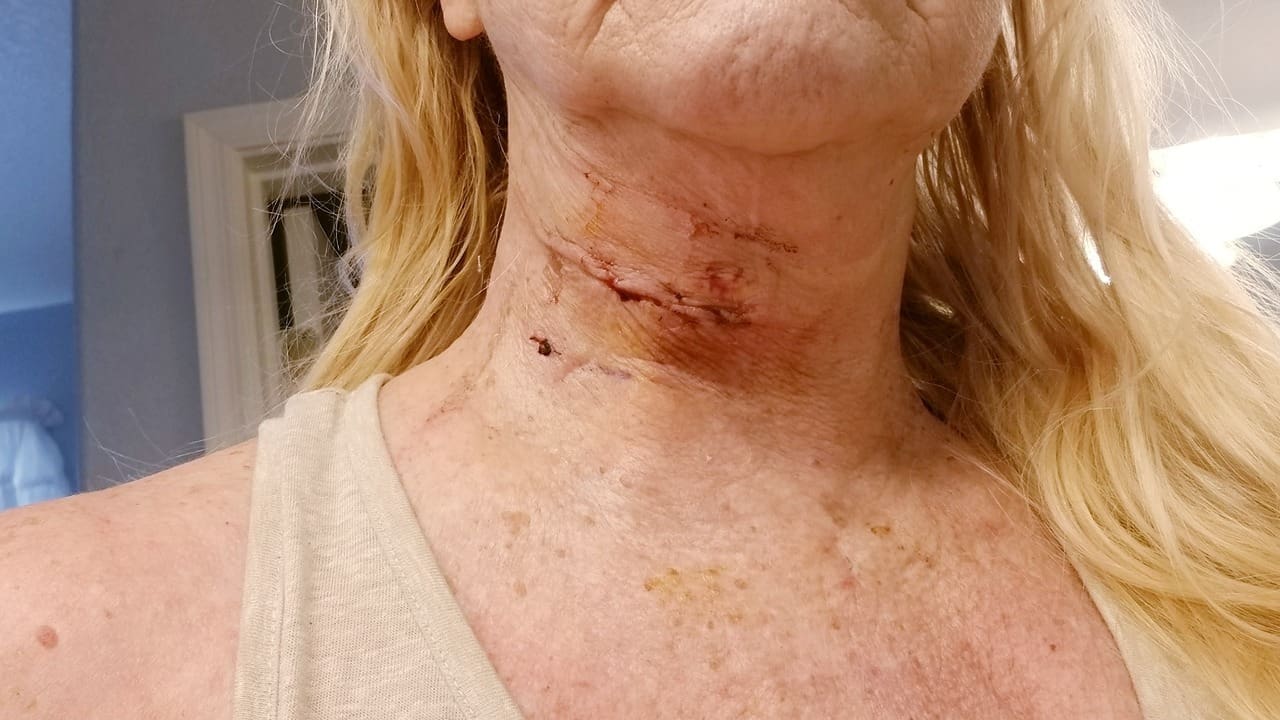
Learning about Anterior Cervical Discectomy and Fusion (ACDF) surgery is key, including the scar it leaves. At Liv Hospital, we help you understand the scar from this surgery.
ACDF surgery creates a scar on the neck’s front. It’s usually 1 to 1.5 inches long for a single-level surgery. Proper care and healing can make the scar almost invisible over time.
We’ll look at important facts about ACDF scars. This includes their size, location, and how they heal. This info helps patients get ready for surgery and care after.
Key Takeaways
- ACDF surgery results in a scar on the front of the neck.
- The scar is typically 1 to 1.5 inches long for a one-level surgery.
- Proper care can make the scar barely noticeable.
- Understanding the healing process can help patients prepare.
- Liv Hospital provides complete care for international patients.
Understanding Anterior Cervical Discectomy and Fusion (ACDF)
Learning about Anterior Cervical Discectomy and Fusion (ACDF) is key for those thinking about it for neck pain. ACDF surgery is a method to access the neck spine from the front. It removes a bad disc and fuses the vertebrae together.
What is ACDF Surgery?
ACDF surgery aims to ease pain, numbness, or weakness from a neck disc problem. It involves a small neck incision. The bad disc is taken out, and the vertebrae are fused to stabilize the spine.
Common Reasons for Undergoing ACDF
People get ACDF surgery for herniated discs, degenerative disc disease, or spondylosis. It’s chosen when other treatments don’t work.
Basic Surgical Approach and Technique
The surgery starts with a horizontal neck incision. The surgeon then moves aside muscles and tissues to reach the spine. After removing the bad disc, the vertebrae are fused with a bone graft or device.
| Aspect | Description |
|---|---|
| Surgical Approach | Horizontal incision in the front of the neck |
| Disc Removal | Removal of the problematic disc |
| Fusion Method | Bone graft or stabilizing device |
The surgeon’s skill, patient health, and care after surgery affect the scar’s look. Knowing the surgery helps patients understand scar healing better.
Characteristics of a Scar from Anterior Cervical Discectomy and Fusion
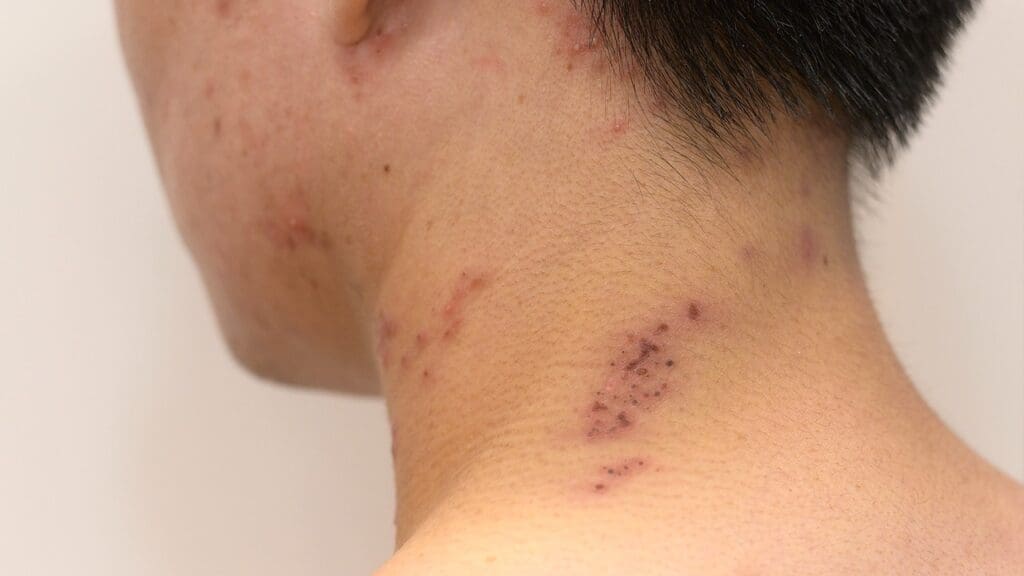
It’s important for patients to know about scars from Anterior Cervical Discectomy and Fusion (ACDF) surgery. The look of an ACDF scar can worry many. Knowing what to expect can ease some of that worry.
Typical Size and Location
ACDF scars are usually on the front of the neck and are 1 to 1.5 inches long. The size and spot depend on how the surgeon gets to the spine. The scar’s spot is often in a natural skin fold, making it less noticeable.
Initial Appearance After Surgery
Right after ACDF surgery, the scar looks darker than the skin around it. This is because of the swelling and the body’s reaction to the cut. It might also look raised or swollen. But, this is normal as it heals.
Long-term Appearance After Healing
As the scar heals, it usually gets lighter than the skin around it. Or, it might just look like a shallow line where the cut was. The scar’s look can change based on skin type, age, and how well the body heals. Good care of the wound and checking in with the surgeon can help the scar look better.
In summary, while ACDF scars can look different, knowing what to expect can help patients get through recovery. By understanding the typical size, location, and how the scar changes, patients can manage their healing better.
The ACDF Scar Healing Timeline
Knowing how long it takes for ACDF scars to heal is key. It helps patients understand what to expect and how to take care of their scars. The healing process goes through several stages, from right after surgery to when the scar looks its best.
Immediate Post-Surgery Phase (1-2 Weeks)
Right after surgery, the scar will look red, swollen, and might hurt. This is all part of healing. Make sure to follow the wound care instructions given by your doctor to help it heal right.
Early Healing Phase (2-6 Weeks)
As healing starts, the scar will flatten and turn less red. Swelling will go down, and the scar will soften. Keep up with wound care and protect your skin from the sun to help it heal well.
Mature Healing Phase (6 Weeks to 1 Year)
In this phase, the scar will keep getting better. It will become less noticeable and might even fade. Most ACDF scars will fade to a lighter, less obvious line with the right care.
Long-Term Scar Appearance
The final look of an ACDF scar can differ for everyone. But, with the right care and sun protection, most scars will look better over time. Be patient and stick to your doctor’s aftercare advice for the best results.
Factors Affecting ACDF Scar Healing
It’s important to know what affects ACDF scar healing. Both patient-related and surgical technique factors play a role. This knowledge helps both patients and healthcare providers.
Patient-Related Factors
Several patient-related factors can impact ACDF scar healing. These include:
Age and Overall Health
Older patients or those with health issues may heal slower. This is because they produce less collagen and have weaker immune systems.
Skin Type and Genetics
Genetics and skin type also matter. Some people are more likely to get thick or raised scars.
Surgical Technique Factors
The surgery method used affects scar healing too. Important factors include:
Incision Type and Placement
The size, location, and type of incision matter. Smaller scars can result from less invasive methods.
Surgeon’s Experience and Skill
A skilled surgeon can make scars heal better. They use precise techniques and cause less damage to tissues.
Knowing these factors helps patients and doctors improve ACDF scar healing. This leads to better results and happier patients.
Comparing Posterior Cervical Fusion Scar to ACDF
Patients often ask about the scars from cervical spine surgery. We’ll look at the differences between posterior cervical fusion and ACDF scars. This includes where they are, how visible they are, and how they heal.
Location and Visibility Differences
Posterior cervical fusion scars are on the back of the neck. ACDF scars are on the front. This makes a big difference in how visible the scars are. Scars on the back can be more noticeable, mainly when seen from behind.
Healing Considerations for Posterior Approach
The healing of posterior cervical fusion scars is different from ACDF scars. The skin on the back of the neck is thicker and can be more tense. This can affect how the scar heals. It’s important for patients to follow wound care instructions to help the healing process.
Patient Experiences with Different Approaches
Patients have different experiences with posterior cervical fusion and ACDF scars. Some find their posterior cervical fusion scar more noticeable. Others prefer their ACDF scar. A study showed:
“The location of the scar can significantly impact patient satisfaction with the surgical outcome.” – Dr. Spine Surgeon
The choice between posterior cervical fusion and ACDF depends on many factors. These include the patient’s condition and the surgeon’s advice.
Cervical Disc Replacement Scars vs. Spinal Fusion Scars
Knowing the differences between cervical disc replacement scars and spinal fusion scars is key. Both are used to treat neck pain and spinal issues. Yet, they have different methods and results.
Similarities in Surgical Approach
Cervical disc replacement and spinal fusion surgeries are similar at first. They both start with an incision in the front of the neck. The first step is the same: a small incision to reach the cervical spine.
This means the early scarring for both can look similar.
Differences in Scar Appearance
Even though they start the same, the scars can look a bit different. Cervical disc replacement scars are often the same size as ACDF scars. But, how the surgery goes and how you heal can change how the scar looks.
Cervical disc replacement scars are usually short and small. Modern surgery tries to make scars less noticeable. This makes scars from both procedures pretty discreet.
Multiple Level Procedures (C5-C6-C7) Impact on Scarring
When more of the spine is treated, like in C5-C6-C7 surgeries, scars might be more noticeable. This is because a longer incision is needed. But, doctors work hard to keep the scar small and hidden.
In summary, while cervical disc replacement and spinal fusion scars look similar at first, many factors can change how they appear. Knowing this can help patients get ready for surgery and recovery.
Essential Aftercare for Optimal ACDF Scar Healing
To get the best results from your ACDF scar, aftercare is very important. Taking good care of your wound and protecting it from the sun are key. We’ll show you how to care for your scar after surgery to help it heal well and look better.
Wound Care Instructions
It’s important to keep the incision clean and dry. Always wash your hands before touching the incision site. Clean the area with mild soap and water, then dry it gently. Don’t get the incision wet until your doctor says it’s okay.
Sun Protection Guidelines
When the incision is fully healed, protect it from the sun. Use a broad-spectrum sunscreen with at least SPF 30. Sun can make the scar darker and more visible. Wear clothes that cover the area, like a scarf or high collar, when outside.
Activity Restrictions During Healing
While healing, avoid activities that might strain your neck or scar. Avoid heavy lifting, bending, or twisting. Your surgeon will tell you what activities to avoid to help your scar heal right.
| Aftercare Activity | Recommended Action | Timing |
|---|---|---|
| Wound Cleaning | Gentle soap and water | Daily, until healed |
| Sun Protection | SPF 30 or higher sunscreen | After incision is fully healed |
| Physical Activities | Avoid heavy lifting, bending | As advised by your surgeon |
Treatment Options for Prominent ACDF Scars
Prominent ACDF scars can be treated in many ways. This includes non-surgical methods and surgical options. Scarring is a common side effect of surgery, but there are ways to make scars less noticeable.
Non-Surgical Scar Treatments
Non-surgical treatments can greatly improve ACDF scars. These methods are often less risky and can work well on scar tissue.
Topical Treatments and Silicone Sheets
Topical creams and gels, rich in silicone, can hydrate scars and make them look better. Silicone sheets are also used to flatten and soften scars when applied directly.
Massage and Physical Therapy
Massage and physical therapy can help break down scar tissue. They promote healing and can also improve movement and reduce pain.
Medical and Surgical Interventions
When non-surgical methods don’t work, more invasive treatments might be needed. These are usually considered when other options fail.
Steroid Injections
Steroid injections can make raised scars smaller and less noticeable. They work by reducing inflammation and breaking down scar tissue.
Scar Revision Surgery
Scar revision surgery is an option for some. It involves removing the scar tissue and closing the wound again to make the scar less visible.
We help patients choose the best treatment for their ACDF scars. We consider their needs and what they prefer.
Conclusion: Living with Your ACDF Scar
Living with your ACDF scar is a big part of getting better after surgery. Most scars from this surgery are hard to see once they’re fully healed. With the right care, you can make your scar less noticeable and get used to how it looks.
We’ve talked about what ACDF scars are, how long they take to heal, and how to make them less visible. By following the aftercare tips and keeping your scar away from the sun, you can help it heal better. This makes your scar less noticeable.
Knowing that you can feel confident again after surgery is reassuring. We suggest being patient and taking an active role in your recovery. If you’re worried about your scar, don’t hesitate to ask for professional help.
What is the typical size and location of an ACDF scar?
ACDF scars are usually 1 to 1.5 inches long. They are found on the front of the neck.
How long does it take for an ACDF scar to heal?
Healing an ACDF scar can take months to a year or more. The scar will look better over time.
What factors can affect the healing of an ACDF scar?
Several things can affect how well an ACDF scar heals. These include the patient’s age, health, and skin type. The surgical technique also plays a role.
How does an ACDF scar compare to a posterior cervical fusion scar?
ACDF scars are on the front of the neck. Posterior cervical fusion scars are on the back. The back scar might be more visible, depending on hair and clothes.
Can the appearance of an ACDF scar be minimized?
Yes, you can make an ACDF scar less noticeable. Proper wound care, sun protection, and avoiding certain activities help.
Are there any treatment options available for managing prominent ACDF scars?
Yes, there are treatments for noticeable ACDF scars. Options include silicone gel or sheeting, and medical or surgical methods.
How does cervical disc replacement surgery compare to ACDF in terms of scarring?
Cervical disc replacement scars are similar in size and location to ACDF scars. But, they can vary based on the surgical approach and technique.
Can multiple level procedures, such as C5-C6-C7, impact scarring?
Yes, multiple level procedures can lead to a longer scar. But, the healing process and appearance are generally similar to single level procedures.
What are the essential aftercare steps for optimal ACDF scar healing?
For the best healing, follow proper wound care and sun protection. Avoid strenuous activities during the healing process.
How can I care for my ACDF scar during the immediate post-surgery phase?
Follow your surgeon’s wound care instructions. Keep the incision clean and dry. Avoid hard activities to help it heal well.