
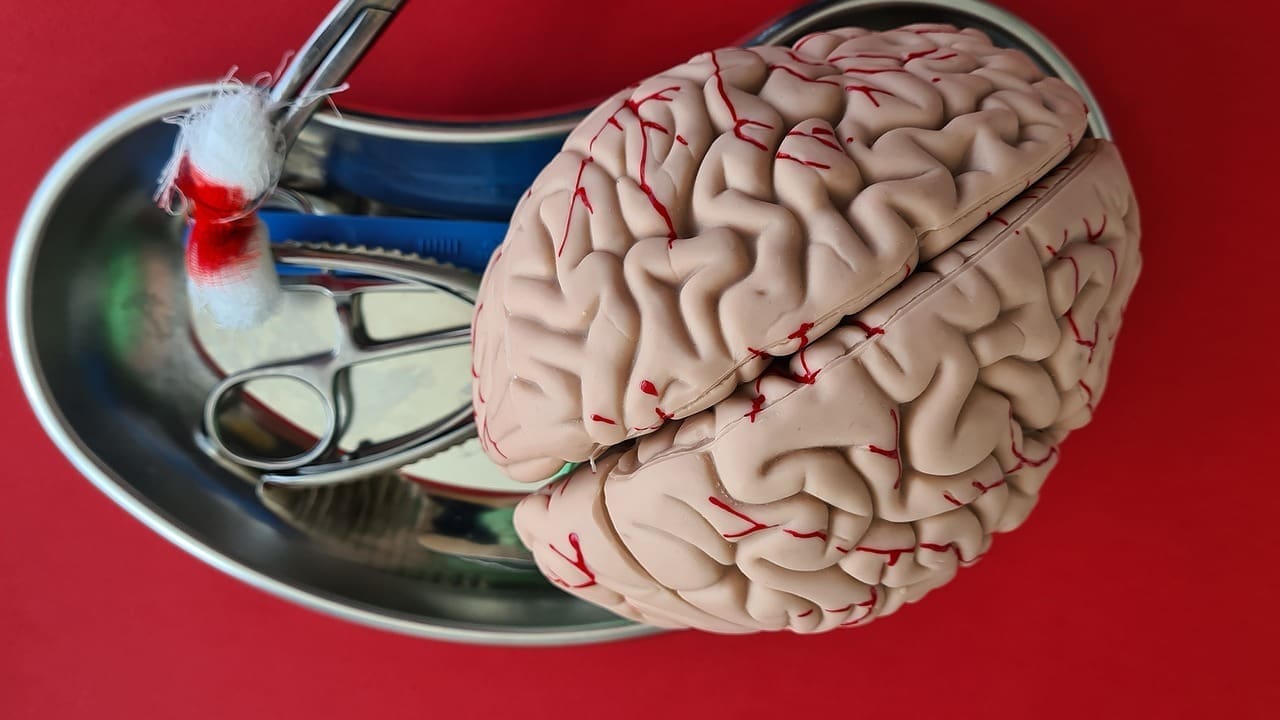
At Liv Hospital, we know how serious encephalitis inflammation can be. It can change someone’s life forever. We focus on giving top-notch care that meets global standards.
Many things can cause swelling on the brain, like viruses, bacteria, or fungi. Autoimmune diseases can also trigger it. Knowing the symptoms, causes, and treatments is key to managing it well. We’ll dive into the important facts about swelling on the brain and why quick medical help is essential.
Key Takeaways
- Encephalitis is a serious and potentially life-threatening condition.
- Prompt medical attention is vital for effective management.
- Various factors can trigger encephalitis, including infections and autoimmune causes.
- Understanding symptoms, causes, and treatment options is essential.
- Liv Hospital provides innovative, patient-focused care for encephalitis treatment.
What is Swelling on the Brain? Understanding Encephalitis

Encephalitis is a serious condition where the brain’s tissue gets inflamed. This can happen for many reasons. We’ll look into what encephalitis is, its medical terms, and how it affects the brain.
Definition and Medical Terminology
Encephalitis means the brain’s main part gets inflamed. This can be due to viruses, bacteria, or fungi. A study in the journal Frontiers in Neurology found that astrocytes are key in encephalitis.
Terms like “encephalopathy” and “cerebral edema” are used to describe related brain issues. Knowing these terms helps doctors diagnose and treat encephalitis better.
It’s important to understand these terms for effective treatment. We’ll explain the key terms and their role in patient care.
| Term | Definition | Clinical Significance |
|---|---|---|
| Encephalitis | Inflammation of brain tissue | Primary condition being discussed |
| Encephalopathy | Brain disease, damage, or malfunction | Describes a broader category of brain disorders |
| Cerebral Edema | Swelling of brain tissue | Often associated with encephalitis |
How Brain Inflammation Affects Neurological Function
Encephalitis can cause brain inflammation. This leads to symptoms like seizures, confusion, and changes in personality. The inflammation can harm brain cells and mess with brain activity.
This can cause many neurological problems. We’ll look at how encephalitis can affect the brain long-term and why quick treatment is key.
In conclusion, knowing about encephalitis is vital for good medical care. By understanding its causes and symptoms, we can find better ways to treat and manage it.
Key Fact #1: Recognizing the Symptoms of Encephalitis

It’s important to know the symptoms of encephalitis to get help quickly. This brain inflammation can show many signs, making it hard to diagnose early. We’ll look at common symptoms and how they change with age.
Early Warning Signs and Flu-like Symptoms
The first signs of encephalitis feel like the flu, with fever, headache, and fatigue. These signs can turn into serious brain problems fast. Knowing them early helps get medical help fast. A doctor says, “Spotting encephalitis symptoms early is key to avoiding brain damage.”
Severe Neurological Symptoms
As encephalitis gets worse, symptoms like seizures, confusion, and trouble speaking appear. In bad cases, it can cause personality changes, hallucinations, and coma. These signs mean a serious infection that needs quick doctor care.
How Symptoms Differ in Children vs. Adults
Children and adults show different symptoms of encephalitis. Kids might act irritable, sleepy, and not want to eat. Adults often face memory loss and brain problems. Knowing these differences helps doctors treat encephalitis better in all ages.
In summary, spotting encephalitis symptoms early is key to getting the right care. By knowing the signs and how they vary by age, we can better help those with encephalitis.
Key Fact #2: Primary Causes of Swelling on the Brain
The main reasons for brain swelling include infections and autoimmune diseases. Knowing these causes helps doctors diagnose and treat better.
Viral Infections as Leading Causes
Viral infections are a top reason for encephalitis. Viral brain infections cause many cases. Viruses like herpes simplex and West Nile virus can infect brain tissue, causing swelling.
It’s important to remember that anyone can get viral encephalitis, no matter their age or health.
Bacterial and Fungal Sources of Brain Inflammation
Bacterial and fungal infections can also cause brain swelling. Bacterial meningitis is a serious infection that inflames the brain and spinal cord’s protective membranes. Fungal infections, like cryptococcal meningitis, are more common in people with weak immune systems.
A study on brain injuries shows these infections can be very harmful if not treated quickly.
Autoimmune Encephalitis: When the Body Attacks the Brain
Autoimmune encephalitis happens when the body attacks the brain by mistake. This can be caused by cancers, infections, or other autoimmune diseases. It’s key to spot the symptoms early for effective treatment.
Key Fact #3: Common Types of Brain Infections
It’s important to know about the different brain infections. These infections, or encephalitis, can come from viruses, bacteria, and fungi. We’ll look at some common types and what makes them unique.
Herpes Simplex Virus Encephalitis
Herpes simplex virus (HSV) often causes encephalitis in adults. This infection is serious and can be deadly if not treated quickly. Symptoms include fever, headache, and confusion, which can worsen.
Mosquito-Borne Encephalitis
Mosquito-borne viruses like Eastern equine encephalitis and West Nile virus also cause encephalitis. These viruses spread through mosquito bites and can lead to severe brain disease. Symptoms include fever, headache, and encephalitis, with some experiencing lasting brain damage.
Preventing mosquito bites is important to lower the risk of these infections.
Other Infectious Agents Affecting Brain Tissue
Bacteria like Listeria monocytogenes and fungi such as Cryptococcus neoformans can also infect the brain. These pathogens mainly harm people with weak immune systems. Diagnosis involves imaging, lab tests, and clinical evaluation.
Treatment varies based on the pathogen and may include antibiotics or antifungals.
| Type of Encephalitis | Cause | Common Symptoms |
|---|---|---|
| Herpes Simplex Virus Encephalitis | Herpes simplex virus | Fever, headache, confusion |
| Mosquito-Borne Encephalitis | Eastern equine encephalitis, West Nile virus | Fever, headache, encephalitis |
| Bacterial Encephalitis | Listeria monocytogenes | Fever, headache, neurological deficits |
Brain infections come from various causes, each needing a specific approach. Knowing these types helps healthcare providers treat patients better.
“The diagnosis of encephalitis requires a high index of suspicion, particular in patients with fever, headache, and altered mental status.”
Key Fact #4: Diagnosing Infection in the Brain
Diagnosing brain infections like encephalitis is complex. It requires looking at many factors. Getting it right is key for good treatment and results.
Essential Medical Tests and Procedures
To diagnose encephalitis, doctors use several tests. These include:
- Lumbar puncture (LP) or spinal tap to analyze cerebrospinal fluid (CSF)
- Imaging studies such as MRI or CT scans to see brain inflammation
- Electroencephalogram (EEG) to check brain electrical activity
- Blood tests to find infections or inflammation markers
These tests help doctors find the cause of brain inflammation. They guide treatment choices.
Differential Diagnosis and Challenges
Diagnosing encephalitis is tricky because its symptoms can look like other conditions. Doctors must rule out other possible causes. This includes:
| Condition | Characteristics |
|---|---|
| Meningitis | Inflammation of the protective membranes covering the brain and spinal cord |
| Multiple sclerosis | Autoimmune disease affecting the central nervous system |
| Stroke | Interruption of blood flow to the brain |
Doctors say diagnosing encephalitis is hard because its symptoms are not specific.
This condition requires a high index of suspicion and a thorough diagnostic evaluation.
By using clinical evaluation and advanced tests, doctors can get better at diagnosing encephalitis. This helps them give the best care to patients.
Key Fact #5: Debunking “Brain Flu” Misconceptions
The term “brain flu” has led to many wrong ideas about encephalitis. It’s true that flu can cause encephalitis, but they are not the same. They need different treatments.
The Relationship Between Influenza and Encephalitis
Influenza-associated encephalopathy is a rare but serious issue. It happens when the flu virus causes inflammation in the brain. But, encephalitis can also be caused by other viruses, bacteria, and fungi.
Why Viral Brain Infections Require Different Treatment
Viral brain infections, like encephalitis, need specific treatments based on their cause. The table below shows how treatments differ for different causes of encephalitis.
| Cause of Encephalitis | Treatment Approach |
|---|---|
| Viral (e.g., Herpes Simplex) | Antiviral medications |
| Bacterial | Antibiotics |
| Autoimmune | Immunosuppressive therapies |
Knowing the exact cause of encephalitis is key to effective treatment. We must clear up the “brain flu” myth. This way, we can give the right diagnosis and care.
Key Fact #6: Treatment Approaches for Brain Inflammation
Effective treatment of encephalitis needs a detailed plan. This plan must tackle the root cause of brain inflammation. We will look at the different ways to manage this condition.
Antiviral and Antimicrobial Medications
The first step in treating encephalitis often includes antiviral or antimicrobial drugs. For example, antiviral medications like acyclovir are used for herpes simplex virus encephalitis. Antibiotics are given for bacterial infections. Starting these medications quickly is key to avoid lasting brain damage.
Anti-inflammatory and Immunosuppressive Therapies
When encephalitis is caused by the body’s immune system attacking itself, anti-inflammatory and immunosuppressive therapies are used. Corticosteroids are often used to calm the immune system and protect brain tissue. These treatments are given with care to ensure they help without causing harm.
Supportive Care and Symptom Management
Supportive care is essential in treating encephalitis. It focuses on managing symptoms and preventing complications. This includes seizure management, keeping the body hydrated and nourished, and supporting breathing. Patients may also need rehabilitation to regain lost abilities and improve their life quality. Our healthcare team works closely with patients and their families to provide all-around care.
By using a multi-faceted treatment plan, we can manage brain inflammation effectively. Early diagnosis and quick treatment are critical. They greatly improve the chances of a full recovery.
Key Fact #7: Recovery and Prognosis: Can Brain Inflammation Be Cured?
Knowing how patients with brain inflammation will do is key for good treatment. Recovery from encephalitis is complex. It depends on many things.
Factors Affecting Recovery Outcomes
Recovery from encephalitis depends on a few important things. These include the cause of the inflammation, how quickly and well treatment is given, and the patient’s health. Early diagnosis and treatment are very important for better recovery chances.
- The severity of the initial infection
- The patient’s age and general health
- The presence of any underlying medical conditions
Potential Long-term Complications
Some people may face long-term issues after encephalitis. These can include cognitive impairments, memory issues, and personality changes. The chance of these problems depends on the cause and how severe the brain inflammation was.
Rehabilitation and Support Services
Rehabilitation is very important for recovery. It helps patients get back lost functions and adjust to any lasting changes. We offer many support services. These include physical therapy, speech therapy, and psychological counseling.
By knowing what affects recovery and providing the right support, we can greatly improve outcomes for encephalitis patients.
When to Seek Emergency Medical Care for Suspected Encephalitis
Suspected encephalitis needs quick medical help. Knowing the warning signs can save lives. It’s key to spot the severity of symptoms fast.
Warning Signs That Require Immediate Attention
Certain symptoms mean you need urgent medical care. These include:
- Severe headache
- High fever
- Confusion or disorientation
- Seizures
- Difficulty speaking or understanding speech
If you or someone you know has these symptoms, get emergency care right away.
What to Expect in the Emergency Room
When you get to the emergency room, doctors will act fast. They will:
| Procedure | Description |
|---|---|
| Initial Assessment | Doctors will check your symptoms and medical history. |
| Diagnostic Tests | They might do MRI, CT scans, and lumbar puncture to find out if you have encephalitis. |
| Treatment | You might get antiviral or antimicrobial meds, and care to help with symptoms. |
Getting medical help quickly is key for good treatment and recovery. We stress the need to seek help fast if you think you have encephalitis.
Conclusion: The Critical Importance of Early Intervention
Swelling on the brain, or encephalitis, is a serious condition that needs quick medical help. Recognizing symptoms and knowing the causes are key steps in getting the right treatment. Early action is vital to avoid lasting damage and better outcomes.
The importance of early intervention is huge. Quick medical care can greatly lower the chance of serious problems and death. Good treatment for encephalitis includes medicines, anti-inflammatory treatments, and supportive care.
We urge people to get medical help right away if they think they have encephalitis. Knowing the risks and acting fast can help improve treatment results and save lives.
What are the symptoms of encephalitis?
Symptoms of encephalitis include fever, headache, and confusion. Seizures and personality changes can also occur. In severe cases, it can lead to coma or death. Recognizing these symptoms is key to getting prompt medical care.
What causes swelling on the brain?
Swelling on the brain, or encephalitis, is usually caused by viruses, bacteria, or fungi. It can also be caused by the body’s immune system attacking the brain. Knowing the cause is important for effective treatment.
Can encephalitis be cured?
The cure for encephalitis depends on the cause, severity, and treatment. Some cases can be cured with proper care. Others may have long-term effects. We talk about recovery factors and the need for support services.
What is the difference between encephalitis and “brain flu”?
Encephalitis is a serious brain inflammation. “Brain flu” is a wrong term for the flu affecting the brain. While the flu can cause encephalitis, they are different conditions needing different treatments.
How is encephalitis diagnosed?
Diagnosing encephalitis involves tests like imaging studies and lumbar punctures. Healthcare professionals use these to accurately diagnose encephalitis and rule out other conditions.
What are the treatment options for encephalitis?
Treatment for encephalitis depends on the cause. It may include medications and supportive care. Quick medical attention is key for effective treatment.
References
-
- NHS (Encephalitis) : https://www.nhs.uk/conditions/encephalitis
- Encephalitis International (What is Encephalitis) : https://www.encephalitis.info/what-is-encephalitis
- MedlinePlus (Encephalitis) : https://medlineplus.gov/encephalitis.html
- NCBI Bookshelf (Encephalitis) : https://www.ncbi.nlm.nih.gov/books/NBK470162