
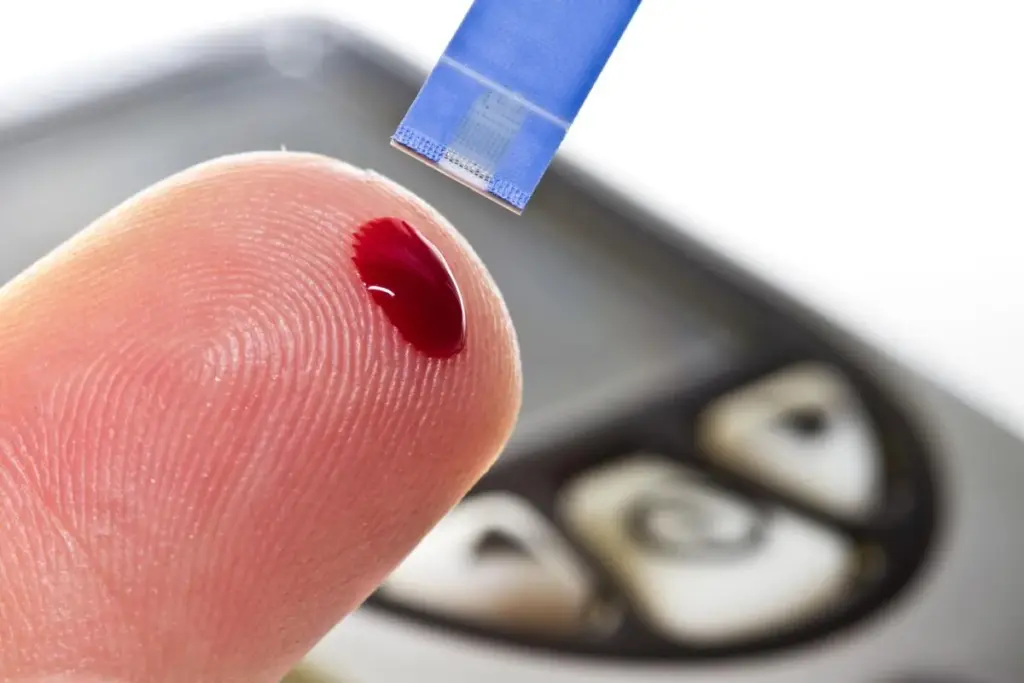
Hyperosmolar Hyperglycemic State (HHS) is a serious condition that can be deadly. It happens when blood sugar gets too high and the body loses too much water. It mostly affects people with type 2 diabetes. Spotting HHS symptoms early is key to avoiding serious problems and helping patients get better.
At Liv Hospital, we focus on teaching people about HHS and how it’s different from other diabetes emergencies. We care deeply about our patients and use the latest medical knowledge to help them. This ensures they get the best care possible.
Knowing the 7 main symptoms of HHS can save lives. We aim to give diabetic patients the tools and support they need to manage their diabetes well.
Key Takeaways
- Hyperosmolar Hyperglycemic State (HHS) is a serious complication of diabetes.
- HHS is characterized by extremely high blood sugar levels and severe dehydration.
- Recognizing HHS symptoms early is key to improving patient outcomes.
- Liv Hospital provides complete care for diabetic patients.
- Understanding HHS is essential for managing diabetes effectively.
Understanding Hyperosmolar Hyperglycemic State in Diabetes

Diabetes patients face a serious risk of Hyperosmolar Hyperglycemic State. This condition is marked by extremely high blood sugar levels. It’s defined by a blood sugar level over 600 mg/dL and high serum osmolarity without significant ketoacidosis.
Key Characteristics of HHS:
- Severe hyperglycemia
- High serum osmolarity
- Absence of significant ketosis
- Often presents with confusion and neurological symptoms
HHS is more common in type 2 diabetes. It can be triggered by infections, not enough insulin, and some medications. Knowing these triggers is key to preventing and treating it early.
Precipitating Factors for HHS:
- Infections such as pneumonia or urinary tract infections
- Inadequate or missed insulin doses
- Certain medications like corticosteroids and diuretics
- Other acute medical conditions like stroke or myocardial infarction
Distinguishing HHS from Diabetic Ketoacidosis (DKA) is important. Both have high blood sugar, but DKA has ketoacids. HHS does not.
Spotting HHS early is critical for managing it well. We’ll look at the important symptoms to watch for next. This will help in early detection and treatment of this dangerous condition.
Recognizing the 7 Critical HHS Symptoms

Knowing the key symptoms of Hyperosmolar Hyperglycemic State (HHS) is key for better care of diabetes patients. We will list the 7 critical signs that patients and caregivers should watch for. This ensures quick medical help when needed.
Dangerously Elevated Blood Sugar Levels
Extremely high blood glucose levels are a main symptom of HHS, often over 600 mg/dL. This severe high blood sugar causes dehydration and imbalances in electrolytes. It’s vital for diabetic patients to check their blood sugar often to catch dangerous highs early.
Extreme Thirst (Polydipsia)
As the body tries to get rid of extra glucose through urine, patients feel intense thirst, or polydipsia. This symptom is a direct result of dehydration from high blood sugar. If you or someone you know can’t stop drinking water, it’s a sign to seek help right away.
Excessive Frequent Urination (Polyuria)
High blood glucose levels cause polyuria, or frequent urination, as the body tries to get rid of extra sugar. This symptom can mess up daily activities and sleep. Recognizing the link between polyuria and HHS can help diabetic patients get medical help.
Altered Mental Status and Confusion
HHS can lead to neurological symptoms like confusion, altered mental status, and even coma in severe cases. These symptoms happen because of severe dehydration and imbalances in electrolytes affecting the brain. Any sudden change in mental status needs immediate medical check-up.
Dry Mouth and Dehydration
The mix of polyuria and polydipsia causes significant dehydration, showing as dry mouth and other dehydration signs. We must tackle dehydration quickly to avoid more problems.
Blurred Vision
High blood sugar can make the lens in the eye swell, causing blurred vision. This symptom can be scary and shows the need for quick blood sugar control.
Weakness or Paralysis and Neurological Signs
In some cases, HHS can lead to weakness or paralysis and other neurological signs like seizures and tremors. These severe symptoms need urgent medical care to avoid lasting damage.
By knowing these 7 critical symptoms of HHS, diabetic patients and their caregivers can act fast to manage the condition and avoid severe complications. It’s important to be alert to these signs and seek medical help when needed.
Conclusion
It’s important for diabetic patients to understand Hyperosmolar Hyperglycemic State (HHS). This condition is serious and needs quick action to avoid serious problems.
We’ve talked about the 7 main signs of HHS. These include very high blood sugar, extreme thirst, and a lot of urination. Also, changes in how you think or feel are signs. Spotting these symptoms early is key to managing diabetes.
Diabetic patients should know these signs and get help right away if they see them. Doctors and nurses are key in teaching patients about HHS. They help prevent serious issues by acting fast.
FAQ
What is Hyperosmolar Hyperglycemic State (HHS)?
HHS is a serious diabetes complication with extreme hyperglycemia, severe dehydration, high plasma osmolality, and minimal ketosis.
How does HHS differ from Diabetic Ketoacidosis (DKA)?
HHS features higher blood glucose, severe dehydration, minimal ketones, and slower onset, while DKA involves ketoacidosis with moderate hyperglycemia.
What are the common precipitating factors for HHS?
Common triggers include infections, acute illness, surgery, medications like steroids or diuretics, and dehydration.
What are the symptoms of HHS that I should be aware of?
Symptoms include extreme thirst, frequent urination, dry mouth, confusion, lethargy, weakness, and possible seizures or coma.
How is HHS diagnosed?
Diagnosis is based on very high blood glucose (>600 mg/dL), plasma osmolality >320 mOsm/kg, minimal ketones, and clinical dehydration.
What is the treatment for HHS?
Treatment involves aggressive IV fluids, insulin therapy, electrolyte replacement, and addressing underlying causes.
Can HHS be prevented?
Yes, through proper blood sugar control, hydration, monitoring during illness, and managing diabetes triggers.
What is the role of healthcare providers in managing HHS?
Healthcare providers monitor fluids, electrolytes, glucose, and mental status, administer treatment, and manage underlying triggers to prevent complications.
What is hyperosmolarity in the context of HHS?
Hyperosmolarity refers to abnormally high blood solute concentration due to extreme hyperglycemia and dehydration.
Is HHS a complication of diabetes?
Yes, HHS is a serious, potentially life-threatening complication of diabetes, most often seen in type 2 diabetes.
References
he JBDS HHS care pathway consists of 3 themes (clinical assessment and monitoring, interventions, assessments and prevention of harm) and 5 phases of https://pmc.ncbi.nlm.nih.gov/articles/PMC10107355/



 Departments
 Related Videos
 Our Doctors
 News
News