

Cerebral edema, or swollen brain, is a serious condition. It happens when too much fluid builds up in the brain. This can cause permanent damage or even death. At Liv Hospital, we know how serious this is and how important it is to act fast.
Many things can cause cerebral edema. These include brain injury, stroke, infection, tumor, and high altitude. It’s key to spot the signs of brain edema early. This can help manage it, which might include using medicines, hyperventilation, or surgery.
We aim to give top-notch healthcare to everyone, including international patients. It’s vital for patients and their families to know the symptoms of swelling of the brain. They should also understand how to reduce swelling in brain.
Key Takeaways
- Cerebral edema is a serious condition that requires immediate medical attention.
- Various factors can cause brain edema, including injury, stroke, and infection.
- Recognizing symptoms is key for effective management.
- Treatment options include medicines, hyperventilation, and surgery.
- Acting quickly is critical to avoid permanent damage.
Understanding Cerebral Edema: What Happens When Your Brain Swells
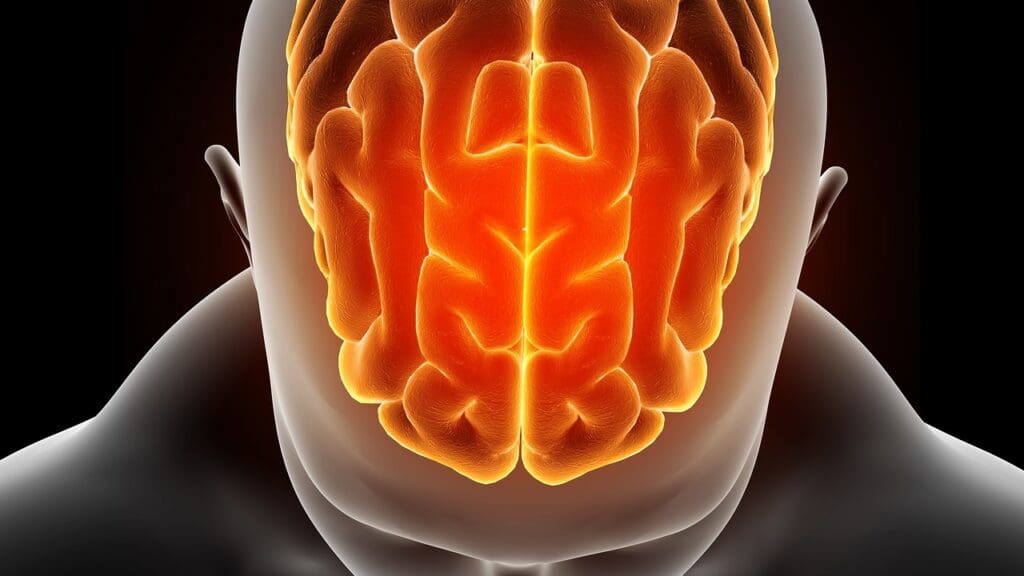
Cerebral edema is a serious condition that can happen for many reasons. It can be caused by a head injury, stroke, or infection. It happens when fluid builds up in brain cells, raising pressure inside the skull.
The Physiology of Brain Swelling
Brain swelling is a complex process. It starts when the brain gets injured and fluid builds up. This swelling can push the brain’s tissue against the skull, causing damage. A study on NCBI explains how understanding these changes helps manage cerebral edema.
Types of Cerebral Edema
Cerebral edema can be divided into several types. Vasogenic edema happens when the blood-brain barrier breaks down. Cytotoxic edema is caused by cell swelling from injury. Interstitial edema occurs when fluid builds up in the brain’s spaces.
| Type of Edema | Cause | Characteristics |
|---|---|---|
| Vasogenic | Breakdown of blood-brain barrier | Fluid accumulation in brain tissue |
| Cytotoxic | Cellular swelling due to injury | Swelling of brain cells |
| Interstitial | Accumulation of fluid in interstitial space | Fluid buildup in brain’s interstitial space |
Why Brain Swelling Is a Medical Emergency
Brain swelling is a medical emergency. It can lead to severe damage and even death if not treated quickly. Increased pressure can cause brain damage and, if untreated, can lead to brain herniation.
“Prompt recognition and treatment of cerebral edema are critical to preventing long-term neurological damage and improving patient outcomes.” – Medical Expert
We know cerebral edema is a serious issue that needs immediate care. By understanding its causes and urgency, we can manage this dangerous condition better.
The 7 Critical Signs of Swollen Brain You Shouldn’t Ignore
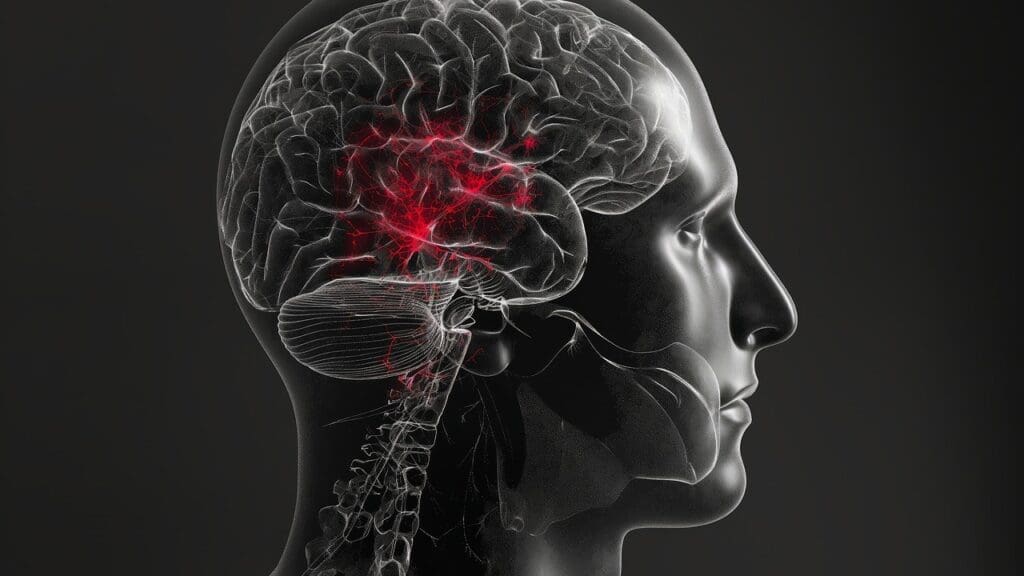
It’s vital to know the warning signs of a swollen brain for quick medical help. Brain swelling can cause serious health problems. Knowing these signs can save lives.
Severe and Persistent Headaches
A severe and ongoing headache is often the first sign of brain swelling. This headache feels more intense than usual and may feel like pressure in your head. Not all headaches mean brain swelling, but a severe one needs medical attention.
Nausea and Vomiting Without Clear Cause
Nausea and vomiting without a clear reason can be signs of brain swelling. These symptoms without a clear cause might mean increased pressure in the brain. Watching these symptoms closely and getting medical help if they don’t go away is important.
Vision Disturbances and Sensitivity to Light
Vision problems like blurred vision, double vision, or light sensitivity can be signs of a swollen brain. Swelling can put pressure on vision nerves. If you notice these symptoms, seeing a doctor is essential.
Cognitive Changes and Memory Issues
Cognitive changes like confusion, disorientation, and memory problems can be signs of brain swelling. Swelling can affect brain areas responsible for these functions. It’s important to watch for these changes and tell a healthcare provider.
Speech Difficulties and Communication Problems
Difficulty speaking or understanding speech can be a sign of brain swelling. Swelling can affect brain areas for language. If you or someone you know has sudden speech problems, get medical help right away.
Balance Issues and Dizziness
Balance problems and dizziness can be signs of brain swelling. Swelling can make it hard for the brain to keep balance and coordination. If you have ongoing dizziness or balance issues, seeing a healthcare professional is key.
Loss of Consciousness and Altered Mental State
In severe cases, brain swelling can cause loss of consciousness or changes in mental state. This is a medical emergency needing immediate care. If someone loses consciousness or shows big changes in mental state, call emergency services right away.
Knowing these seven signs can help you or your loved ones spot problems early. Quick action and treatment for brain swelling can greatly improve outcomes. It’s critical to stay alert and seek medical help when needed.
Additional Symptoms That May Indicate Brain Edema
It’s important to know the signs of brain edema early. Some symptoms are common, but others are less obvious. Yet, they are just as important for quick action.
Seizures and Convulsions
Seizures can show brain edema, mainly if it presses on brain areas that control movement or electrical signals. We should take seizures seriously. They can mean the pressure inside the skull is too high.
Neck Pain and Stiffness
Neck pain and stiffness might happen with brain edema. This is because the swelling can irritate the meninges. These are the protective layers around the brain and spinal cord. Seeing a doctor right away is important.
Right Side Head Swelling and Its Significance
Swelling on one side of the head, like the right side, might mean localized brain edema or other pressure issues. Finding out why the swelling happens quickly is key.
Changes in Breathing Patterns
Changes in how we breathe can be a sign of severe brain edema. This is true if the swelling hits the brainstem. The brainstem controls breathing and other vital functions. This symptom needs urgent medical care.
What Causes Brain Swelling in Adults
Brain swelling in adults can happen for many reasons. It can be due to injuries or infections. Knowing why it happens helps us find ways to prevent it and get help fast.
Traumatic Brain Injury (TBI)
Traumatic brain injury is a big reason for brain swelling. It happens when the brain gets hurt, like in a car crash. Getting medical help right away is key to avoid serious swelling.
Stroke and Cerebrovascular Events
Strokes and other brain problems can also cause swelling. This is because the brain doesn’t get enough blood. Acting fast to treat these issues is important to prevent damage.
Infections Affecting the Brain
Infections like meningitis and encephalitis can make the brain swell. These are usually caused by germs and need quick treatment. Doctors might give antibiotics or antiviral meds to fight the infection.
Brain Tumors and Mass Effects
Brain tumors can also cause swelling. They take up space and press on the brain. This might need surgery or other treatments to fix.
High Altitude Cerebral Edema
High altitude cerebral edema (HACE) is very dangerous. It happens when people go too high too fast. Symptoms include headaches and feeling confused. Going down to a lower place and getting medical help is urgent.
Knowing why brain swelling happens is the first step to stop it and treat it. If you or someone you know has symptoms, get medical help right away.
How Medical Professionals Diagnose Brain Edema
Doctors use many tools to find brain edema and figure out why it’s happening. Finding brain edema right is key to making a good treatment plan.
Advanced Imaging Techniques
Advanced imaging is key in finding brain edema. These methods give clear pictures of the brain. They help doctors see swelling and what’s causing it.
CT Scans for Rapid Assessment
CT scans are often the first choice in emergencies. They’re fast and can spot problems like bleeding or tumors that cause swelling.
MRI for Detailed Evaluation
MRI scans show more detail than CT scans. They’re great for seeing how bad the swelling is and finding small changes in the brain.
Laboratory Tests and Biomarkers
Blood tests and cerebrospinal fluid analysis give clues about what’s causing the swelling. This can be infections or inflammation.
Neurological Examinations and Lumbar Puncture
A detailed check-up helps doctors understand how bad the swelling is and how it affects the brain. Sometimes, a lumbar puncture is done to check pressure or analyze fluid.
By using all these methods, doctors can accurately find brain edema. Then, they can make a good plan to treat it.
Medical Treatments for Brain Oedema
Managing cerebral edema requires a variety of medical treatments. These aim to lower the pressure inside the skull. We’ll look at how to tackle brain swelling, from medicines to surgery.
Medication-Based Approaches
Medicines are key in treating cerebral edema. We use different drugs to shrink the brain and ease symptoms.
Diuretics to Reduce Fluid
Diuretics help get rid of extra fluid in the brain. This lowers the pressure inside the skull. They are important in managing brain swelling.
Corticosteroids for Inflammation
Corticosteroids fight inflammation in the brain. They help reduce swelling and prevent more damage.
Osmotherapy Techniques
Osmotherapy uses special agents to shrink the brain. These agents pull out extra fluid, lowering pressure inside the skull.
| Osmotic Agent | Mechanism of Action | Clinical Use |
|---|---|---|
| Mannitol | Creates an osmotic gradient to draw fluid out of the brain | Commonly used in acute cerebral edema |
| Hypertonic Saline | Increases serum osmolality to reduce brain swelling | Used in refractory intracranial hypertension |
Ventilation Management Strategies
Managing ventilation is vital for patients with cerebral edema. It’s important to keep the airways open and carbon dioxide levels normal. This helps control the pressure inside the skull.
Surgical Interventions for Severe Cases
In severe cases, surgery may be needed. Procedures like decompressive craniectomy can save lives. They give the brain more room, lowering pressure.
Understanding the treatments for brain oedema helps us manage it better. The right treatment depends on the cause, how severe it is, and the patient’s needs.
How to Reduce Swelling in Brain: Supportive Care Strategies
Supportive care is key in managing cerebral edema. It helps reduce brain swelling and improves patient outcomes. These strategies work alongside medical treatments to enhance care.
Proper Positioning and Head Elevation
Proper positioning and head elevation are vital. Elevating the head to 30 degrees can lower intracranial pressure. This helps by promoting venous drainage and reducing brain swelling.
Temperature Management
Keeping the body temperature normal is important. Hyperthermia can worsen brain injury. We use cooling measures or antipyretic medications to maintain a normal temperature.
Blood Pressure Control
Controlling blood pressure is critical. Both high and low blood pressure can harm. We aim to keep blood pressure in a safe range for proper cerebral perfusion.
Glucose Management
Managing blood sugar is also key. Both high and low blood sugar can harm patients with cerebral edema. We closely monitor blood glucose and use insulin as needed to keep it normal.
Seizure Prevention
Preventing seizures is important. We use antiepileptic medications to prevent seizures in high-risk patients. This helps avoid increasing ICP and worsening brain edema.
| Supportive Care Measure | Purpose | Implementation |
|---|---|---|
| Proper Positioning and Head Elevation | Reduce ICP and promote venous drainage | Elevate head of bed to 30 degrees |
| Temperature Management | Prevent hyperthermia from exacerbating brain injury | Use cooling measures or antipyretic medications |
| Blood Pressure Control | Maintain adequate cerebral perfusion without exacerbating edema | Monitor and manage blood pressure within target range |
| Glucose Management | Prevent hyperglycemia and hypoglycemia from impacting outcomes | Monitor blood glucose and use insulin as necessary |
| Seizure Prevention | Prevent seizures from increasing ICP and worsening edema | Use antiepileptic medications prophylactically in high-risk patients |
When to Seek Emergency Medical Attention
Knowing when to get emergency care is key to better brain edema outcomes. We need to watch for red flag symptoms that mean we must get help fast to avoid more brain damage.
Red Flag Symptoms Requiring Immediate Care
Some symptoms are very serious and could be life-threatening. These include:
- Severe and persistent headache
- Confusion or altered mental state
- Loss of consciousness
- Seizures or convulsions
- Weakness or numbness in parts of the body
If you or someone else has these symptoms, act fast. Call emergency services right away if you see any of these red flags.
What to Tell Emergency Responders
When you call for emergency help, give as much info as you can. This includes:
| Information to Provide | Details |
|---|---|
| Symptoms | Describe the symptoms, their severity, and when they started |
| Medical History | Mention any pre-existing conditions, allergies, and current medications |
The Critical Time Window for Treatment
The sooner treatment starts, the less brain damage there will be. Time is brain is a saying that shows how urgent it is to act fast.
Doctors say, “Early intervention is key to managing brain edema effectively.”
“The window for effective treatment is narrow, making immediate action critical.”
We all need to watch for brain edema signs and get medical help quickly if we or someone we know has severe symptoms.
Recent Advances in Brain Edema Research and Treatment
In recent years, brain edema research has made big strides. This brings new hope to those suffering from it. New treatments are being developed, helping patients live better lives.
New Medications and Therapeutic Approaches
New medicines and treatments are being explored. For example, osmotherapy with new agents might reduce brain swelling better. Also, anti-inflammatory therapies are being studied for their role in managing cerebral edema.
Improved Monitoring Techniques
Monitoring brain edema has gotten better too. Continuous intracranial pressure monitoring lets doctors watch brain swelling closely.
Promising Clinical Trials
Clinical trials are testing new treatments for brain edema. They look at decompressive craniectomy for severe swelling. They also study therapeutic hypothermia for its benefits.
Future Directions in Cerebral Edema Management
The future of managing brain edema looks promising. Treatments will likely be more personalized. The table below shows the latest advances and what’s coming next in brain edema research and treatment.
| Area of Research | Current Advances | Future Directions |
|---|---|---|
| New Medications | Osmotherapy, anti-inflammatory therapies | Personalized medicine approaches |
| Monitoring Techniques | Continuous ICP monitoring, advanced imaging | Integration of AI in monitoring systems |
| Clinical Trials | Decompressive craniectomy, therapeutic hypothermia | Multicenter trials for rare conditions |
As research keeps moving forward, patients with brain edema will see better outcomes. Healthcare providers will be able to give the best care possible. This is thanks to the ongoing work in this field.
Conclusion: Taking Brain Swelling Seriously
Cerebral edema is a serious condition that needs quick action. We’ve looked at the signs of brain swelling, its causes, how it’s diagnosed, and how it’s treated. Knowing how to spot brain edema is key to better patient care.
Brain swelling can happen for many reasons, like head injuries, strokes, or infections. It’s very serious and can cause lasting harm if not treated right away. Knowing about cerebral edema helps catch it early and manage it better.
By knowing the symptoms and getting help fast, people can have a better chance of getting better. We stress the importance of learning more about brain swelling. This knowledge helps those affected get the right care. Spotting the signs and knowing the treatment options can greatly help in managing cerebral edema.
What are the symptoms of brain edema?
Symptoms include severe headaches, nausea, and vomiting. You might also see vision changes, trouble speaking, and balance issues. If you lose consciousness, seek help right away.
How do you know if your brain is swollen?
Look out for headaches, confusion, and trouble speaking. These signs mean you should see a doctor. We use MRI or CT scans to check for swelling.
What causes brain swelling in adults?
It can happen from injuries, strokes, infections, tumors, or high altitude. Knowing why it happens helps us treat it better.
How is brain edema treated?
We use medicines, special treatments, and sometimes surgery. Our team will decide the best treatment for you.
What can I do to reduce swelling in my brain?
Try proper positioning, managing temperature, and controlling blood pressure. We’ll teach you how to help your brain.
When should I seek emergency medical attention for brain swelling?
Get help fast if you have a bad headache, confusion, or can’t wake up. Quick action is key.
Can brain edema be cured?
Yes, with the right treatment, you can manage brain edema. Our team will help you get better.
What are the latest advancements in brain edema research?
New medicines and better ways to monitor are coming. We’re always learning to help you.
Why does it feel like my brain is swelling?
It might be due to pressure changes. See a doctor to find out why.
What is right side head swelling, and is it related to brain edema?
Swelling on one side could mean localized edema or other issues. A doctor’s check-up is needed to figure it out
References
- NCBI Bookshelf (Cerebral Edema) : https://www.ncbi.nlm.nih.gov/books/NBK537272
- Medical News Today (What to know about cerebral edema) : https://www.medicalnewstoday.com/articles/322475
- Wikipedia (Cerebral edema) : https://en.wikipedia.org/wiki/Cerebral_edema
- NHS (Encephalitis) : https://www.nhs.uk/conditions/encephalitis