
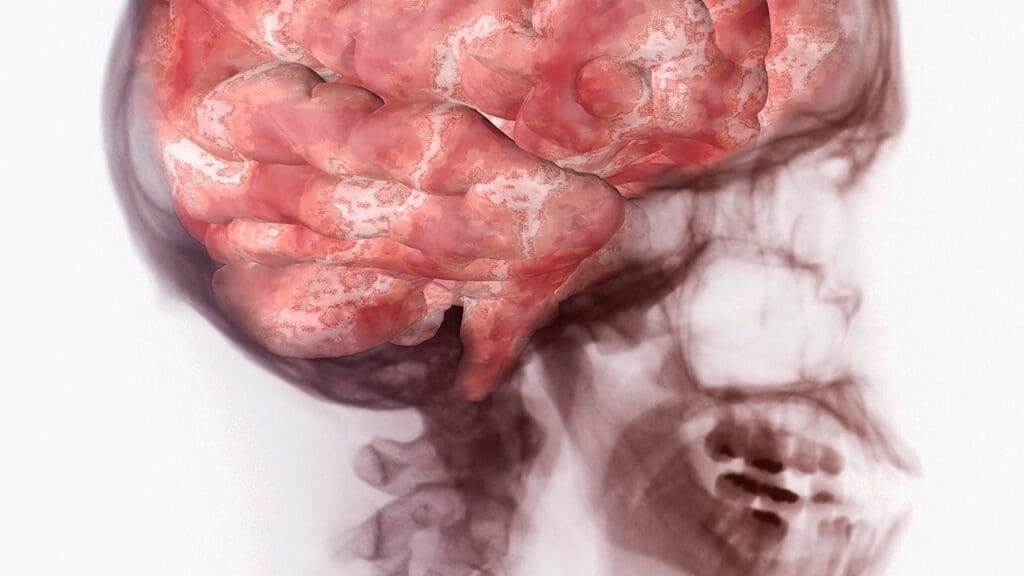
A cyst of the brain is a fluid-filled sac inside the brain. It can cause health issues, some mild, others serious. It’s important to know the difference.
The signs of a brain cyst vary. They depend on where and how big the cyst is. Symptoms like headaches, changes in how you think or feel, or vision problems might mean something serious.
At Liv Hospital, we know how critical it is to spot these signs early. Our team is ready to help with top-notch care. We support patients from all over the world.
Key Takeaways
- Spotting brain cyst symptoms early is key to managing them well.
- The cyst’s size and location affect how bad the symptoms are.
- Getting medical help quickly can make a big difference.
- Liv Hospital offers expert, patient-focused care for brain health.
- Knowing when to get urgent care is important to avoid serious problems.
What Is a Brain Cyst? Definition and Overview
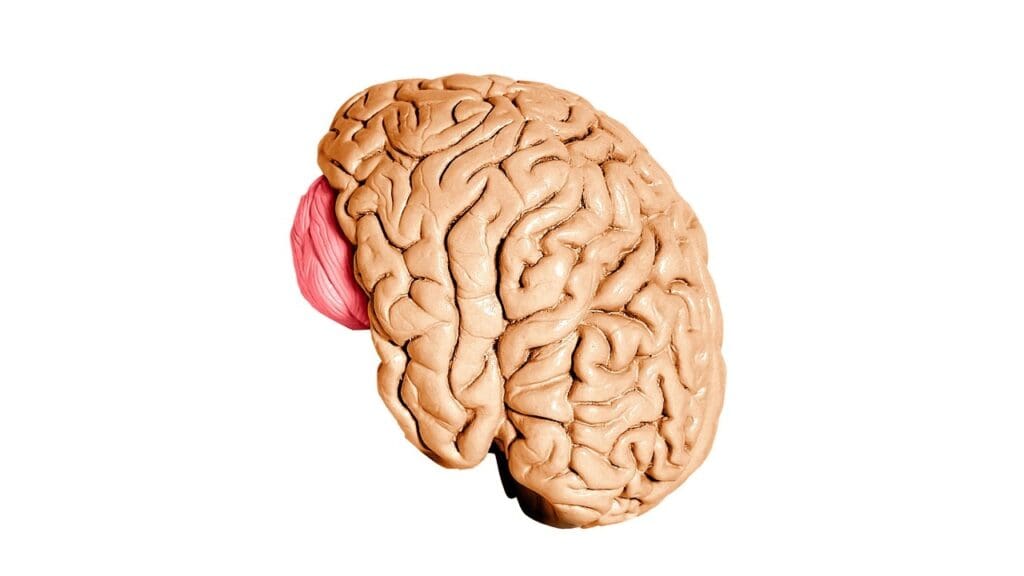
A brain cyst is an abnormal fluid-filled structure in the brain. It can be harmless or cause problems. These cysts are fluid-filled sacs that can appear in different parts of the brain. Their impact depends on where they are, how big they are, and what they’re like.
Fluid-Filled Sacs in Brain Tissue
Brain cysts form when fluid builds up in the brain, creating a sac-like structure. These sacs can pop up in different brain areas. They can cause health issues, depending on where they are and how big they get. The fluid inside these cysts is usually like cerebrospinal fluid.
Benign vs. Problematic Cysts
Not all brain cysts are a big deal. Some are benign and don’t need treatment. But others can cause serious health problems because of where they are or how big they are. Whether a cyst is a problem depends on if it’s growing or pressing on the brain around it.
- Benign cysts: Often don’t cause symptoms and might not need treatment.
- Problematic cysts: Can cause symptoms because of their size, location, or effect on the brain around them.
Prevalence and General Outlook
Brain cysts can happen to people of all ages and backgrounds. Some people are born with them, while others get them later in life. The outlook for someone with a brain cyst depends on what the cyst is like and if they have symptoms.
It’s important to understand brain cysts to know how to handle them. This helps ensure the best outcome for those affected.
Common Types of Brain Cysts and Their Characteristics

It’s important to know about the different brain cysts to get the right treatment. These cysts vary by location, origin, and other features.
Arachnoid Cysts
Arachnoid cysts are fluid-filled sacs found between the brain or spinal cord and the arachnoid membrane. They are usually harmless but can cause problems if they press on the brain.
Pineal Cysts
Pineal cysts are cysts in the pineal gland, a small gland in the brain. Most don’t cause symptoms, but big ones might lead to headaches or vision issues.
Other Types of Cerebral Cysts
There are other kinds too:
- Frontal lobe cysts, which can mess with motor skills and thinking.
- Epidermoid cysts, which are rare and mostly harmless.
- Colloid cysts, which can block fluid flow in the brain.
Each cyst type has its own traits and how it affects the brain can vary.
The 7 Key Symptoms of Brain Cyst You Should Know
Knowing the symptoms of brain cysts is key for quick medical help. Brain cysts can cause many symptoms because of their size and where they are in the brain. We’ll list the main symptoms to help you get the right medical care.
1. Persistent Headaches
One common symptom is persistent headaches. These headaches happen when the cyst presses on the brain. If you have frequent or severe headaches, see a doctor.
2. Nausea and Vomiting
Nausea and vomiting are also common symptoms. These happen because the cyst increases pressure in the brain. If you keep feeling sick, get medical help.
3. Seizures and Epileptic Episodes
Brain cysts can sometimes cause seizures or epileptic episodes. This is because the cyst irritates the brain. If you have a seizure, get medical help right away.
4. Vision and Hearing Changes
Changes in vision or hearing can also be symptoms. These might include blurred vision, double vision, or hearing loss. If your vision or hearing changes suddenly, see a doctor.
5. Muscle Weakness and Coordination Problems
Muscle weakness and coordination problems can happen if the cyst affects the brain’s motor control areas. Symptoms include weak limbs, trouble walking, or losing coordination. These symptoms need a medical check-up.
6. Behavioral and Cognitive Changes
Brain cysts can also cause behavioral and cognitive changes. These might include mood swings, memory issues, or trouble concentrating. These changes are important signs of a brain cyst. For more info, visit Cedars-Sinai’s health library.
7. Balance and Dizziness Issues
Lastly, balance and dizziness issues can be symptoms of brain cysts. This is true if the cyst is in areas that affect balance. If you have persistent dizziness or balance problems, see a doctor.
The symptoms of brain cysts can differ based on their location and size. Knowing these symptoms helps you get medical care early. This can prevent serious problems.
How Location Affects Brain Cyst Symptoms
The symptoms of a brain cyst depend on where it is in the brain. Each part of the brain controls different things. So, a cyst in one area can mess with that function.
Frontal Lobe Cysts and Their Specific Effects
Cysts in the frontal lobe can change how you act and move. Frontal lobe cysts might make it hard to decide things, change your mood, or weaken your muscles.
Other Brain Regions and Associated Symptoms
Cysts in other parts of the brain can cause different problems. For example:
| Brain Region | Possible Symptoms |
|---|---|
| Temporal Lobe | Seizures, memory issues |
| Parietal Lobe | Sensory disturbances, difficulty with spatial awareness |
| Occipital Lobe | Vision problems, including blindness |
Size Considerations and Symptom Severity
The size of a brain cyst also matters. Bigger cysts can put more pressure on the brain. This can make symptoms worse.
Dealing with a brain cyst is tough. Our team is here to help. We offer care and support to help you through this.
Do Cysts in the Brain Always Cause Headaches?
Headaches are a common symptom of brain cysts, but not always. The link between brain cysts and headaches is complex.
The Relationship Between Cysts and Headache Pain
Not all brain cysts lead to headaches. Several factors influence this, like the cyst’s size and location. Also, if it presses on brain tissue nearby.
Arachnoid cysts are more likely to cause headaches if they’re big enough to press on nearby structures.
Types of Headaches Associated with Brain Cysts
Headaches with brain cysts can differ in type and intensity. Some people might get:
- Migraine-like headaches
- Tension headaches
- Cluster headaches
The type of headache can hint at the cyst’s nature.
| Headache Type | Characteristics | Possible Association with Brain Cysts |
|---|---|---|
| Migraine | Severe, throbbing pain, often unilateral | May be associated with cysts causing significant pressure |
| Tension | Dull, band-like pressure around the head | Could be related to cysts causing mild increased intracranial pressure |
When Headaches Signal a Serious Problem
Not all headaches are a worry, but some are. A sudden, severe headache might mean a cyst has ruptured or there’s another serious problem.
“A sudden, severe headache is a red flag that requires immediate medical attention.”
It’s important to see a doctor if you have unusual or severe headaches.
Diagnosing a Cyst in Your Brain: The Process
Diagnosing a brain cyst is a detailed process. It starts with an initial check-up, a neurological exam, and advanced imaging. This can be a complex and worrying time for patients.
Initial Assessment and Neurological Examination
The first step is a detailed medical history and physical check. Doctors look for signs like headaches, nausea, or problems with movement. They also check how well you think, move, and feel things.
Brain Imaging: MRI and Other Techniques
Brain imaging is key in finding brain cysts. Magnetic Resonance Imaging (MRI) is often used because it shows brain details well. It helps us see the cyst’s size, where it is, and what it looks like. Sometimes, CT scans are used too.
Studies show MRI is a top choice for seeing brain cysts. It’s great for showing soft tissues clearly (source). This helps us figure out the best treatment.
Differential Diagnosis: Ruling Out Other Conditions
It’s important to rule out other conditions that might look like a brain cyst. This includes tumors or abscesses. By looking at symptoms and imaging, we can make a correct diagnosis.
This detailed process helps us give a clear diagnosis. Then, we can create a treatment plan that fits the patient’s needs.
When to Seek Medical Care for Brain Cyst Symptoms
Knowing the warning signs of brain cysts is key to getting timely help. Brain cysts can lead to various symptoms, some of which are urgent. We’ll cover the main signs that mean you should see a doctor.
Emergency Warning Signs Requiring Immediate Attention
Some symptoms are a clear call for emergency care. These include:
- Severe headache that worsens over time
- Sudden confusion or disorientation
- Weakness or numbness in parts of the body
- Vision changes, such as double vision or loss of vision
- Seizures or convulsions
If you or someone you know is showing these signs, get help right away.
Symptoms That Warrant Urgent Consultation
Not all symptoms need emergency care, but some are urgent. These include:
- Persistent headaches that don’t improve with treatment
- Nausea and vomiting
- Dizziness or balance problems
- Changes in behavior or cognitive function
These symptoms are not as severe but need quick attention.
Questions Your Doctor Will Ask
Your doctor will ask several questions to understand your situation. They might ask:
- When did your symptoms start?
- Have you experienced any head trauma recently?
- Do you have a family history of neurological conditions?
What to Tell Your Healthcare Provider
To get the right diagnosis and care, tell your doctor everything. Share your symptoms in detail, including when they started and what makes them better or worse.
Can a Cyst on the Brain Be Life-Threatening?
Brain cysts can be a serious health concern. It’s important to understand their risks. While many are benign and don’t cause big problems, some can lead to severe complications if not treated.
Understanding the Risks of Untreated Brain Cysts
Untreated brain cysts can cause serious issues. These include increased intracranial pressure, hydrocephalus, and brain damage. The risk depends on the cyst’s size, location, and type. Cysts in critical brain areas can cause more severe symptoms.
Complications That May Arise
Some possible complications of brain cysts include:
- Seizures and epilepsy
- Vision and hearing problems
- Cognitive and behavioral changes
- Motor function impairment
Factors That Increase Risk
Several factors can raise the risk of brain cysts. These include the cyst’s size, location, and the patient’s health. Regular monitoring and timely medical intervention are key to reducing these risks. Understanding these risks is vital for effective management and treatment.
Treatment Options for Brain Cysts
Treatment for brain cysts can include watching them, taking medicine, or surgery. The right treatment depends on the cyst’s type, size, where it is, and how it affects you.
Observation and Monitoring Approaches
Watching and checking on a brain cyst is often the first step. Doctors use MRI or CT scans to see how it’s growing. Watching small, harmless cysts is often the best choice.
Medication Management for Symptoms
If a brain cyst causes problems, medicine can help. Anticonvulsants stop seizures, and corticosteroids reduce swelling and headaches. Medicine aims to make life better by easing symptoms.
Surgical Interventions and Techniques
For big, bothersome cysts, surgery might be needed. There are a few ways to do this:
- Craniotomy: This lets doctors directly remove the cyst.
- Endoscopic surgery: A small camera and tools are used to drain or remove the cyst.
- Stereotactic aspiration: A needle is used to drain the cyst, guided by images.
Recovery and Follow-up Care
After treatment, keeping an eye on things is key. This includes watching for the cyst to come back, managing any leftover symptoms, and answering any questions. Recovery plans are made just for you, to help you get better.
Conclusion: Living with a Brain Cyst
Living with a brain cyst means you need to know a lot about it and how to manage it. Studies show that many brain cysts are harmless and can be handled well with the right care. Getting a brain cyst diagnosis can be scary, but knowing the truth and having support can really help.
To manage brain cysts well, you need to keep an eye on them and get treatment if needed. Even if your cyst is harmless, it’s important to follow your doctor’s advice. This way, you can deal with the challenges and keep living well.
It’s key to see a doctor if you have symptoms that might mean something’s wrong or if you’re worried about your cyst. With the right help and care, you can live a happy and fulfilling life even with a brain cyst.
What is a brain cyst?
A brain cyst is a fluid-filled sac in the brain. Some are harmless, but others can be serious.
What are the common types of brain cysts?
There are two main types: arachnoid and pineal cysts. Knowing about them helps doctors diagnose and treat.
What are the symptoms of a brain cyst?
Symptoms include headaches, nausea, and seizures. You might also notice vision or hearing changes, muscle weakness, and mood swings.
Can a brain cyst cause headaches?
Not all cysts cause headaches, but some can be very painful. The pain’s type and intensity vary.
How is a brain cyst diagnosed?
Diagnosis starts with a check-up and brain scans like MRI. These help doctors see the cyst.
When should I seek medical care for brain cyst symptoms?
See a doctor right away for severe headaches, confusion, or trouble speaking. Also, seek help for seizures, vision changes, and muscle weakness.
Can a cyst on the brain be life-threatening?
Yes, untreated cysts can be serious. It’s important to get medical help quickly to avoid risks.
What are the treatment options for brain cysts?
Treatments include watching the cyst, taking medicine, or surgery. The best option depends on the cyst’s size and location.
What does it mean to live with a brain cyst?
Living with a cyst means ongoing care. Some cysts need regular check-ups and treatment to manage symptoms.
Are brain cysts always symptomatic?
No, some cysts are found by chance during tests for other reasons.
Can a frontal lobe cyst cause specific symptoms?
Yes, frontal lobe cysts can affect behavior, thinking, and movement.
How does the size of a brain cyst affect symptoms?
The cyst’s size can affect symptoms. Bigger cysts can put more pressure on the brain, leading to more severe symptoms.
References
- UCHealth (Brain Cyst) : https://www.uchealth.com/en/conditions/brain-cyst
- UNC Neurosurgery (Brain Cyst Treatment) : https://www.med.unc.edu/neurosurgery/services/pedsneuro/brain-cyst-treatment-unc-pediatric-neurosurgery
- Center for Neurosciences, Orthopaedics, & Rehabilitation (Cysts Overview) : https://www.cnsomd.com/surgery-conditions/brain-tumors/cysts-overview
- Astra Neuro (Brain Cyst Neurosurgeon) : https://www.astraneuro.com/brain-cyst-neurosurgeon-los-angeles-encino-ca
- Barrow Neurological Institute (Pineal Cyst) : https://www.barrowneuro.org/condition/pineal-cyst



 Departments
 Related Videos
 Our Doctors
 News
News