

Cholera is a serious disease caused by Vibrio cholerae. It can be deadly in just hours if not treated. The main symptom is watery diarrhea that looks like rice water.
Knowing the signs and symptoms of cholera is key. They show up 1 to 5 days after you get infected. At Liv Hospital, we offer top-notch care to fight this disease.
Key Takeaways
- Cholera is an acute bacterial enteric disease caused by Vibrio cholerae O1 and O139 strains.
- Symptoms include painless, profuse watery diarrhea often resembling rice water.
- Dehydration can develop rapidly, leading to severe complications if not treated promptly.
- Understanding the signs and symptoms is critical for early intervention.
- Proper treatment can significantly reduce the risk of severe outcomes.
Understanding Cholera: Causes and Transmission
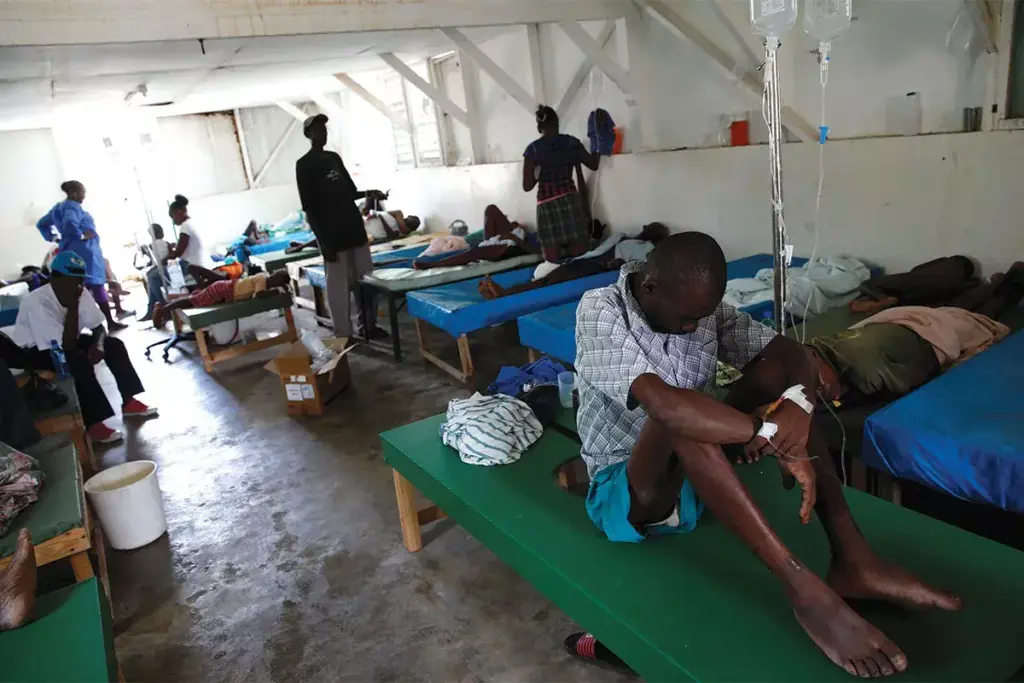
It’s important to know how cholera spreads to stop outbreaks and treat the disease well. Cholera is caused by Vibrio cholerae bacteria. It’s a disease that can cause severe dehydration and even death if not treated.
What is Vibrio Cholerae and How It Affects the Body
Vibrio cholerae infects the small intestine. It makes the body lose a lot of salt and water. This leads to “rice water stools,” which are pale and milky with mucus flecks.
People with low stomach acid are more likely to get cholera. This is because Vibrio cholerae can’t survive in acidic environments. It shows how important our body’s defenses are against this bacterium.
Common Sources of Infection
Cholera is usually caught by eating food or drinking water with Vibrio cholerae. Common places include:
- Contaminated water sources, such as rivers, lakes, or wells.
- Food that has come into contact with contaminated water.
- Raw or undercooked seafood, like shellfish.
Knowing where cholera comes from helps prevent outbreaks. This is very important in places with bad sanitation and hygiene.
Typical Incubation Period Before Symptoms Appear
The time from eating the bacteria to showing symptoms is called the incubation period. It can be a few hours to five days. Usually, symptoms start within 1-2 days. This quick start is a key sign of cholera.
| Incubation Period | Typical Duration | Range |
| Cholera | 1-2 days | A few hours to 5 days |
Knowing how cholera spreads and affects the body is key. It helps us detect and manage the disease early. By understanding Vibrio cholerae transmission, we can prevent and handle cholera outbreaks better.
7 Key Vibrio Cholerae Symptoms to Recognize

Knowing the symptoms of cholera is key to effective treatment. When Vibrio Cholerae infects someone, they may show various symptoms. These symptoms can worsen quickly if not treated fast.
1. Rice Water Stools: The Hallmark Symptom
Rice water stools are a key sign of cholera. They look like the water used to wash rice and are pale and milky. This happens because Vibrio Cholerae releases a toxin. It makes the body lose a lot of water and salts.
2. Severe and Persistent Vomiting
Severe and ongoing vomiting is common in cholera. It can cause more dehydration and upset the body’s salt balance. This makes the situation more serious.
3. Rapid Dehydration Within Hours
Dehydration can happen fast, in just hours after getting sick. Losing fluids and salts can be very dangerous. It’s a serious issue that needs quick treatment.
4. Painful Muscle Cramps
Muscle cramps are a big symptom of cholera. They happen because the body’s salt balance is off. These cramps can be very painful and make it hard to move.
| Symptom | Description | Clinical Impact |
| Rice Water Stools | Pale, milky stool resembling rice water | Significant fluid and electrolyte loss |
| Severe Vomiting | Frequent and persistent vomiting | Further dehydration and electrolyte imbalance |
| Rapid Dehydration | Dehydration within hours of infection | Potentially life-threatening if untreated |
| Muscle Cramps | Painful cramps due to electrolyte imbalance | Debilitating and uncomfortable |
People with cholera may also feel very thirsty and not make much urine. This shows how bad the dehydration is.
Conclusion: Recognizing Symptoms and Seeking Immediate Treatment
It’s key to know the signs of cholera to get help fast. Symptoms include watery stools, severe vomiting, and quick dehydration. These can lead to shock if not treated right away.
Cholera symptoms can get worse fast, causing severe dehydration and even death. But, with quick and proper care, even severe cases can be saved. The World Health Organization says oral rehydration therapy is the best way to treat cholera. For more info, check out the National Center for Biotechnology Information resources.
We stress the need to spot these symptoms early to get medical help fast. This can greatly lower the risk of serious problems and death from cholera. Quick rehydration and antibiotics are key, and acting fast can be a lifesaver.
FAQ
What are the primary symptoms of Vibrio cholerae infection?
The main symptoms are rice water stools, severe vomiting, and dehydration. Muscle cramps are also common. It’s important to seek medical help quickly if you notice these signs.
What is rice water stool, and how is it related to cholera?
Rice water stool is a key sign of cholera. It looks like rice water and is caused by Vibrio cholerae. This leads to a big loss of fluids and salts.
How long does it take for cholera symptoms to appear after infection?
Symptoms of cholera can show up in a few hours to five days. Most people start to feel sick within one to two days.
What are the common sources of Vibrio cholerae infection?
Vibrio cholerae spreads through contaminated food or water. This is often in places with bad sanitation. Sources include untreated water, raw seafood, and food touched by sick people.
Can cholera be treated, and what are the benefits of early intervention?
Yes, cholera can be treated. Early care helps a lot. It includes rehydration and antibiotics. This can prevent serious dehydration and death.
What are the effects of untreated cholera?
Untreated cholera can cause severe dehydration and electrolyte imbalance. It can also lead to shock, organ failure, and death.
How is cholera diagnosed, and what are the signs and symptoms that healthcare providers look for?
Doctors diagnose cholera by looking at symptoms and lab tests. They check for rice water stools, severe vomiting, and dehydration. These signs are key.
Vibrio cholerae infection. In StatPearls (Internet). StatPearls Publishing. https://www.ncbi.nlm.nih.gov/books/NBK526099/