
Type 2 diabetes affects about 34.1 million adults in the U.S. It’s important to manage it well for health. Knowing about over-the-counter options helps people take charge of their health.
Managing Type 2 diabetes needs a full plan. This includes lifestyle changes and the right medication strategies. Over-the-counter diabetic medicines and supplements help control blood sugar. They give people more ways to manage their diabetes.
Key Takeaways
- Understanding OTC options can enhance Type 2 diabetes management.
- Over-the-counter diabetic medicine can support blood sugar control.
- Lifestyle modifications are key, along with medication strategies.
- Empowering patients with knowledge improves health outcomes.
- Non-prescription diabetes medicine can be a valuable addition to prescription treatments.
Understanding Over the Counter Options for Type 2 Diabetes
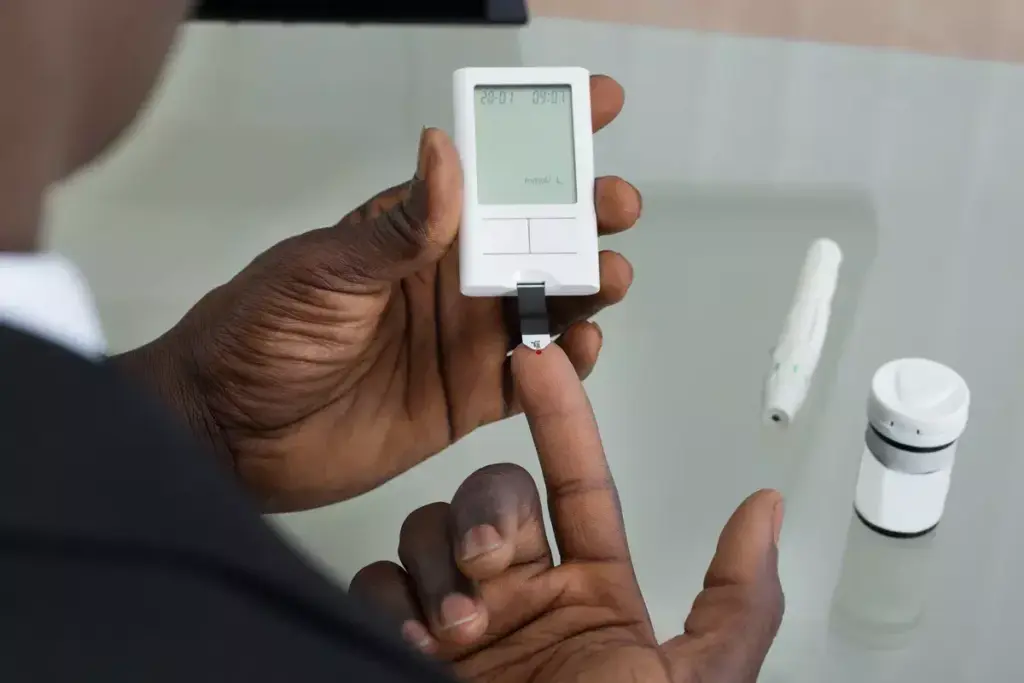
For those with Type 2 diabetes, knowing about over-the-counter (OTC) options is key. These medications and supplements help manage blood sugar levels. They are important for controlling the disease.
Glucose tablets are a common choice for managing diabetes. They quickly raise blood sugar, helping with low blood sugar, or hypoglycemia. They are easy to carry and use in emergencies.
Some supplements, like berberine and cinnamon, are also popular. Berberine, found in plants, helps with glucose metabolism. Cinnamon may lower blood sugar and improve insulin use.
Cinnamon supplements are another option for Type 2 diabetes. They might help lower blood sugar and improve insulin use.
| Supplement | Potential Benefits | Precautions |
| Berberine | Improves glucose metabolism, may lower blood sugar levels | May interact with other medications, consult a healthcare provider |
| Cinnamon | May lower fasting glucose levels, improve insulin sensitivity | Cassia cinnamon may contain coumarin, which can be toxic in large amounts |
| Glucose Tablets | Quickly corrects hypoglycemia | Should be used as directed to avoid excessive glucose intake |
It’s vital for Type 2 diabetes patients to talk to their doctor before trying new supplements. While these options can help, they should not replace prescribed treatments.
7 OTC Diabetes Medications and Supplements for Blood Sugar Management

Managing blood sugar levels is key for those with Type 2 diabetes. Over-the-counter (OTC) supplements can help support this effort. They are not a full replacement for prescribed meds but can offer extra benefits when used right.
1. Berberine
Berberine is found in plants and used in traditional Chinese medicine. Studies show it can lower blood sugar and improve insulin use. “Berberine has a big impact on glucose metabolism,” a study in Metabolism found.
2. Alpha-Lipoic Acid
Alpha-lipoic acid is an antioxidant that may lower blood sugar and improve insulin use. It’s also used for diabetic neuropathy. Research shows it can aid in weight management, which is good for Type 2 diabetes.
3. Cinnamon Supplements
Cinnamon supplements are popular for their blood sugar-lowering effects. Cinnamon’s active part, cinnamaldehyde, is thought to have anti-diabetic properties. “Cinnamon can modestly lower blood glucose levels,” a Journal of Medicinal Food review found.
4. Magnesium
Magnesium is vital for glucose metabolism and insulin sensitivity. Many with Type 2 diabetes lack magnesium, making supplements helpful. Research shows magnesium can improve blood sugar control and lower diabetes risks.
Always talk to a healthcare provider before starting new supplements. They can interact with meds or cause side effects. Adding these OTC supplements wisely can help manage blood sugar for those with Type 2 diabetes.
Safety Considerations: OTC Cold and Allergy Medications for Diabetics
Diabetics should be careful when picking OTC cold and allergy meds. These can affect blood sugar levels. It’s important to choose safe options for diabetics.
Decongestants and Blood Sugar Levels
Decongestants are in many cold and allergy meds. But, they can raise blood sugar levels. Decongestants like pseudoephedrine and phenylephrine can make it hard for diabetics to control their blood sugar.
These meds stimulate the body in ways that increase blood glucose. Diabetics should watch their blood sugar closely when using these products.
Choosing Diabetes-Safe Cold Medicine
So, how do diabetics pick the right cold medicine? Here are some tips:
- Read labels carefully: Look for decongestants and other bad ingredients.
- Opt for sugar-free or low-sugar options: These are better for diabetics.
- Consider non-medicated alternatives: Simple remedies like saline sprays or humidifiers work well without risks.
- Consult a healthcare professional: Always ask a doctor or pharmacist for advice.
By being informed and careful, diabetics can handle cold and allergy symptoms well. This way, they can keep their blood sugar in check.
Conclusion
Managing type 2 diabetes well needs a full plan, including lifestyle changes and sometimes medicine. Over-the-counter (OTC) diabetes meds and supplements can help with blood sugar control.
Supplements like berberine, alpha-lipoic acid, cinnamon, and magnesium might help keep blood sugar in check. But, always talk to a doctor before trying new supplements. They can affect other medicines or cause problems in some people.
When looking at OTC diabetes meds, safety and how well they work are key. Be careful with cold and allergy meds, as some can raise blood sugar. Choosing safe cold medicine and watching for interactions helps people with type 2 diabetes manage better.
By making smart choices and getting advice from doctors, people can take charge of their type 2 diabetes. Using OTC diabetes meds as part of a bigger plan helps manage the condition well.
FAQ
What are the best over-the-counter (OTC) medications for managing Type 2 Diabetes?
OTC options mainly include supplements like Berberine, Alpha‑Lipoic Acid, and Chromium that may help support blood sugar control but do not replace prescribed treatment.
Can I use OTC cold medications if I have Diabetes Mellitus?
Yes, but choose sugar-free cold medicines and avoid decongestants that may raise blood sugar or blood pressure.
Are there any OTC diabetes medications that can replace prescription medications?
No OTC medication can safely replace prescription drugs used to treat Type 2 Diabetes.
What are the possible side effects of using Berberine for blood sugar management?
Berberine may cause stomach upset, diarrhea, constipation, or low blood sugar in some people.
Can I take Alpha‑Lipoic Acid with other diabetes medications?
Alpha-lipoic acid can be taken with diabetes medicines but may increase the risk of hypoglycemia, so medical advice is recommended.
How do I choose a diabetes-safe cold medicine?
Look for sugar-free products and avoid medicines with high sugar content or strong decongestants if you have Diabetes Mellitus.
Are there any natural supplements that can help manage blood sugar levels?
Some natural options include Berberine, Cinnamon, and Alpha‑Lipoic Acid, which may help improve glucose control.
Can OTC diabetes supplements interact with my prescription medications?
Yes, supplements like Berberine or Chromium can interact with diabetes medications and may cause low blood sugar if not monitored.
References
National Center for Biotechnology Information. Evidence-Based Medical Insight. Retrieved from https://pmc.ncbi.nlm.nih.gov/articles/PMC8465972/