
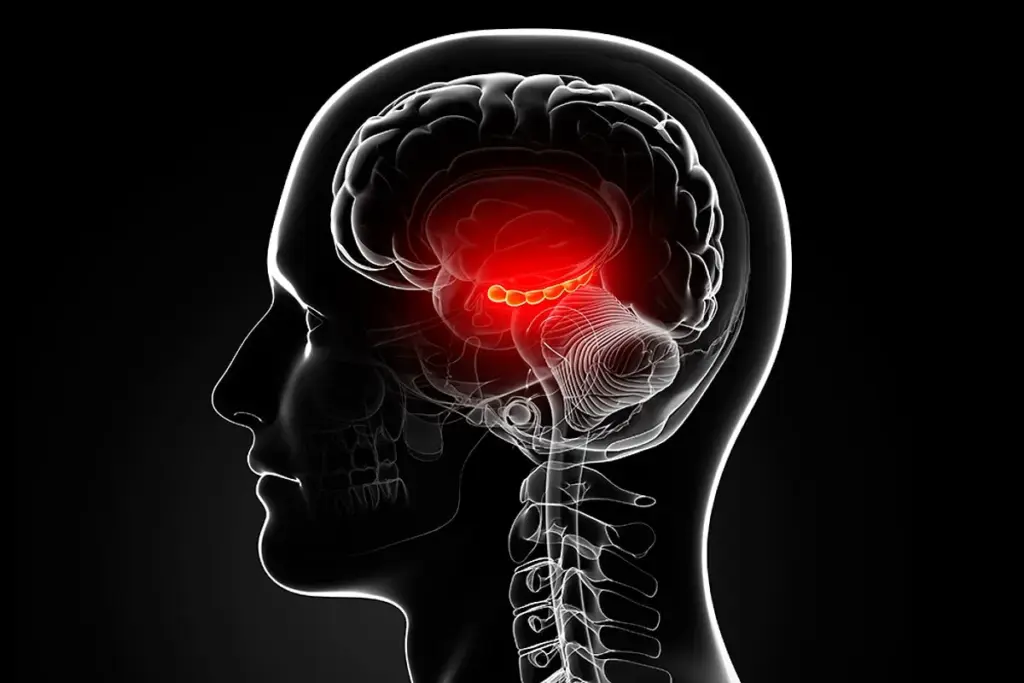
The pituitary gland is a small organ, about the size of a pea. It plays a big role in controlling our body’s functions through hormones. It’s located behind the nose at the brain’s base. It helps with growth, reproduction, metabolism, and how we handle stress.
When the pituitary gland doesn’t work right, it can cause many health problems. It’s important to know what causes these issues, their symptoms, and how to treat them. We’ll look at different disorders of the pituitary gland, including those affecting the front and back parts.
It’s key to recognize the signs of these disorders early. Getting a proper diagnosis and treatment quickly is vital to avoid serious health issues.
Key Takeaways
- Pituitary gland disorders can significantly impact overall health.
- Understanding the causes and symptoms is essential for effective management.
- Timely diagnosis and treatment can prevent serious complications.
- Various disorders can affect the anterior and posterior pituitary gland.
- Expert care is vital for managing pituitary gland disorders.
Understanding Pituitary Dysfunction and Its Impact
The pituitary gland is key to our endocrine system. Its problems can lead to serious health issues. We’ll look into why this gland is important and how common its disorders are.
The Role of the Pituitary Gland
The pituitary gland is called the “master gland” because it controls many other glands. It makes hormones that help with growth, metabolism, and reproduction. Knowing its role is essential to see how problems can cause health issues.
Prevalence and Incidence Rates
Pituitary problems are not common, but they matter a lot. Research shows that 12 to 42 new cases of pituitary dysfunction happen per million people each year. Also, studies find small growths in the pituitary gland in about 1 in 10 people.
Knowing how common pituitary gland problems are helps doctors and patients. It shows the need for quick action and proper diagnosis.
7 Common Pituitary Dysfunction Disorders
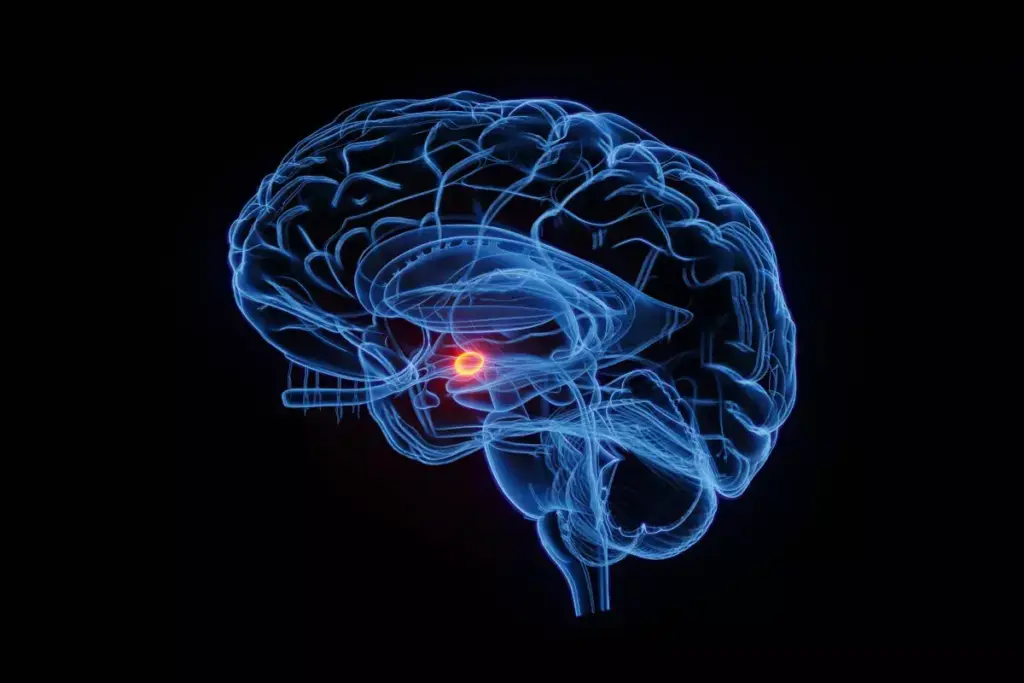
It’s key to know about pituitary dysfunction disorders for good treatment. The pituitary gland is called the “master gland” because it makes many important hormones. If it doesn’t work right, it can cause health problems.
1. Hypopituitarism
Hypopituitarism means not enough hormones from the pituitary gland. It can happen for many reasons, like tumors or injuries. Symptoms include feeling tired, losing weight, and hormonal imbalances.
We find hypopituitarism by checking how the body works, testing hormone levels, and using imaging. Treatment usually means taking hormones to balance them out.
2. Acromegaly
Acromegaly is when you make too much growth hormone, often because of a tumor. It makes your body parts grow bigger, like hands and face. You might also have joint pain and sleep problems.
We treat acromegaly by removing the tumor, using medicine, and sometimes radiation.
3. Cushing Syndrome
Cushing Syndrome happens when you have too much cortisol, a hormone from the adrenal gland. It’s often because of a pituitary tumor. Symptoms include gaining weight, high blood pressure, and mood swings.
To diagnose, we check cortisol levels and find the cause. Treatment includes medicine, surgery, and changing your lifestyle.
4. Prolactinomas
Prolactinomas are tumors in the pituitary gland that make too much prolactin. They can cause irregular periods, infertility, and erectile dysfunction. We find them by testing blood and using imaging.
For prolactinomas, we use medicine to lower prolactin and shrink the tumor. Sometimes, surgery is needed.
Diagnosis and Modern Treatment Approaches
Diagnosing pituitary gland disorders is a detailed process. It includes hormone tests and imaging. Accurate diagnosis is key for effective treatment.
Diagnostic Methods
Diagnosing pituitary issues combines lab tests and imaging. Blood tests check hormone levels. This helps spot problems like hypopituitarism or hyperthyroidism.
Magnetic Resonance Imaging (MRI) is vital for finding tumors or issues in the gland. MRI gives clear images. These images help doctors decide on treatment.
“The use of MRI has revolutionized the diagnosis of pituitary tumors, allowing for precise visualization and characterization of these lesions.”
- Blood tests to measure hormone levels
- Imaging studies (MRI, CT scans) to detect tumors or abnormalities
- Visual field tests to assess the impact on vision
Advances in Treatment
Treatment for pituitary disorders has improved a lot. Medication is often the first choice. It aims to fix hormone levels or shrink tumors.
| Treatment Option | Description | Application |
| Medication | Restores normal hormone levels or reduces tumor size | First-line treatment for many pituitary disorders |
| Surgery | Removes tumors or abnormal pituitary tissue | Tumors causing significant symptoms or hormone imbalances |
| Radiation Therapy | Targets and shrinks tumors | Used for tumors that cannot be fully removed by surgery |
Medical technology keeps getting better. So do treatments for pituitary gland disorders. Now, treatments are more personalized, fitting each person’s needs.
Conclusion
Managing pituitary gland problems needs a detailed plan. This plan must tackle the complex mix of anterior pituitary diseases and other related issues. A malfunctioning pituitary gland can cause many disorders, like hypopituitarism, acromegaly, and prolactinomas. Each one needs its own treatment plan.
People with pituitary gland disorders can live full lives with the right care. It’s key to have ongoing monitoring and treatment. A team of healthcare experts is also vital to handle these unique challenges.
Understanding pituitary gland disorder and its effects is important. This way, patients and doctors can create effective management plans together.
Managing pituitary gland problems requires medical treatment, lifestyle changes, and regular checks. Being proactive and well-informed can lessen the effects of these conditions. This approach can greatly improve one’s quality of life.
FAQ
What is pituitary dysfunction?
Pituitary dysfunction is when the pituitary gland doesn’t work right. This gland is key for many body functions through hormones.
What are the common disorders associated with pituitary dysfunction?
Disorders like hypopituitarism, acromegaly, and Cushing syndrome are common. These happen when the pituitary gland doesn’t work well.
What are the symptoms of pituitary gland disorders?
Symptoms vary by condition. For example, acromegaly can make hands and feet grow too much. Cushing syndrome can cause weight gain and high blood pressure.
How is pituitary dysfunction diagnosed?
Doctors use tests and scans to find problems. They check hormone levels and look at the gland with MRI.
What are the treatment options for pituitary gland disorders?
Treatment depends on the problem. It might be medicine, surgery, or radiation. New tech helps make treatments better.
Can pituitary dysfunction be cured?
It depends on the cause. Some problems can be fixed with surgery or medicine. Others need ongoing care to manage symptoms.
How does pituitary gland malfunction affect overall health?
It can affect many things like growth and metabolism. Managing it is key to staying healthy.
What is the prevalence of pituitary disorders?
Pituitary disorders are not very common but are important. Some, like prolactinomas, happen more often than others.
Are there any advances in the treatment of pituitary gland diseases?
Yes, treatments have gotten better. New surgeries, medicines, and radiation therapies help patients live better lives.
Pituitary diseases in the tropics. In K. R. Feingold, R. A. Adler, & S. F. Ahmed (Eds.), Endotext. MDText.com, Inc. https://www.ncbi.nlm.nih.gov/books/NBK568567/