
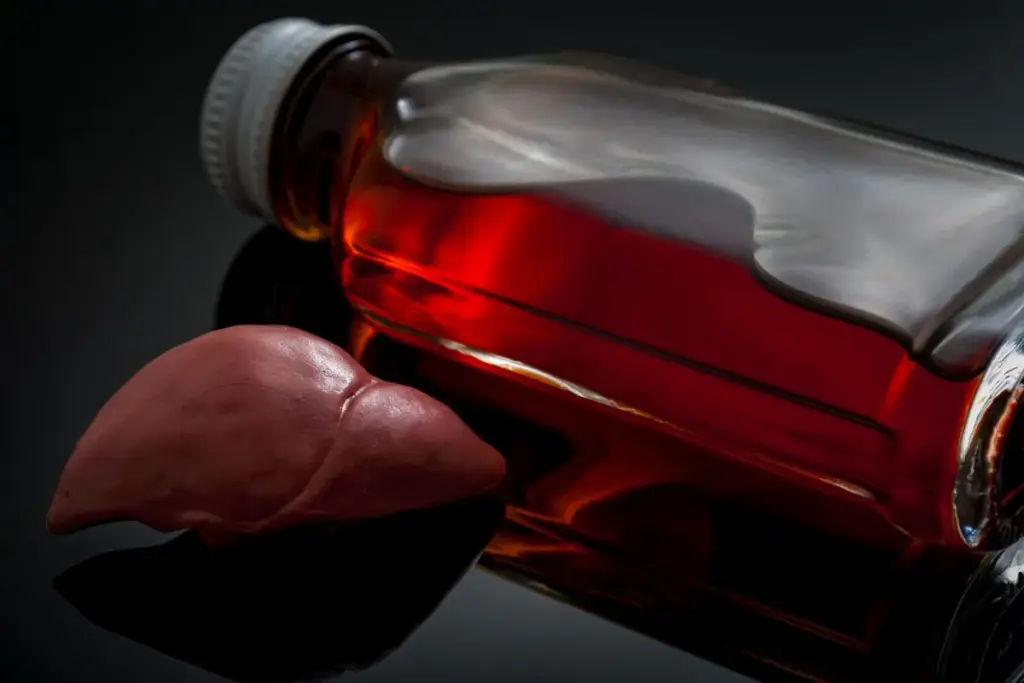
Drinking too much alcohol can cause a serious liver problem called alcoholic hepatitis. This condition can be mild or very serious. It often starts quietly until symptoms show up suddenly.
About 7.2 percent of adults in the U.S. have alcohol use disorder. Up to 35 percent of heavy drinkers get this liver problem.
It’s important to know the signs of this condition. Getting help early can stop more damage. It can also prevent serious problems like liver failure. We’ll show you the key signs to watch for.
Key Takeaways
- Alcoholic hepatitis is a serious liver condition caused by excessive drinking.
- The condition can develop silently, with symptoms appearing suddenly.
- Early recognition of signs is critical for timely medical intervention.
- Cessation of alcohol consumption can reverse some damage.
- Untreated alcoholic hepatitis can lead to life-threatening complications.
What Is Alcoholic Hepatitis?
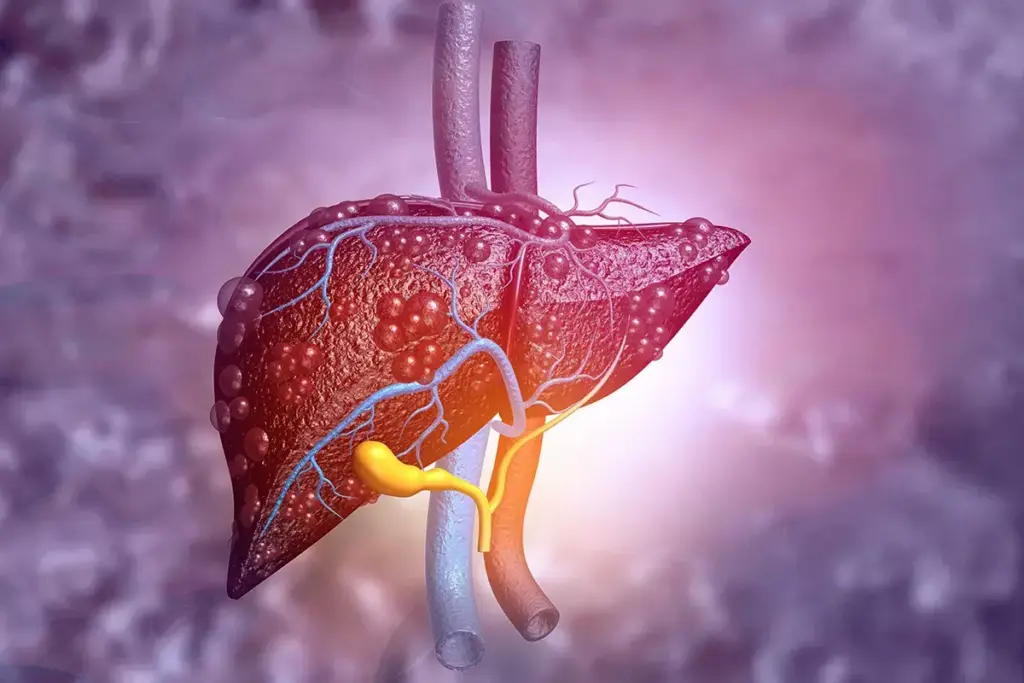
Heavy drinking can lead to liver inflammation, known as alcoholic hepatitis. This condition can have serious health effects. We will look into what it is, why it happens, and how common it is.
Definition and Causes
Alcoholic hepatitis is when the liver gets inflamed from too much alcohol. This can damage liver cells and lead to severe liver disease. The main reason for this is heavy drinking. This means drinking more than three to four drinks a day for men and two to three for women.
A study found that over 90% of heavy drinkers get fatty liver. This is the first stage of alcoholic liver disease. This shows how risky heavy drinking can be.
Prevalence and Risk Statistics
The World Health Organization (WHO) says over 3 million deaths each year are linked to alcohol. Alcoholic hepatitis is a big part of this number, mainly in those with alcohol use disorder. The more and longer you drink, the higher your risk of getting alcoholic hepatitis.
People who drink a lot over time face a higher risk of liver inflammation and damage. Knowing the risks and symptoms of alcoholic hepatitis is key for early treatment.
In summary, alcoholic hepatitis is a serious liver issue from too much alcohol. It’s important to know the risks and stats to prevent it and get help when needed.
Recognizing Alcoholic Hepatitis Symptoms
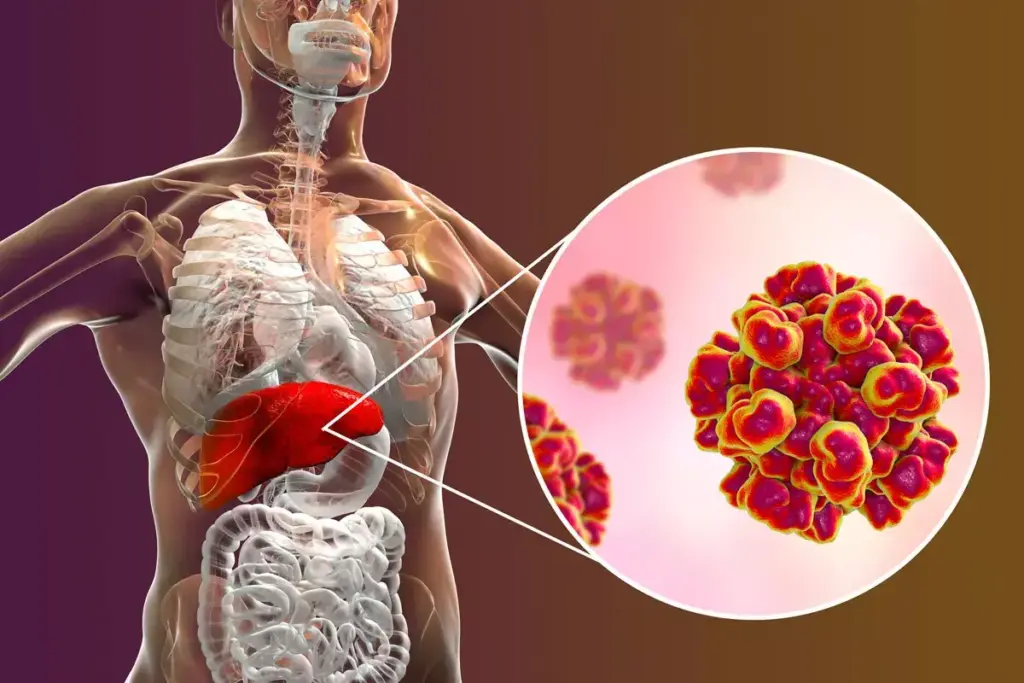
Knowing the signs of alcoholic hepatitis is key to managing and recovering from it. We’ll look at the main signs that show this condition is present. This helps people know when to get medical help.
Jaundice (Yellowing of Skin and Eyes)
Jaundice is a clear sign of alcoholic hepatitis. It makes the skin and eyes turn yellow because of too much bilirubin. The liver gets inflamed and can’t handle bilirubin well. The Mayo Clinic says jaundice is a common sign of liver trouble.
Right Upper Quadrant Abdominal Pain
Abdominal pain in the right upper area is another sign. This pain comes from liver inflammation and can be mild or severe. It’s important to remember that pain here can mean different things, so getting a proper diagnosis is key.
Enlarged Liver (Hepatomegaly)
Hepatomegaly, or an enlarged liver, is a sign of alcoholic hepatitis. When the liver swells from inflammation, it can cause pain and discomfort. A doctor can feel an enlarged liver during an exam or see it on tests.
Abdominal Fluid Accumulation (Ascites)
Ascites is fluid buildup in the belly, a sign of severe liver disease. It can make breathing hard and is very uncomfortable. Ascites means the liver is badly damaged and needs quick medical help.
| Symptom | Description | Implication |
| Jaundice | Yellowing of skin and eyes | Liver dysfunction |
| Abdominal Pain | Pain in the right upper quadrant | Liver inflammation |
| Hepatomegaly | Enlarged liver | Liver inflammation or damage |
| Ascites | Fluid accumulation in the abdomen | Advanced liver disease |
Knowing these symptoms helps people spot alcoholic hepatitis early. This means they can get medical help sooner. Early treatment is important for managing the condition well.
Additional Warning Signs You Shouldn’t Ignore
When looking at symptoms of alcoholic hepatitis, it’s key to notice other warning signs too. These signs can really affect your life quality. They might show that the disease is getting worse.
Extreme Fatigue and Malaise
Many people with liver disease feel very tired and unwell. Fatigue is more than just feeling tired; it’s a constant lack of energy that stops you from doing daily tasks. This can make it hard to do simple things or keep up with work.
Feeling unwell, or malaise, often goes hand in hand with fatigue. It’s a sign that something’s not right with your body. If you’re feeling both tired and unwell, you should see a doctor.
Severe Complications: Hepatic Encephalopathy
Hepatic encephalopathy is a serious problem linked to alcoholic hepatitis. It causes brain problems, from mild confusion to coma. This happens because the liver can’t clean the blood well, so toxins build up in the brain.
The signs of hepatic encephalopathy can be different. They might include confusion, not knowing where you are, and changes in how you think. In bad cases, it can be very dangerous. It’s important to treat it early to avoid brain damage.
| Symptom | Description | Severity |
| Extreme Fatigue | Persistent lack of energy interfering with daily activities | Moderate to Severe |
| Malaise | General feeling of being unwell | Mild to Moderate |
| Hepatic Encephalopathy | Cognitive disturbances ranging from confusion to coma | Severe |
Conclusion: When to Seek Medical Help
If you notice any of the 7 signs of alcoholic hepatitis, get medical help right away. Early treatment is key to managing the condition and avoiding more damage. Starting treatment early can greatly improve your chances of recovery.
Managing liver disease means tackling the root cause, like drinking too much alcohol. Knowing alcohol can cause hepatitis is the first step to healing. Spotting liver disease symptoms and understanding the risk of liver failure can prompt you to seek medical help.
We urge anyone thinking they or a loved one might have alcoholic hepatitis to see a doctor. Quick medical action can greatly improve treatment results and overall health.
FAQ
What is alcoholic hepatitis?
Alcoholic hepatitis is a serious liver condition. It happens when you drink too much alcohol. This causes inflammation and damage to liver cells.
What are the main symptoms of alcoholic hepatitis?
The main symptoms include jaundice and right upper quadrant abdominal pain. You might also have hepatomegaly and ascites. These are signs of liver damage and dysfunction.
Can alcoholic hepatitis be mild?
Yes, it can range from mild to severe. Even mild cases need medical attention. This is to prevent the condition from getting worse.
What is the difference between alcoholic hepatitis and hepatitis from other causes?
Alcoholic hepatitis is caused by drinking too much alcohol. Hepatitis from other causes can come from viral infections, medications, or other factors.
How is alcoholic hepatitis diagnosed?
Diagnosis involves a medical history and physical exam. It also includes lab tests and sometimes imaging studies or liver biopsy.
Can you recover from alcoholic hepatitis?
Yes, you can recover if you stop drinking alcohol and get the right medical treatment. Early detection and not drinking alcohol are key to improving outcomes.
What are the complications of untreated alcoholic hepatitis?
Untreated alcoholic hepatitis can lead to severe complications. These include hepatic encephalopathy, cirrhosis, and liver failure. These can be life-threatening.
How can I prevent alcoholic hepatitis?
The best way to prevent it is to drink alcohol in moderation or not at all. Excessive drinking is the main risk factor.
Is there a link between alcoholism and hepatitis?
Yes, there is a direct link. Chronic alcohol consumption can lead to alcoholic hepatitis and other liver diseases.
What are the signs of liver damage from alcohol?
Signs include jaundice, abdominal pain, fatigue, and swelling in the abdomen. These are indicative of alcoholic hepatitis or more advanced liver disease.
References
https://my.clevelandclinic.org/health/diseases/17853-alcoholic-hepatitis



 Departments
 Related Videos
 Our Doctors
 News
News