
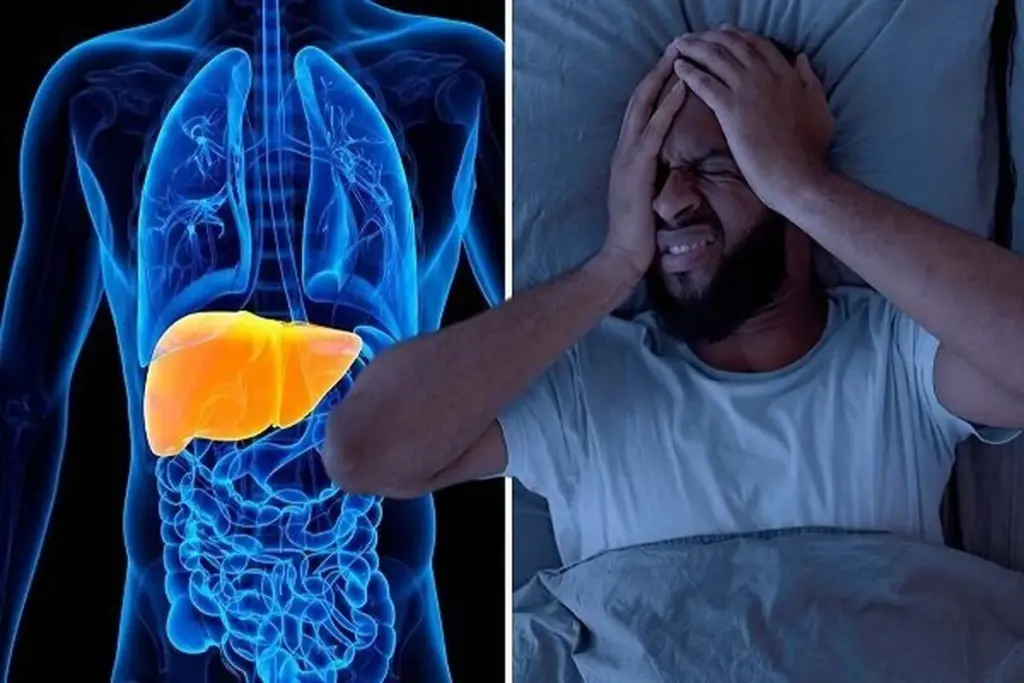
Drinking too much can harm your liver. This is called alcoholic liver disease. The liver deals with everything we eat and drink, but too much alcohol can cause it to get tired and damaged.
Alcoholic liver disease goes through three stages: fatty liver, fibrosis, and cirrhosis. Look out for early signs like fatigue, nausea, abdominal pain, unexplained weight loss, and jaundice. Spotting these signs early is key to treating the problem and avoiding serious damage.
At Liv Hospital, we offer caring, patient-focused care. We use the latest technology to find and treat liver damage from drinking.
Key Takeaways
- Alcoholic liver disease progresses through three stages: fatty liver, fibrosis, and cirrhosis.
- Early warning signs include fatigue, nausea, abdominal pain, unexplained weight loss, and jaundice.
- Recognizing these signs early is key for effective treatment.
- Liv Hospital provides patient-centered care for liver damage caused by alcoholism.
- Excessive alcohol consumption can lead to inflammation and scarring in the liver.
Understanding Alcoholic Liver Disease: The Three Stages
It’s important to know how alcoholic liver disease progresses. It goes through three main stages: fatty liver disease, alcoholic hepatitis, and cirrhosis. Knowing these stages can help catch the disease early and treat it effectively.
Fatty Liver Disease: The First Warning
Fatty liver disease is the first sign of alcoholic liver disease. It happens when the liver cells store too much fat. Stopping alcohol use can reverse this condition. But, drinking more can harm the liver even more.
Alcoholic Hepatitis: When Inflammation Takes Hold
The second stage, alcoholic hepatitis, is when the liver gets inflamed. This can cause serious scarring. Symptoms include yellowing of the skin, feeling very tired, and pain in the belly. It’s vital to stop drinking and get medical help at this point.
Cirrhosis: The Final and Most Severe Stage
Cirrhosis is the last stage of alcoholic liver disease. The liver gets very scarred, leading to permanent damage. This can cause liver failure and raises the risk of liver cancer. For more details on alcohol-related liver disease, check out trusted health websites.
| Stage | Characteristics | Potential Outcome |
| Fatty Liver Disease | Excess fat accumulation in liver cells | Reversible with abstinence |
| Alcoholic Hepatitis | Liver inflammation and scarring | Severe and potentially life-threatening |
| Cirrhosis | Severe scarring and permanent damage | Liver failure and high risk of liver cancer |
Knowing these stages helps people spot the signs of alcoholic liver disease early. This way, they can get medical help quickly.
Signs of Liver Damage From Drinking: 7 Warning Signals
The early signs of liver damage from drinking are often subtle but important to know. Drinking too much alcohol can harm your health, including your liver. Spotting these signs early can help avoid more damage and get the right medical help.
1. Persistent Fatigue and Weakness
Persistent fatigue and weakness are early signs of liver damage. The liver helps make energy and process food. Damage to the liver means it can’t do these jobs well, making you feel tired and weak. If you’re always tired and can’t shake it, see a doctor.
2. Nausea and Digestive Discomfort
Nausea and digestive discomfort can mean liver damage. Alcohol can upset your stomach and cause inflammation. This leads to nausea, vomiting, and discomfort. If your stomach problems don’t go away, it might mean your liver is struggling.
3. Abdominal Pain and Tenderness
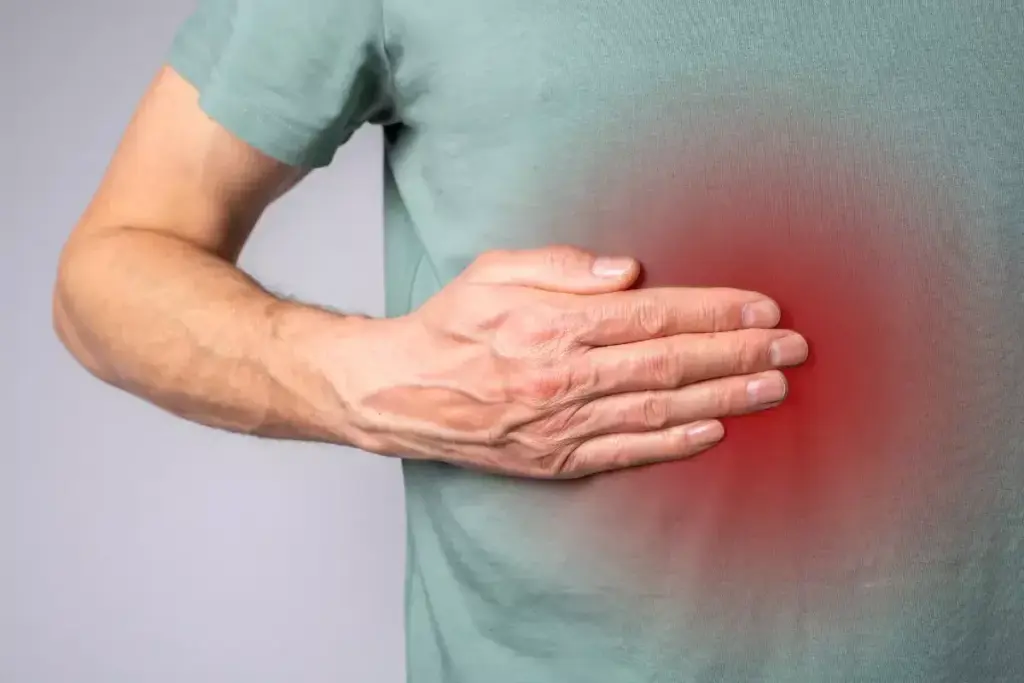
Abdominal pain, mainly in the upper right, can signal liver damage. The liver is in this area, and problems there can cause pain. If you have ongoing or severe pain, get medical help.
4. Unexplained Weight Loss
Unexplained weight loss can also be a sign of liver damage. A damaged liver can mess with your metabolism, leading to weight loss. It can also make you lose your appetite, adding to weight loss. If you’re losing weight without trying, see a doctor.
These signs are important to watch for liver damage from drinking. If you notice any of these symptoms, get medical help right away. This can prevent more damage and help you recover.
The Impact of Alcohol on Liver Health
Drinking alcohol makes our liver work hard. But, too much can really hurt it. The liver is key in breaking down alcohol. Yet, too much can cause serious health problems.
How Your Liver Processes Alcohol
The liver breaks down alcohol into safer parts for our body to get rid of. This involves many complex steps. But, too much alcohol can mess up the liver’s work, causing damage over time.
Alcohol metabolism happens mainly in the liver. Enzymes turn alcohol into acetaldehyde, a harmful substance, and then into acetate, which is safer. Drinking too much can hurt liver cells.
Statistics: Who’s at Risk and When Symptoms Appear
Studies show that up to 90 percent of heavy drinkers get fatty liver disease. About 30 percent of them then get cirrhosis. Heavy drinkers face a big risk of liver disease.
Heavy drinkers are more likely to get liver disease. Symptoms can show up at different times. It’s important to know that liver disease can sneak up on you, with no symptoms until it’s too late.
From Temporary Damage to Permanent Scarring
The liver can heal itself, but too much alcohol can cause lasting damage. First, the liver might get fatty, known as steatosis. If drinking keeps going, it can turn into alcoholic hepatitis, with inflammation. Then, it can lead to cirrhosis, with permanent scarring.
It’s key to know how alcohol affects the liver to prevent and treat problems early. By understanding the risks and watching for signs of liver damage, we can protect our liver. And, we should get medical help when needed.
Conclusion: Recovery Possibilities and Seeking Help
Recovery from liver damage is possible, but it needs quick action and the right treatment. Early-stage alcoholic fatty liver disease can be reversed by stopping alcohol use. This allows the liver to recover.
Getting help is key for those with liver damage symptoms. Doctors can guide on treatment for alcoholic liver disease. This might include lifestyle changes and medicine to manage symptoms and slow disease.
Whether alcoholic liver disease is reversible depends on its stage. Early-stage damage can be reversed, but cirrhosis is permanent scarring. Knowing the extent of liver damage is vital for the best treatment.
We urge people to see a doctor if they have liver damage symptoms. With the right treatment and support, managing alcoholic liver disease is possible. This can improve overall health.
FAQ
What are the short-term effects of alcohol on the liver?
Drinking too much alcohol can harm the liver. It causes inflammation and damage to liver cells. This can lead to liver function problems.
Excessive drinking can overwhelm the liver. This can cause acute liver failure symptoms.
Can the liver recover from alcohol damage?
Yes, the liver can heal if you stop drinking and get the right treatment. Early-stage liver disease can be reversed with lifestyle changes and medical care.
What are the signs of alcoholic liver disease?
Signs include persistent fatigue, nausea, and abdominal pain. Unexplained weight loss is also a sign. Recognizing these signs early is key for effective treatment.
How does alcohol consumption lead to liver cirrhosis?
Drinking too much alcohol can cause liver cirrhosis. It leads to chronic inflammation and scarring in the liver. Prolonged excessive drinking can progress through the three stages of alcoholic liver disease, ultimately resulting in cirrhosis.
What is the role of the liver in processing alcohol?
The liver breaks down alcohol into less toxic substances. But, too much alcohol can overwhelm the liver. This can cause damage and impaired function.
Is alcoholic liver disease reversible?
Yes, in its early stages, alcoholic liver disease is reversible. Stopping drinking and getting proper treatment can help the liver recover. But, advanced stages, like cirrhosis, may not be reversible.
What are the risk factors associated with liver disease due to alcoholism?
Risk factors include heavy drinking and prolonged excessive consumption. Individual susceptibility also plays a role. Statistics show heavy drinkers are at higher risk of liver disease.
Can alcohol cause liver failure?
Yes, too much alcohol can cause liver failure. It damages liver cells and leads to scarring. Severe cases can cause acute liver failure symptoms, needing immediate medical attention.
How can I address alcohol-related liver damage?
To address liver damage, stop drinking and seek medical help. Proper treatment and lifestyle changes can help the liver recover. Early-stage liver disease can be reversed.
References:
https://www.healthline.com/health/early-signs-of-liver-damage-from-alcohol