
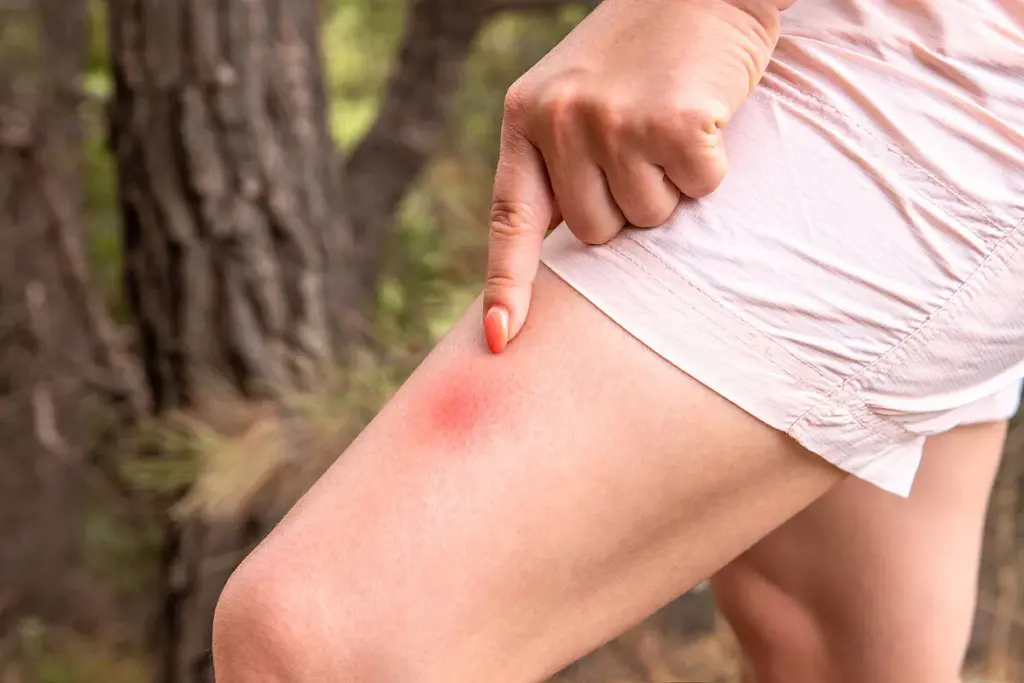
Finding a mysterious red mark on your skin after spending time outside can be scary. We know that spotting these tiny parasites is key to keeping your family safe. They can be found in unexpected places, from deep woods to your backyard.
Spotting them early is the best way to avoid serious problems like Lyme disease or Rocky Mountain spotted fever. We offer visual guides to help you tell the difference between a harmless sting and a possible infection. This quick recognition helps us guide you to get the medical care you need fast.
With changing climate patterns and milder winters, these pests are moving into more homes. We want to make sure you have clear tick bite photos on humans for your daily skin checks. Knowing what to look for is your best defense against these growing health risks.
Key Takeaways
- Early identification is critical for preventing chronic illnesses like Lyme disease.
- Parasites are now commonly found in residential lawns, not just wooded areas.
- Milder winters have significantly expanded the geographic range of these pests.
- Visual comparison helps distinguish dangerous stings from common skin irritations.
- Immediate medical consultation is advised if a bullseye rash appears on the body.
- Consistent skin checks after outdoor activities reduce the risk of long-term infection.
Why Accurate Tick Bite Identification Matters
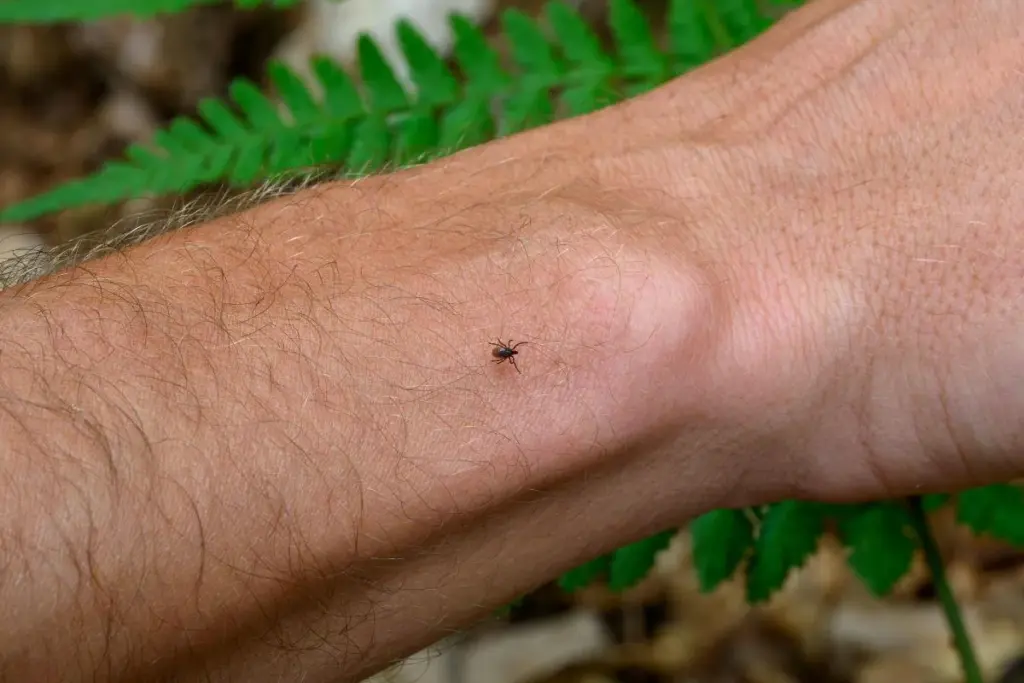
Knowing what tick bites look like on different skin tones is key. It can mean the difference between quick treatment and a long illness. Ticks are known for spreading diseases, and their bites can be hard to spot because of their saliva’s effects.
Ticks have compounds in their saliva that prevent pain, clotting, and an immune reaction. This makes it hard to notice the bite. Their small size, in some life stages, makes it even more important to identify them correctly.
When we talk about recognizing tick bites, it’s important to think about how they look on different skin tones. A tick bite might look different on lighter skin than on darker skin. Knowing these differences helps us spot bites early.
It’s not just about seeing the tick itself. We also need to know the signs and symptoms after a bite. Some ticks are too small to see, and their bites might not hurt. This makes it even more important to be careful.
By knowing the risks and signs of tick bites, we can protect ourselves. We should also seek medical help when needed. Accurate identification is the first step to effective treatment and preventing long-term effects of tick-borne diseases.
7 Tick Bites Pictures: Visual Identification Guide

Knowing what tick bites look like on humans is key for quick treatment. Tick bites can look different on different skin types. They can also change if the tick carries an infection. We’ll show you how to identify tick bites by their key features.
1. Freshly Embedded Tick on Light Skin
A tick on light skin is easy to see because of the dark tick against the light skin. The tick’s presence is often accompanied by minimal initial reaction. It’s important to check the area well. Look for a small, dark spot or a slight swelling.
2. Engorged Tick Attached to Human Skin
An engorged tick looks bigger and rounder because it’s full of blood. This stage is critical for identification. The tick is more visible, and the risk of disease goes up with time. The skin around the tick may get red or swell.
3. Tick Bite Mark Immediately After Removal
After taking out a tick, the bite looks like a small red spot or bump. It’s essential to clean the area thoroughly. Watch for signs of infection or rash. The look can change based on the skin reaction and any tick-borne pathogens.
4. Bull’s-Eye Rash (Erythema Migrans) Indicating Lyme Disease
A bull’s-eye rash, or erythema migrans, is a sign of Lyme disease. It has a red ring around a clear center. This rash is a critical indicator that needs quick medical attention. Not all tick bites cause this rash, and not having it doesn’t mean you don’t have Lyme disease.
To sum up, spotting tick bites means looking for different signs. These include:
- The look of a freshly embedded tick
- An engorged tick on the skin
- The bite mark after removing the tick
- A bull’s-eye rash that might mean Lyme disease
Knowing these signs helps in catching tick-borne illnesses early and treating them fast.
What to Do When You Identify a Tick Bite
When you spot a tick bite, acting fast is key to avoid health problems. Liv Hospital stresses the need for accurate information on handling tick bites.
Immediate Tick Removal Steps
The Centers for Disease Control and Prevention (CDC) has clear steps for removing ticks safely:
- Use fine-tipped tweezers to grasp the tick as close to your skin as possible.
- Pull upward with steady, even pressure. Avoid twisting or jerking the tick, as this can cause mouthparts to break off and remain in the skin.
- Continue pulling upward until the tick is removed completely.
- Clean the bite area with soap and water and apply an antiseptic.
It’s essential to remove the tick as soon as possible to reduce the risk of tick-borne illnesses. Do not use home remedies or folk methods such as applying petroleum jelly, nail polish, or heat to try to remove the tick, as these methods are not effective.
When to Seek Medical Attention
After removing the tick, watch the bite area for signs of infection or a rash. If you see any of these symptoms, get medical help:
- A bull’s-eye rash (erythema migrans), which is a characteristic sign of Lyme disease
- Fever, chills, or headache
- Swollen lymph nodes
- Joint pain or swelling
If you notice any of these symptoms or if the tick bite area becomes increasingly red, swollen, or painful, consult a healthcare provider for further evaluation and treatment. At Liv Hospital, our commitment to world-class diagnostic care ensures that you receive the appropriate medical attention if you experience any adverse reactions to a tick bite.
Conclusion
It’s key to spot tick bites early to avoid serious illnesses like Lyme disease. Ticks can spread many diseases. Knowing how to identify them is critical for quick treatment.
Being aware of tick bites helps protect us and our families. Understanding tick bites and their signs is important. This knowledge helps in early detection.
Early removal of ticks can lower disease risks. We stress the need for quick action against tick bites. Knowing the signs and having a reference picture ensures timely medical care.
FAQ
What do ticks look like on people when they first attach?
Another link to early tick attachment shows that ticks appear as tiny, flat, oval-shaped insects on the skin, often no bigger than a sesame seed. They can be gray, brown, or reddish, and may go unnoticed in hair-covered or hidden areas.
How do tick bites look on humans after the tick has been removed?
Another link to post-tick bites explains that after removal, a bite may appear as a small red bump, sometimes with a tiny puncture mark in the center. Mild itching or slight swelling is common, but most bites heal without complications.
What does a tick embedded in the skin look like up close?
Another link to embedded ticks shows that when attached, ticks burrow their mouthparts into the skin, leaving the body protruding. They can swell as they feed, appearing gray, brown, or black, and are often surrounded by mild redness.
Can you show me a picture of a tick bite that indicates Lyme disease?
Another link to Lyme disease tick bites shows the characteristic “bullseye” rash (erythema migrans), which is a red circular patch with central clearing that can expand over days to weeks. This rash is a key early warning sign of Lyme infection.
How does a tick bite look like when the tick is engorged?
Another link to engorged ticks explains that as ticks feed, they swell significantly, turning gray or bluish-gray, and the bite area may become more raised, reddened, and tender, increasing the risk of infection transmission.
What does a tick look like on human skin if it is a different species?
Another link to different tick species shows that size, color, and body shape can vary. For example, deer ticks (Ixodes) are smaller and reddish-brown, while dog ticks are larger and more gray or brown with patterned backs. Recognizing species helps assess disease risk.
Why is it important to look at tick bite pictures for early identification?
Another link to tick bite recognition emphasizes that visual comparison helps identify attached ticks, recognize early signs of infection, and distinguish harmless bites from those that may transmit diseases like Lyme disease or Rocky Mountain spotted fever, allowing prompt medical care.
References
National Center for Biotechnology Information. Evidence-Based Medical Insight. Retrieved from https://pmc.ncbi.nlm.nih.gov/articles/PMC5916399/[1



 Departments
 Related Videos
 Our Doctors
 News
News