
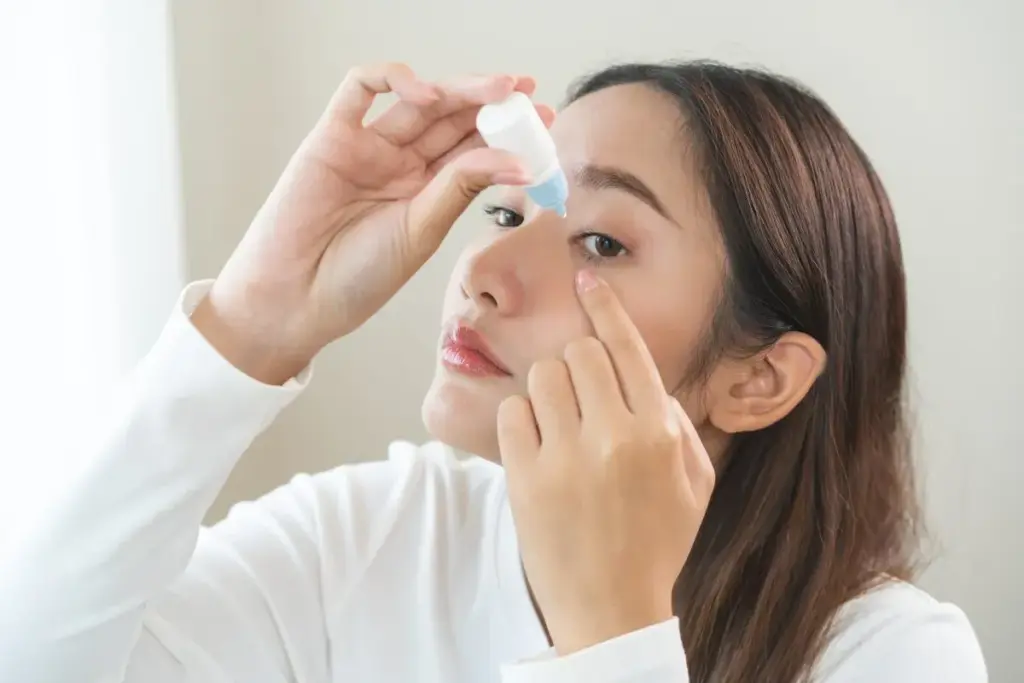
Eye drops are a key medication for treating many eye problems. They offer direct relief and treatment to the eye’s surface. We use them for dry eyes, allergies, and infections.
There are many types of eye drops, each for a specific use. Knowing about the different types of eye drops and their benefits is key for good eye health. Artificial tears, for example, moisturize and protect the eye.
By looking into the advantages of eye drops, we can make better choices for our eyes. In this article, we’ll explore the various eye drops and help you pick the right one.
Key Takeaways
- Eye drops provide targeted relief for various eye conditions.
- Different types of eye drops cater to specific eye care needs.
- Understanding the benefits of each type is essential for optimal vision health.
- Artificial tears help relieve dry eyes by lubricating the eye surface.
- Choosing the right eye drops requires informed decision-making.
What Eye Drops Do and Why Different Types Matter
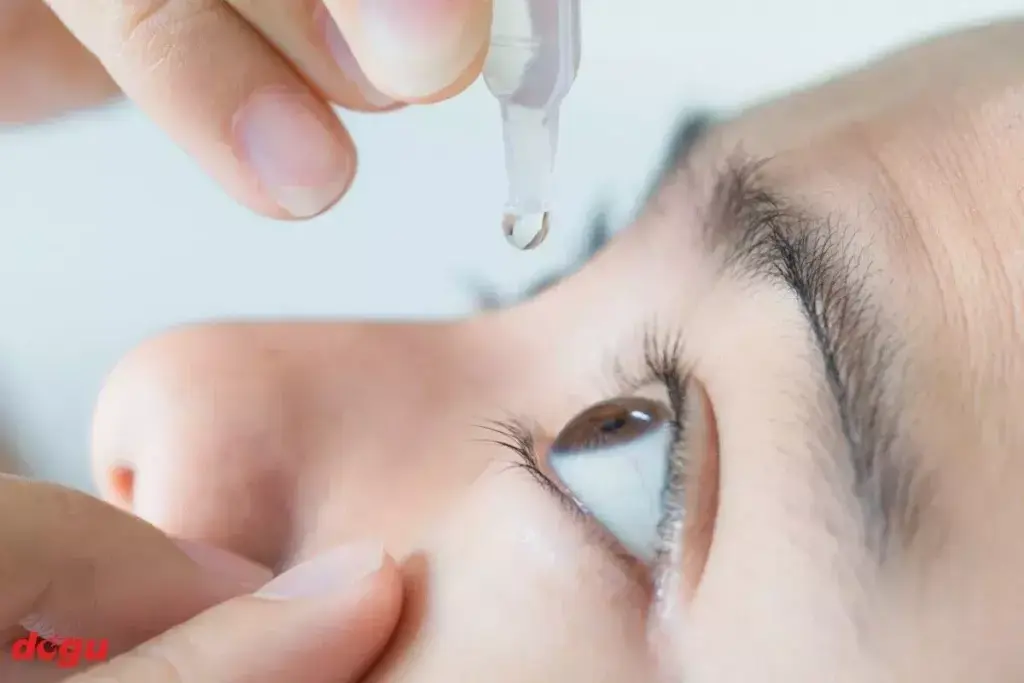
Eye drops are a key part of eye care for many. But with so many types, it’s vital to know their purposes. Each formula is made for a specific issue, helping you choose the right one.
Understanding the Purpose of Various Eye Drops
Eye drops tackle various eye problems, like dry eyes, allergies, infections, and glaucoma. Lubricating eye drops mimic tears and contain ingredients like carboxymethylcellulose. They help with dry eyes.
Lubricating drops moisturize the eyes, easing dry eye symptoms. They’re great for those with dry eyes from screens, weather, or health issues.
These drops have different ingredients. You’ll often find:
- Carboxymethylcellulose
- Hydroxypropyl methylcellulose
- Glycerin
- Polysorbate
These help keep eyes moist, reduce discomfort, and clear vision. Pick preservative-free drops if you use them often, as preservatives can irritate.
Other drops have different uses. Antihistamine eye drops fight allergy symptoms like itching and redness. Antibiotic eye drops treat bacterial infections.
| Type of Eye Drop | Purpose | Common Ingredients |
| Lubricating | Relieve dry eye symptoms | Carboxymethylcellulose, Hydroxypropyl methylcellulose |
| Antihistamine | Alleviate allergy symptoms | Antihistamines like pheniramine |
| Antibiotic | Treat bacterial infections | Antibiotics like gentamicin or tobramycin |
7 Types of Eye Drops and Their Benefits
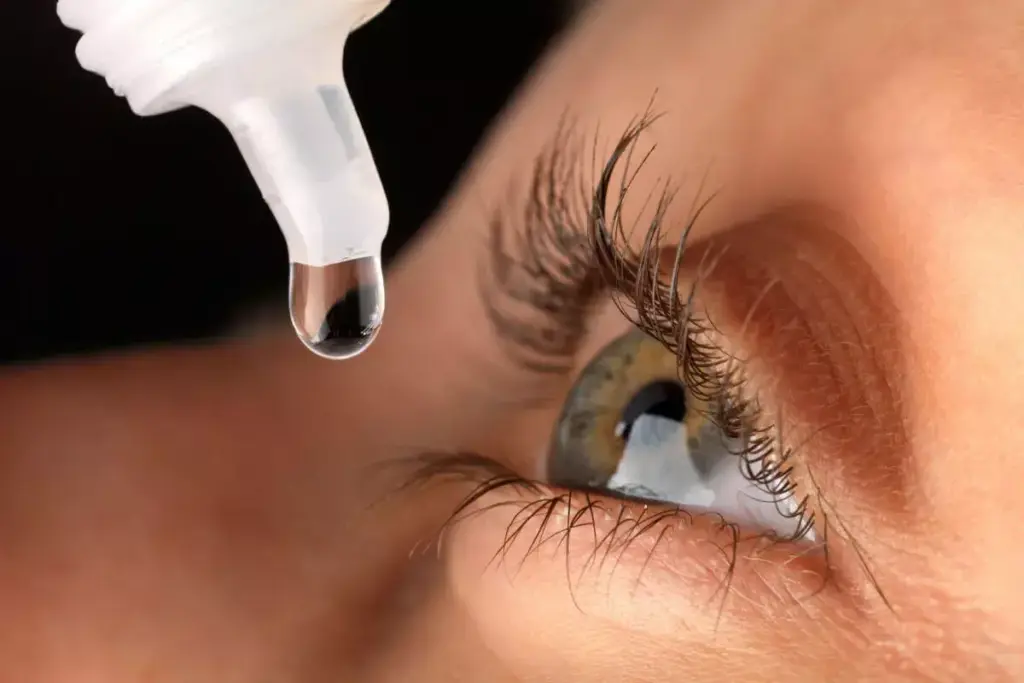
Eye drops help with many eye problems. Knowing what each type does is key. This helps you choose the right one for your eyes.
1. Artificial Tears and Lubricating Eye Drops
Artificial tears are great for dry eyes. They add moisture and ease discomfort. They work like natural tears, thanks to carboxymethylcellulose and hyaluronic acid.
Use them daily, if you’re on screens a lot or in dry places. You can find them easily over-the-counter. They come in many types to fit your needs.
2. Antihistamine Eye Drops
Antihistamine eye drops fight allergy symptoms. They block histamine, which causes allergies. They’re good during allergy season or when you’re around allergens.
They quickly ease itchy, red, and swollen eyes. We suggest them for those with seasonal allergies or pet allergies. They help reduce discomfort from allergens.
3. Antibiotic Eye Drops
Antibiotic eye drops treat bacterial infections like pink eye. They kill the bacteria, helping the infection clear up. This stops it from spreading.
It’s important to follow your doctor’s instructions when using them. This ensures the infection is fully treated and prevents antibiotic resistance.
4. Prostaglandin Analog Eye Drops
Prostaglandin analog eye drops treat glaucoma. Glaucoma increases eye pressure, which can harm your vision. These drops lower eye pressure to protect your optic nerve.
We often prescribe them for glaucoma or high eye pressure. They’re used once a day. Studies show they’re effective in managing the condition.
Conclusion: How to Choose the Right Eye Drops for Your Needs
Choosing the right eye drops can be tough with so many options. We’ve talked about different types like artificial tears and antibiotic drops. It’s key to think about your eye problem, the drops’ ingredients, and the maker’s quality.
For everyday use, picks that help your natural tears and keep your eyes moist are best. Knowing how to use eye drops safely, like for white discharge, is important for your eye health. Always follow the right way to use eye drops.
By looking at these points and picking a trusted eye drop brand, you can take care of your eyes. It’s a good idea to talk to an eye doctor to find the best drops for you.
FAQ
What are the different types of eye drops available?
Eye drops include lubricating/artificial tears for dryness, antihistamines for allergies, antibiotics for infections, anti-inflammatories, and glaucoma medications like prostaglandin analogs. Each type targets specific eye conditions.
How do I choose the right eye drops for my needs?
Choose based on your symptoms—dryness, allergy, infection, or eye pressure issues. An eye doctor can recommend the safest and most effective option for your condition.
What are the benefits of using artificial tears?
Artificial tears lubricate the eyes, reduce dryness, irritation, and redness, and help protect the ocular surface. They provide temporary relief and improve comfort for daily eye use.
Can I use antihistamine eye drops for itchy eyes caused by allergies?
Yes, antihistamine drops are effective for relieving allergy-related itching, redness, and watering. They target histamine responses that cause allergic symptoms in the eyes.
How do I use eye drops correctly?
Wash your hands, tilt your head back, pull down the lower eyelid, place the drop in the eye, and close your eyes gently for 1–2 minutes. Avoid touching the dropper to your eye.
Are there any side effects associated with using eye drops?
Some drops may cause temporary stinging, burning, redness, or blurred vision. Prescription drops may have additional effects, so follow your doctor’s instructions carefully.
Can I use eye drops for white discharge?
White discharge may indicate infection or inflammation; using lubricating drops alone is not enough. An eye doctor should evaluate it to prescribe appropriate treatment like antibiotics if needed.
What are the advantages of using preservative-free eye drops?
Preservative-free drops reduce the risk of irritation, allergic reactions, and damage to the ocular surface, especially for frequent or long-term use. They are safer for sensitive eyes.
How do prostaglandin analog eye drops work?
Prostaglandin analogs reduce intraocular pressure by increasing fluid drainage from the eye. They are commonly used to manage glaucoma and prevent optic nerve damage.
References
National Center for Biotechnology Information. Evidence-Based Medical Insight. Retrieved from https://pmc.ncbi.nlm.nih.gov/articles/PMC8465972/