
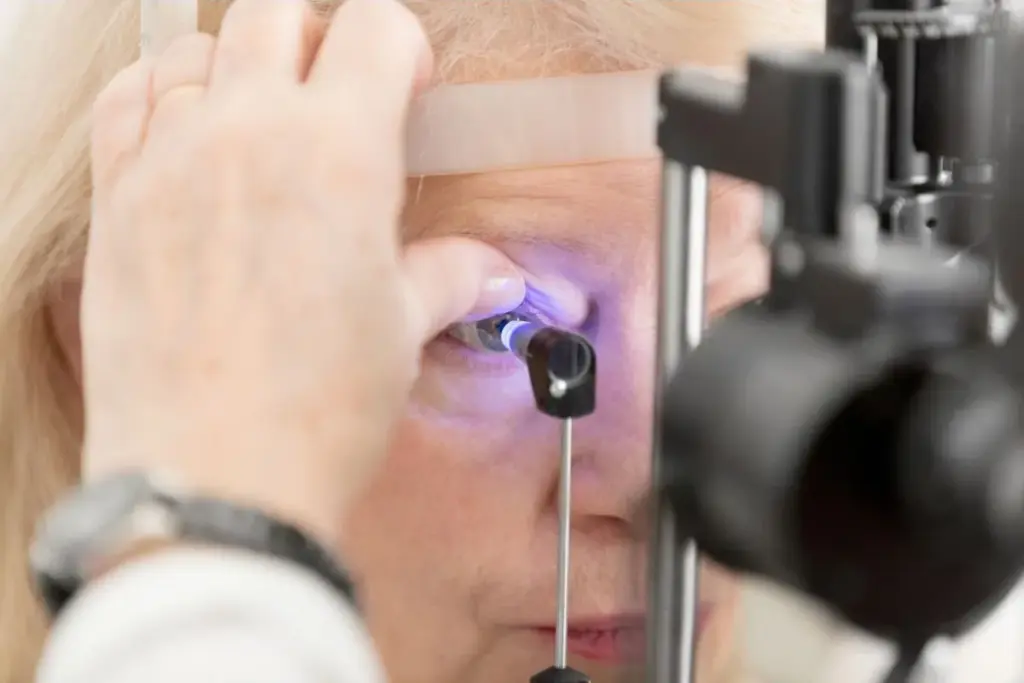
Glaucoma is a major cause of blindness worldwide, affecting 76 million people. This number is expected to rise to 111.8 million by 2040. When other treatments don’t work, surgical intervention is key to save vision.
The number of glaucoma cases is growing fast. New surgical methods are changing how we treat it. Today, eye surgery for glaucoma offers many options, each one fitting a patient’s unique needs.
We’re dedicated to top-notch healthcare, including glaucoma surgery procedures. We support international patients seeking advanced medical care.
Key Takeaways
- Glaucoma is a leading cause of irreversible blindness worldwide.
- Surgical intervention is critical when other treatments fail.
- Modern glaucoma surgery offers diverse options tailored to individual needs.
- Minimally invasive procedures are revolutionizing glaucoma treatment.
- Our institution provides full support for international patients.
Understanding When Glaucoma Surgery Becomes Necessary

Glaucoma surgery is needed when eye drops or laser therapy don’t work well. The main goal is to lower eye pressure to stop vision loss.
At first, doctors use eye drops or laser therapy to control eye pressure. But if these don’t work, surgery is the next step. This can include trabeculectomy or implanting a glaucoma drainage device.
Factors Influencing the Need for Surgery
- Progression of glaucoma despite initial treatments
- Inability to achieve target IOP with medications or laser therapy
- Intolerance to prescribed medications
- Advanced glaucoma with significant vision loss
Knowing these factors helps both patients and doctors decide if surgery is right.
| Treatment Stage | Typical Interventions | Goals |
| Initial Treatment | Topical eye drops, Laser trabeculoplasty | Lower IOP, Prevent vision loss |
| Secondary Treatment | Trabeculectomy, Glaucoma drainage devices | Further reduce IOP when initial treatments fail |
Understanding when surgery is needed helps patients make informed choices. They can work with their doctors to protect their vision.
7 Glaucoma Surgery Types: Your Complete Treatment Options
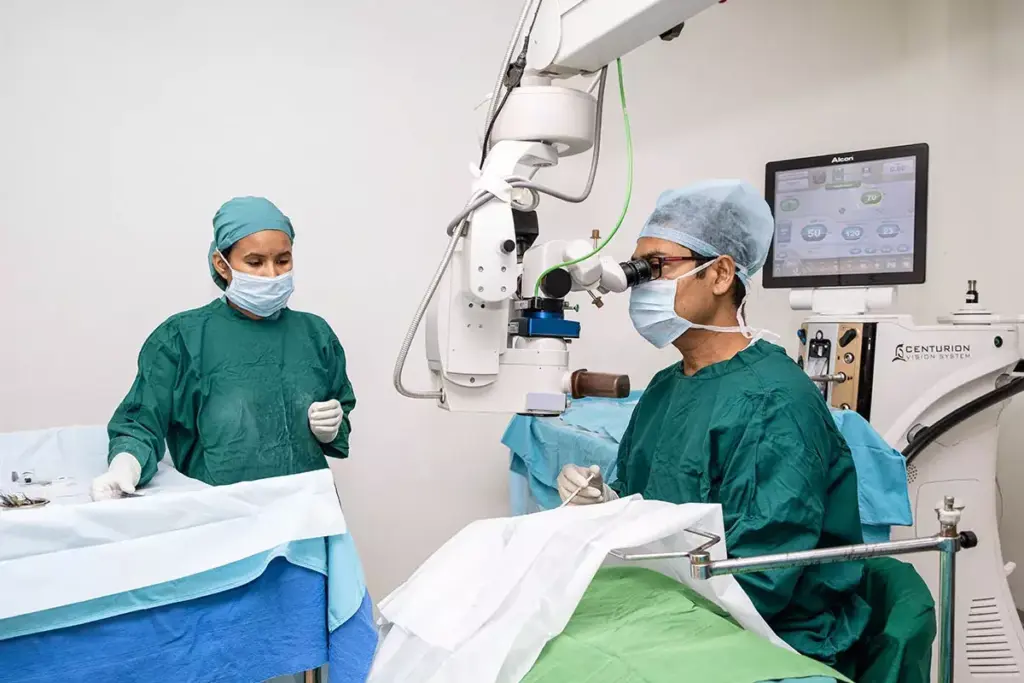
Glaucoma surgery is designed to lower eye pressure and save vision. The right surgery depends on the glaucoma type and the patient’s health.
We’ll look at the seven glaucoma surgery types. We’ll cover each one, including when to use them, their benefits, and risks.
1. Trabeculectomy: Traditional Filtering Surgery
Trabeculectomy is a common glaucoma surgery. It makes a new path for fluid to leave the eye, lowering pressure. It’s used when other treatments don’t work well.
Benefits: It can effectively lower eye pressure and help keep vision.
Risks: Possible complications include infection, cataract, and issues with the bleb.
2. Glaucoma Drainage Devices and Aqueous Shunts
Glaucoma drainage devices help drain fluid from the eye. They’re good for those who’ve had failed surgeries. These devices are implanted in the eye.
3. Minimally Invasive Glaucoma Surgery (MIGS)
MIGS surgeries are less invasive and risky than traditional ones. They aim to lower eye pressure with fewer complications and quicker healing.
- Reduced risk of complications
- Faster recovery
- Potential for combining with cataract surgery
4. Xen Gel Stent Implantation
The Xen Gel Stent is a MIGS procedure. It implants a gel stent to create a new drainage path. This approach can greatly reduce eye pressure.
| Surgery Type | Indications | Benefits |
| Trabeculectomy | Advanced glaucoma, failed other treatments | Effective in lowering IOP |
| Glaucoma Drainage Devices | Complex glaucoma, previous surgery failures | Facilitates drainage, reduces IOP |
| MIGS | Early to moderate glaucoma | Less invasive, quicker recovery |
| Xen Gel Stent | Mild to moderate glaucoma | Minimally invasive, reduces IOP |
Each glaucoma surgery type has its own benefits and is suited for different needs. Knowing the options is key to making the right treatment choice.
Conclusion
Glaucoma surgery has changed a lot, with many options for each patient. We’ve looked at old methods like trabeculectomy and new ones like Xen Gel Stent implantation. These changes help treat glaucoma better.
MIGS procedures are a big step forward. They work on different parts of the eye to help fluid flow better. This makes treatment for urgical glaucoma more effective.
We keep working to improve eye care for our patients. Whether it’s an old or new method, we aim to help patients understand their choices. So, yes, there are many surgeries for glaucoma.
Knowing about glaucoma surgery helps patients make better choices. We hope this guide has been useful in exploring the options for glaucoma treatment.
FAQ
What is glaucoma surgery?
Glaucoma surgery is a procedure that lowers eye pressure by improving fluid drainage or reducing fluid production to protect the optic nerve and prevent further vision loss.
What types of glaucoma surgery are there?
Types include trabeculectomy, glaucoma drainage devices (tube shunts), and minimally invasive glaucoma surgeries (MIGS) such as Xen Gel Stent implantation.
When is glaucoma surgery necessary?
Surgery is considered when medications or laser treatments are insufficient to control eye pressure or when glaucoma is rapidly progressing.
What is trabeculectomy?
Trabeculectomy is a procedure that creates a small flap in the eye to allow fluid to drain, lowering intraocular pressure.
What are glaucoma drainage devices?
These are tube shunts implanted in the eye to help fluid drain when natural drainage pathways are inadequate.
What is Minimally Invasive Glaucoma Surgery (MIGS)?
MIGS includes less invasive procedures that improve fluid drainage with smaller incisions and faster recovery than traditional surgery.
What is Xen Gel Stent implantation?
It is a type of MIGS where a tiny tube is implanted to create a new drainage pathway and reduce eye pressure.
Are there risks associated with glaucoma surgery?
Yes, risks include infection, bleeding, temporary or permanent vision changes, low or high eye pressure, and scarring.
Can glaucoma surgery restore vision?
No, surgery cannot restore lost vision; it only prevents further optic nerve damage and slows disease progression.
Is glaucoma surgery a one-time procedure?
Sometimes yes, but some patients may need additional surgery or ongoing treatment depending on disease progression and eye pressure control.
References
https://pmc.ncbi.nlm.nih.gov/articles/PMC10525614/