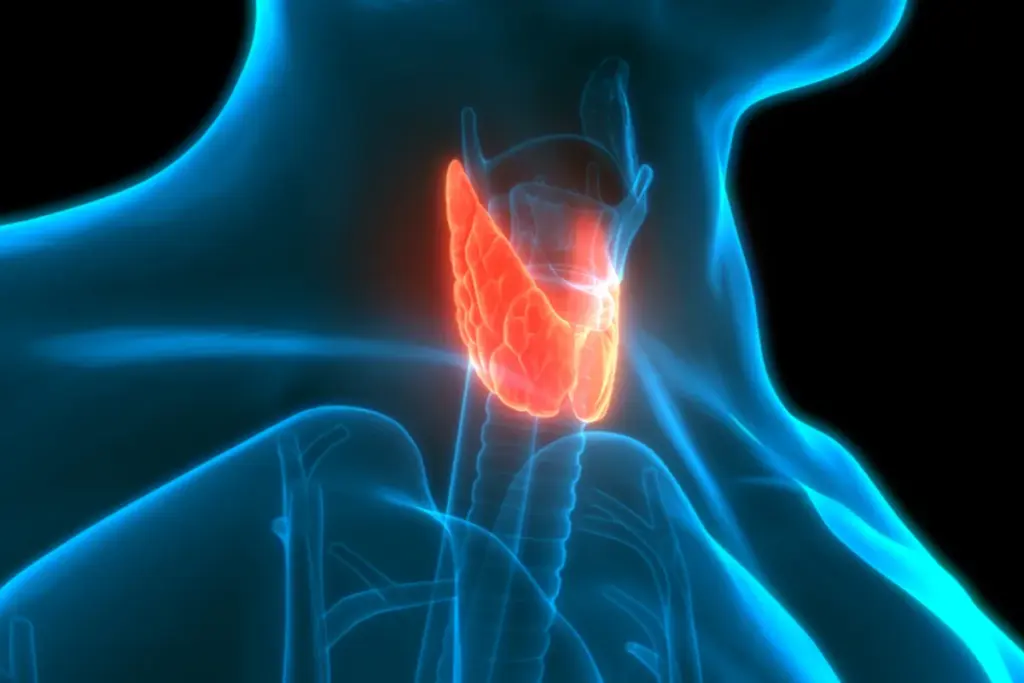
Hyperthyroidism is a common endocrine disorder where the thyroid makes too many hormones. It affects millions of people worldwide. The rate of hyperthyroidism varies, from 0.2 to 1.3%, with more women than men getting it. Knowing the causes and types of hyperthyroidism is key to managing and treating it. The main reasons include Graves’ disease, toxic multinodular goiter, and subacute granulomatous thyroiditis. Studies show that diet, like iodine intake, affects how common hyperthyroidism is. For more info, check out this detailed guide.
At Liv Hospital, we combine global endocrinology expertise for top-notch care. Our team works fast to diagnose and treat, aiming for the best results for our patients.
Key Takeaways
- Hyperthyroidism is a common endocrine disorder with a global prevalence of 0.2 to 1.3%.
- The condition is more common in women and is influenced by dietary iodine content.
- Graves’ disease, toxic multinodular goiter, and subacute granulomatous thyroiditis are the most common causes.
- Understanding the different types and causes is key to effective management.
- Liv Hospital offers complete and focused care for hyperthyroidism.
Understanding the Pathology of Hyperthyroidism

Hyperthyroidism is a condition where the thyroid gland makes too many hormones. This can cause many health problems. It’s important to understand its causes, effects, and how it affects the body.
Epidemiology and Global Prevalence
Hyperthyroidism is found in many people worldwide. It’s more common in women and gets more frequent with age.
Studies show that 0.5% to 2.3% of people have hyperthyroidism. Graves’ disease is the main reason, making up 60-80% of cases.
| Population | Prevalence of Hyperthyroidism |
| General Population | 0.5-2.3% |
| Women | 2-5 times more common than in men |
| Elderly | Increased prevalence with age |
Pathophysiological Mechanisms
Hyperthyroidism happens when the thyroid gland makes too many hormones. Different reasons have different ways of causing this.
Graves’ disease is an autoimmune issue. It makes the thyroid work too hard. Toxic multinodular goiter is caused by genetic changes that make the thyroid work on its own.
Multi-System Effects and Complications
Hyperthyroidism affects many parts of the body. It can harm the heart, bones, stomach, and brain. It can cause serious problems like heart rhythm issues, weak bones, and a severe condition called thyroid storm.
The heart is hit hard, with faster beats and more blood flow. Muscles get weak, and the brain can feel anxious or have trouble thinking.
The 7 Major Types of Hyperthyroidism

Hyperthyroidism is a group of conditions with different causes and symptoms. Knowing each type is key for the right diagnosis and treatment. We’ll look at the main types of hyperthyroidism, their unique traits, and what causes them.
1. Graves’ Disease: Autoimmune Etiology
Graves’ disease is the top cause of hyperthyroidism in the U.S., making up about 70% of cases. It’s an autoimmune disease where the body makes antibodies that tell the thyroid gland to make too much hormone. These autoantibodies are what make Graves’ disease different from other hyperthyroidism types.
2. Toxic Multinodular Goiter: Pathogenesis and Features
Toxic multinodular goiter is another common cause, making up 16% of cases. It’s more common in older people and areas with less iodine. This condition has many nodules in the thyroid gland, some of which make hormone on their own. It’s caused by a mix of genetics and environment.
3. Toxic Adenoma: Autonomous Nodule Function
Toxic adenoma, or solitary toxic nodule, is a benign tumor that makes thyroid hormone on its own. It’s a single nodule that doesn’t follow the usual rules for hormone production. This leads to hyperthyroidism because of the hormone it makes.
4. Subacute Granulomatous Thyroiditis: Inflammatory Process
Subacute granulomatous thyroiditis, or De Quervain thyroiditis, is an inflammation of the thyroid gland. It can cause temporary hyperthyroidism. It’s thought to start from a viral infection and is marked by inflammation that releases stored thyroid hormones. This inflammation usually goes away by itself but can be painful and disrupt thyroid function.
These four conditions are some of the main types of hyperthyroidism. Each has its own cause and symptoms. Knowing the specific type is important for choosing the right treatment.
Diagnostic Approach and Management Strategies
Diagnosing and managing hyperthyroidism requires a mix of clinical signs, differential diagnosis, and advanced tests. We will cover the essential steps for diagnosing and treating hyperthyroidism. This will help you understand this complex condition fully.
Clinical Presentation and Differential Diagnosis
Hyperthyroidism shows symptoms like palpitations, anxiety, tremors, and heat intolerance. In severe cases, it can cause atrial fibrillation and thyroid storm. The causes of hyperthyroidism include Graves’ disease, toxic multinodular goiter, and subacute thyroiditis.
Clinical Features and Differential Diagnosis: A detailed clinical check is key to find the cause of hyperthyroidism. We look at different causes, like autoimmune, nodular, and inflammatory ones.
“The clinical presentation of hyperthyroidism can vary significantly among patients, necessitating a careful and detailed diagnostic approach.” –
Endocrine Society Guidelines
Laboratory Assessment and Biochemical Markers
To confirm hyperthyroidism, we measure TSH, free T4, and total T3 levels. Thyrotropin receptor antibody (TRAb) levels help confirm Graves’ disease. Radioactive iodine uptake and scans help find the cause.
| Laboratory Test | Result Interpretation |
| TSH | Suppressed in hyperthyroidism |
| Free T4 | Elevated in hyperthyroidism |
| TRAb | Positive in Graves’ disease |
| Radioactive Iodine Uptake | Helps differentiate etiologies |
Imaging Studies and Radioactive Iodine Uptake
Imaging like ultrasound and radioactive iodine uptake scans are key. They help find the cause of hyperthyroidism. These tests help tell apart Graves’ disease, toxic multinodular goiter, and other causes.
Treatment Modalities and Therapeutic Options
Hyperthyroidism treatment includes antithyroid medications, radioactive iodine therapy, and surgery. The choice depends on the cause, disease severity, and patient wishes.
- Antithyroid Medications: Reduce thyroid hormone production.
- Radioactive Iodine Therapy: Ablative treatment for hyperthyroidism.
- Surgery: Used for specific cases, like large goiters or suspected malignancy.
We customize treatment plans for each patient. This ensures effective hyperthyroidism management and reduces complications.
Conclusion: Special Considerations and Long-Term Prognosis
Hyperthyroidism, mainly primary hyperthyroidism, is often a long-term issue. It needs constant care. About 0.5% of Americans have overt hyperthyroidism, and 0.7% have subclinical hyperthyroidism. The outcome depends on the cause and how well treatment works.
Graves’ disease, a common reason for hyperthyroidism, often needs long-term care. The success of treatment and long-term outlook depend on the cause and treatment’s effectiveness. Regular check-ups and care are key to managing the condition well.
Knowing hyperthyroidism can be chronic helps both patients and doctors plan for the future. With the right treatment, the outlook is usually good. But, some might face long-term issues. We must think about these when making treatment plans.
FAQ
What is hyperthyroidism and how does it affect the body?
Hyperthyroidism is when the thyroid gland makes too much thyroid hormone. This can cause weight loss, fast heart rate, and anxiety. We’ll look at how it affects different parts of the body.
What are the main causes of hyperthyroidism?
Main causes include Graves’ disease, toxic multinodular goiter, and others. Each has its own reasons and how it works.
How is hyperthyroidism diagnosed?
Doctors use tests to check thyroid hormone levels and imaging studies. These help find the cause and plan treatment.
What are the treatment options for hyperthyroidism?
Treatments include medicines, radioactive iodine, or surgery. The choice depends on the cause, how severe it is, and the patient.
Is hyperthyroidism a chronic condition?
Yes, some types like Graves’ disease need ongoing care. We stress the need for regular check-ups to adjust treatment.
What are the possible complications of untreated hyperthyroidism?
Untreated can cause heart problems, bone loss, and brain issues. Early treatment is key to avoid these.
How does hyperthyroidism impact different bodily systems?
It affects the heart, bones, stomach, and brain. We’ll see how too much thyroid hormone impacts these areas.
What is the prognosis for patients with hyperthyroidism?
With right treatment, many live well. We talk about what affects recovery and why ongoing care is important.
What is the differential diagnosis for hyperthyroidism?
Other conditions can mimic hyperthyroidism symptoms. We explain how to tell them apart.
How does Graves’ disease contribute to hyperthyroidism?
Graves’ disease is an autoimmune issue that makes the thyroid overproduce hormones. We cover its causes and signs.
What is the role of radioactive iodine uptake in diagnosing hyperthyroidism?
This test shows how well the thyroid takes up iodine. It helps find the cause of hyperthyroidism.
Can hyperthyroidism be managed with medication alone?
Yes, medicines can control it by lowering hormone production. We discuss their role and when more treatments might be needed.
National Center for Biotechnology Information. Evidence-Based Medical Guidance. Retrieved from https://www.ncbi.nlm.nih.gov/pmc/articles/PMC5027993/