

Knowing the early signs of a brain tumor is key for quick medical help. Many survivors talk about their journeys in brain tumor awareness forums. They stress how vital it is to recognize these symptoms.
Recurring headaches, vision or speech problems, and changes in the nervous system are common signs. Survivors often mention a headache that felt different. It started early in the morning or got worse when they coughed or moved.
At Liv Hospital, we help patients by giving them knowledge and support. We share personal stories and expert advice. Our goal is to teach our readers about brain tumor signs. We also urge them to see a doctor if they notice anything unusual.
Key Takeaways
- Recurring headaches can be an early warning sign of a brain tumor.
- Vision or speech issues may indicate a neurological problem.
- Neurological changes should not be ignored.
- Early morning headaches or those worsening with movement are particular concerns.
- Seeking medical attention is critical if unusual symptoms persist.
Understanding Brain Tumors and Their Impact

A brain tumor is an abnormal growth of cells in the brain. It can be benign or malignant. This is important because it shows how complex brain tumors are and how they affect people differently.
What Are Brain Tumors?
Brain tumors can start from the brain’s cells or from cells that have spread from other parts of the body. The symptoms and effects of a brain tumor vary. For example, brain tumor symptoms in females can differ from those in males, based on the tumor’s type and location.
There are many types of brain tumors, like gliomas, meningiomas, and acoustic neuromas. Each type has its own characteristics and treatment options. Knowing these differences helps in recognizing brain tumor signs early.
| Type of Tumor | Common Symptoms | Typical Treatment Approaches |
|---|---|---|
| Gliomas | Headaches, seizures, cognitive changes | Surgery, radiation, chemotherapy |
| Meningiomas | Headaches, vision changes, seizures | Surgery, observation |
| Acoustic Neuromas | Hearing loss, balance issues, tinnitus | Surgery, radiation, observation |
Why Early Detection Matters
Finding brain tumors early is key for effective treatment and better outcomes. Early detection means more effective treatments and higher chances of success. For example, knowing what does a brain tumor headache feel like can help people get medical help sooner.
“The earlier a brain tumor is diagnosed, the better the chances of survival and quality of life. It’s vital for individuals to know the signs and symptoms of a brain tumor.”
Diagnosing brain tumors can be hard because their symptoms are similar to other conditions. For instance, can brain tumor pain come and go? Yes, some symptoms can be intermittent, so it’s important to watch for any changes.
In conclusion, understanding brain tumors and their impact is essential for early detection and effective treatment. By knowing the signs and symptoms, individuals can get medical help quickly, improving their chances of a good outcome.
The Challenge of Diagnosis: When Symptoms Are Subtle
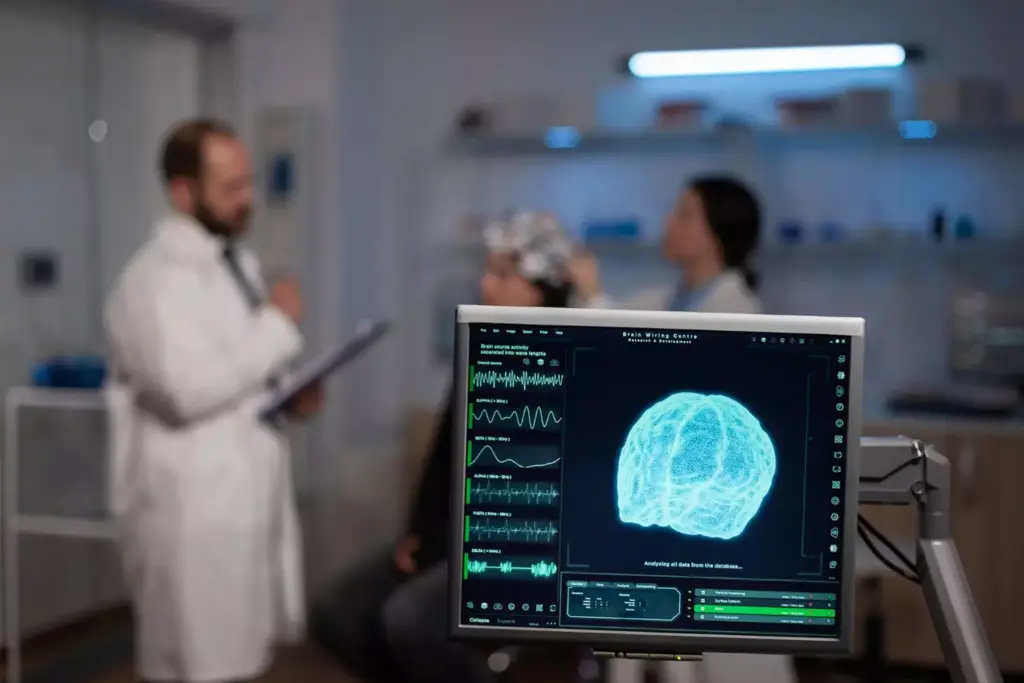
Brain tumor symptoms can be very subtle, making diagnosis hard. These tumors can show up in many ways. This makes it tough for doctors to find the cause of symptoms without a detailed check-up.
Why Brain Tumors Are Often Misdiagnosed
Brain tumors are often mistaken for other health issues. For example, headaches can be seen as tension or migraines, not a tumor. Persistent and worsening symptoms are signs that something serious might be happening.
The Importance of Persistence
It’s vital for patients and their families to keep pushing for medical help if symptoms don’t go away or get worse. Listening to your body and speaking up for yourself can really help in getting a diagnosis sooner.
“I was first told I had migraines, but my symptoms kept getting worse. It wasn’t until I got a detailed check-up that they found the brain tumor.” – Survivor Story
| Symptom | Common Misdiagnosis | Red Flag |
|---|---|---|
| Headaches | Tension Headaches, Migraines | Persistence, Worsening over time |
| Vision Changes | Glaucoma, Cataracts | Sudden or severe changes |
| Cognitive Changes | Alzheimer’s, Depression | Rapid progression |
In conclusion, the subtle nature of brain tumor symptoms makes diagnosis a big challenge. Knowing the risk of misdiagnosis and the need to keep pushing for answers can help find and treat tumors sooner.
Sign #1: Persistent and Unusual Headaches
Persistent and unusual headaches might signal a brain tumor. This is a serious condition that needs quick medical help. We’ll look at what these headaches are like and when they might mean something serious.
What Does a Brain Tumor Headache Feel Like?
Headaches from brain tumors are often dull and feel like pressure. They don’t get better with usual treatments. The pain can be in one spot or spread out, based on the tumor’s size and where it is.
Morning Headaches as a Warning Sign
Morning headaches are a big worry because they might mean a brain tumor. These headaches happen when you wake up and might feel a bit better as the day goes on. They’re thought to be caused by fluid buildup or swelling around the tumor while you sleep.
When Headaches Don’t Respond to Treatment
Headaches that keep coming back or get worse might mean a serious problem like a brain tumor. If your headaches don’t get better with medicine, see a doctor. They can figure out what’s wrong and suggest tests like an MRI, as mentioned in this document on traumatic and acquired brain injuries.
| Characteristics | Brain Tumor Headache | Typical Headache |
|---|---|---|
| Persistence | Persistent, worsening over time | Variable, often episodic |
| Response to Treatment | Often doesn’t respond to standard treatments | Usually responds to appropriate treatment |
| Timing | Can be worse in the morning | Varies, can occur at any time |
Sign #2: Vision Changes and Disturbances
Vision changes can be a big sign of a brain tumor. These changes can start small, so it’s key to know the different vision problems that can happen.
Types of Vision Problems
Brain tumors can lead to many vision issues. This is because they put pressure on the brain and optic nerves. Some common vision problems include:
- Blurred vision
- Double vision (diplopia)
- Loss of peripheral vision
- Fuzzy or distorted vision
- Difficulty seeing colors
These vision changes can come and go. They depend on the tumor’s size and where it is. It’s important to watch for any vision changes and talk to a doctor.
When to Be Concerned About Visual Symptoms
If you notice any of these, you should see a doctor right away:
- Sudden changes in vision
- Persistent blurred or double vision
- Loss of vision in one or both eyes
- Difficulty reading or performing daily tasks due to vision problems
Spotting brain tumors early can really help with treatment. So, don’t ignore any vision changes.
How Vision Changes Manifest in Daily Life
Vision changes from brain tumors can really affect your daily life. For example, blurred vision can make reading, driving, or even walking hard. Double vision can make it tough to judge distances, which can lead to accidents or falls.
| Symptom | Impact on Daily Life |
|---|---|
| Blurred Vision | Difficulty reading, driving, or performing tasks that require clear vision |
| Double Vision | Challenges in judging distances, potentially leading to accidents or falls |
| Loss of Peripheral Vision | Difficulty navigating through crowded spaces or detecting objects on the sides |
Knowing about these vision changes can help you spot the signs of a brain tumor. This way, you can get medical help quickly.
Sign #3: Cognitive and Memory Changes
It’s important to notice changes in how we think and remember. These changes can be small, but they’re key to spotting brain tumors early. Knowing about these signs can help doctors find and treat tumors faster.
Subtle Cognitive Shifts
Changes in how we think can be tricky to spot. They might show up as trouble focusing, feeling confused, or making odd decisions. It’s vital to watch for these signs, as they can be signs of other issues too.
For example, someone might have trouble keeping up with talks or making choices. They might also struggle to remember new words or follow instructions.
Memory Issues That Might Indicate a Tumor
Memory problems linked to brain tumors can be different for everyone. Some might forget things right away, while others might struggle to remember names or words.
It’s important to tell normal forgetfulness from serious memory issues. If memory problems are affecting your daily life, you should see a doctor.
Common Memory Issues:
- Forgetting recent events or conversations
- Struggling to recall familiar words or names
- Repeating questions or statements
- Getting lost in familiar places
Brain Tumor Symptoms in Females vs. Males
Studies show that brain tumor symptoms can show up differently in women and men. Knowing these differences is key to catching tumors early and treating them well.
| Symptom | Female | Male |
|---|---|---|
| Cognitive Changes | More likely to experience confusion and disorientation | More likely to experience difficulty with concentration |
| Memory Issues | Often report short-term memory loss | May experience difficulty recalling familiar words |
a top neurologist, says, “Spotting the subtle differences in symptoms between women and men is critical for better diagnosis and treatment.”
“The key to early detection lies in understanding the unique ways brain tumors manifest in different individuals.”
Sign #4: Balance Problems and Coordination Issues
Balance problems and coordination issues can be a big sign of a brain tumor. They can really affect how you do daily activities. When a tumor presses on certain brain parts, it messes with balance and coordination.
Physical Symptoms That Affect Daily Life
A brain tumor can cause many physical symptoms that change daily life. These include dizziness, loss of balance, and trouble with coordination. Even simple tasks like walking or standing can become hard.
For example, people might feel unsteady when walking or feel like they’re being pulled to one side.
Distinguishing Between Normal Clumsiness and Warning Signs
It’s important to tell normal clumsiness from signs of a serious issue like a brain tumor. While it’s okay to trip or stumble sometimes, constant and getting worse balance problems are not. If you or someone you know falls a lot, has trouble walking, or feels unsteady all the time, get medical help.
How Does a Brain Tumor Feel Physically?
The physical feelings from a brain tumor can be different for everyone. Some people might feel generally unwell or dizzy all the time. Others might notice weakness on one side of their body or trouble with fine motor skills.
The feeling of a brain tumor is not like pain or a lump on the head. It’s more like a mix of symptoms that affect how you move and feel overall.
In some cases, people wonder if they can feel a brain tumor on their head. Usually, a brain tumor doesn’t cause a noticeable lump or pain on the outside of the head. Instead, symptoms come from how the tumor affects brain function. Knowing these subtle differences helps spot warning signs.
Sign #5: Personality and Behavior Changes
A brain tumor can change a person’s behavior and personality. These changes can be small at first but grow over time. It’s hard for the person and their loved ones to deal with these changes.
When Loved Ones Notice Changes Before You Do
Family and friends often spot changes first. They might see irritability, mood swings, or odd behavior. “My wife was becoming increasingly withdrawn and irritable,” said one husband, whose wife was later diagnosed with a brain tumor. “I thought it was just stress, but looking back, there were clear signs something was wrong.”
These comments from loved ones are key. They can push the person to see a doctor.
Types of Personality Shifts That Raise Concern
Brain tumors can cause many personality changes. Some common ones include:
- Increased irritability or mood swings
- Withdrawal from social activities
- Uncharacteristic apathy or lack of interest in previously enjoyed activities
- Changes in emotional responses, such as inappropriate laughter or crying
While many things can cause these changes, a lasting shift needs a doctor’s check-up.
Brain Tumor Stories: First Behavioral Symptoms
Many survivors say their first symptoms were changes in personality or behavior. For example, Sarah, a survivor, shared her story:
“I became increasingly withdrawn and lost interest in activities I used to love. My family noticed I was more irritable, and it was like I was a different person.”
Her story shows why we should take these changes seriously and get medical help.
By knowing these signs and sharing our experiences, we can support those affected by brain tumors.
Sign #6: Seizures and Neurological Episodes
Neurological episodes, like seizures, are key signs of a brain tumor. Seizures are sudden and can be linked to many health issues, including brain tumors. We’ll look at first-time seizures in adults, subtle seizure signs, and their connection to brain tumors.
First-Time Seizures in Adults
Having a seizure for the first time can be scary for adults. Adults usually don’t have seizures, making it more alarming. First-time seizures in adults can be caused by several factors, including brain tumors. It’s important to get medical help right away if a seizure happens.
Seizure symptoms can vary but often include convulsions, loss of consciousness, and changes in awareness. After a seizure, people might feel confused, tired, and have headaches. Knowing these symptoms can help find the cause.
Subtle Seizure Activity You Might Miss
Not all seizure activity is obvious or immediately seen. Subtle seizure activity can show as small twitches, brief loss of awareness, or slight behavior changes. These signs can be missed or thought of as something else.
It’s important to notice these subtle signs, mainly if they keep happening or with other symptoms. Keeping a record of these events and what they are can help doctors.
The Link Between Seizures and Brain Tumors
Seizures are a known symptom of brain tumors. The chance of a seizure depends on the tumor’s location, size, and type. Tumors near the brain’s surface are more likely to cause seizures. Knowing this link is key for early detection and treatment.
Studies show seizures can be the first sign of a brain tumor in some cases. So, any new seizure activity needs a detailed medical check-up.
Stories from brain tumor forums highlight the importance of recognizing seizures as a symptom. Many have been diagnosed with a brain tumor after a seizure. These stories show the need for awareness and quick medical action.
| Type of Seizure Activity | Possible Indications |
|---|---|
| Generalized Seizures | Convulsions, loss of consciousness |
| Partial Seizures | Localized symptoms, altered consciousness |
| Subtle Seizure Activity | Minor twitching, brief loss of awareness |
Understanding seizure signs and symptoms linked to brain tumors helps get medical help sooner. This awareness can lead to earlier diagnosis and better treatment.
“I had never experienced a seizure before, and it was terrifying. It wasn’t until later that I was diagnosed with a brain tumor. Looking back, I realize that the seizure was a warning sign that something was wrong.”
Sign #7: Speech and Language Difficulties
Brain tumors can cause many symptoms, including speech and language problems. These issues can differ from person to person. It’s important to understand these changes early for better treatment.
Communication Changes That Signal Problems
Brain tumors can affect how we communicate. People might struggle to find the right words or understand others. They may also find it hard to express themselves clearly.
Key communication changes to watch out for include:
- Difficulty articulating thoughts or sentences
- Using nonsensical or inappropriate words
- Struggling to follow or understand conversations
- Repeating words or phrases
When Word-Finding Becomes Difficult
Finding the right words can be hard for those with brain tumors. It’s frustrating when you know what you want to say but can’t. This symptom might start off small, like during conversations or when trying to remember names.
Examples of word-finding difficulties include:
- Pausing frequently during speech to find the right word
- Using circumlocutions (describing a word without using it)
- Substituting words with similar meanings
Speech Patterns That Concern Doctors
Some speech changes are a big worry for doctors. These include slurred speech, changes in tone or pitch, and trouble with pronunciation. These signs might mean a brain tumor is affecting how we speak.
It’s key for people and their families to know these signs. Talking to a doctor early can help get the right treatment. This could improve life for those with brain tumors.
Sign #8: Nausea, Vomiting, and Sensory Changes
Nausea, vomiting, and changes in how we sense things are signs of a brain tumor. These symptoms are tricky because they can mean many things. It’s important to think about them with other signs.
Unexplained Nausea Without Digestive Issues
Nausea and vomiting often point to stomach problems. But if they happen without stomach issues, it might be a brain tumor. The pressure from a tumor can cause these symptoms.
Key characteristics of nausea related to brain tumors include:
- Persistence despite the absence of digestive issues
- Occurrence in the morning or upon waking
- Worsening over time
Sensory Disruptions: Smell, Taste, and Touch
Brain tumors can mess with how we sense things. This can affect smell, taste, and touch. You might smell less, taste things differently, or feel odd sensations on your skin.
| Sensory Disruption | Description |
|---|---|
| Smell | Reduced ability to smell or perceiving unusual odors |
| Taste | Altered taste perception, such as metallic taste or reduced ability to taste |
| Touch | Unusual sensations on the skin, such as numbness or tingling |
Do Brain Tumor Symptoms Come and Go?
Brain tumor symptoms can change a lot. This makes it hard to catch them early. But, symptoms usually get worse if there’s a tumor.
Patients often report that their symptoms are intermittent, which can lead to delays in seeking medical attention. If symptoms keep coming back or getting worse, see a doctor.
Knowing these signs helps us spot serious problems. If you have these symptoms, see a doctor right away.
“How I Knew I Had a Brain Tumor Forum”: Survivors Share Their Stories
Survivors of brain tumors share their stories, showing the many symptoms that led to their diagnosis. These stories give insight into early signs and support those going through their own diagnosis.
Common Patterns in Diagnosis Stories
Looking at brain tumor survivor stories, some patterns stand out. Many say they had symptoms like headaches, vision changes, and cognitive shifts before finding out they had a tumor.
These symptoms often started slowly and came and went. This makes it hard to know when to see a doctor, as symptoms can change.
Can Brain Tumor Symptoms Come and Go?
Yes, brain tumor symptoms can change. This is because of the tumor’s size, location, and how fast it grows. Symptoms may be worse at certain times or under specific conditions, like when waking up or being active.
It’s key to understand that symptoms can change. This helps both patients and doctors know when to look into symptoms more closely.
The Moment Survivors Knew Something Was Seriously Wrong
Many survivors remember a moment when they knew something was wrong. This often came after noticing small changes or a sudden bad symptom. For some, it was a severe headache or seizure that made them seek help right away.
These stories show how important it is to listen to your body and get checked if you’re worried. By sharing, survivors help others understand brain tumor symptoms and the need for early detection.
Conclusion: When to See a Doctor and What to Expect
If you notice any unusual or lasting symptoms, it’s key to see a doctor. We’ve talked about eight clear signs of a brain tumor. These include headaches, vision changes, and memory issues.
When you go to your doctor, be ready to talk about your symptoms. Share when they started, how long they’ve lasted, and what makes them better or worse. Joining a brain tumor support group or online forums can offer valuable insights and support.
It’s important to know the signs of a brain tumor for early detection and treatment. By being aware, you can take charge of your health and seek help if needed. Your doctor will likely do a physical exam, take your medical history, and might order tests like an MRI or CT scan.
Understanding what to expect from a doctor’s visit and being proactive about your health is important. Sharing your experiences with others can help raise awareness and support those affected.
What does a brain tumor headache feel like?
Brain tumor headaches are often a dull pressure or sharp pain. They can be worse in the morning. They also don’t always respond to usual headache treatments.
Can brain tumor symptoms come and go?
Yes, symptoms can change and may not always be there. This makes it hard to diagnose. The symptoms’ intensity and frequency can depend on the tumor’s size and where it is.
How do I know if I have a brain tumor?
If you have headaches, vision changes, or memory problems, see a doctor. They will check your symptoms and do tests to find out what’s causing them.
What are the common signs of a brain tumor?
Signs include headaches, vision changes, and memory issues. You might also have balance problems, personality changes, seizures, speech issues, and nausea or vomiting.
Can you feel a brain tumor on your head?
Sometimes, a tumor can cause a lump or swelling. But not always. Many tumors are deep in the brain and can’t be felt.
Do brain tumor symptoms vary between females and males?
Some studies suggest symptoms might differ between genders. But more research is needed to understand these differences fully.
What should I expect during a medical consultation for suspected brain tumor symptoms?
Your doctor will take a detailed medical history and do a physical exam. They might also do imaging tests like MRI or CT scans to check your symptoms.
Can brain tumor pain come and go?
Yes, pain from a brain tumor, like headaches, can change. If you have ongoing or severe pain, talk to a doctor.
Are there any support groups for brain tumor survivors?
Yes, there are support groups and online forums. They let survivors share their stories and support each other.
How can I raise awareness about brain tumors?
You can help by sharing info on social media, joining fundraising events, and supporting brain tumor research and support groups.
Reference
- Cancer News. Being diagnosed with a brain tumour – Mary’s story. https://news.cancerresearchuk.org/2018/07/30/being-diagnosed-with-a-brain-tumour-marys-story/
- brainstrust. Patient Stories 2025. https://brainstrust.org.uk/patient-stories-2025