
When you suddenly feel headaches, confusion, or seizures, it’s important to know the signs of cerebral edema. At Liv Hospital, we help you understand the main brain swelling symptoms and what this condition really is.
Cerebral edema is when too much fluid builds up in the brain. This can cause the brain to swell and put pressure on itself. It can happen for many reasons, like a head injury, infection, or tumor. Spotting the symptoms of cerebral edema, like headaches, nausea, and vision problems, is key to getting help fast.
We’re all about top-notch healthcare and support. Knowing about cerebral edema helps us find its causes and how to treat it. Our team is here to care for you with kindness and skill.
Key Takeaways
- Cerebral edema is when too much fluid builds up in the brain.
- Signs include headaches, nausea, vomiting, dizziness, and vision issues.
- Seeing a doctor right away is important if you notice these symptoms.
- Cerebral edema can be caused by trauma, infections, tumors, or high altitude.
- Understanding cerebral edema is key to finding its causes and treatments.
What Is Cerebral Edema? Understanding Brain Swelling

Cerebral edema, or brain edema, is when the brain swells because of too much fluid. We’ll dive into what this means, its medical definition, and the different names for it.
Medical Definition of Brain Edema
Cerebral edema is when too much fluid builds up in the brain, causing it to swell. This can happen for many reasons, like traumatic brain injuries, infections, and tumors. It’s important to understand how it affects the brain and its functions.
This fluid buildup can cause serious problems, such as:
- Increased intracranial pressure
- Brain herniation
- Neurological deficits
Terminology Variations: Oedema Cerebri, Cerebral Oedem, and Other Terms
Terms like oedema cerebri and cerebral oedem mean the same as cerebral edema. They all describe brain swelling. It’s key for doctors and patients to know these terms well.
Here are some important points about cerebral edema terms:
- Different terms are used in different medical settings.
- It’s vital to grasp the condition, no matter the term used.
The Pathophysiology Behind Brain Swelling
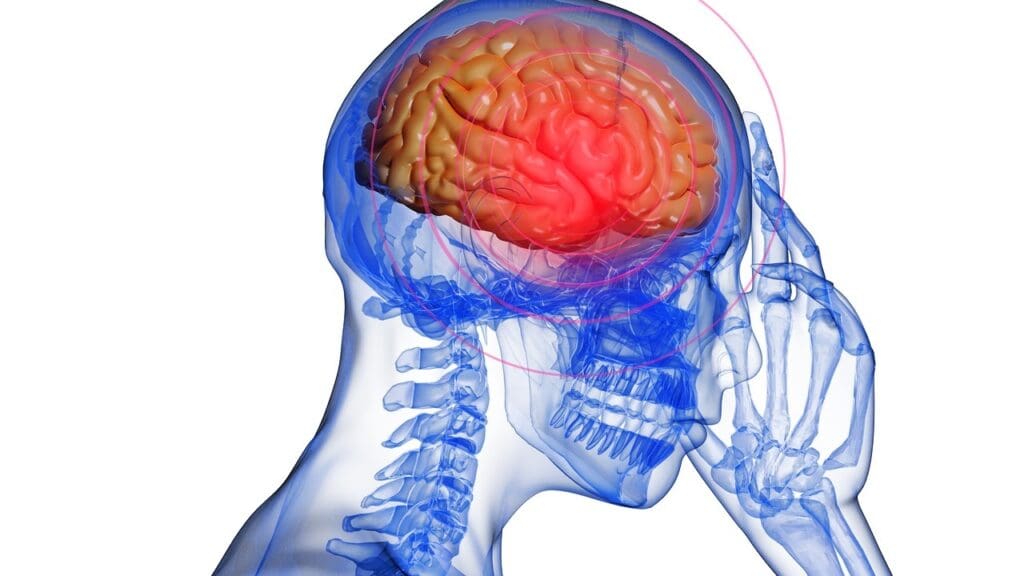
Brain swelling is a complex issue. It happens when too much fluid builds up in the brain’s tissues. This causes the brain to swell, leading to high pressure inside the skull. This can be due to injuries, infections, or tumors.
How Fluid Accumulates in Brain Tissue
Fluid buildup in the brain is caused by several factors. It can happen when the blood-brain barrier is broken, letting fluid leak into the brain. Cells can also swell due to injury, leading to more fluid in the brain. Knowing how this happens helps doctors find better ways to treat it.
Intracranial Pressure: The Dangerous Consequence
High intracranial pressure is a serious problem caused by brain swelling. As fluid builds up, pressure inside the skull increases. This can damage the brain or even be fatal if not treated. Recent studies show that controlling this pressure is key to treating brain swelling. It’s important to watch the pressure closely and act fast to avoid serious problems.
Key Brain Swelling Symptoms You Should Never Ignore
It’s vital to know the signs of brain swelling to get help fast. Spotting the warning signs early can greatly improve treatment results.
Headaches and Pain Patterns
Headaches are a common sign of brain swelling. They are often severe and don’t go away. You might also feel pain in your neck or have pain that gets worse when you move.
Seek medical help right away if you have a sudden, severe headache. It could mean your brain pressure is too high.
Nausea and Vomiting
Nausea and vomiting are common signs of brain swelling. You might feel dizzy or have vertigo too. These symptoms mean your skull pressure is rising and need quick doctor’s attention.
Changes in Consciousness and Alertness
Changes in how you feel can range from mild confusion to coma. At first, you might feel disoriented or have trouble focusing. Watching for any changes in how you feel is very important. It shows if brain swelling is getting worse.
Knowing these symptoms can help you get medical help quickly. If you or someone you know is showing these signs, get help right away. This can prevent serious problems.
Neurological Manifestations of Cerebral Edema
Neurological signs of cerebral edema vary a lot. This depends on how bad the swelling is and where it is in the brain. It’s key to know how it affects people and why quick medical help is needed.
Cognitive and Behavioral Changes
Cerebral edema can cause big changes in thinking and behavior. People might get confused, disoriented, and forget things. They could also become very irritable or seem very apathetic.
These changes are hard for both the person and their family. It shows how important it is to care for them with kindness.
Motor Function Impairments
Motor function problems are common too. Patients might feel weak, numb, or paralyzed in different parts of their body. This can make it hard to move around and stay balanced.
In serious cases, it can make people lose a lot of independence. They might need a lot of help and special programs to get better.
Speech and Language Difficulties
Speech and language issues can also happen. Some people might have trouble finding the right words or speaking clearly. In bad cases, they might lose their ability to speak or have a hard time speaking.
Speech therapy is often needed to help them get their speaking skills back.
Vision Problems and Other Sensory Disturbances
Cerebral edema can cause vision problems and other sensory issues. These problems can greatly affect a person’s life. The swelling brain puts pressure on different parts, leading to these symptoms.
Visual Changes Associated with Brain Edema
Visual changes are common in brain edema. Symptoms include blurred vision, double vision, or loss of visual field. Some people might see visual hallucinations or have disturbances in visual perception.
Medical experts say, “The increased pressure from brain edema can harm the optic nerves. This leads to various visual problems.”
“Visual symptoms can be an early warning sign of cerebral edema, and prompt medical attention is critical to prevent long-term damage.”
Other Sensory Disruptions
Brain edema can also disrupt other senses. This includes problems with hearing, balance, or sensation. Patients might feel numbness or tingling in their hands or face.
These symptoms can be very distressing. They need a thorough medical check-up to find the right treatment.
Seizures and Other Severe Brain Swelling Symptoms
Seizures are a serious and potentially life-threatening sign of cerebral edema. They need immediate medical help. Seizures can be a scary side effect of brain swelling. It’s important to know the types of seizures and the warning signs.
Types of Seizures Related to Cerebral Edema
Seizures from cerebral edema can vary. Some people might have generalized tonic-clonic seizures. Others might have focal seizures that target specific brain areas. Knowing these differences helps in giving the right care.
Emergency Warning Signs
It’s key to spot emergency warning signs for seizures from cerebral edema. Look out for changes in consciousness, trouble breathing, or severe headaches. Being alert to these signs helps in quick action.
| Emergency Warning Signs | Description |
|---|---|
| Changes in Consciousness | Altered mental status, confusion, or loss of consciousness |
| Difficulty Breathing | Shortness of breath, labored breathing, or respiratory arrest |
| Severe Headache | Sudden and severe headache, often described as “the worst headache of my life” |
Major Types of Brain Edema
There are several main types of brain edema, each with its own features. Knowing these differences is key for diagnosing and treating it. Brain edema can be divided based on its causes and how it affects the brain.
Vasogenic Edema: When Brain Vessels Become Swollen
Vasogenic edema happens when the blood-brain barrier breaks down. This causes fluid to build up in brain tissue. It’s often seen with tumors, abscesses, and other growths in the brain.
Causes and Characteristics
The main reason for vasogenic edema is when the tight junctions between blood vessel cells get damaged. This lets plasma proteins and fluid leak into the brain. This can raise pressure inside the skull and be very dangerous.
Clinical Significance
Vasogenic edema is serious because it can cause a lot of brain damage if not treated. We need to find the cause and use the right treatments to lessen its impact.
Cytotoxic Edema: Cellular Injury and Swelling
Cytotoxic edema comes from damage to cells, often from lack of blood flow or toxins. This type of edema makes cells swell but doesn’t break the blood-brain barrier.
Damage to cells stops ion pumps from working. This lets sodium and water rush into cells, making them swell. This can happen in strokes or when exposed to harmful substances.
Other Classifications: Central Edema and Edemas Cerebrales
There are also central edema and edemas cerebrales, which describe specific ways brain swelling can happen. Central edema is often seen at high altitudes or in certain conditions.
“Understanding the specific type of brain edema is key for effective treatment.” By knowing how each type works, we can give better care to patients.
Common Causes of Cerebral Edema
Cerebral edema can come from many sources, like injuries, blood vessel problems, and diseases. Knowing what causes it helps doctors treat it better.
Traumatic Brain Injuries
Traumatic brain injuries (TBI) often lead to cerebral edema. The injury can cause swelling and pressure in the brain. Quick medical help is key to avoid more damage.
Stroke and Vascular Events
Stroke and blood vessel issues can also cause cerebral edema. A stroke can harm brain cells and cause swelling. Acting fast is important to lessen brain damage.
Infections and Inflammatory Conditions
Infections like meningitis and encephalitis can cause swelling in the brain. Inflammation from other conditions can also lead to swelling. It’s important to treat these conditions well.
Brain Tumors and Related Swelling
Brain tumors can cause swelling by taking up space and pressing on the brain. Treating tumors often means managing the swelling too.
High Altitude Cerebral Edema
High altitude cerebral edema (HACE) is a serious condition from going too high too fast. It can cause severe swelling in the brain. Going down immediately is often the only way to avoid serious problems.
In summary, cerebral edema can come from many causes, like injuries, strokes, infections, tumors, and high altitudes. Understanding these causes is essential for proper care and treatment.
Diagnosing Brain Swelling: Medical Approaches
We use advanced neuroimaging and clinical assessment to diagnose brain swelling. Understanding the patient’s condition is key in diagnosing cerebral edema.
Neuroimaging Techniques
Neuroimaging is vital in diagnosing cerebral edema. We use several techniques:
- CT Scans: Fast and available, CT scans show the extent and location of swelling.
- MRI and Other Advanced Imaging: MRI gives detailed brain images. It helps find the cause of swelling. Other techniques may also be used.
CT Scans
CT scans are first used for acute brain injuries and swelling. They are quick, easy to find, and spot acute hemorrhages well.
MRI and Other Advanced Imaging
MRI shows the brain in high detail. It spots small changes in brain tissue. It’s great for finding swelling causes like tumors or infections.
Clinical Assessment and Other Diagnostic Tools
Clinical assessment is also key in diagnosing swelling. It involves checking symptoms, medical history, and physical exams to see if swelling is present and how severe it is.
Important parts of clinical assessment include:
- Checking for changes in consciousness and alertness
- Looking at neurological deficits, like motor function problems
- Reviewing medical history for swelling causes
Treatment Strategies for Cerebral Edema
We use different treatments to handle cerebral edema and lessen its symptoms. Our main aim is to shrink brain swelling and control pressure inside the skull. This helps prevent more brain harm.
Medical Interventions
Medical treatments are key in fighting cerebral edema. They aim to lessen swelling and control skull pressure.
Medications to Reduce Swelling
Mannitol and hypertonic saline are often used to shrink brain swelling. These drugs create an osmotic gradient. This gradient pulls water from brain tissue, lowering skull pressure.
Managing Intracranial Pressure
Keeping skull pressure in check is vital in treating cerebral edema. This can be done by raising the bed head, ensuring good air flow, and using drugs to lower pressure.
Surgical Options for Severe Cases
For severe cerebral edema, surgery might be needed. Surgical methods include removing part of the skull to let the brain expand. They also involve putting in pressure monitors to watch pressure closely.
| Treatment Approach | Description | Benefits |
|---|---|---|
| Medical Interventions | Use of medications to reduce swelling and manage intracranial pressure | Non-invasive, can be started quickly |
| Surgical Options | Decompressive craniectomy and insertion of intracranial pressure monitors | Effective for severe cases, can be lifesaving |
Conclusion: Understanding the Seriousness of Brain Edema
Cerebral edema is a serious condition where fluid builds up in the brain. This causes the brain to swell and puts pressure on the brain. We’ve looked at what causes it, how to spot the signs, and how to treat it.
It’s key to know how serious brain edema is to help patients. By knowing the symptoms like headaches and changes in how you feel, you can get help fast. Quick action can make a big difference in treatment success and can even save lives.
We stress the need to be aware of the dangers of brain edema. Things like head injuries, strokes, and infections can lead to it. Knowing this helps you take care of your brain and get help when you need it.
What is cerebral edema?
Cerebral edema, also known as brain edema, is when too much fluid builds up in the brain. This causes the brain to swell and puts pressure inside the skull.
What are the common causes of cerebral edema?
Several things can cause cerebral edema. These include head injuries, strokes, infections, tumors, and being at high altitudes.
What are the symptoms of brain swelling?
Signs of brain swelling include headaches and feeling sick. You might also feel dizzy, have trouble thinking, or have speech problems. Vision issues can also occur.
How is cerebral edema diagnosed?
Doctors use scans like CT and MRI to see if the brain is swollen. They also check your symptoms, medical history, and how you feel physically.
What are the different types of brain edema?
There are a few types of brain edema. These include vasogenic, cytotoxic, central, and edemas cerebrales. Each type has its own cause and symptoms.
What is vasogenic edema?
Vasogenic edema happens when the blood-brain barrier breaks down. This lets fluid leak into the brain tissue.
How is cerebral edema treated?
Treating cerebral edema involves several steps. Doctors aim to reduce swelling and manage pressure. This can include medicine and surgery for severe cases.
Can cerebral edema lead to seizures?
Yes, cerebral edema can cause seizures. These can be mild or severe. Seizures are a serious warning sign.
What are the consequences of increased intracranial pressure?
High pressure in the brain can cause serious damage. It can even lead to death if not treated right away.
Is cerebral edema a serious medical condition?
Yes, cerebral edema is very serious. It needs quick medical help to avoid serious problems.
What is the definition of brain edema?
Brain edema is a condition where the brain swells. It’s caused by fluid buildup. It’s also known as oedema cerebri or cerebral oedem.
References
- NHS (Encephalitis) : https://www.nhs.uk/conditions/encephalitis
- Wikipedia (Cerebral edema) : https://en.wikipedia.org/wiki/Cerebral_edema
- NCBI Bookshelf (Cerebral Edema) : https://www.ncbi.nlm.nih.gov/books/NBK537272
- Medical News Today (What to know about cerebral edema) : https://www.medicalnewstoday.com/articles/322475