
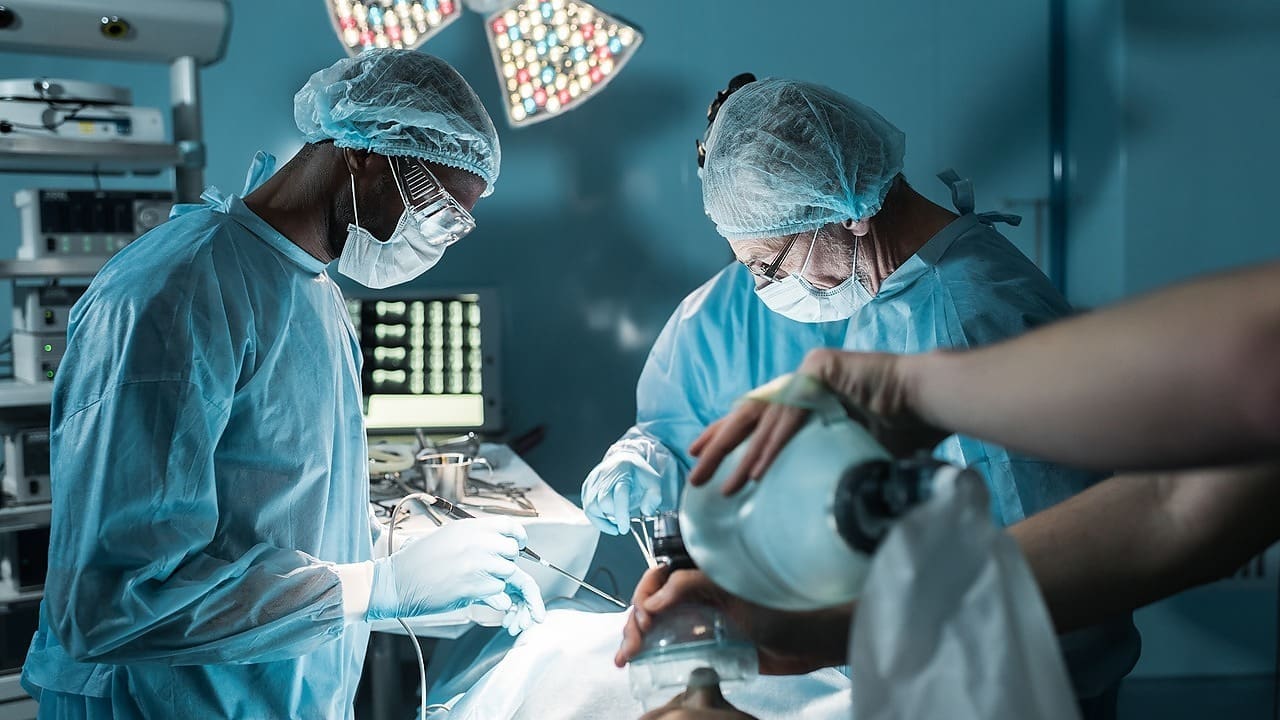
At Liv Hospital, we know how complex and worrying brain tumor removal surgery can be. We aim to provide top-notch, patient-focused care for those dealing with brain masses.
Recent studies have shown that removing brain metastases through surgery is now a key treatment for some patients. It improves their survival and quality of life. We’ve seen that more than 60% of patients feel better or function better after brain cancer surgery. Our team uses the latest imaging and technology to make sure our patients get the best results.
Key Takeaways
- Surgical resection is a key treatment option for both malignant and non-malignant brain masses.
- Advanced imaging and technology guide precise interventions.
- Over 60% of patients experience symptom relief or improved functionality.
- Liv Hospital is committed to delivering high-quality, patient-centered care.
- Our team utilizes the latest medical expertise and technology.
Understanding Brain Tumors and When Surgery Is Necessary
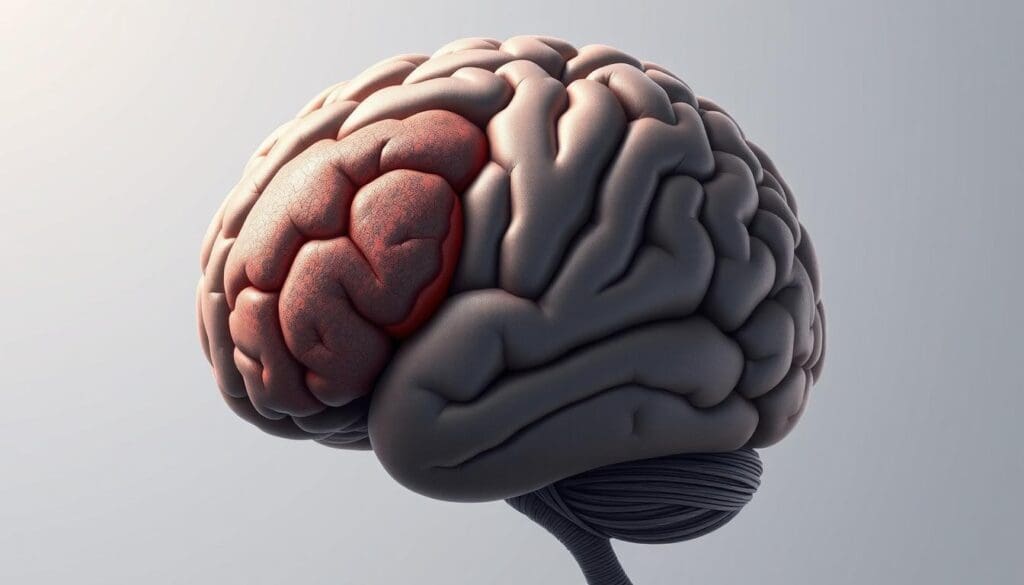
It’s important to understand brain tumors to choose the right treatment. There are two main types: malignant and non-malignant. Malignant brain tumors are cancerous and grow fast. They can spread to other parts of the brain. On the other hand, non-malignant brain tumors grow slower and don’t spread as much.
Types of Brain Tumors: Malignant vs. Non-Malignant
Brain metastases are common in cancer patients, affecting 10%–40% of them. Knowing if a tumor is malignant or non-malignant helps doctors plan treatment.
Common Locations and Growth Patterns
Brain tumors can grow in different parts of the brain. Some grow fast, while others stay the same size for years. Where and how fast a tumor grows affects symptoms and treatment.
The effect of a brain tumor on the brain varies. Malignant tumors can harm brain tissue, causing serious problems. Non-malignant tumors may not grow as fast but can also cause issues by taking up space.
Surgery is often needed to remove or shrink tumors. It helps relieve symptoms and improve life quality. Deciding on surgery depends on the tumor type, location, and the patient’s health.
The Goals and Benefits of Brain Cancer Surgery

Brain cancer surgery aims to remove tumors, ease symptoms, and improve life quality. It’s a big decision, but our team offers full support and care. We’re here to help every step of the way.
Maximizing Tumor Resection While Preserving Healthy Tissue
The main goal is to remove as much tumor as possible without harming healthy brain tissue. This careful approach is key to keeping brain function and improving outcomes. Advanced surgical techniques and technology help achieve this balance.
Symptom Relief and Improved Functionality in 60% of Patients
Research shows that surgery followed by whole-brain radiation therapy (WBRT) boosts survival and quality of life for brain metastasis patients. About 60% of patients see big improvements in symptoms and function. This is thanks to reduced tumor size and less pressure on the brain.
Creating Access for Additional Treatments
Surgery not only removes tumors but also opens up the brain for more treatments. Tissue sampling during surgery helps understand the tumor’s biology. It also prepares the patient for radiation therapy and chemotherapy.
Preparing for Radiation and Chemotherapy
Removing as much tumor as possible makes other treatments more effective. Radiation and chemotherapy can then target the remaining cells. This could lead to better survival rates.
Tissue Sampling for Targeted Therapies
Tissue sampling during surgery is key for finding specific genetic markers. These markers help tailor treatments to each patient. This personalized approach is vital in today’s cancer care.
Advanced Techniques in Brain Mass Surgery
Brain mass surgery has seen big improvements with new techniques. New surgical methods and tools help make surgeries safer and more effective. This is thanks to advances in technology, as noted by Hatiboglu et al. Now, we have many advanced ways to help patients get better after brain surgery.
Image-Guided Surgery and Neuronavigation
Image-guided surgery and neuronavigation have changed neurosurgery a lot. These technologies help us find and remove brain tumors accurately. They also protect the healthy tissue around them. A top neurosurgeon says these tools have made brain surgery much more precise.
Intraoperative Monitoring for Precision
Intraoperative monitoring is key for precise brain surgery. Tools like EEG and SSEP let us check brain function as we go. This way, we can make changes right away if needed.
Minimally Invasive Approaches for Faster Recovery
Minimally invasive surgery is becoming more common for brain surgery. It aims for quicker recovery times. We use endoscopic surgery and laser therapy to reduce damage and complications.
Endoscopic Techniques
Endoscopic surgery uses a small camera and tools through tiny cuts. It’s great for reaching tumors in tricky spots.
Laser Interstitial Thermal Therapy
Laser interstitial thermal therapy (LITT) uses laser heat to kill tumor cells. It’s a good choice for some brain tumors, like those deep inside the brain.
Non-Malignant Brain Tumor Surgery: Approaches and Considerations
Non-malignant brain tumors are tricky for surgeons. They must carefully remove the tumor without harming nearby healthy tissue. We’ll look at how to handle these surgeries, focusing on keeping the brain working well.
Preventing Neurological Deficit from Benign Growths
Even though benign brain tumors are not cancerous, they can cause big problems. Doctors often suggest surgery for tumors that are big and pressing on important areas. This is true for tumors that are causing a lot of pressure or blocking fluid in the brain.
Surgical Approaches for Common Benign Tumors
Each type of benign tumor needs its own special surgery. For example, meningioma removal requires careful cutting to avoid damaging nearby nerves.
Meningioma Removal Techniques
Meningiomas grow from the meninges, the protective layers of the brain. To remove them, doctors make an opening in the skull. This lets them get right to the tumor.
Acoustic Neuroma Surgery
Acoustic neuromas grow on the nerve that controls hearing and balance. The goal of surgery is to take out the tumor without harming hearing or facial muscles.
Risk-Benefit Analysis for Asymptomatic Benign Tumors
For tumors that don’t cause symptoms, doctors must think carefully. They weigh the good of removing the tumor against the chance of brain damage.
| Tumor Type | Surgical Approach | Risk Consideration |
|---|---|---|
| Meningioma | Craniotomy | Risk of cerebral edema |
| Acoustic Neuroma | Retrosigmoid or translabyrinthine approach | Risk of hearing loss or facial weakness |
Brain Tumor After Removal: The Immediate Recovery Phase
After a brain tumor is removed, the care right after surgery is key. It helps manage risks and supports the patient’s healing. This early stage is very important and needs careful attention to ensure the best results.
Hospital Stay Duration: What to Expect
The time a patient stays in the hospital after surgery can change. It depends on the surgery type, the patient’s health, and if any complications arise. Usually, patients stay for a few days to a week or more.
| Surgery Type | Average Hospital Stay |
|---|---|
| Craniotomy | 5-7 days |
| Minimally Invasive Surgery | 3-5 days |
Managing Pain and Possible Complications
Managing pain well is very important in the early recovery. Patients might feel headaches, nausea, or tiredness. These are usually treated with medicine and rest. The team also watches for complications like infection or swelling in the brain.
Initial Neurological Assessments
Right after surgery, doctors check the patient’s brain function. They look at thinking, movement, and senses. This helps find any problems early on.
Monitoring for Cerebral Edema
Swelling in the brain, or cerebral edema, is a risk after surgery. It’s important to watch for signs like high pressure, headaches, or changes in brain function. This helps catch it early.
Early Mobility and Rehabilitation
Moving around and starting therapy early is key. It helps patients get stronger, move better, and think clearer. This reduces the chance of lasting problems.
By watching patients closely and quickly dealing with problems, doctors can help them recover better. This support is important for a successful healing process.
Long-Term Recovery Timeline Following Brain Tumor Resection
Recovering from brain tumor surgery is a long journey. It goes beyond the time spent in the hospital. Patients usually start doing low-impact activities a few weeks after surgery.
Resuming Low-Impact Activities Within Weeks
They start with easy exercises and slowly get more intense. This helps them build strength and avoid problems. Studies show it can take months to fully recover, so patience and a good plan are key.
Physical and Occupational Therapy Protocols
Physical therapy helps patients get their strength and mobility back. Occupational therapy helps them do daily tasks and stay independent. Both are customized to fit each person’s needs and progress.
Cognitive Rehabilitation When Necessary
Some patients need cognitive rehab for memory loss or trouble with planning. This rehab is important for adjusting to any brain changes after surgery.
Memory and Executive Function Training
Memory training helps improve recall and keeping information. Executive function training helps with planning and organizing daily tasks.
Speech and Language Therapy
Speech and language therapy is vital for those with speech or language issues after surgery. It helps them regain their communication skills and confidence.
When a Brain Mass Is Considered Inoperable
Inoperable brain masses are a big challenge in neuro-oncology. They need a team effort to tackle. If a brain tumor can’t be operated on, it’s tough. But, there are many ways to treat it.
Factors That Determine Inoperability
Deciding if a brain mass is inoperable involves several key points. The tumor’s spot and the patient’s health are top factors.
Critical Location Near Vital Structures
Tumors close to important brain parts are risky for surgery. Surgery might not be safe to protect these areas.
Patient Health Considerations
A patient’s health and past medical issues are also key. Some health problems make surgery too risky.
Alternative Treatment Options for Inoperable Tumors
For inoperable brain masses, other treatments are needed. These include radiosurgery and targeted therapy.
Radiosurgery gives focused, high radiation to the tumor. It tries to avoid harming nearby tissue. Targeted therapy uses drugs that attack cancer cells but spare healthy ones.
Radiosurgery and Targeted Therapy Approaches
Radiosurgery works well for small to medium tumors. It’s a non-surgical method done outside the hospital. Targeted therapy is always getting better, giving hope to those with inoperable tumors.
We aim to give full care to those with inoperable brain masses. We use the newest in neuro-oncology to better their lives and outcomes.
Survival Benefits and Quality of Life After Removing Tumor From Brain
Removing brain tumors can greatly improve a patient’s survival and quality of life. Surgery to remove brain metastases can lead to better survival rates and quality of life. This is true when surgery is combined with treatments like Whole Brain Radiation Therapy (WBRT).
Impact on Life Expectancy for Different Tumor Types
The life expectancy after removing a brain tumor varies by tumor type. For malignant tumors, survival rates have improved thanks to better surgery and treatments. Non-malignant tumors usually have a better outlook, with many patients living nearly as long as before their diagnosis.
Quality of Life Improvements Post-Surgery
Many patients see a big boost in their quality of life after surgery. They often experience less neurological symptoms, better thinking skills, and overall well-being. Research shows that up to 60% of patients feel better and function more normally after surgery.
Factors That Influence Long-Term Outcomes
Several things can affect how well a patient does after surgery. These include:
Extent of Resection
How much of the tumor is removed is key to long-term success. Removing most or all of the tumor (GTR) leads to better survival and fewer recurrences than removing only part of it.
Molecular and Genetic Factors
Genetic and molecular factors also matter a lot. For example, some genetic mutations can affect how the tumor grows and responds to treatment.
| Tumor Type | 5-Year Survival Rate | Quality of Life Improvement |
|---|---|---|
| Malignant | 30-50% | Significant improvement in 60% of patients |
| Non-Malignant | 80-90% | Improved functionality and symptom relief |
Knowing these factors helps doctors and patients make better treatment choices. It also helps predict how well a patient might do.
Conclusion: Making Informed Decisions About Brain Tumor Treatment
Understanding brain tumor treatment is key for patients to make smart choices. Knowing about surgery, radiosurgery, and targeted therapy helps patients plan their care better. This can lead to better results.
Studies show that informed patients often do better (Hatiboglu et al.). We’ve talked about different brain tumors, the good points of surgery, and how tumors are removed. This knowledge helps patients make choices that fit their needs.
To make good choices about treatment, patients need to know their options well. Working with their healthcare team is important. Together, they can create a plan that improves the patient’s life.
What is brain tumor removal surgery?
Brain tumor removal surgery, also known as brain tumor resection, is a procedure to remove a brain tumor. We use advanced imaging and technology for precise intervention. This helps us remove as much of the tumor as possible while keeping healthy tissue safe.
When is surgery necessary for brain tumors?
Surgery is often needed for brain tumors that cause symptoms, grow in size, or are likely to be cancerous. We look at each case carefully. We consider the tumor type, location, and the patient’s health to decide the best treatment.
What are the benefits of brain cancer surgery?
Surgery for brain cancer can relieve symptoms and improve function in more than 60% of patients. It also opens up options for treatments like radiation and chemotherapy. Plus, it allows for tissue sampling for targeted therapies.
Can all brain tumors be removed surgically?
Not all brain tumors can be removed surgically. Tumors near important brain areas or in patients with certain health issues might not be operable. For these cases, we look into other treatments like radiosurgery and targeted therapy.
What are the advanced techniques used in brain mass surgery?
We use advanced techniques like image-guided surgery and neuronavigation for precise brain mass surgery. We also use minimally invasive methods, such as endoscopic surgery and laser interstitial thermal therapy, to help patients recover faster.
How long is the hospital stay after brain tumor removal surgery?
Hospital stays after brain tumor removal surgery vary, but most patients stay for a few days to a week. We closely watch patients, manage pain, and check for complications. We also do initial neurological checks.
What is the long-term recovery timeline following brain tumor resection?
Patients can usually start with low-impact activities within weeks after surgery. We provide plans for physical and occupational therapy, and cognitive rehabilitation if needed. This helps with long-term recovery.
How does removing a tumor from the brain impact life expectancy?
The effect of removing a brain tumor on life expectancy varies. It depends on the tumor type, how much of it is removed, and molecular and genetic factors. We help patients understand their prognosis and plan their care.
Can non-malignant brain tumors be treated with surgery?
Yes, non-malignant brain tumors can be treated with surgery. We use specific techniques for common benign tumors like meningiomas and acoustic neuromas. This helps prevent neurological problems from benign growths.
What are the alternative treatment options for inoperable brain tumors?
For inoperable brain tumors, we offer treatments like radiosurgery and targeted therapy. These options can help manage symptoms and slow tumor growth. They improve quality of life.
How can I make informed decisions about brain tumor treatment?
We work closely with patients to give them all the information about their treatment options. This includes surgery, radiosurgery, and targeted therapy. By understanding the benefits and risks, patients can make informed decisions to improve their care.
References
- Cancer Research UK : https://www.cancerresearchuk.org/about-cancer/brain-tumours/treatment/surgery/recovering
- Brain Tumor Foundation : https://www.braintumor.org/news/what-to-expect-before-and-after-brain-surgery
- The Brain Tumour Charity : https://www.thebraintumourcharity.org/brain-tumour-diagnosis-treatment/treating-brain-tumours/adult-treatments/neurosurgery-adults/going-home-after-surgery-brain-tumour