
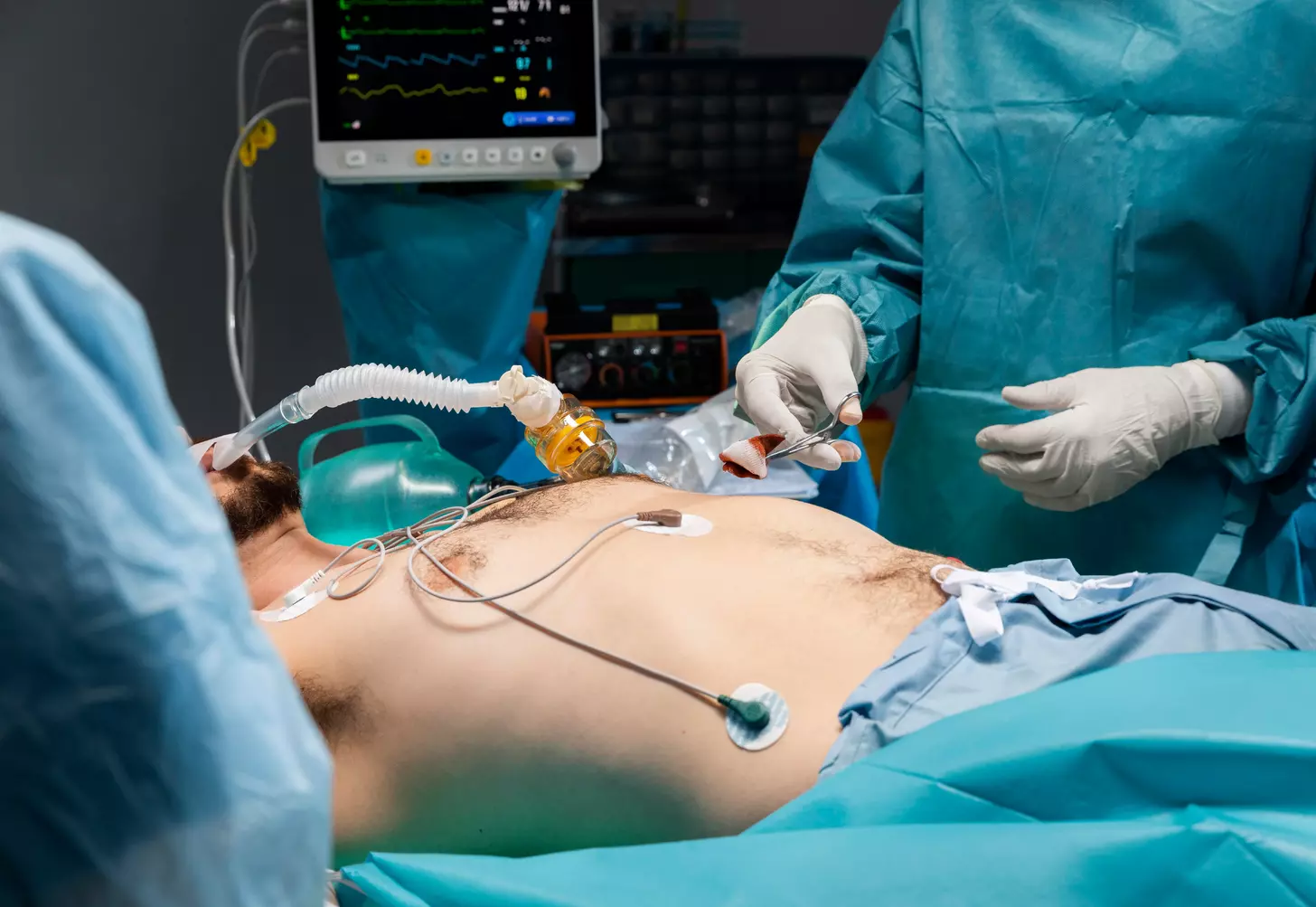
Knowing the signs of abdominal aortic aneurysm rupture can save lives. At Liv Hospital, we stress the need to spot symptoms early. This is key to surviving a serious medical emergency.
A ruptured abdominal aortic aneurysm is a severe event. It can be deadly if not treated quickly. Though rare worldwide, it’s more common with age and certain health issues.
We aim to give you all the info and care you need. Knowing the risks and symptoms is vital for quick medical help.
Key Takeaways
- Spotting AAA rupture signs early is key to survival.
- Risk goes up with age and health issues.
- Quick medical care is vital for survival.
- Knowing symptoms leads to timely help.
- Liv Hospital offers top care for ruptured abdominal aortic aneurysm patients.
What Is an Abdominal Aortic Aneurysm?

An abdominal aortic aneurysm is a serious condition where the lower part of the aorta gets bigger. The aorta is the main blood vessel that carries blood from the heart to the rest of the body. When it gets too big, it can cause serious health problems.
Definition and Anatomy of the Abdominal Aorta
The abdominal aorta is the part of the aorta in the belly. It’s very important because it supplies blood to the belly, pelvis, and legs. An abdominal aortic aneurysm (AAA) is when this part of the aorta gets too big, bigger than 3.0 cm.
The normal size of the abdominal aorta is about 2 cm. If it gets bigger than 3 cm, it’s called an aneurysm. This can be either spindle-shaped or pouch-like, but spindle-shaped is more common.
How Aneurysms Develop in the Aortic Wall
Aneurysms in the aortic wall happen because of several reasons. These include a weak wall, inflammation, and too much pressure. The aortic wall has three layers: the intima, media, and adventitia. Damage to the media layer, often because of atherosclerosis or genetics, can cause aneurysms.
Several factors can lead to the development of AAAs:
- Smoking: Smoking damages the aortic wall and raises blood pressure.
- Hypertension: High blood pressure adds stress to the aortic wall, raising the risk of aneurysm.
- Family History: People with a family history of AAAs are more likely to get it.
- Atherosclerosis: Plaque buildup in arteries can weaken the aortic wall.
The Mechanism of Abdominal Aortic Aneurysm Rupture

An abdominal aortic aneurysm rupture happens when too much stress on the aortic wall breaks it. This is a serious condition that can be deadly. It’s important to know how it works to understand why it’s so dangerous and why quick action is needed.
What Happens During an AAA Rupture
When an AAA ruptures, the aortic wall breaks, letting blood spill into the tissues around it. This causes pain, low blood pressure, and can lead to shock. The rupture can either be contained or free, with the contained type being slightly less severe but dangerous all the same.
The process involves several key factors:
- Increased pressure on the aortic wall due to hypertension or other factors.
- Weakening of the aortic wall, often due to inflammation or degradation of the extracellular matrix.
- A sudden tear or disruption in the intimal layer of the aorta.
Why Rupture Is a Life-Threatening Emergency
An AAA rupture is a serious emergency because it can cause fast blood loss, shock, and death if not treated quickly. Many patients don’t show symptoms before the rupture, making it hard to catch early.
Key factors contributing to the life-threatening nature of AAA rupture include:
| Factor | Description | Impact |
|---|---|---|
| Rapid Blood Loss | Immediate loss of blood volume. | Leads to hypotension and shock. |
| Lack of Symptoms | Many patients are asymptomatic before rupture. | Makes early detection difficult. |
| Need for Immediate Intervention | Requires emergency surgery or endovascular repair. | Time is critical for survival. |
Knowing how AAA rupture works and its effects shows why finding and treating abdominal aortic aneurysms early is so important. It helps prevent the worst outcomes.
Global Prevalence and Demographics of AAA
It’s important to know how common abdominal aortic aneurysm (AAA) is worldwide. This knowledge helps us create better screening and treatment plans. The study of AAA’s prevalence shows big differences in various groups.
Prevalence Rates Across Different Populations
AAA’s frequency changes a lot in different places and groups. Recent studies show a drop in some groups. For example, the rate in men over 65 has gone from 4% to 8% to just over 2%.
Age and Gender Distribution in AAA Cases
AAA is more common in older people, with a big jump after 65. Men get AAA more often than women, with a ratio of 4:1 to 6:1. This gap is linked to smoking and hormones.
As people get older, AAA becomes more common. This highlights the need for more screening in older groups. Knowing who gets AAA helps doctors plan better care.
Understanding these patterns helps healthcare teams focus their efforts. This way, they can lessen the impact of AAA.
Size as the Primary Predictor of Rupture Risk
AAA size is key in predicting rupture risk. It affects treatment choices and patient outcomes. The size and growth rate of the aneurysm are most important for forecasting rupture.
The Critical 5.5 cm Diameter Threshold
Guidelines often mention the 5.5 cm diameter as a key point for surgery. Aneurysms over 5.5 cm are seen as high-risk for rupture. Research shows a big jump in rupture risk when an AAA hits this size.
Rupture Risk Percentages Based on Aneurysm Size
Risk of rupture changes with aneurysm size. AAAs under 4 cm have a low risk, under 1% a year. But, for sizes between 5-6 cm, risk jumps to 3-15% yearly. AAAs over 7 cm face a risk over 30% annually.
Growth Rate Considerations
The rate of growth is also vital in assessing rupture risk. Rapid growth means higher risk, even below 5.5 cm. Growth rates over 0.5 cm per year are considered high-risk, needing closer watch or early action.
Knowing these factors helps doctors decide when to operate and how often to check up on patients.
Warning Signs and Symptoms of Ruptured Abdominal Aortic Aneurysm
It’s important to know the warning signs of a ruptured abdominal aortic aneurysm. This is because a ruptured AAA can be very dangerous if not treated quickly.
The Classic Symptom Triad of AAA Rupture
The main symptoms of a ruptured AAA are severe abdominal pain, back pain, and hypotension. People often say the pain comes on suddenly and is very bad. It might also spread to the back or groin.
The pain in the belly from a ruptured AAA usually doesn’t go away. It can also feel sore to the touch. Back pain might mean there’s bleeding in the back area.
Atypical Presentations and Diagnostic Challenges
Not everyone shows the usual symptoms, making it hard to diagnose. Atypical presentations can include lower extremity weakness, loss of pulses in the lower extremities, or even syncope. These signs need a doctor to think about AAA rupture, even if it’s not the usual case.
It can be tricky to diagnose when symptoms are not typical or if the rupture is hidden. A detailed check-up and imaging tests are key in these situations.
Doctors must watch for signs of a ruptured AAA closely. Quick action is key to saving lives.
Key Risk Factors for AAA Development and Rupture
Abdominal aortic aneurysm (AAA) can develop and rupture due to several risk factors. These can be divided into two groups: modifiable and non-modifiable. Knowing these factors helps identify who is at high risk and how to prevent it.
Modifiable Risk Factors: Smoking, Hypertension, and Others
Cigarette smoking is a major risk factor for AAA. Smoking not only increases the risk of aneurysm formation but also makes existing aneurysms grow faster. Studies show that quitting smoking can lower the risk of getting AAA and slow its growth.
Hypertension is also a key modifiable risk factor. High blood pressure can put extra stress on the aortic wall, leading to aneurysm formation or rupture. Controlling high blood pressure through lifestyle changes and medication can reduce this risk.
Hyperlipidemia and atherosclerosis are other modifiable risk factors. These conditions affect vascular health and can influence AAA development and progression. Making healthy lifestyle choices, like eating well and exercising, can help manage these conditions.
Non-Modifiable Risk Factors: Age, Gender, and Genetics
Non-modifiable factors also play a big role in AAA. Age is a significant risk factor, with AAA incidence rising after 65. Men aged 65 to 75 who have ever smoked should get regular screenings.
Gender is another non-modifiable risk factor, with men more likely to get AAA. Women with AAA are at higher risk of rupture, making gender-specific risk factors important in clinical practice.
Genetics also matter, with a family history of AAA increasing risk. A family history of AAA can significantly increase an individual’s risk, suggesting a possible genetic predisposition. A study found that a first-degree relative with AAA increases the risk, showing the role of genetics in AAA pathogenesis.
“The presence of a family history of AAA, combined with other risk factors, should prompt clinicians to consider early screening and monitoring.”
Understanding both modifiable and non-modifiable risk factors is key to managing AAA. By tackling modifiable risk factors and being aware of non-modifiable ones, healthcare providers can offer targeted interventions. This can help reduce the risk of AAA development and rupture.
Diagnostic Approaches for Early AAA Detection
Finding abdominal aortic aneurysm (AAA) early can greatly improve patient outcomes and save lives. We will look at how to detect it early. This includes screening for those at high risk and the imaging methods used.
Screening Recommendations for High-Risk Individuals
The United States Preventive Services Task Force (USPSTF) suggests one-time AAA screening for men aged 65 to 75 who have smoked. This is based on evidence that screening lowers AAA-related deaths in this group.
Ultrasonography is the usual method for AAA screening. It’s non-invasive and affordable. Early detection through screening can lead to timely treatment, possibly preventing rupture and lowering death rates.
Imaging Techniques: Ultrasound, CT, and MRI
Several imaging methods are used for diagnosing and monitoring AAA. These include ultrasound, computed tomography (CT), and magnetic resonance imaging (MRI).
– Ultrasound: The main tool for AAA screening because it’s non-invasive, doesn’t use radiation, and is cost-effective.
– CT: Gives detailed images and is used for planning surgeries. It’s great for checking the aneurysm’s size, shape, and how it relates to nearby structures.
– MRI: Offers clear images without radiation, making it good for long-term follow-ups.
| Imaging Technique | Advantages | Disadvantages |
|---|---|---|
| Ultrasound | Non-invasive, cost-effective, no radiation | Operator-dependent, limited detail |
| CT | High detail, useful for preoperative planning | Radiation exposure, contrast required |
| MRI | High-resolution images, no radiation | Expensive, not suitable for patients with certain implants |
Emergency Management of Abdominal Aortic Aneurysm Rupture
A ruptured abdominal aortic aneurysm is a serious emergency. Quick action is key to save lives and improve outcomes.
Initial Stabilization and Resuscitation Measures
First steps are critical. We start by placing two large IVs for fast fluid replacement. We also keep a close eye on the patient’s heart and blood pressure.
We run lab tests to understand the patient’s health better. This helps us decide the next steps.
Key initial measures include:
- Establishing large-bore IV access for fluid resuscitation
- Continuous hemodynamic monitoring
- Laboratory tests to assess patient condition
Transfer Considerations to Vascular Surgery Centers
Once stabilized, moving the patient to a vascular surgery center is essential. We make sure the transfer is safe and monitored closely.
Timely transfer to a specialized center leads to better results. We ensure the patient is with trained staff and has the right equipment during transport.
Surgical Interventions for Ruptured AAA
Treating a ruptured AAA is a complex task. It’s a life-threatening emergency that needs quick action.
Open Surgical Repair Technique and Outcomes
Open surgery is a traditional way to fix a ruptured AAA. It involves opening the abdomen to reach the aorta. Then, a prosthetic graft replaces the damaged part.
This method is very complex and needs a skilled surgeon. Even with new techniques, open repair is sometimes the best choice.
The results of open surgery can vary. They depend on the patient’s health, the surgeon’s skill, and how fast the surgery is done. Research shows that the death rate for this surgery can be between 40% and 60%.
Endovascular Aneurysm Repair (EVAR) Approach
EVAR is a less invasive option. It uses a stent-graft through the femoral arteries to block off the aneurysm. EVAR is good for patients who can’t handle open surgery or have specific body features.
EVAR is popular because it might lower the risks of open surgery. But, it works best if the right stent-graft is chosen and the patient is carefully selected.
Factors Influencing Surgical Decision-Making
Choosing the right surgery for a ruptured AAA depends on several things. These include how stable the patient is, the aneurysm’s shape, and any other health issues. The decision between open repair and EVAR depends on the patient’s risk and the surgeon’s skills.
Other important factors include the patient’s age, overall health, and any complications. This could be a difficult abdomen or previous aortic surgery.
AAA Rupture Survival Rates and Prognosis
It’s important to know the survival rates and prognosis for abdominal aortic aneurysm (AAA) rupture. This information helps both patients and healthcare providers. The prognosis for a ruptured AAA is generally poor but can vary a lot.
Pre-Hospital and Overall Mortality Statistics
It’s hard to figure out the mortality rate for ruptured aortic aneurysms. This is because of differences in reporting and patient demographics. But, thanks to better surgery, the death rate has dropped from 90% to about 75% according to recent studies.
Many patients don’t make it to the hospital before dying. For those who do, getting help quickly is key to surviving.
Factors Improving Survival Chances
Several things can help patients with a ruptured AAA live longer:
- Timely Medical Intervention: Getting to a vascular surgery center fast and getting surgery quickly is very important.
- Pre-existing Health Conditions: Patients with fewer health problems tend to do better.
- Effective Pre-Hospital Care: Stabilizing and resuscitating patients early on is vital for survival.
Long-Term Outcomes After Successful Intervention
Patients who survive the initial rupture and get surgery can have different long-term outcomes. Several things affect long-term survival:
- The patient’s overall health and any other health conditions they have.
- The type of surgery they had (open or endovascular).
- How well they recover and any follow-up care they need.
With the right care, many patients can live well after AAA rupture repair. But, they need to keep getting checked and managing their risks to avoid more problems.
Prevention Strategies and Management of Unruptured AAAs
Managing unruptured AAAs requires a mix of lifestyle changes, medical care, and regular checks. These steps are tailored to each patient’s risk level.
Lifestyle Modifications to Reduce Risk
Quitting smoking is key for those with AAA. Smoking greatly increases the risk of AAA growth and rupture. We urge patients to stop smoking to lower their risk.
Managing high blood pressure and living a healthy lifestyle are also important. This means eating right, exercising regularly, and watching heart health.
“Smoking cessation should always be encouraged in patients with known AAA.” This advice is vital. Smoking not only raises the risk of AAA but also speeds up its growth and rupture risk.
Medical Management Approaches
Medical care for AAA focuses on lowering heart disease risk. This includes controlling high blood pressure, managing cholesterol, and sometimes using antiplatelet drugs.
| Medical Management Approach | Description |
|---|---|
| Hypertension Management | Controlling high blood pressure to reduce strain on the aortic wall. |
| Hyperlipidemia Management | Managing cholesterol levels to reduce cardiovascular risk. |
| Antiplatelet Therapy | Using medications to prevent blood clots. |
Surveillance Protocols for Small Aneurysms
Small aneurysms need regular checks to watch their size and growth. This usually means ultrasound or CT scans.
The check-up schedule depends on the aneurysm’s size and the patient’s risk. For example, smaller aneurysms might need less frequent checks than those near 5.5 cm.
By combining lifestyle changes, medical care, and regular checks, we can manage unruptured AAAs well. This helps lower the risk of rupture.
Conclusion: Advancing Care for Abdominal Aortic Aneurysm Patients
We’ve looked into the key points about abdominal aortic aneurysm (AAA). This includes what it is, who’s at risk, and why quick action is vital. To better care for AAA patients, we need a mix of strategies.
The number of ruptures and deaths from AAA has gone down in the last 20 years. This is thanks to new tech like endovascular aneurysm repair (EVAR) and better care before and during hospital stays. These steps show how important it is to keep improving care for AAA patients.
Knowing the risks, signs, and how to diagnose AAA helps us give better care. We should also set up screening programs for those at high risk. And make sure they get surgery quickly when needed.
As we keep working, we must keep improving how we manage AAA. This means using both new medical and tech solutions to help patients. By doing this, we can lower the harm and death from AAA. This will help us give better care and support to those with this condition.
What is an abdominal aortic aneurysm (AAA) rupture?
An AAA rupture happens when the aorta in the abdomen tears. This is a serious emergency that needs quick medical help.
What are the symptoms of a ruptured AAA?
Symptoms include severe pain in the abdomen and back, and low blood pressure. Some people may not show typical symptoms, making it hard to diagnose.
What are the risk factors for developing an AAA?
Risk factors include smoking, high blood pressure, age, gender, and family history. Changing these can lower your risk of getting an AAA.
How is an AAA diagnosed?
Doctors use tests like ultrasound, CT scans, or MRI to find an AAA. They recommend screening for people at high risk to catch it early.
What is the critical size threshold for AAA rupture risk?
Aneurysms over 5.5 cm in diameter are at higher risk of rupturing. This is the critical size threshold.
How is a ruptured AAA treated?
Treatment is usually emergency surgery. This can be open surgery or endovascular repair. The choice depends on the patient’s health and the aneurysm’s size.
What are the survival rates for AAA rupture?
Survival rates vary based on how fast medical help is given and the patient’s health. Quick action can greatly improve chances of survival.
Can AAA rupture be prevented?
Some risk factors can’t be changed, but quitting smoking and managing blood pressure can help. Monitoring small aneurysms is also part of prevention.
What is the long-term outcome after successful treatment of a ruptured AAA?
Outcomes depend on the patient’s health and any other health issues. Regular check-ups are key to watch for any complications.
What is the importance of screening for AAA?
Screening is vital for catching AAA early, which is key for better outcomes. It’s most important for those at high risk.
References
- Centers for Disease Control and Prevention. (n.d.). About aortic aneurysm | Heart disease. Retrieved from https://www.cdc.gov/heart-disease/about/aortic-aneurysm.html CDC
- Song, P., Wu, L., Rudan, I., & others. (2022). The global and regional prevalence of abdominal aortic aneurysms (AAAs): a systematic review and meta-analysis. Journal of Global Health, 12, 10003. Retrieved from https://pmc.ncbi.nlm.nih.gov/articles/PMC10174099/ PMC+1
- Tang, W., et al. (2016). Lifetime risk and risk factors for abdominal aortic aneurysm (AAA): The population-based study. BioMed Central Cardiovascular Disorders, 16(1), 133. Retrieved from https://pmc.ncbi.nlm.nih.gov/articles/PMC5397388/ PMC