Last Updated on December 3, 2025 by Bilal Hasdemir
The cost of a bone marrow transplant can be a major financial challenge for patients. This life-saving treatment is influenced by many important factors that determine overall expenses.
Several things affect the bone marrow transplant cost, including the type of transplant, location of treatment, and the patient’s health condition. Understanding these factors helps patients make informed choices about their treatment.
Key Takeaways
- The cost of a bone marrow transplant varies widely.
- Factors such as location and type of transplant influence the price.
- Patients should understand the factors that contribute to the overall cost.
- The price range for a bone marrow transplant is between $25,000 and $700,000.
- Understanding the costs can help patients make informed decisions.
Understanding Bone Marrow Transplants
For many patients with severe blood-related conditions, bone marrow transplants offer a potentially life-saving treatment option. Bone marrow transplantation has become a critical component in the treatment of various hematological malignancies and disorders.
What is bone marrow and why is it important?
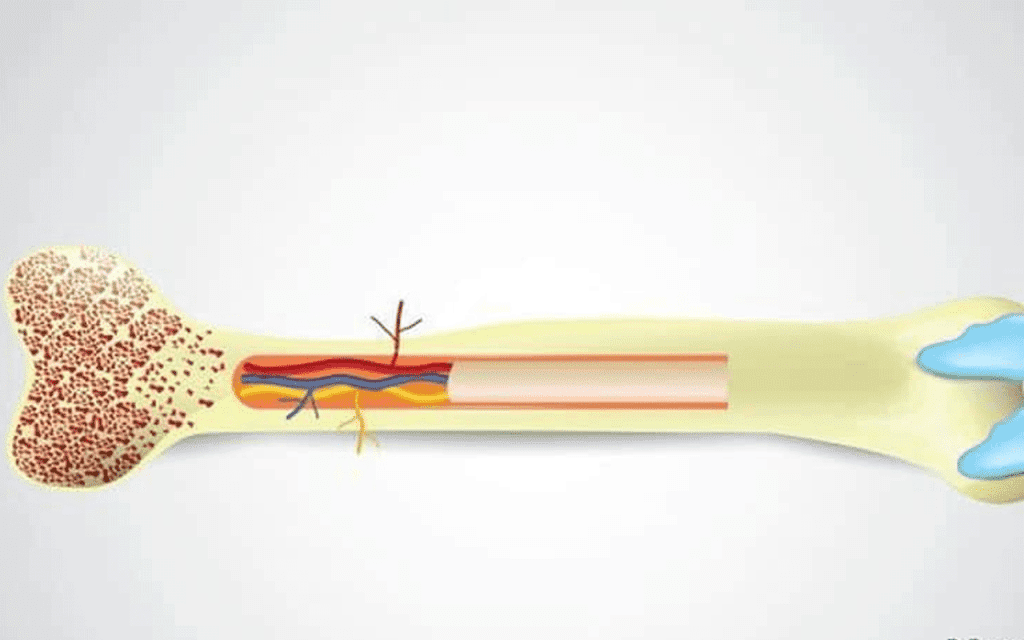
Bone marrow is the spongy tissue inside some of your bones, such as your hips and thighbones. It produces blood cells. A bone marrow transplant is necessary when the bone marrow is damaged or diseased.
This is because it leads to inadequate production of vital cells like red blood cells, white blood cells, and platelets.
Medical conditions requiring bone marrow transplants
Several medical conditions may require a bone marrow transplant, including:
- Leukemia
- Lymphoma
- Multiple myeloma
- Aplastic anemia
- Sickle cell disease
These conditions often involve the bone marrow’s inability to produce healthy blood cells. A transplant is needed to restore normal blood cell production.
The life-saving potential of transplantation
Bone marrow transplantation has the power to save lives. It replaces a patient’s diseased or damaged bone marrow with healthy functioning marrow. This procedure can help in achieving a cure or significantly improving the quality of life for patients with life-threatening blood disorders.
The success of a bone marrow transplant depends on various factors. These include the type of transplant, the patient’s overall health, and the compatibility of the donor marrow. Understanding these aspects is key for patients and their families as they navigate the complexities of bone marrow transplantation.
Types of Bone Marrow Transplants
Bone marrow transplants come in different types based on the source of stem cells and the donor-recipient relationship. It’s important for patients and doctors to understand these differences. This helps in choosing the best treatment option.
Autologous Transplants
Autologous transplants use the patient’s own stem cells. This is also called an autologous bone marrow transplant. The process starts with harvesting the patient’s stem cells, then storing them. After a conditioning regimen, they are reinfused. This method is often used for cancers like multiple myeloma and lymphoma.
Allogeneic Transplants
Allogeneic transplants use stem cells from a donor. The donor can be a relative or someone unrelated. The success of an allogeneic bone marrow transplant depends on how well the donor and recipient match genetically. This transplant is used for many blood disorders and some leukemias.
Haploidentical Transplants
A haploidentical transplant uses a donor who is a half-match to the recipient, usually a family member. This option is great for patients who can’t find a fully matched donor. It’s very helpful for those from diverse backgrounds who struggle to find a match.
Umbilical Cord Blood Transplants
Umbilical cord blood transplants use stem cells from the umbilical cord after a baby is born. This transplant is beneficial because cord blood is readily available and has a lower risk of GVHD. It’s often chosen for patients without a suitable adult donor.
Each bone marrow transplant type has its own benefits and challenges. The choice depends on the patient’s condition, age, and donor availability.
Bone Marrow Transplant Cost: The Complete Breakdown
It’s important for patients and their families to understand the costs of bone marrow transplantation. The cost can change based on several things. These include the type of transplant, the patient’s health, and where the treatment is done.
Average Total Cost in the United States
In the US, a bone marrow transplant can cost between $300,000 and $800,000. This big range comes from different factors. These include how complex the procedure is, how long the patient stays in the hospital, and the need for care after the transplant.
Pre-transplant Evaluation Expenses
Before a bone marrow transplant, patients go through many evaluations. These checks make sure they can have the transplant. The costs include bone marrow biopsies, HLA typing, and other medical tests.
Hospitalization and Procedure Costs
The costs for staying in the hospital for a bone marrow transplant are high. They cover inpatient care, stem cell collection and processing, and the conditioning regimen (chemotherapy/radiation). The transplant itself is also a big expense.
Post-transplant Care Expenses
After the transplant, patients need ongoing care. This care includes follow-up appointments, anti-rejection medications, and infection prevention and treatment. All these add to the total cost.
Pre-Transplant Testing and Evaluation Costs
Bone marrow transplant candidates must go through detailed pre-transplant testing. This includes several key evaluations. These tests are important to make sure the patient is ready for the transplant and to lower risks.
Bone Marrow Biopsy Cost
A bone marrow biopsy is a key test to check the bone marrow’s condition. The price for this test can change, usually between $1,000 and $3,000. It depends on where the test is done. This test is key to see how healthy the bone marrow is and if there are any problems.
HLA Typing and Compatibility Testing
HLA typing is another important test. It checks if the donor and recipient are compatible. The cost for HLA typing can be between $1,500 and $5,000. This test is very important to lower the chance of graft-versus-host disease (GVHD) and make sure the transplant goes well.
Other Required Medical Assessments
Patients also have to do other medical tests. These include heart checks, lung function tests, and tests for infections. These tests can add $2,000 to $6,000 to the total cost. This depends on the patient’s health and how complex the tests are.
The total cost of pre-transplant testing can range from $4,500 to $14,000 or more. This depends on the tests needed and the healthcare provider. Knowing these costs helps patients get ready financially for their bone marrow transplant.
It’s also important to remember that insurance often covers these costs, at least partially. But, patients should check their insurance to know what they might have to pay out of pocket.
Hospital Stay and Procedure Expenses
It’s important for patients to know the costs of hospital stays and procedures before a bone marrow transplant. These costs are a big part of the total cost.
Inpatient Hospitalization Costs
The cost of staying in the hospital for a bone marrow transplant can be high. It depends on the hospital, its location, and the patient’s health. On average, it can cost from $200,000 to over $1 million. This varies based on how complex the case is and how long the stay is.
Stem Cell Collection and Processing
Collecting and processing stem cells is a key part of the transplant process. The cost for this can vary. It usually ranges from $5,000 to $20,000. This depends on whether the stem cells come from the patient or a donor.
Conditioning Regimen (Chemotherapy/Radiation)
The conditioning regimen is needed to get the patient ready for the transplant. It includes chemotherapy and/or radiation. This can be expensive, with costs from $10,000 to $50,000 or more. The cost depends on how intense the treatment is.
Transplantation Procedure Fees
The transplant procedure involves putting the stem cells into the patient’s blood. The fees for this can vary a lot. They usually range from $20,000 to $100,000.
| Procedure | Cost Range |
| Inpatient Hospitalization | $200,000 – $1,000,000+ |
| Stem Cell Collection and Processing | $5,000 – $20,000 |
| Conditioning Regimen | $10,000 – $50,000+ |
| Transplantation Procedure | $20,000 – $100,000 |
These costs show how complex the financial side of bone marrow transplantation is. Knowing these expenses helps patients and their families prepare for the financial part of the treatment.
Post-Transplant Care and Medication Costs
The cost of bone marrow transplantation doesn’t stop after the surgery. It includes post-transplant care and medication. Patients need a lot of care to recover well, which can be very expensive.
Follow-up Appointments and Monitoring
Regular check-ups are key to watching how the patient is doing and catching any problems early. These visits might include blood tests, bone marrow biopsies, and more.
The cost of these visits can change a lot. It depends on how often and what tests are needed. On average, patients spend thousands of dollars in the first year after transplant.
| Type of Test | Average Cost per Test | Frequency in First Year |
| Blood Tests | $100-$500 | Monthly |
| Bone Marrow Biopsy | $1,000-$3,000 | Quarterly |
| Other Diagnostic Tests | $500-$2,000 | As needed |
Anti-Rejection Medications
Anti-rejection meds, or immunosuppressants, are vital to stop GVHD in those who get transplants from others. These meds can be very expensive.
The monthly cost for these meds can be between $1,000 to $3,000. This depends on the type and amount needed.
Infection Prevention and Treatment
People getting bone marrow transplants are more likely to get infections because their immune systems are weak. Preventing and treating infections adds to the cost of care after transplant.
Preventing infections might include meds to fight viruses and bacteria. These can cost $500 to $2,000 a month. Treating infections can make costs even higher.
Long-term Medication Expenses
Some patients might need to take meds for a long time or even forever. The cost of these meds can be a big ongoing expense.
Patients should talk to their doctors about their long-term medication needs. This helps understand the costs and find ways to manage them.
Insurance Coverage for Bone Marrow Transplants
Insurance for bone marrow transplants changes a lot, based on who you’re with and what you have. It’s key to know your options to deal with the money side of treatment..
- Read your policy documents well to know what’s covered.
- Talk to your insurance company if you have questions or worries.
- Some plans might need you to get approval before certain procedures.
- Common Insurance Limitations and Exclusions
Even with insurance, there are often limits and things not covered. These can include:
- Pre-existing condition clauses that may limit or exclude coverage.
- Specific treatments or procedures that are not covered.
- Out-of-network provider limitations that can increase out-of-pocket costs.
Knowing these limits is key to planning your treatment and what you’ll have to pay for.
Financial Assistance Programs and Resources
Patients getting bone marrow transplants often face big financial challenges. But, there are many help programs out there. It’s important to know about these options to handle treatment costs.
National Organizations Providing Financial Aid
Many national groups help with financial needs for bone marrow transplant patients. Some of these include:
- The Patient Access Network Foundation (PANF)
- The National Bone Marrow Transplant Link
- The Leukemia & Lymphoma Society
These groups offer grants and other help. They cover things like travel, medicine, and more.
Hospital-Based Financial Assistance
Hospitals also have financial help for bone marrow transplant patients. They offer:
- Financial counseling to understand costs
- Sliding scale fees based on income
Hospital social workers and financial counselors can guide you. They help find these resources.
Disease-Specific Foundations and Grants
Foundations for specific diseases also offer financial aid. For example:
| Foundation | Condition | Type of Assistance |
| The Lymphoma Research Foundation | Lymphoma | Grants for treatment and related expenses |
| The Leukemia & Lymphoma Society | Leukemia, Lymphoma, and Myeloma | Financial assistance for treatment, travel, and other needs |
Crowdfunding and Community Support
Crowdfunding is a big help for patients. Sites like GoFundMe let patients raise money for their transplant. Local events and donations also offer a lot of support.
By looking into these financial help options, patients can manage their treatment costs better. This way, they can focus more on getting better.
Costs Associated with Bone Marrow Donation
It’s important to know the costs of bone marrow donation. Donating is a kind act, but it can also cost donors money and time. They might face expenses and changes in their daily life.
Expenses Covered for Donors
The insurance of the recipient or the transplant center usually pays for the donation’s medical costs. This includes:
- Donor evaluation tests
- Bone marrow harvesting procedure
- Hospital stay
- Follow-up care
But, it’s good to check what is covered. Policies can differ.
Compensation Policies for Donors
In the U.S., donating bone marrow is seen as a selfless act. Donors don’t get paid for it. Yet, some groups might help with donation-related costs.
Donation-Related Time Off Work
Donors might need to miss work for the donation and recovery. The Family and Medical Leave Act (FMLA) can offer up to 12 weeks without pay. It’s wise to talk to your employer about this.
Long-Term Health Considerations for Donors
Studies are looking into how bone marrow donation affects health over time. Most donors can get back to normal in a few weeks. But, it’s key to know about possible long-term effects.
| Aspect | Details | Considerations |
| Medical Expenses | Covered by recipient’s insurance or transplant center | Verify coverage specifics |
| Compensation | No direct compensation for donation | Some reimbursement for expenses possible |
| Time Off Work | FMLA may provide up to 12 weeks of unpaid leave | Discuss leave with employer |
| Long-Term Health | Most donors recover within weeks | Ongoing research on long-term effects |
International Cost Comparison for Bone Marrow Transplants

The cost of bone marrow transplants varies worldwide. Some places charge less than others. This makes patients look for treatment abroad.
Transplant Costs in Canada and Europe
In Canada and many European countries, bone marrow transplant costs differ from the US. Canada’s healthcare system often covers these costs, saving patients money. In Europe, prices vary by country. Some offer full coverage, while others require patients to pay a lot.
Medical Tourism Options for Transplants
Medical tourism is a growing choice for affordable bone marrow transplants. Countries like India, Mexico, and Turkey are popular. They offer low prices without sacrificing quality. But, patients need to think about travel and stay costs too.
Quality and Safety Considerations Abroad
Cost is important, but quality and safety come first. Patients should check the hospital’s accreditation and the doctors’ qualifications. It’s vital to choose a place that meets international standards to avoid risks.
Total Cost Including Travel and Accommodation
Thinking about bone marrow transplants abroad means looking at more than just the procedure. Travel, stay, and after-care costs add up. Some companies offer packages that include these extras, helping with planning.
In summary, while going abroad for transplants can save money, it’s key to research well. By comparing costs and services, patients can make smart choices about their care.
Factors Affecting Bone Marrow Transplant Expenses
Many factors can change the cost of a bone marrow transplant. It’s important for patients and their families to know about these factors. This knowledge helps them deal with the financial side of this life-saving treatment.
Patient Age and Overall Health
The patient’s age and health are key in setting the transplant cost. Older patients or those with health issues might need more tests and treatments before the transplant. This can make the cost higher.
For example, older patients might need extra heart or lung checks. Patients with health problems might need special care or more intense treatments. Both can increase the total cost.
Type of Transplant Performed
The type of transplant also affects the cost. Different transplants have different levels of complexity and needs. This complexity can change the overall cost.
- Transplants using the patient’s own cells might cost differently than those using donor cells.
- Haploidentical transplants, which use a half-matched donor, are more complex and expensive. This is because they need extra processing.
- Umbilical cord blood transplants have unique costs. These costs come from getting and processing the cord blood.
Hospital Location and Reputation
The hospital’s location and reputation can also change the cost. Hospitals with specialized programs or in certain areas might charge more. This is because of the expertise and higher operational costs.
| Hospital Characteristic | Impact on Cost |
| Specialized transplant program | Higher costs due to expertise and specialized care |
| Location in a major city | Higher costs due to increased operational expenses |
| Reputation for high-quality care | Potentially higher costs due to demand and quality of services |
Complications and Extended Care Needs
Complications during or after the transplant can raise the cost. Patients with severe issues might need longer hospital stays or more treatments. They might also need more follow-up care.
Managing these factors well is key to controlling transplant costs. By understanding what affects the cost, patients and healthcare providers can work together. This helps in getting the best care while keeping costs down.
Success Rates and Cost-Benefit Analysis
Bone marrow transplants have changed the game for treating serious diseases. They offer hope to those with few other options. Looking at success rates and costs helps us understand their value.
Survival Rates by Transplant Type and Condition
Survival rates vary with the transplant type and the disease. Autologous transplants use the patient’s cells, while allogeneic transplants use donor cells. For some cancers, allogeneic transplants can lead to better survival rates, thanks to a good donor match.
Recent studies show survival rates for bone marrow transplants have gone up. For example, a study found a 5-year survival rate of 40-50% for acute myeloid leukemia patients with allogeneic transplants.
Quality of Life Considerations
Quality of life after a transplant is key. While transplants can save lives, they come with risks and long-term side effects. Patients need ongoing care and monitoring for complications.
Many patients live well after a successful transplant. They can return to their lives and enjoy long-term survival. But, the road to recovery can be tough, and some face ongoing health issues.
Comparing Costs to Alternative Treatments
When looking at transplant costs, compare them to other treatments. For many, transplants offer a chance at a cure, unlike other treatments that only provide temporary relief. The cost-benefit analysis should consider both immediate and long-term costs of treatments.
Transplants may seem expensive upfront, but they can be more cost-effective in the long run. This is because they might avoid the need for ongoing, expensive treatments.
Long-term Economic Benefits of Successful Transplants
Successful transplants can save money in the long run. They can prevent the need for ongoing medical care and lost work time. This makes them a good investment for the economy and the patient’s health.
Patients who get better after a transplant can go back to work and live normal lives. This is important when we look at the overall cost and benefits of bone marrow transplants.
Conclusion: Navigating the Financial Aspects of Bone Marrow Transplantation
Understanding the financial side of bone marrow transplants is key. The costs can be high, from tests before the transplant to care and meds after. It’s important to plan well.
To manage these costs, knowing your insurance and looking for financial help is vital. The total cost depends on the transplant type, where it’s done, and any complications. Patients and families need to consider all these factors.
Planning your finances is essential to get the care you need without breaking the bank. Knowing the costs and looking for help can guide your treatment choices.
In the end, a successful bone marrow transplant can greatly improve your life. By tackling the financial side, you and your family can get the care needed for the best outcome.
FAQ
What is the average cost of a bone marrow transplant in the United States?
In the United States, a bone marrow transplant can cost between $300,000 and over $1 million. This depends on the transplant type, hospital stay, and post-transplant care.
What are the different types of bone marrow transplants and their associated costs?
There are several types of bone marrow transplants. These include autologous (using the patient’s own cells), allogeneic (using donor cells), haploidentical, and umbilical cord blood transplants. Costs vary by type, with autologous transplants often being less expensive than allogeneic ones.
What are the costs associated with pre-transplant testing and evaluation?
Pre-transplant testing and evaluation can cost between $5,000 and $20,000 or more. This includes bone marrow biopsy, HLA typing, and other medical assessments.
How much does hospitalization and the bone marrow transplant procedure cost?
Hospitalization and the transplant procedure can cost between $200,000 and $500,000 or more. This depends on the length of stay, transplant type, and other factors.
What are the costs associated with post-transplant care and medication?
Post-transplant care and medication can cost between $10,000 and $50,000 or more per year. This includes follow-up appointments, anti-rejection medications, and infection prevention.
Does insurance cover bone marrow transplant costs?
Yes, there are national organizations, hospital-based programs, disease-specific foundations, and crowdfunding options to help with transplant costs.
How much does it cost to donate bone marrow?
Donating bone marrow is usually free for the donor. The recipient or institution covers the donation process expenses.
Can I get paid for donating bone marrow?
In the United States, it’s illegal to sell or be paid for donating bone marrow. But, donors can be reimbursed for related expenses.
How do bone marrow transplant costs compare internationally?
Bone marrow transplant costs vary worldwide. Some countries offer more affordable options. But, quality and safety should be considered when looking at international options.
Are bone marrow transplants cost-effective in the long run?
Bone marrow transplants can be expensive but can be cost-effective in the long run. They can cure or significantly improve the patient’s quality of life, making them worth the cost for some medical conditions.
References
- The Financial Express [Bangladesh]. (2024, February 6). Bone marrow transplant at BSMMU costs less than in other countries. Financial Express. Retrieved from https://today.thefinancialexpress.com.bd/print/bone-marrow-transplant-at-bsmmu-costs-less-than-other-countries-1707159596
- ORCID / Oh, etc. Khera, N., Zeliadt, S. B., & Lee, S. J. (2012). Economics of hematopoietic cell transplantation. Blood, 120(8), 1545-1551. Retrieved from https://pubmed.ncbi.nlm.nih.gov/22700725/
- Bone Marrow Transplantation. (2001). A prospective cost evaluation related to allogeneic hemopoietic stem cell transplantation, including pretransplant procedures, transplantation, and 1-year follow-up procedures. Bone Marrow Transplantation, 28, 1111-1116. Retrieved from https://www.nature.com/articles/1703310/
- Khera, N., Zeliadt, S. B., & Lee, S. J. (2012). Economics of hematopoietic cell transplantation. Blood, 120(8), 1545“1551. https://doi.org/10.1182/blood-2012-04-427771
- National Cancer Institute. (2022). Financial information for cancer patients. Retrieved from https://www.cancer.gov/about-cancer/managing-care/financial-information