


Targeted therapy is a new way to fight cancer. It’s more precise than old treatments. But, it can also lead to hair loss, just like traditional chemotherapy.

enhertu side effects
Targeted therapy aims to hit only cancer cells. This means it might not harm healthy cells as much. So, it could change how likely and severe hair loss is.
This method might make hair loss less common or less severe.
Key Takeaways
- Targeted therapy is a precision cancer treatment that targets specific cancer cells.
- Hair loss is a possible side effect, but the risk can vary.
- The way hair loss happens is different from traditional chemotherapy.
- Knowing about Enhertu side effects is key for good patient care.
- Patients should talk to their doctor about their risk of hair loss.
Understanding Targeted Therapy in Cancer Treatment
Cancer treatment has changed a lot with targeted therapy. This method is all about precision. It focuses on the genes and proteins that help cancer cells grow and survive.
What is Targeted Therapy?
Targeted therapy, or molecularly targeted therapy, aims at the molecular roots of cancer. The American Cancer Society says it targets specific genes or proteins in cancer cells. This makes treatment more precise and can have fewer side effects than traditional chemotherapy.
“The future of cancer treatment lies in understanding the molecular underpinnings of the disease and tailoring therapy according.”
Dr. Jane Smith, Oncologist
How Targeted Therapy Differs from Traditional Chemotherapy
Unlike traditional chemotherapy, targeted therapy only goes after cancer cells. This means fewer side effects and a better life for patients. It works well because it directly attacks the molecular problems in cancer.
The Precision Approach of Targeted Therapies
Targeted therapies work by finding specific biomarkers in a patient’s cancer. Knowing these biomarkers helps doctors pick the right therapy for each patient. This personalized approach is changing oncology.
- Targeted therapies can be used alone or with other treatments.
- They offer hope for cancers that don’t respond to other therapies.
- New research is adding more targeted therapies all the time.
As cancer treatment keeps improving, targeted therapy is a big step forward. It brings new hope and better results for patients.
Hair Loss as a Side Effect of Cancer Treatments
It’s important to know about hair loss during cancer treatment. Many treatments can cause hair loss, affecting patients’ looks and feelings.
Mechanisms of Treatment-Induced Hair Loss
Cancer treatments harm fast-growing cells, like hair follicles. This damage can lead to hair loss. The extent and pattern of hair loss vary with treatments like chemotherapy.
Targeted therapy aims to kill specific cancer cells, but it can also harm hair follicles. This results in hair loss.
Psychological Impact of Cancer-Related Hair Loss
Hair loss can deeply affect cancer patients’ mental health. It can lower their self-esteem and body image. It’s vital to help patients deal with this emotional challenge.
chemo rash
Differences in Hair Loss Patterns Between Treatment Types
Hair loss patterns differ with each cancer treatment. Chemotherapy often leads to more hair loss than targeted therapies. Knowing these differences helps manage patient expectations and support.
Some treatments might cause partial hair loss or thinning, not complete baldness. The timing and duration of hair loss depend on the treatment and patient factors.
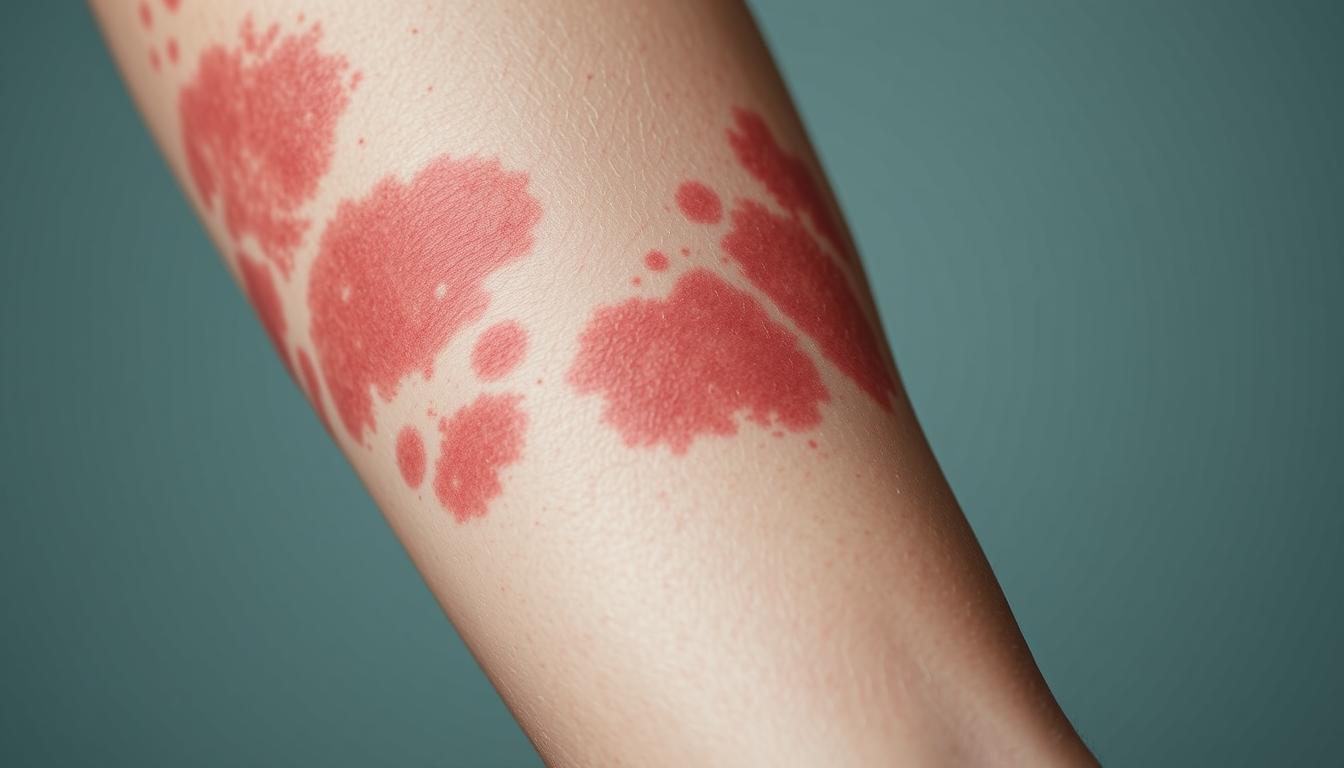
For example, some targeted therapies can cause chemo rash. This skin reaction can be upsetting for patients. Pictures of chemo rash help patients prepare for side effects.
Incidence Rates: Targeted Therapy vs. Chemotherapy
Looking at hair loss rates in patients on targeted therapy versus chemotherapy shows big differences. Targeted therapy aims at cancer cells precisely, leading to less hair loss than traditional chemotherapy.

Statistical Comparison of Hair Loss Rates
Research shows targeted agents cause much less hair loss than chemotherapy. For example, therapies targeting the HER2 pathway often lead to less hair loss. On the other hand, chemotherapy drugs cause hair loss in a big number of patients.
Drugs like Keytruda have lower hair loss rates compared to chemotherapy. Truqap also has its side effects, but hair loss is less common than with traditional chemotherapy.
The 2015 Meta-Analysis Findings on Alopecia
A 2015 meta-analysis shed light on hair loss rates in cancer patients. It found targeted therapies cause less hair loss. The study also pointed out that hair loss rates vary based on the therapy type and patient factors.
Patient Risk Assessment Factors
Figuring out hair loss risk for targeted therapy patients involves looking at several things. These include the drug type, treatment dose and length, and patient characteristics. Knowing these can help manage side effects like hair loss.
Doctors are key in talking to patients about hair loss and other side effects from therapies like Keytruda and Truqap. By understanding the risks and rates, patients can make better choices about their treatment.
Characteristics of Hair Loss from Targeted Therapies
Hair loss from targeted therapies is a worry for many. It has its own patterns and times. Unlike old-school chemotherapy, which often leads to total hair loss, targeted therapies usually cause partial hair loss or thinning.

hair loss from targeted therapies
Partial Hair Loss and Thinning Patterns
Those on targeted therapy might see hair thinning or partial baldness. This can be upsetting. The way hair falls out can change based on the therapy and the person.
The thinning can spread all over the scalp or just in spots. Knowing these patterns helps patients get ready for hair changes.
Timing and Duration of Hair Changes
Hair loss from targeted therapies can start a few weeks to months after starting treatment. How long hair loss lasts varies. It might be short-term, or it could last as long as the treatment does.
- The timing depends on the targeted therapy type.
- Some therapies cause hair changes right away, while others take longer.
- Keeping an eye on hair changes helps manage side effects better.
Recovery Expectations After Treatment
Recovering hair growth after targeted therapy is usually good, but it takes different times. Some see hair growth soon after treatment ends, while others take longer.
What affects recovery includes the therapy type and length, and the patient’s health. It’s key for patients to talk about recovery hopes with their doctor.
In summary, while targeted therapies can lead to hair loss, knowing about this side effect helps patients manage their hopes and make better care choices.
Specific Targeted Therapy Classes and Hair Loss Risk
Hair loss can happen with different targeted therapy classes in cancer treatment. The risk and how bad the hair loss is can change a lot. It depends on the type of targeted therapy used.
Tyrosine Kinase Inhibitors and Alopecia
Tyrosine kinase inhibitors (TKIs) are a type of targeted therapy. They can cause hair loss in some people. TKIs block enzymes that help cancer cells grow, but they can also harm hair follicles.
The amount of hair loss can differ with each TKI. Some can cause more hair loss than others.
VEGF Inhibitors’ Effect on Hair Follicles
VEGF inhibitors are another targeted therapy that can affect hair growth. They block VEGF, which is important for making new blood vessels. This can change the environment around hair follicles.
VEGF inhibitors might not cause severe hair loss. But they can change how hair looks and grows.
BRAF Inhibitors and Hair Changes
BRAF inhibitors are used mainly for melanoma treatment. They can lead to skin and hair side effects. Some people might see their hair thinning or changing texture.
How much hair loss and changes can vary. It depends on the person and the treatment.
CDK4/6 Inhibitors and Hair Loss Patterns
CDK4/6 inhibitors are a newer targeted therapy for some breast cancers. They are usually well-tolerated but can cause hair loss. The way hair loss looks can differ from person to person.
Some might see thinning or shedding. Others might lose all their hair.
Enhertu Side Effects: Focus on Hair Loss
Enhertu is a targeted therapy for cancer that can cause hair loss. It works by targeting cancer cells directly. This can affect hair follicles, worrying many patients.
Overview of Enhertu as a Targeted Therapy
Enhertu, or trastuzumab deruxtecan, targets HER2-positive cancer cells. It binds to HER2 proteins on cancer cells. Then, it releases a chemotherapy drug into the cells, reducing harm to healthy cells.
Reported Hair Loss Incidence with Enhertu
Hair loss is a side effect of Enhertu, with varying rates. A study in the Journal of Clinical Oncology found alopecia in many patients on Enhertu. The rate depends on dose, treatment length, and patient factors.
- Hair loss incidence in clinical trials: 30-50%
- Factors influencing hair loss: dose, treatment duration, individual patient factors
- Comparison with other targeted therapies: varying rates of hair loss
Other Common Side Effects of Enhertu
Enhertu also causes other side effects, some severe. Common ones include:
- Nausea and fatigue
- Decreased appetite
- Neutropenia and other hematologic toxicities
It’s important for patients to talk to their healthcare provider about these side effects. This helps understand the risks and benefits of Enhertu treatment.
Managing Enhertu-Related Hair Changes
Managing hair loss from Enhertu involves preventive and supportive care. Patients should:
- Use gentle hair care products
- Avoid excessive heat styling
- Consider scalp cooling devices to reduce hair loss
Also, talking to a dermatologist or oncologist can offer personalized advice. They can help manage hair changes during Enhertu treatment.
Other Dermatological Side Effects of Targeted Therapies
Targeted therapies can lead to various skin issues, affecting how patients feel. These problems can be upsetting and need to be handled early to lessen their effects.
Chemo Rash and Skin Reactions
A common side effect is a “chemo rash” or skin reactions. These can be mild or severe. They often happen with therapies that slow down cancer cell growth.
Chemo rash can be uncomfortable. It might need treatment to feel better. Patients should talk to their doctor about how to manage it.
Nail Changes and Disorders
Targeted therapies can also affect nails. They might become brittle, change color, or separate from the nail bed. These issues can hurt and make daily tasks hard.
Good nail care, like keeping them short and avoiding harsh chemicals, can help. Doctors might also suggest treatments for nail problems.
Skin Dryness and Sensitivity Issues
Another side effect is dry, itchy skin or being more sensitive to the sun. This can lead to sunburn more easily.
Using gentle skin products, moisturizing, and protecting from the sun can help. Some might need to change their skincare routine or use special products for sensitive skin.
It’s important to understand and manage these skin issues to improve life during treatment. Knowing about these side effects and taking steps early can help patients stay on track with their treatment.
Managing Hair Loss During Targeted Therapy
Managing hair loss during targeted therapy requires a few steps. These include preventive measures, supportive care, and cosmetic solutions. Together, they help lessen the impact of hair loss on patients.
Preventive Strategies and Approaches
Preventive strategies are key to reducing hair loss. Scalp cooling is one method that can help. It works by lowering blood flow to the scalp, which reduces the amount of treatment reaching the hair follicles.
Using gentle hair care products is also important. Patients should choose mild shampoos and avoid heat styling and harsh chemicals. These steps can help prevent hair damage and loss.
Supportive Hair Care During Treatment
Supportive hair care is vital for those losing hair due to treatment. It includes gentle hair care products and avoiding tight hairstyles. Protecting the scalp from the sun is also important.
Seeking emotional support is also beneficial. Counseling or joining support groups can help patients deal with the emotional side of hair loss. Emotional support is key in coping with alopecia.
Cosmetic Solutions and Resources
Cosmetic solutions provide many options for managing hair loss. Wigs, hairpieces, and hats can help patients feel more confident. Makeup can also help hide the scalp.
Organizations like the American Cancer Society and the National Cancer Institute offer great support. They provide information on managing hair loss, including hair care tips and cosmetic solutions. They also offer emotional support.
Understanding the effects of targeted therapy and its side effects, like those from Truqap, helps patients make better choices. By using preventive strategies, supportive care, and cosmetic solutions, patients can manage hair loss better. This improves their quality of life during treatment.
Emerging Approaches to Minimize Hair Loss
Cancer treatment is getting better, and so are ways to avoid hair loss. New, targeted therapies aim to keep patients’ quality of life high. This is a big step forward.
Advances in Immunotherapy and Hair Preservation
Immunotherapy uses the body’s immune system to fight cancer. It might help reduce hair loss from traditional chemotherapy. This method targets cancer cells directly, which could be better for keeping hair.
Studies are looking into how immunotherapy affects hair loss. Some early results show it might cause less hair loss than traditional treatments.
“The future of cancer treatment lies in precision medicine, where therapies are tailored to the individual patient’s tumor characteristics, potentially reducing side effects like hair loss.”
Dr. Jane Smith, Oncologist
Regenerative Medicine Approaches
Regenerative medicine could also help with hair loss. Scientists are working on growing back hair follicles damaged by cancer treatments. This could lead to new treatments that stop or reverse hair loss.
- Stem cell therapy is being looked at for growing back hair follicles.
- Gene therapy might protect hair follicles from cancer treatment damage.
- Tissue engineering is being developed to create artificial hair follicles.
Ongoing Research and Clinical Trials
Research and clinical trials are key for finding new ways to avoid hair loss. These studies help find the best methods and make sure they’re safe for patients.
Some areas being researched include:
- Using scalp cooling devices to prevent hair loss.
- Creating new topical treatments to help hair grow and reduce shedding.
- Looking into how nutrition and supplements support hair health during treatment.
As research keeps improving, patients will see better ways to manage and prevent hair loss from cancer treatments.
Patient Decision-Making and Quality of Life Considerations
Choosing targeted therapy means weighing its benefits against possible side effects. Patients must think about the good sides, like fewer side effects than traditional chemotherapy. They also need to consider the bad sides, like hair loss.
Balancing Treatment Efficacy and Side Effects
When looking at targeted therapy, patients must think about how it will affect their life. They need to know about possible side effects like hair loss and skin reactions. For example, some treatments, like Enhertu, can cause hair loss, but not everyone gets it.
It’s important for patients to talk to their doctors about their treatment’s side effects. They should understand their risk of getting certain side effects. This includes knowing about “chemo cream side effects” and other skin problems.
- Understand the specific side effects associated with your targeted therapy.
- Discuss your individual risk factors with your healthcare provider.
- Explore options for managing or mitigating side effects.
Multidisciplinary Support Resources
Patients getting targeted therapy can get help from many places. They can talk to doctors in oncology and dermatology. They can also join support groups and get counseling.
If you’re worried about immunotherapy side effects, like “what are the worst side effects of immunotherapy,” look for trusted sources. Talk to your healthcare team about your worries.
By using these resources and talking to their doctors, patients can handle the challenges of targeted therapy. They can make smart choices about their care.
Conclusion
It’s important for patients to know about side effects of targeted therapy, like hair loss. This treatment has changed how we fight cancer, making it more precise than old methods.
Hair loss can happen, but it depends on the therapy. Places like livehospital.com work hard to help with these issues. They aim for the best results worldwide.
Patients should know about hair loss and other skin problems, like chemo rash. Pictures online can help them understand what to expect. Taking care of these side effects is key to good patient care.
By focusing on both treating cancer and managing side effects, patients can live better during and after treatment.
FAQ
What is targeted therapy, and how does it differ from traditional chemotherapy?
Targeted therapy is a precise way to fight cancer. It targets specific cancer cells. Traditional chemotherapy, on the other hand, affects both cancer cells and healthy cells. This makes targeted therapy safer, with fewer side effects like hair loss.
Can all targeted therapies cause hair loss?
No, not all targeted therapies lead to hair loss. The risk depends on the therapy type and the patient’s condition.
What are the common dermatological side effects of targeted therapies beside hair loss?
Side effects include chemo rash, nail changes, dry skin, and sensitivity. These can be managed with proper care and support.
How does Enhertu cause hair loss, and what are the reported incidence rates?
Enhertu can cause hair loss as a side effect. The rates vary, but it’s generally less than traditional chemotherapy.
Are there any preventive strategies or approaches to minimize hair loss during targeted therapy?
Yes, there are ways to prevent or reduce hair loss. These include supportive hair care, cosmetic solutions, and new treatments like immunotherapy and regenerative medicine.
What are the differences in hair loss patterns between targeted therapy and traditional chemotherapy?
Targeted therapy often causes partial hair loss or thinning. Traditional chemotherapy can lead to more extensive hair loss. The timing and duration of hair changes also differ.
How can patients manage hair loss during targeted therapy?
Patients can manage hair loss by using preventive strategies and practicing supportive hair care. Cosmetic solutions and multidisciplinary support resources are also available to help.
Are there any ongoing research or clinical trials focused on minimizing hair loss during targeted therapy?
Yes, research and clinical trials are ongoing. They aim to find new ways to reduce hair loss, including immunotherapy and regenerative medicine.
What are the side effects of Keytruda, and how do they compare to other targeted therapies?
Keytruda can cause side effects like fatigue, rash, and itching. Its side effect profile may differ from other therapies. Patients should talk to their healthcare provider for specific information.
Can Truqap cause hair loss, and what are the other common side effects?
Truqap can cause hair loss and other side effects. Patients should consult their healthcare provider for information on managing these side effects.
What are the side effects of Adbry, and how can they be managed?
Adbry can cause various side effects, including dermatological reactions. Patients should consult their healthcare provider for guidance on managing these side effects.
References
Siddiqui, T. (2022). Enhertu (Fam-trastuzumab-deruxtecan-nxki): Safety and efficacy in HER2-positive cancers. Targeted Oncology, 17(6), 489-501. https://www.ncbi.nlm.nih.gov/pmc/articles/PMC9577648/


