


Mustafa Çelik is a versatile Engineer and Content Writer who bridges the…
View author profile →We review our content at regular intervals and update it whenever new research or a change in clinical guidelines requires it.


Finding breast cancer early can greatly improve treatment chances. One in eight women will get breast cancer in their life. So, it’s key to be active about your health.
Doing a self breast exam is easy and helps you know your body better. We’ll show you how to check for breast cancer at home. This way, you can take care of your health.
Key Takeaways
- Understand the importance of early detection in breast cancer treatment.
- Learn the steps to perform a self breast examination.
- Recognize the signs and symptoms that warrant medical attention.
- Discover how regular self-exams can contribute to overall health awareness.
Understanding Breast Cancer: Facts and Statistics
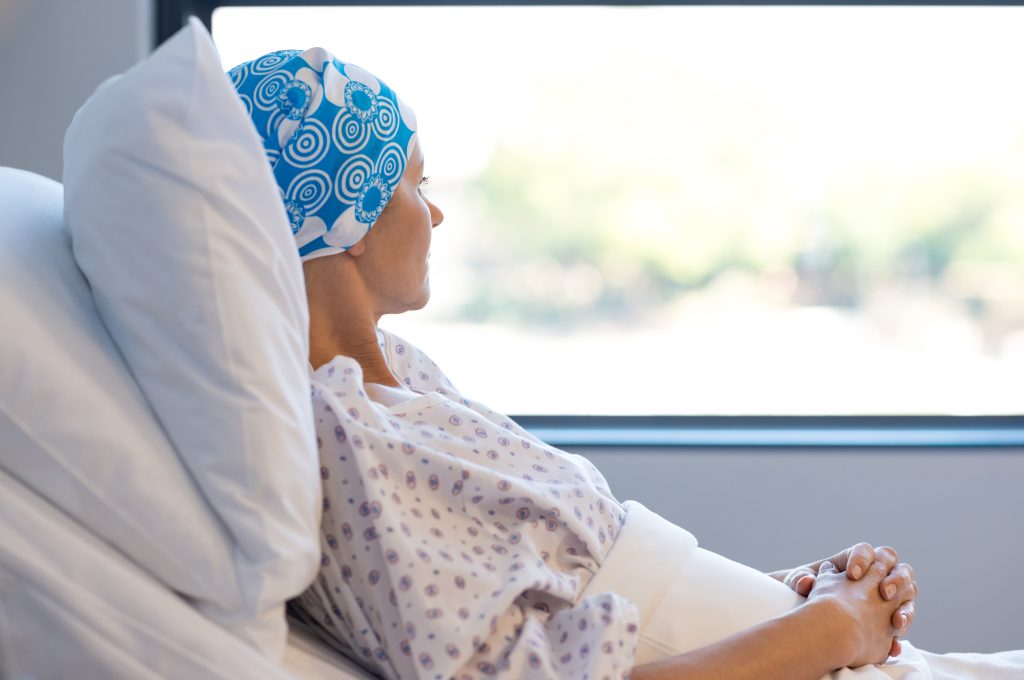
It’s key to know the facts and stats about breast cancer for early detection and treatment. This cancer is common among women worldwide. It affects many different groups of people.
Statistics on breast cancer give us important insights. They show how widespread the disease is. Health groups say millions of women worldwide get breast cancer every year.
Prevalence of Breast Cancer in the United States
In the U.S., breast cancer is a top cause of death in women. The numbers show that 1 in 8 women will get breast cancer sometime. This highlights the need for regular check-ups and awareness.
The risk of breast cancer goes up after 50. Knowing this helps us create better screening and education plans.
Importance of Early Detection
Finding breast cancer early can greatly improve treatment chances. Early detection means better survival rates. That’s why breast cancer screening guidelines suggest regular mammograms and self-checks.
Early detection is very important. It saves lives and makes treatments less harsh. This improves life quality for those with the disease.
The Importance of Regular Breast Exams
Regular breast exams are key for catching breast cancer early. By doing these exams every month, women get to know what their breasts normally feel like. This makes it easier to spot any changes that might not be normal.
Benefits of Self-Examination
Self-examination has many benefits, including:
- Early detection of breast cancer
- Increased awareness of breast health
- Empowerment through knowledge and control
Doing regular breast self-exams can lead to early detection of breast cancer. This is very important for effective treatment and better survival chances.
| Benefits | Description |
| Early Detection | Identifying breast cancer at an early stage improves treatment outcomes. |
| Increased Awareness | Understanding normal breast changes helps in recognizing abnormalities. |
| Empowerment | Taking control of one’s breast health through regular self-exams. |
How Often Should You Perform a Breast Exam?
It’s best to do a breast self-exam monthly. For women who are menstruating, the best time is a few days after their period ends. This is when the breasts are less sensitive.
Being consistent is important. Pick a specific day each month, like the day after your period, to make breast self-examination a routine.
By making regular breast exams a part of your routine, you greatly improve your breast health and overall well-being.
When is the Best Time to Perform a Breast Exam?
Knowing the best time for a breast self-exam is important. It helps you find any problems more easily. The right time can make the exam more comfortable.
Timing During Your Menstrual Cycle
If you’re menstruating, the best time for a breast self-exam is a few days after your period. Your breasts are less sensitive then because of lower estrogen and progesterone levels. Hormonal changes can make your breasts tender and swollen, making it harder to spot unusual lumps or changes.
Considerations for Postmenopausal Women
Postmenopausal women don’t have to worry about hormonal changes affecting their breasts. They can do a breast self-exam at any time. Their breasts are less likely to be influenced by hormones.
It’s important for all women to know how their breasts usually feel. Regular self-exams help you get to know your breast tissue better. This makes it easier to notice any changes that might need medical help.
Preparing for Your Breast Self-Examination
Getting ready for a breast self-examination is key. You want to feel comfortable and relaxed. This makes the exam more thorough and effective.
Creating a Comfortable Environment
First, find a quiet, private spot where you can relax. Good lighting is vital for checking your breasts. Choose a room with plenty of light, like a well-lit area or one with natural light.
Also, make sure the room’s temperature is just right. Being too hot or cold can make you tense, making the exam harder.
What You Need Before Starting
Before starting, have a mirror and a comfy spot to lie down or sit. The mirror helps you see your breasts for any changes.
Having a guide or checklist is also a good idea. It helps you check every part of your breasts, which is great for beginners or for keeping a routine.
By preparing well, you can make breast self-exams a part of your health care. It helps you get to know your body better and spot problems early.
Step-by-Step Breast Exam: Visual Inspection
To start your breast self-exam, stand in front of a mirror. Look at your breasts. This first step helps spot any changes that might mean something’s off.
Examining in Front of a Mirror
Stand in front of a well-lit mirror with your arms relaxed. Look at your breasts, noticing their size, shape, and how they match. Then, raise your arms overhead and check your breasts again. Look for any changes in the skin, nipples, or how they look overall.
What Changes to Look For
When you’re looking, watch for these changes:
- Any swelling or shrinkage of the breast
- Dimpling or puckering of the skin
- Redness or scaliness of the skin or nipple
- Any discharge or change in the nipple’s position or shape
- Any visible veins or changes in the breast’s contour
Knowing what your breasts usually look like is key. If you see anything odd, talk to your doctor right away.
| Change to Look For | Description | Potential Concern |
| Swelling or Shrinkage | Noticeable change in breast size | Possible tumor or cyst |
| Dimpling or Puckering | Skin indentation or irregularity | Possible attachment to underlying tissue |
| Redness or Scaliness | Skin or nipple irritation | Possible infection or inflammatory cancer |
Comprehensive Breast Exam Techniques
Learning about different breast exam techniques can boost your confidence. It’s good to know several methods for a complete check.
Lying Down Examination Method
Lying down makes it easier to feel the breast tissue. Here’s how to do it:
- Place a pillow under your right shoulder and your right arm behind your head.
- Using your left hand with flat fingers, gently press and move in a circular motion around your right breast.
- Repeat on the left side.
Standing or Sitting Examination Method
Checking your breasts while standing or sitting can spot shape changes. Do this during a shower or in front of a mirror.
“The key to a successful breast self-exam is to be thorough and consistent, using a combination of positions and techniques.”
To perform this exam:
- Stand or sit in front of a mirror with your arms at your sides.
- Observe your breasts for any changes in shape, size, or contour.
- Raise your arms and check again.
Proper Finger Techniques for Thorough Examination
Using the right finger technique is key. Use the pads of your fingers to feel for lumps or thickening.
| Technique | Description |
| Circular Motion | Move your fingers in a small circular motion, checking for any abnormalities. |
| Vertical Strip | Move your fingers up and down in a vertical strip, covering the entire breast area. |
| Wedge Pattern | Examine your breast in wedge-shaped sections, starting from the outer edge and moving towards the nipple. |
Mastering these techniques and using them in different positions ensures a detailed breast exam.
Breast Exam Patterns: Finding What Works Best
Choosing the right technique for breast self-exams is key. Different patterns can help you check your breasts well. We’ll look at the circular, vertical, and wedge patterns.
Circular Pattern Technique
The circular pattern means moving your fingers in circles around your breast. Start at the outside and work your way in. This covers the whole breast.
To do it, put your fingers flat on your breast. Then, move them in circles. Make sure to check the top and bottom parts too.
Vertical Pattern Technique
The vertical pattern is about checking your breast in straight lines. It’s great for making sure you don’t miss any spots. Start at the top and go down, moving your fingers over each other.
Wedge Pattern Technique
The wedge pattern divides your breast into sections. It’s good for detailed checks, like if you have big breasts. Think of your breast like a pie, with sections to check.
Try out different patterns to see what works for you. Some might find mixing these methods best. The main thing is to be thorough and regular with your checks.
What to Feel For During Your Breast Exam
When you do a breast self-exam, knowing what your breasts usually feel like is key. Every person’s breast tissue is different. What feels normal for you might not be the same for someone else.
Identifying Normal Breast Tissue
Normal breast tissue can feel dense, firm, or soft. It might also have a lumpy or granular texture. Getting to know how your breasts feel normally helps you spot any changes.
Also, breast tissue can change due to hormones during your menstrual cycle. Some women might feel more tender or lumpy before their period. Knowing these normal changes can help you not worry too much.
Recognizing Abnormal Lumps and Changes
Most breast lumps are not cancerous, but any new or unusual lump should be checked by a doctor. Abnormal lumpsmight feel hard, be fixed in place, or have other symptoms like nipple discharge or skin changes.
Some lumps might be more noticeable or tender, which can be a sign of something different. Keeping track of any changes and telling your doctor can help catch problems early.
| Characteristics | Normal Breast Tissue | Abnormal Lumps |
| Texture | Can be dense, firm, or soft; may have a lumpy or granular texture | Often feels hard or fixed in place |
| Change Over Time | May change with menstrual cycle | Persists and may grow |
| Associated Symptoms | Typically none | May include nipple discharge, skin changes, or pain |
Common Non-Cancerous Breast Conditions
There are several non-cancerous conditions that can affect the breast, like cysts, fibroadenomas, and fibrocystic changes. Cysts are fluid-filled sacs that can feel like soft or firm lumps. Fibroadenomas are solid, non-cancerous tumors that are often movable and painless.
Knowing about these conditions can help ease your worries. It’s important to do regular self-exams and get screenings to keep your breasts healthy and catch any problems early.
Examining the Lymph Nodes
Checking lymph nodes is key to understanding breast health. These small, bean-shaped structures are part of the lymphatic system. They help fight infections and diseases.
Locating Lymph Nodes Around the Breast
Lymph nodes important for breast health are mainly found in the underarm area. They are near the breast tissue. To find them, we need to know where they usually are:
- In the axilla (underarm area)
- Along the breastbone (sternum)
- Near the collarbone (clavicle)
These spots are important because they can show signs of breast health problems, like cancer.
How to Check Lymph Nodes Properly
To check lymph nodes, follow these steps:
- Stand in front of a mirror and raise one arm slightly to expose the axilla.
- Using the fingers of your other hand, gently palpate the area, feeling for any lumps or swelling.
- Check the area near the breastbone and collarbone as well.
Be gentle and thorough when examining. If you find swelling, tenderness, or hard lumps, tell your healthcare provider.
| Location | What to Look For |
| Axilla (Underarm) | Swelling, tenderness, or lumps |
| Near Breastbone | Enlarged or hard lymph nodes |
| Near Collarbone | Swollen or tender nodes |
Health experts say checking lymph nodes regularly is important for breast health.
“Early detection of breast cancer through self-examination and screenings significantly improves treatment outcomes.”
Breast Exam for Special Situations
Special situations like pregnancy, breastfeeding, or implants need a special approach to breast self-examination. These situations bring unique challenges. It’s key to adjust your breast exam techniques to fit these needs.
Self-Examination During Pregnancy and Breastfeeding
During pregnancy and breastfeeding, your breasts change a lot. Knowing these changes is vital to spot any oddities. Breast tenderness and swelling are common during pregnancy, but watch for any unusual lumps or changes.
When breastfeeding, you might see breast fullness or lumps. It’s key to tell normal changes from possible problems. If symptoms last or get worse, talk to your healthcare provider.
Breast Exams for Women with Implants
Women with implants need a special way to check their breasts. Get to know how your implants and the tissue around them feel. You might need to change how you check your breasts because of the implant.
- Be gentle when examining around the implant site.
- Check for any changes in the shape or feel of the implant.
- Monitor for any new lumps or changes in the surrounding tissue.
Considerations for Transgender Individuals
Breast health matters for everyone, including transgender people. It’s vital to know your breast tissue and any changes, whether you’re on hormones or have had surgery.
For those on hormones, you might feel breast tenderness or changes. Regular self-exams can help you keep an eye on your breast health.
We urge everyone to focus on their breast health, no matter their gender identity or expression. If you have concerns or questions about breast self-examination, don’t hesitate to talk to a healthcare provider.
When to Consult a Doctor After Your Breast Exam
After doing a breast self-exam, knowing when to see a doctor is key. Self-exams can spot changes that need a doctor’s check-up.
Warning Signs That Require Immediate Attention
If you find any of these symptoms during your exam, see a doctor right away:
- A new lump or thickening in the breast or underarm area
- Changes in the size or shape of the breast
- Dimpling or puckering of the skin
- Redness or scaliness of the skin
- Nipple discharge or inversion
“Early detection is key to effective treatment.” Health experts stress that knowing these signs can greatly improve treatment chances.
Documenting Changes for Your Healthcare Provider
Keeping a record of your exams is very helpful when talking to your doctor. Even small changes can help catch problems early.
Try keeping a journal for your breast health. Track:
- The date and time of your breast exam
- Any changes or abnormalities you notice
- The location and size of any lumps or thickening
This way, you’ll be ready for your doctor’s visit and can share important details for your diagnosis.
“The most effective way to detect breast cancer early is through a combination of regular self-exams, screenings, and being aware of your body’s changes.”
Seeing a doctor after your exam is a smart move for your breast health. Being informed and watchful helps you and your doctor work together for the best results.
Breast self-exams and screenings are both important for finding breast cancer early. They work in different ways but both are key. They help in the fight against breast cancer.
The Role of Mammograms and Other Imaging
screenings, like mammograms, are done by. They use special tools to find problems that self-exams might miss. Mammograms can spot breast cancer early, even before symptoms show up.
Other tests, like ultrasounds and MRIs, are also used. They give a closer look at the breasts. These tests help find issues that need more checking.
How Self-Exams Complement Professional Screenings
Doing breast self-exams helps people know their breasts better. They can spot changes that might not be seen by . This means finding new lumps or changes in size or shape.
Self-exams are not a replacement for doctor visits. But they help by making people more aware. They encourage people to tell about any changes right away.
Digital Tools and Apps for Tracking Your Breast Health
New digital tools help track breast health. Apps and websites let people keep a record of their self-exams. They can also remind you when it’s time for a screening.
These digital tools make self-exams and doctor visits better. They keep a detailed record of breast health. This helps in talking to and getting the best care.
Conclusion
As we wrap up our talk on breast cancer awareness, we stress the need for regular check-ups. Knowing how to do a self-exam is key to preventing breast cancer. It’s a way for you to take charge of your health.
Self-exams are a big part of keeping your breasts healthy. They help you spot any unusual changes early. This can lead to early treatment and save lives. We urge you to make self-exams a regular part of your routine.
Being aware and proactive about your health is very important. We’re here to help you with the latest info and care tips. Our goal is to support you in keeping your breasts healthy.
FAQ
Can digital tools and apps help track my breast health?
Yes, digital tools and apps can track your breast health. They let you record your self-exam findings, track changes, and get reminders. Some also offer educational resources and guidance.
How do breast self-exams complement professional screenings?
Self-exams help you get to know your breasts and spot changes early. They’re not a replacement for doctor’s screenings but can help find issues in between.
What are the warning signs that require immediate medical attention?
Look out for new or unusual lumps, nipple discharge, or changes in your breast shape or size. If you see any of these, get medical help right away.
Can I perform a breast self-exam if I have breast implants?
Yes, you can do a breast self-exam with implants. Keep in mind that implants might make it harder to feel lumps. It’s key to know what your breasts and implants normally feel like.
How do I check my lymph nodes?
Gently press your fingers into your armpit and around your collarbone. Feel for swelling, tenderness, or lumps. If you find anything odd, see a healthcare provider.
How do I differentiate between normal breast tissue and potentially abnormal tissue?
Normal breast tissue can feel lumpy or uneven. Look for new or unusual lumps, thickening, or texture changes. If unsure, talk to a healthcare provider.
What changes should I look for during a visual breast exam?
Look for changes in shape, size, or how your breasts look. Check for any skin changes like dimpling, redness, or scaliness. Also, watch for any nipple changes, like inversion or discharge.
How do I prepare for a breast self-exam?
To get ready, find a comfy spot, either in front of a mirror or lying down. Know what to expect and make sure you have enough time to check your breasts well.
What is the best time to perform a breast self-exam?
The best time is when your breasts are least tender. For women before menopause, this is a few days after your period. Women after menopause can pick a day each month that’s easy to remember.
How often should I perform a breast self-exam?
We suggest doing a breast self-exam once a month. This helps you stay alert about your breast health. For women before menopause, do it after your period, when your breasts are less sore.


