


Işıl Yetişkin is a versatile Content Writer with 9 years of professional…
View author profile →We review our content at regular intervals and update it whenever new research or a change in clinical guidelines requires it.


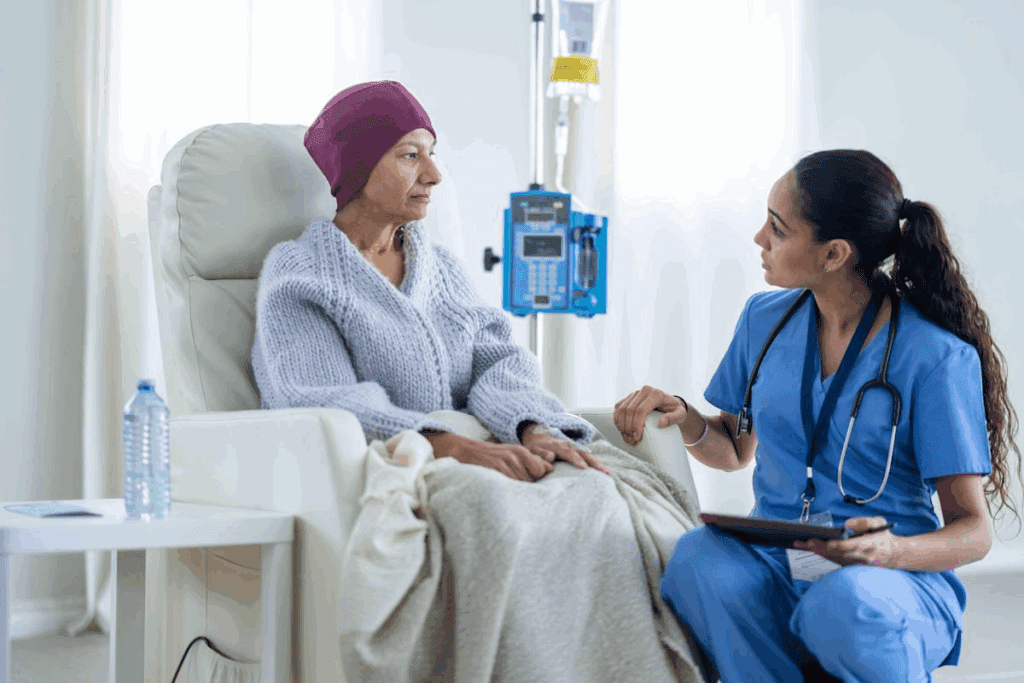

Cancer treatment is complex and scary for many patients. Chemotherapy and radiation therapy are two common treatments. They fight cancer in different ways and have different side effects.
Patients often wonder: what hurts more, chemotherapy or radiation? The answer varies. It depends on the cancer type, its stage, and the patient’s health.
It’s important to know the differences between chemo vs radiation. Both aim to kill cancer cells. But they have different methods and side effects.
Get the definitive answer: what hurts more radiation or chemo? Understand the comparative side effects of radiation therapy clearly.
Key Takeaways
- Chemotherapy and radiation are two common cancer treatments.
- The choice between chemotherapy and radiation depends on the type and stage of cancer.
- Both treatments have different side effects and work in distinct ways.
- Understanding the differences is key for making informed decisions.
- Patients should talk to their doctors to find the best treatment plan.
The Reality of Cancer Treatments
Dealing with cancer treatment means knowing the differences between therapies. Patients often have to choose between chemotherapy and radiation therapy. These treatments work in different ways and have different side effects.
Why Patients Need to Understand Treatment Effects
It’s important for patients to know how treatments work. Chemotherapy and radiation therapy aim to kill cancer cells but in different ways. This knowledge helps patients make better choices about their care.
Chemotherapy uses drugs to kill cancer cells. It affects cells that grow fast, leading to side effects like nausea and hair loss.
Radiation therapy uses rays to target and destroy cancer cells in a specific area. It can cause side effects like skin irritation and pain in the treated area.
Comparing Treatment Approaches
Choosing between chemotherapy and radiation therapy depends on several factors. The type of cancer, its stage, and the patient’s health are important. These factors help decide which treatment is best.
| Treatment Aspect | Chemotherapy | Radiation Therapy |
| Mechanism of Action | Systemic drugs targeting rapidly dividing cells | Localized high-energy rays destroying cancer cells |
| Side Effects | Nausea, hair loss, fatigue | Skin irritation, localized pain, fatigue |
| Application | Various cancers, often used in combination with other treatments | Localized tumors, can be used alone or in combination |
Knowing the differences between treatments helps manage expectations. It allows patients to make informed decisions about their care. By understanding each treatment’s unique aspects, patients can better choose their options.
Basics of Chemotherapy
Understanding chemotherapy is key for those facing cancer treatment. Chemotherapy uses drugs to kill cancer cells and stop them from growing. It’s often used with surgery and radiation therapy.
How Chemotherapy Works
Chemotherapy targets cells that grow fast, like most cancer cells. The drugs used in chemotherapy mess with cell division. This stops cancer growth. But, it can also harm other fast-growing cells, causing side effects.
Types of Chemotherapy Drugs
There are many types of chemotherapy drugs. Each works differently to fight cancer. Here are a few:
- Alkylating agents, which damage DNA to stop cancer cells from reproducing.
- Antimetabolites, which block DNA and RNA production, stopping cancer cell growth.
- Anthracyclines, a type of antibiotic that stops cancer cells from replicating by intercalating DNA strands.
- Plant alkaloids and terpenoids, derived from plants, which stop cell division.
Administration Methods
Chemotherapy can be given in different ways. This depends on the cancer type and the drugs used. Here are some common methods:
- Oral chemotherapy, where drugs are taken by mouth as pills or liquids.
- Intravenous (IV) chemotherapy, where drugs are given directly into a vein.
- Topical chemotherapy, where drugs are applied directly to the skin.
- Intra-arterial chemotherapy, where drugs are delivered directly to the artery that feeds the cancer.
Knowing these basics helps patients understand their chemotherapy better. It prepares them for what to expect and how to handle side effects.
Understanding Radiation Therapy
Radiation therapy is a key part of cancer treatment. It uses high-energy beams to kill cancer cells. This method damages the DNA of cancer cells, stopping them from growing and dividing.
Mechanism of Action
Radiation therapy sends high-energy particles or waves to harm cancer cells. It can be given from outside the body using machines or from inside with radioactive materials. This way, it targets and damages cancer cells.
Types of Radiation Therapy include:
- External Beam Radiation Therapy (EBRT)
- Brachytherapy (Internal Radiation)
- Stereotactic Body Radiation Therapy (SBRT)
- Intensity-Modulated Radiation Therapy (IMRT)
Delivery Methods
The way radiation therapy is given depends on the cancer type and stage, and the patient’s health. Most often, it’s given from outside the body using a machine. This method directs radiation to the cancer site.
Brachytherapy places radioactive material inside the body, close to the tumor. It delivers a high dose of radiation locally. This helps protect healthy tissues nearby.
| Type of Radiation Therapy | Description | Advantages |
| External Beam Radiation Therapy (EBRT) | Delivers radiation from outside the body | Non-invasive, can be precisely targeted |
| Brachytherapy | Involves placing radioactive material inside the body | High local dose, minimizes damage to surrounding tissues |
| Stereotactic Body Radiation Therapy (SBRT) | Delivers precise, high doses of radiation in a few fractions | Effective for small, well-defined tumors |
The American Cancer Society says, “Radiation therapy is used to treat more than half of all cancer patients at some point during their treatment.”
“Radiation therapy can be used alone or in combination with other treatments such as surgery and chemotherapy.”
It’s important for patients to understand radiation therapy. Knowing how it works, the different types, and how it’s given helps them make informed choices. This knowledge is key to navigating cancer treatment.
Direct Comparison: Immediate Physical Sensations
Chemotherapy and radiation therapy can cause immediate physical sensations. These sensations are a big worry for many cancer patients. Knowing about these sensations can help patients get ready for their treatment and set realistic expectations.
Chemotherapy Administration Pain
Chemotherapy is given in different ways, like through an IV, orally, or directly into the tumor. The way it’s given can cause pain or discomfort right away. For example, IV chemotherapy might feel cold, while oral chemotherapy might not feel anything at first but can be uncomfortable due to taste or texture.
Some chemotherapy drugs can also cause pain or discomfort. Certain drugs might make the vein feel hot or painful during administration.
Radiation Treatment Session Sensations
Radiation therapy uses high-energy beams to kill cancer cells. It’s usually painless during the treatment itself. But, patients might feel warmth or a tingling in the treated area right away.
The treatment itself is painless, but getting ready and staying in position can be uncomfortable. Patients have to stay very calm and in one place, which can be hard, even if they’re not in pain.
Which Causes More Immediate Discomfort
Chemotherapy and radiation therapy have different levels of discomfort. Chemotherapy can hurt or feel uncomfortable when given, like through an IV. Radiation therapy is usually painless during the session but might be uncomfortable because of how you’re positioned or because of side effects.
How much discomfort you feel depends on you and your treatment plan. Things like the type of chemotherapy drugs, how often and how much radiation you get, and how you handle it all can affect your experience.
Short-term Side Effects of Chemotherapy
Chemotherapy can make life tough for patients, affecting their daily life. It targets fast-growing cancer cells but also harms healthy cells. This leads to many immediate side effects.
Nausea and Vomiting
Nausea and vomiting are common side effects. Chemotherapy drugs can upset the stomach and trigger the brain’s vomiting center. Doctors often give anti-nausea meds to help.
How bad nausea and vomiting are can vary. It depends on the chemotherapy drugs and how a patient reacts. Some might feel just a little queasy, while others might feel really sick.
Fatigue and Weakness
Fatigue and weakness are big issues for chemotherapy patients. This tiredness is not just physical but also mental and emotional. It happens because the body reacts to the drugs, which can lower red blood cells and cause anemia.
Patients should try to save energy, take breaks, and do light exercises like walking. This can help fight off fatigue.
Digestive Problems and Appetite Changes
Chemotherapy can lead to digestive problems like diarrhea, constipation, and changes in appetite. These issues come from the drugs damaging the digestive tract’s lining. This causes inflammation and discomfort.
To deal with these side effects, patients might need to change their diet. They might eat smaller, more frequent meals and avoid foods that make digestive issues worse.
Mouth Sores and Taste Changes
Mouth sores, also known as mucositis, and taste changes are common too. Chemotherapy can make the mouth’s mucous membranes inflamed and sore. This makes eating and drinking hard.
Taste changes can be weird, like a metallic taste or losing taste altogether. Keeping the mouth clean and avoiding spicy or acidic foods can help with these symptoms.
Short-term Side Effects of Radiation Therapy
Radiation therapy is a lifesaver but comes with immediate challenges. It has several short-term side effects. Knowing about these effects helps patients prepare for their treatment journey.
Skin Reactions and Burns
Skin reactions are a common side effect of radiation therapy. They can range from mild redness to severe burns. The treated skin may become dry, itchy, and sensitive.
In some cases, blistering or peeling can happen. Keeping the treated skin area clean and moisturized helps minimize these effects.
Localized Pain and Swelling
Radiation therapy can cause pain and swelling in the treated area. This pain is due to the body’s reaction to the radiation. The pain’s severity depends on the location and dose of radiation.
Managing this pain often involves medication and supportive care.
Fatigue Levels
Fatigue is a common side effect of radiation therapy. Patients often feel tired or lack energy. This is because their body is working hard to repair damage from the radiation.
The level of fatigue varies. It can be influenced by the total dose of radiation and the treated area. Rest and a balanced lifestyle can help manage fatigue.
Effects on Surrounding Tissues
Radiation therapy can also affect tissues around the targeted area. This can cause inflammation and irritation. It may lead to discomfort or complications.
The extent of these effects depends on the precision of the radiation delivery and the individual’s health.
In conclusion, while radiation therapy is vital for cancer treatment, knowing its short-term side effects is important. This knowledge helps patients and caregivers prepare and manage these effects better.
Hair Loss: Chemotherapy vs Radiation Therapy
Hair loss is a big worry for people getting cancer treatment. Both chemotherapy and radiation therapy can lead to hair loss. Knowing how each treatment affects hair can help patients prepare.
Why Chemotherapy Causes Hair Loss
Chemotherapy targets fast-growing cells, like cancer and hair follicles. This means it can cause hair loss all over the body, not just on the scalp. The amount of hair loss depends on the chemotherapy drugs, how much is used, and how often it’s given. Drugs like doxorubicin and cyclophosphamide are known to cause more significant hair loss.
Does Radiation Therapy Make You Lose Your Hair?
Radiation therapy causes hair loss in a specific area. For example, radiation to the head leads to scalp hair loss. But, it doesn’t cause hair loss all over the body like chemotherapy does. The amount of hair loss depends on the dose and how long the treatment lasts.
Emotional Impact of Treatment-Related Hair Loss
Hair loss can really affect a person’s self-esteem and body image. It can lead to anxiety and depression. But, support groups and counseling can help a lot. Some people also try wigs, hats, or scalp cooling to hide hair loss.
Hair Regrowth Expectations
But, the good news is that hair loss from chemotherapy and radiation therapy is usually temporary. Hair usually starts growing back after treatment ends. But, it might grow back differently in texture or color. Knowing this can give patients hope and comfort during treatment.
By understanding how chemotherapy and radiation therapy affect hair, patients can prepare better. While both can cause hair loss, the extent and where it happens differ. Being informed can help lessen the emotional impact of this side effect.
Long-term Effects of Chemotherapy
Chemotherapy is a key part of cancer treatment but can cause long-term side effects. Patients may face challenges after treatment ends.
Chronic Pain Syndromes
Chemotherapy can lead to chronic pain. This happens when certain drugs damage nerves, causing long-lasting pain. Managing this pain is often needed.
Organ Damage Concerns
Chemotherapy can harm organs like the heart, lungs, kidneys, or liver. The drugs and dosage used matter. Regular check-ups are key to reduce these risks.
Cognitive Effects (“Chemo Brain”)
Many patients experience cognitive changes, known as “chemo brain.” These include memory issues, trouble focusing, and less mental clarity. The exact reasons are being researched, but it’s thought that chemotherapy drugs play a role.
Fertility and Hormonal Changes
Chemotherapy can affect fertility in both men and women. It can cause temporary or permanent changes in reproductive ability. Hormonal shifts can also happen, impacting health and well-being.
| Long-term Effect | Description | Management Strategies |
| Chronic Pain | Resulting from nerve damage, leading to persistent pain. | Pain management medications, alternative therapies like acupuncture. |
| Organ Damage | Affecting heart, lungs, kidneys, or liver due to chemotherapy drugs. | Regular monitoring, lifestyle changes, and medications to support organ health. |
| Cognitive Changes | Including memory problems and difficulty concentrating. | Cognitive rehabilitation, mental exercises, and potentially medications. |
| Fertility Changes | Impacting reproductive capabilities and hormonal balance. | Fertility preservation techniques before chemotherapy, hormonal therapies. |
It’s important for patients and healthcare providers to know about these long-term effects. This knowledge helps manage care and improve life quality after chemotherapy.
Long-term Effects of Radiation Therapy
Radiation therapy is a common treatment for cancer. But it can have lasting effects on the body. These effects are important for both patients and their healthcare providers to know.
Tissue Fibrosis and Chronic Pain
Tissue fibrosis is a common side effect of radiation therapy. It causes the body to make too much fibrous tissue. This can lead to chronic pain and make it hard to move.
Managing tissue fibrosis well is key to keeping a good quality of life.
- Physical therapy can help improve mobility and reduce pain.
- Pain management medications may be prescribed to alleviate chronic pain.
Secondary Cancer Risks
Another big worry with radiation therapy is the chance of getting secondary cancers. Exposure to radiation can damage the DNA of healthy cells, which can lead to cancer. The risk depends on how much radiation is used and where it’s applied.
- Patients getting radiation therapy should be watched closely for signs of secondary cancers.
- New technology in radiation therapy tries to protect healthy tissues.
Long-term Organ Function Changes
Radiation therapy can also change how organs work. For example, radiation to the chest can harm the heart and lungs. This can cause long-term heart and lung problems.
Long-term follow-up care is key to managing these issues.
Localized vs. Systemic Effects
Radiation therapy mainly affects the area being treated, unlike chemotherapy. But, the effects in the treated area can be big. They can affect a patient’s health and well-being a lot.
In summary, knowing the long-term effects of radiation therapy is very important. It helps patients and healthcare providers plan better care. This can improve patients’ long-term health.
Which is Harder on the Body: Chemo or Radiation?
When it comes to cancer treatment, chemotherapy and radiation therapy have different impacts on the body. Both aim to fight cancer but in different ways. This leads to unique effects on the body.
Physical Toll Comparison
Chemotherapy and radiation therapy work differently, causing different side effects. Chemotherapy affects the whole body, leading to widespread issues like nausea and hair loss. On the other hand, radiation therapy targets specific areas, causing side effects like skin reactions and pain.
How severe these effects are can vary a lot. It depends on the treatment type, dose, and the patient’s health.
Recovery Timeline Differences
The time it takes to recover from chemotherapy and radiation therapy can be different. Chemotherapy recovery starts after treatment cycles end. It can take months for the body to fully heal.
Radiation therapy recovery times can vary. Some side effects go away soon after treatment ends. Others can last longer.
Factors That Influence Treatment Tolerance
Many things affect how well a patient can handle chemotherapy or radiation therapy. These include the patient’s health, age, treatment type and dose, and any other health conditions. Knowing these factors helps manage side effects and improve outcomes.
Healthcare providers can make treatment plans more personal. This can help lessen the physical impact of cancer treatment.
Psychological Impact of Cancer Treatments
Cancer treatments like chemotherapy and radiation can deeply affect patients’ mental health. The stress of a cancer diagnosis is huge. When treatment starts, it can lead to emotional and psychological challenges.
Anxiety and Depression
Patients often feel anxiety and depression during treatment. They worry about their future and fear side effects. Changes in how they see themselves can also affect their mood. It’s key for doctors to spot these feelings early and offer help.
Treatment-Related Trauma
For some, cancer treatment is traumatic. The pain and emotional strain can cause post-traumatic stress disorder (PTSD). It’s important to care for both the body and mind of patients.
Coping Mechanisms
Finding ways to cope is essential for patients. Mindfulness, meditation, and yoga can help reduce stress. Support from loved ones and groups is also vital.
Support Resources
Having access to support resources is key for patients. This includes counseling, support groups, and online help. A strong support system can greatly improve a patient’s mental health during treatment.
| Support Resource | Description | Benefits |
| Counseling Services | Professional counseling to address emotional and psychological challenges. | Reduces feelings of isolation, provides emotional support. |
| Support Groups | Groups of individuals sharing similar experiences. | Offers a sense of community, shared understanding. |
| Online Resources | Websites, forums, and online communities providing information and support. | Accessible 24/7, offers a wide range of information and support. |
Patient Experiences: What Cancer Survivors Say
Patient testimonials show the different effects of chemotherapy and radiation therapy. They help others get ready for their treatment. Cancer survivors share their good and bad experiences with these treatments.
Chemotherapy Testimonials
Many cancer survivors talk about the tough side effects of chemotherapy. Nausea and fatigue are common, but how bad they are can differ a lot.
“Chemotherapy was a blur of doctor’s visits and medication. The nausea was intense, but the support from my medical team made a huge difference.” – Sarah, breast cancer survivor
Radiation Therapy Testimonials
Those who had radiation therapy often talk about its localized effects. They mention skin reactions and fatigue. But they also like how targeted it is.
“Radiation therapy was a more localized experience for me. The skin reactions were uncomfortable, but manageable with the right care.” – John, prostate cancer survivor
Comparative Experiences
Some patients get both chemotherapy and radiation therapy. Their stories help us understand the combined effects of these treatments.
| Treatment Aspect | Chemotherapy | Radiation Therapy |
| Side Effects | Nausea, fatigue, hair loss | Skin reactions, localized pain, fatigue |
| Treatment Frequency | Regular cycles, often every 3 weeks | Daily or weekly sessions, depending on type |
| Emotional Impact | Varied, often related to side effects | Can be less emotionally taxing due to localized treatment |
Knowing these experiences helps patients and their families get ready. They understand what to expect and how to deal with treatment challenges.
Modern Advancements in Radiation Therapy and Chemotherapy
Recent years have brought big changes to cancer treatment. These changes aim to make treatments better, cut down on side effects, and improve life quality for patients. They are all about making treatment more effective and less harsh.
New Technologies Reducing Side Effects
New tech in radiation therapy is a big deal. For example, Intensity-Modulated Radiation Therapy (IMRT) lets doctors target tumors more precisely. This means less harm to healthy tissues around the tumor.
Chemotherapy has also improved. Now, nanoparticle-based delivery systems can find and hit cancer cells better. This helps reduce the bad effects on healthy cells.
Targeted Treatments
Targeted treatments are a big step forward in cancer care. They aim to hit cancer cells directly, leaving normal cells alone. This cuts down on side effects.
Targeted therapy uses drugs made for specific cancer types. In radiation, Stereotactic Body Radiation Therapy (SBRT) gives high doses of radiation right to the tumor. This keeps nearby healthy tissues safe.
Improved Pain Management Protocols
Pain management has gotten a lot better too. Now, pain management protocols use a team approach. This includes medicines, physical therapy, and support for the mind.
Techniques like advanced pain management and palliative care are used more. They help patients feel better and live better lives.
| Advancement | Description | Benefit |
| Intensity-Modulated Radiation Therapy (IMRT) | Precise targeting of tumors with radiation | Reduced damage to healthy tissues |
| Nanoparticle-based Delivery Systems | Targeted delivery of chemotherapy drugs | Reduced side effects |
| Stereotactic Body Radiation Therapy (SBRT) | High doses of radiation to tumors with precision | Minimal damage to surrounding tissues |
Combined Treatments: When Patients Receive Both
Many cancer patients get both chemotherapy and radiation therapy. This combo can be tough on the body. It’s important to think about the side effects and how to handle them.
Cumulative Effects
Getting both treatments can make the body’s response stronger. Cumulative effects mean the body feels the impact more. This can lead to more fatigue, toxicity, and side effects.
The effects depend on the cancer type, treatment doses, and the patient’s health. For example, chemotherapy weakens the immune system. Radiation therapy can harm tissues. Together, these can be hard to manage.
Managing Multiple Treatment Side Effects
Handling side effects from both treatments needs a detailed plan. Doctors suggest various strategies, like:
- Supportive care like nutrition advice and pain relief.
- Changing the treatment plan to reduce harm.
- Keeping a close eye on the patient’s health to quickly fix problems.
By using a wide range of methods, patients can handle the challenges of both treatments better.
Sequencing of Treatments
The sequencing of treatments is key in managing side effects. The order of chemotherapy and radiation therapy matters. It affects how well the patient responds and the side effects they face.
For instance, chemotherapy might come first to shrink tumors. Then, radiation therapy targets any remaining cancer cells. Or, radiation therapy might start to control local disease, with chemotherapy added later to fight microscopic spread.
The choice of when to use each treatment depends on the cancer type, stage, and the patient’s health. It also depends on the treatment goals.
Conclusion: Making Informed Decisions About Cancer Treatment
It’s key to know the differences between chemotherapy and radiation therapy when facing cancer treatment. Both affect the body in different ways. Knowing this helps people choose what’s best for them.
Cancer treatment is complex. Patients need to understand the side effects and benefits of chemotherapy and radiation therapy. They should think about their cancer type, health, and what they prefer. This way, they can make choices that fit their needs.
Understanding your options, like chemotherapy and radiation therapy, is part of making informed decisions. Doctors are important in helping patients. They guide them through the treatment process and help pick the best approach.
Being informed lets patients take charge of their cancer treatment. This leads to care that’s more tailored and effective.
FAQ
What is the difference between chemotherapy and radiation therapy?
Chemotherapy uses drugs to kill cancer cells. Radiation therapy uses high-energy rays to destroy them.
Is chemotherapy or radiation therapy more effective?
The choice between chemotherapy and radiation therapy depends on the cancer type and stage. It also depends on the patient’s health.
Do you lose hair with radiation therapy?
Hair loss is more common with chemotherapy. But, radiation therapy can also cause hair loss in the treated area.
Is radiation therapy the same as chemotherapy?
No, they are not the same. Radiation therapy and chemotherapy are two different treatments that work in different ways.
Which is harder on the body, chemotherapy or radiation therapy?
Both treatments can be tough. The impact depends on the treatment type, dose, and the patient’s health.
Can you lose your hair from radiation?
Yes, radiation therapy can cause hair loss in the treated area. But, it’s not as widespread as with chemotherapy.
Is chemotherapy worse than radiation?
It’s not a simple question of which is worse. Both treatments have different side effects and challenges.
What are the common side effects of chemotherapy and radiation therapy?
Chemotherapy can cause nausea, fatigue, and hair loss. Radiation therapy can cause skin reactions, fatigue, and pain in the treated area.
How do I manage multiple treatment side effects?
Work closely with your healthcare team. They can help you manage side effects and keep you healthy.
Are there new technologies reducing side effects in cancer treatment?
Yes, new technologies in radiation therapy and chemotherapy are improving treatments. They aim to reduce side effects.
Can I receive both chemotherapy and radiation therapy?
Yes, some patients get both treatments. This depends on their individual needs.
How do I make informed decisions about my cancer treatment?
Discuss your options with your healthcare team. Consider treatment goals, side effects, and your overall health.





