


Medical treatments have greatly improved for kids with childhood cancer. In rich countries, the five-year survival rate is now 85%. This means more kids can live normal lives after beating cancer.
However, the fight doesn’t end when treatment finishes. Many survivors face lasting effects and require ongoing care. It’s also common for those that survived cancer scared that it will come back, and this anxiety can affect their emotional well-being.
Understanding these concerns is key to supporting childhood cancer survivors. Providing regular check-ups, counseling, and reassurance helps those that survived cancer scared that it will come back feel safer and more confident in their daily lives.
Parents, caregivers, and healthcare providers should be aware that emotional support is just as important as physical health for those that survived cancer scared that it will come back. Addressing these fears early can make a big difference in helping kids thrive after cancer.
Key Takeaways
- Childhood cancer survival rates have significantly improved.
- Survivors face unique challenges after treatment.
- Ongoing care is essential for childhood cancer survivorship.
- International standards are shaping survivor care.
- Leading a normal life after childhood cancer is increasingly possible.
The Rising Survival Rates of Childhood Cancer.
Over the years, more kids with cancer are living longer. This is thanks to better treatments like chemotherapy, radiation, and surgery.
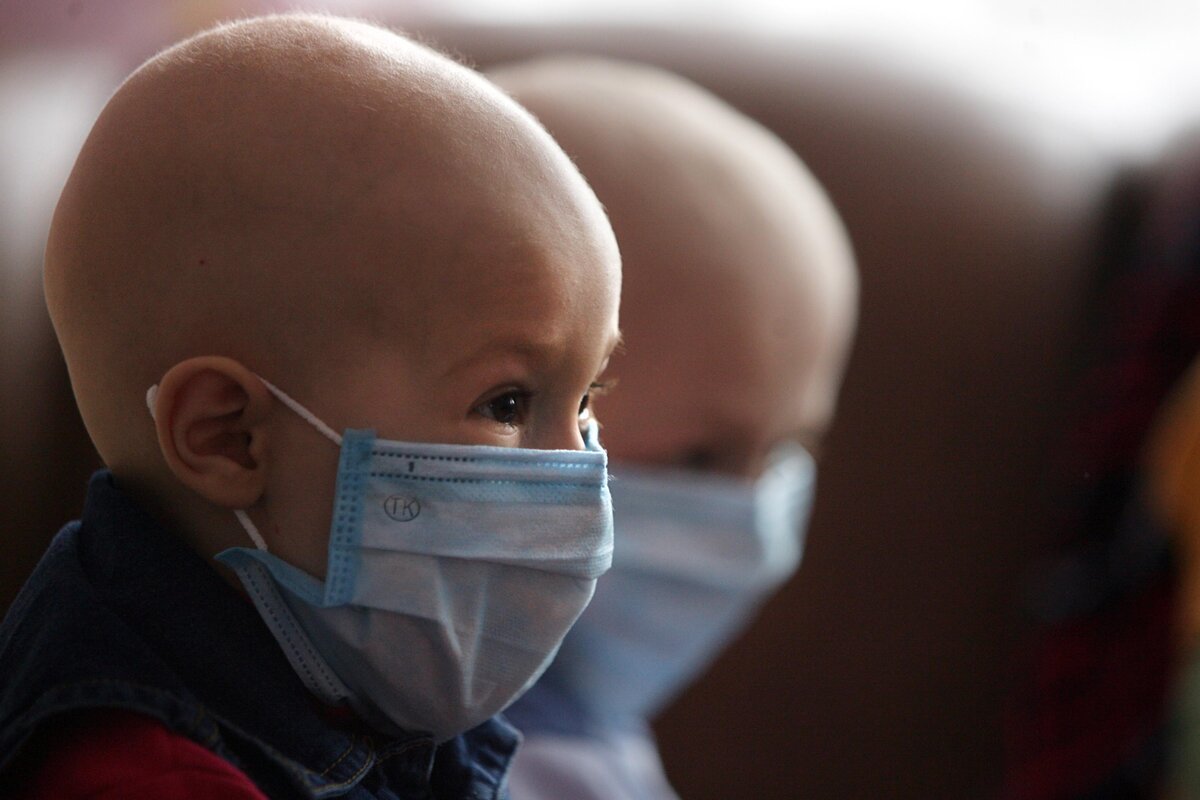
Current Statistics on Childhood Cancer Survival
Today, over 85% of kids with cancer in the U.S. are expected to live at least five years after diagnosis. This is a big improvement from the past.
But many survivors face health problems later in life. By age 65, 55% of them will have a chronic health condition. This is 2.7 times more than kids who never had cancer.
Medical Advances Contributing to Improved Outcomes
Several medical breakthroughs have helped kids with cancer live longer. These include:
- More effective chemotherapy with fewer side effects.
- Improved radiation therapy that targets tumours better.
- Advanced surgery that removes tumours more precisely.
- Better care for managing treatment side effects.
These advances have not only saved lives but also improved the quality of life for many survivors. But, the question remains: can chemotherapy shorten your life? Studies show that while chemotherapy can have long-term effects, the benefits usually outweigh the risks for many patients.
The Meaning of “Cure” in Childhood Cancer
The idea of a “cure” in childhood cancer is complex. Many kids are considered cured, but treatment effects can last a lifetime. Understanding the life expectancy of childhood cancer survivors means looking at these long-term effects.
Survivors and their doctors must deal with these challenges. They need to weigh the benefits of treatment against the risks of long-term health problems. This includes watching for late effects and managing any health issues that come up.
Understanding the Long-Term Health Landscape
Medical treatments for childhood cancer have gotten better. Now, we focus on the long-term health effects for survivors. Survivors often face many health challenges that affect their quality of life.
Chronic Health Conditions Among Survivors
Childhood cancer survivors are more likely to get chronic health problems. These include heart disease, endocrine disorders, and fertility issues. These problems can come from the cancer treatment, such as chemotherapy and radiation.
Common chronic health conditions among survivors include:
- Heart disease and cardiovascular complications
- Endocrine system disruptions, such as thyroid problems
- Fertility challenges and reproductive health issues
- Secondary cancers
Risk Comparison with the General Population
Studies show that survivors face a higher risk of health problems than the general population. They are more likely to get heart disease and other late effects of treatment.
This risk comparison shows the need for long-term care for survivors. Care should be tailored to their treatment history and late effects.
Factors Affecting Long-Term Health Outcomes
Several factors can affect a survivor’s long-term health. These include the type and dose of treatment, age at diagnosis, and any pre-existing health conditions.
Understanding these factors is key to creating effective care plans for survivors.
By recognizing long-term health challenges and using the right care strategies, healthcare providers can help survivors. This improves their quality of life.
Physical Late Effects of Childhood Cancer Treatment
Childhood cancer treatment can cause lasting effects on survivors’ lives. As survival rates improve, managing these effects is key.
Cardiovascular Complications
Childhood cancer treatment can harm the heart. This can lead to heart failure and other heart problems. Survivors may face a higher risk of heart disease due to their treatment.
A study in the Journal of Clinical Oncology found that childhood cancer survivors face a higher risk of heart disease. This risk is linked to the type and dose of treatment they received.
Endocrine System Disruptions
The endocrine system can be affected by childhood cancer treatment. This can disrupt hormone production, leading to growth issues and other problems. Regular checks of endocrine function are important for managing these issues.
“The late effects of cancer treatment on the endocrine system can be profound, affecting growth, development, and overall health.”
” A leading pediatric oncologist
Fertility Challenges and Reproductive Health
Fertility can be impacted by childhood cancer treatment. Certain treatments can damage reproductive organs, leading to infertility. Talking about fertility options before treatment is important. Survivors should also be monitored for reproductive health issues.
- Chemotherapy agents like alkylating agents can affect fertility.
- Radiation therapy, when aimed at the pelvic area, can harm reproductive organs.
- Survivors should be informed about their fertility status and family planning options.
It’s vital to understand the physical late effects of childhood cancer treatment. This knowledge helps healthcare providers offer better care. It improves the long-term health and quality of life for survivors.
Can Chemotherapy Affect Growth and Development?
Childhood cancer treatment, like chemotherapy, can change a child’s growth and development. As they grow up, it’s key to understand these changes. This helps in giving the right care and support.
Impact on Physical Growth
Chemotherapy can harm a child’s physical growth. It can damage bone growth plates, leading to growth problems. Research shows that young children who get chemotherapy may grow more slowly or stop growing altogether.
The impact can depend on the type and amount of chemotherapy and the child’s age. For example, strong chemotherapy can cause bigger growth issues.
Can Chemo Stunt Growth? Understanding the Evidence
Studies on chemotherapy’s long-term effects on growth have given us important information. A study on childhood leukemia survivors found that some chemotherapy can cause lasting growth problems. But how much it affects each person can differ a lot.
“The effects of chemotherapy on growth and development are complex and multifactorial, requiring a nuanced approach to long-term care for childhood cancer survivors.” – Pediatric Oncologist
Long-Term Effects on Organ Development
Chemotherapy can also harm the development and function of organs. For example, some chemotherapy can harm the heart, leading to long-term heart issues. It can also affect kidney function or other organs.
For leukemia survivors, ongoing care is vital to watch for and manage these late effects. Knowing the risks of their treatment helps in early action. This improves their quality of life.
While chemotherapy saves many children’s lives, it’s important to consider its effects on growth and development. By recognizing and dealing with these effects, healthcare teams can help survivors live healthy, happy lives.
Those That Survived Cancer are Scared That It Will Come Back
Many survivors worry about cancer coming back after treatment. This fear can affect their mental health and daily life. It’s a big concern for those who have beaten cancer.
Understanding Recurrence Anxiety
Recurrence anxiety is the fear of cancer returning. It’s a normal feeling for those who have had cancer. Survivors worry about the cancer coming back or spreading.
Memory of the diagnosis, treatment, and follow-ups can fuel this fear. Studies show many survivors feel anxious about cancer coming back. For example, leukemia survivors often feel more anxious than others.
Risk Factors for Cancer Recurrence
Knowing the risk factors for recurrence helps survivors and doctors. Some key factors include:
- The type and stage of cancer at diagnosis
- The effectiveness of the initial treatment
- Genetic factors
- Lifestyle factors, such as smoking and diet
Understanding these factors can help survivors take steps to lower their risk. It also helps them manage their fear of recurrence.
Coping Strategies for Fear of Relapse
Managing the fear of recurrence needs a variety of strategies. Some helpful ones include:
- Mindfulness and relaxation techniques: Meditation and deep breathing can reduce anxiety.
- Cognitive-behavioural therapy (CBT): CBT helps change negative thought patterns and manage fear.
- Support groups: Sharing experiences with others who have faced similar fears can offer emotional support and advice.
Using these strategies can help survivors cope with their fear. It can also improve their overall well-being.
Trauma from Experiencing Cancer: Psychological Impact
Surviving childhood cancer is a big win, but it can deeply affect a person’s mind. The whole journey, from finding out they have cancer to getting better, can change their mental health for a long time.
Post-Traumatic Growth vs. Post-Traumatic Stress
Having cancer can change someone’s mind in many ways. Some might get post-traumatic stress disorder (PTSD), while others might find new meaning in life, known as post-traumatic growth.
Why someone gets PTSD or grows from their experience depends on many things. These include how bad their treatment was, who supported them, and how strong they are.
When Survivors Feel “Chemo Ruined My Life”
For some, the treatment they got can really hurt their quality of life. Saying “chemo ruined my life” shows how some survivors feel. They might struggle with thinking, moving, or feeling emotions.
We need to help these survivors in many ways. This includes medical care, talking to a therapist, and understanding from others. By recognizing their struggles, we can help lessen the bad effects of their cancer journey.
Building Resilience Through the Cancer Journey
Being strong is important when facing cancer and its treatment. Survivors can get stronger through support groups, counselling, and mindfulness practices. These help them deal with their feelings and see life in a positive way.
By working on being resilient, survivors can handle the mental effects of cancer better. They can then live a more rewarding life after treatment.
Social Reintegration and Relationship Development
The journey doesn’t end with treatment. Childhood cancer survivors must face social reintegration. They need to rebuild connections with family, friends, and peers.
Navigating School and Peer Relationships
Going back to school after cancer is tough. Survivors might struggle with:
- Getting back into school life
- Dealing with physical changes
- Handling how peers see them
Help from teachers, friends, and groups like “Babies After Cancer” is key.
Family Dynamics After Cancer Treatment
Cancer affects the whole family. Changes include:
- Shifts in family roles
- Emotional impact on siblings
- New family routines
Rebuilding family bonds takes time, patience, and sometimes help from experts.
Dating and Intimate Relationships as a Cancer Survivor
Survivors face new challenges in relationships. They worry about:
- Scaring off partners with cancer fears
- Telling their medical history
- Effects on sex and fertility
Being open, having supportive partners, and counselling can help.
Childhood cancer survivors are not alone. There are resources and support groups to help them.
Life Expectancy and Quality of Life Considerations
Survivors of childhood cancer face many challenges. These can affect their life expectancy and quality of life. The journey after treatment is just the start of a new chapter with its own set of concerns.
Life Expectancy of Childhood Cancer Survivors
Studies show that childhood cancer survivors might have a higher risk of early death. The type of cancer, treatment, and late effects play a big role. Knowing these risks is key to managing long-term health.
A Journal of Clinical Oncology study found that survivors face a higher risk of death. This includes the original cancer coming back, secondary cancers, and other health issues.
Childhood Leukemia Survivors: Specific Outcomes
Childhood leukemia survivors are a big group of survivors. Thanks to better treatments, their outcomes have improved. Long-term follow-up care is vital for managing late effects.
Survivors of acute lymphoblastic leukemia (ALL) might face late effects like heart disease, secondary cancers, and brain problems. Regular check-ups and interventions can help manage these risks.
Can Chemotherapy Shorten Your Life? Addressing Concerns
Chemotherapy is key in treating childhood cancer, but can have long-term effects. Worries about chemotherapy shortening life expectancy are valid. The risk of late effects like organ damage and secondary cancers highlights the need for ongoing monitoring.
Chemotherapy has saved many lives, but its long-term health effects must be recognized. Survivors should stay in close touch with their healthcare providers. They should also adopt healthy lifestyle habits to improve their well-being.
Comprehensive Survivorship Care
The journey of a childhood cancer survivor doesn’t end with treatment. It continues with care that addresses their complex needs. This care is vital for managing long-term effects and improving their quality of life.
Components of Long-Term Follow-Up Programs
Long-term follow-up programs are key in survivorship care. They include regular check-ups and monitoring for late effects. For example, survivors may get heart checks due to treatment side effects.
These programs also teach healthy lifestyle choices and watch for secondary cancers. They offer psychological support too. This helps survivors face challenges and improve their well-being.
Transitioning from Pediatric to Adult Healthcare
Childhood cancer survivors must move to adult healthcare as they grow up. This change can be tough. It means moving from family-centred care to independent adult care.
Good transition planning is essential. It educates survivors about their cancer history and treatment. It also helps them find adult healthcare providers who understand their needs.
Multidisciplinary Approaches to Survivor Care
A team approach is vital for quality survivor care. This team includes oncologists, primary care doctors, nurses, and psychologists. They work together to meet survivors’ diverse needs.
This team effort tailors care to each survivor’s needs. It improves their quality of life and long-term outcomes. This is the core of childhood cancer survivorship care, ensuring survivors get the support they need to thrive.
Support Systems and Resources for Childhood Cancer Survivors
The journey of a childhood cancer survivor doesn’t end with treatment. It’s supported by many resources and communities. Survivors and their families need help to deal with the challenges of survivorship.
Community and Online Support Groups
Support groups, both online and in-person, are key. They give survivors a place to share their stories and find support. Groups like the Children’s Cancer and Blood Foundation and the CureSearch for Children’s Cancer offer these spaces.
These groups offer emotional support. Survivors can talk about their feelings and challenges with others who get it. Online forums and social media groups provide support 24/7, letting members share and get encouragement anytime.
Educational and Financial Resources
Survivors and their families need help with education and money. Groups like the Pediatric Cancer Research Foundation and the National Children’s Cancer Society help with medical and educational costs.
There are also educational resources. They help survivors understand their treatment and plan for the future. This includes learning about managing late effects and finding the right healthcare.
Advocacy and Childhood Cancer Awareness
Advocacy is key to raising awareness about childhood cancer. Campaigns and initiatives, led by survivor families and organizations, promote understanding and support. They focus on research and survivorship issues.
Using childhood cancer awareness sayings helps spread the word. Survivors and their families can join awareness events and fundraising campaigns. This makes a big difference for those affected by childhood cancer.
Understanding life after chemotherapy is important. It’s not just about medical recovery. It’s also about emotional and psychological healing. With the right support, survivors can lead happy and fulfilling lives.
Conclusion: Redefining “Normal” After Childhood Cancer
Survivors of childhood cancer and their families must rethink what a “normal” life means. The journey through treatment changes them deeply. It leaves survivors dealing with physical and emotional scars.
For some, the experience feels overwhelming. They might feel like “chemo ruined my life.” Others live in fear that the cancer will come back, just like those who survived are scared too.
Redefining “normal” means recognizing the challenges survivors face. It’s about providing ongoing support and care. This includes long-term follow-up programs, community resources, and advocacy.
By understanding life after childhood cancer, we can better support survivors. This helps them on their path to a fulfilling life.
FAQ
Can chemotherapy stunt growth in children?
Yes, chemotherapy can slow down growth in kids. It might cause delays in physical development.
What are the long-term health effects of childhood cancer treatment?
Kids who survive cancer might face health issues later. These can include heart problems, infertility, and endocrine issues. They are at higher risk than others.
How does childhood cancer treatment impact fertility?
Treatments like chemotherapy and radiation can harm fertility. It’s key for survivors to talk to doctors about their fertility options.
What is the life expectancy of childhood cancer survivors?
Survival rates have gotten better. But survivors might face a higher risk of dying early due to treatment side effects.
Can leukemia survivors expect a normal life after treatment?
Many leukemia survivors can live active lives. But, they often need ongoing medical care for treatment side effects.
How common is cancer recurrence among childhood cancer survivors?
The chance of cancer coming back varies. It depends on the cancer type, treatment, and individual factors. Survivors should stick to follow-up care plans.
What resources are available for childhood cancer survivors?
Survivors can find support groups, educational and financial help, and advocacy efforts. These resources help them deal with survivorship challenges.
How can survivors cope with the fear of cancer recurrence?
Survivors can use stress management, join support groups, and get counselling. These help with anxiety about cancer coming back.
What is comprehensive survivorship care, and why is it important?
It’s a team effort to meet survivors’ complex needs. This includes long-term follow-up and help with transitioning to adult healthcare.
How can families and survivors raise awareness about childhood cancer?
Families and survivors can join advocacy efforts. They can share their stories and support groups focused on childhood cancer awareness and research.
Reference
- van Kalsbeek, R. J., et al. (2023). A joint international consensus statement for measuring core outcomes in childhood cancer survivors. Nature Medicine, 29, 1303-1312. https://www.nature.com/articles/s41591-023-02339-y


