


We are seeing a big change in healthcare with precision medicine. It’s a new way to make care fit each person’s unique needs. This includes their genes, lifestyle, and where they live.
Precision medicine focuses on what makes each person different. It wants to give care that really works for you. This could change healthcare a lot, making it more personal and fitting to each patient’s needs.

Looking into personalized medicine shows it’s changing how we fight diseases. It’s a big shift in how we see and treat health problems.
Key Takeaways
- Precision medicine tailors healthcare to an individual’s unique genetics, lifestyle, and environment.
- This approach aims to provide more effective and targeted care.
- Personalized medicine has the power to change healthcare.
- It looks at what makes each person different, like genes and lifestyle.
- The goal is to give care that’s made just for you.
The Definition and Core Principles of Precision Medicine
Healthcare is changing with precision medicine. It focuses on each person’s unique genetic, environmental, and lifestyle factors. This shift moves away from the old one-size-fits-all approach. Now, healthcare is more personalized and effective.
The Evolution from Traditional to Personalized Healthcare
Precision medicine has grown a lot over time. It’s thanks to new genetic research, data analysis, and understanding of genes, environment, and lifestyle. A study on PMC shows it’s promising for better healthcare by tailoring treatments.
The old healthcare model was too general. Precision medicine aims to know each patient’s unique needs. This way, doctors can give more precise and effective care.
Key Components: Genetics, Environment, and Lifestyle Factors
Precision medicine combines several health influencers. These are:
- Genetic Information: Knowing a patient’s genes helps find disease risks and guide treatments.
- Environmental Factors: Things like pollution and lifestyle choices affect health a lot.
- Lifestyle Choices: Diet, exercise, and smoking habits are key to health outcomes.
This approach to healthcare is more accurate and targeted. The diagram below shows how these factors come together in precision medicine.
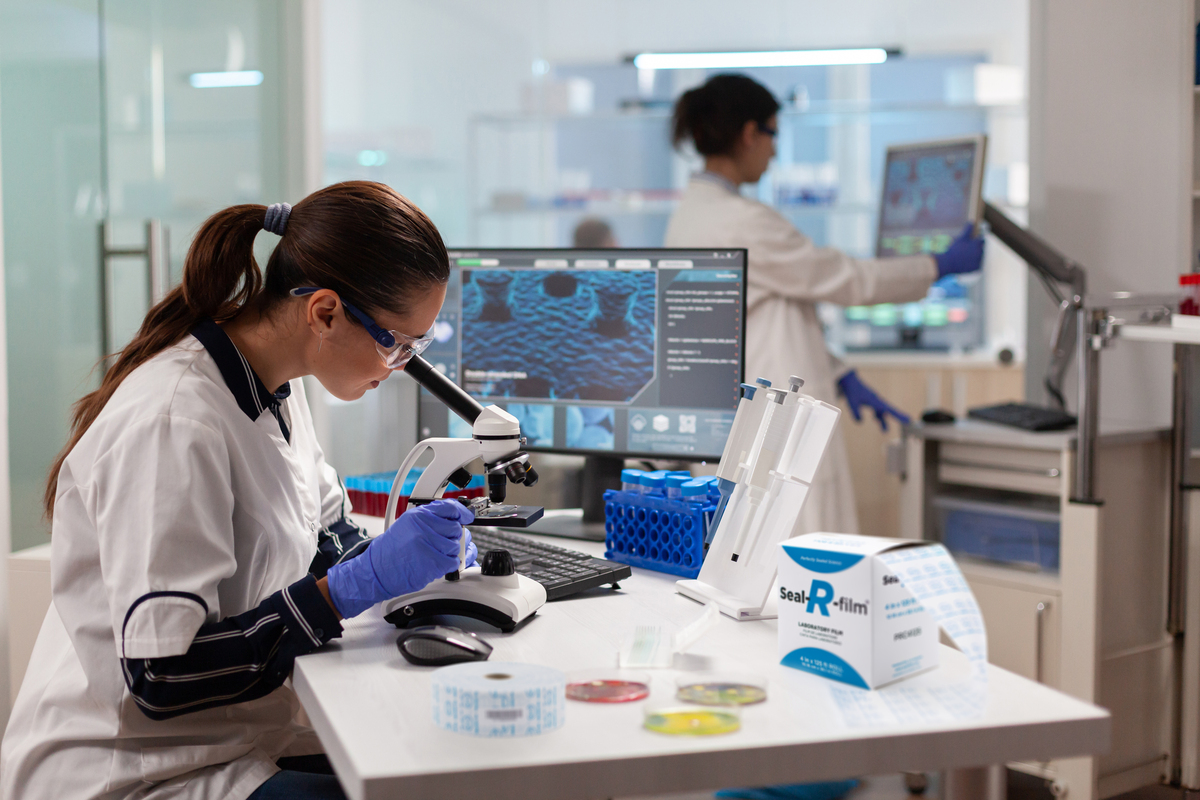
The future of healthcare looks bright with precision medicine. As research and technology improve, we’ll see more advanced uses in healthcare.
Understanding Precision Medicine’s Primary Objectives
The main goals of precision medicine are to offer healthcare plans that fit each person’s needs. We want to use precision medicine in many healthcare areas, like cancer research.
We look at each patient’s unique traits to create better prevention, diagnosis, and treatment plans. This new way of healthcare is making it more personal and accurate.
Tailored Prevention Strategies
We work on prevention plans that consider a person’s genes and environment. This helps catch diseases early. For example, genetic tests can spot people at high risk for some cancers, so we can act fast.

Personalized Diagnostic Approaches
Tools like Next-Generation Sequencing (NGS) help us find specific genetic changes. This info is key to accurate disease diagnosis. Personalized tests mean patients get the right diagnosis, leading to better treatments.
Individualized Treatment Plans
Treatment plans are made just for each person, based on their genes, medical history, and lifestyle. This approach boosts patient results by making treatments more targeted and effective.
Understanding precision medicine‘s main goals helps us see its big impact on healthcare. As we keep improving, we expect to see big changes in how we care for patients.
The Expanding Global Market of Precision Medicine
The global precision medicine market is set to grow fast. This is thanks to new tech and more people wanting care that fits them. We’re seeing big steps forward in medical tech, making precision medicine more vital in healthcare.
The market is forecast to jump from $101.86 billion in 2024 to $469.16 billion by 2034. It will grow at 11.9% each year. This shows healthcare is moving towards more tailored and precise methods.
Current Market Valuation and Growth Trajectory
The precision medicine market is worth $101.86 billion in 2024. It’s expected to grow a lot, thanks to more people getting chronic diseases and wanting treatments that work for them. The market is set to grow fast, with an 11.9% annual increase from 2024 to 2034.
By 2034, the market is expected to hit $469.16 billion. This shows the huge promise of precision medicine in healthcare and its growing use.
Factors Driving the 11.9% Annual Growth Rate
Several things are pushing the precision medicine market’s growth. Advancements in genetic sequencing and AI-driven analytics are key. These help doctors give treatments that really work for each patient.
- Increasing prevalence of chronic diseases
- Rising demand for targeted therapies
- Advancements in precision medicine technologies
- Growing adoption of personalized healthcare approaches
Looking ahead, the precision medicine market will keep growing. This is thanks to these factors and the growing need for care that fits each person’s unique needs.
Clinical Applications and Success Stories
Precision medicine is changing how we treat diseases. It’s making a big difference in healthcare. We’re seeing better results because treatments are tailored to each person.
Oncology: A Leader in Precision Medicine
Precision oncology is leading the way in cancer treatment. It targets specific genetic mutations. Targeted therapies have greatly improved cancer treatment, making patients’ lives better.
Thanks to precision oncology, doctors can create personalized treatment plans. These plans are based on each patient’s genetic makeup. This method not only works better but also has fewer side effects than old treatments.
Rare Genetic Diseases: Breakthrough Treatments
Precision medicine is also helping with rare genetic diseases. Researchers have found ways to target the genetic causes. This has led to breakthrough treatments for diseases that were once untreatable.
Gene therapy is a key example. It involves adding healthy genes to cells. This can fix genetic problems and improve health outcomes.
Chronic Disease Management Through Precision Approaches
Precision medicine is also improving chronic disease management. It creates personalized treatment plans based on a person’s genes, lifestyle, and environment. This helps doctors manage diseases better and improve patient care.
For chronic diseases, precision medicine uses advanced tools and data. It finds the best treatment for each patient. This approach makes managing chronic diseases simpler, cheaper, and improves patients’ lives.
Technological Innovations Powering Precision Medicine
New technologies are changing precision medicine. They help make diagnoses more accurate and treatments more personal.
Rapid Genome Sequencing Technologies
Rapid genome sequencing is a big leap forward. It lets us analyze genes quickly. Next-Generation Sequencing (NGS) can do this in just 7 hours.
This speed helps doctors act fast. It leads to better health outcomes for patients.
Key benefits of rapid genome sequencing include:
- Enhanced diagnostic accuracy
- Timely identification of genetic disorders
- Personalized treatment plans based on genetic profiles
AI-Driven Analytics and Decision Support Systems
AI is key in precision medicine. It helps doctors understand complex data. AI finds patterns that humans might miss.
AI in precision medicine brings many benefits, including:
- Improved accuracy in data analysis
- Enhanced decision-making capabilities for healthcare providers
- Personalized treatment plans tailored to individual patient profiles
Multi-Omics Integration for Comprehensive Patient Profiling
Multi-omics integration looks at different types of biological data. It includes genomics, transcriptomics, proteomics, and metabolomics. This gives a full picture of a patient’s health.
The benefits of multi-omics integration include:
- A more complete understanding of disease mechanisms
- Personalized treatment plans based on detailed patient profiles
- Improved patient outcomes through targeted therapies
The Role of Precision Medicine in Transforming Healthcare Delivery
Precision medicine is changing healthcare, moving towards proactive and personalized care. It helps doctors find genetic risks and create prevention plans. This lowers disease rates.
Shifting from Reactive to Proactive Care Models
Healthcare is moving from treating symptoms to preventing them. Precision medicine is key to this change. It lets doctors predict and prevent health problems by looking at genes and the environment.
“The future of healthcare is in prevention, not just treatment,” a study says. This approach boosts patient health and cuts healthcare costs over time.
Impact on Healthcare Economics and Resource Allocation
Precision medicine changes how we use healthcare resources. It focuses on prevention, cutting down on expensive treatments and hospital stays. This makes healthcare more efficient.
- Reduced healthcare costs through preventive measures
- More efficient resource allocation
- Improved patient outcomes
A leading expert in precision medicine, says, “Precision medicine is not just about treating diseases; it’s about preventing them from occurring in the first place.” This new way of healthcare is more proactive, personalized, and effective.
Precision Medicine in Clinical Trials and Research
Over 6,000 clinical trials are now focusing on cancer, thanks to precision medicine. This approach is changing how we do cancer research. It allows for treatments that target specific genetic mutations.
Cancer Research on the Forefront
Cancer research is leading the way in precision medicine. Many clinical trials use genetic insights to create new treatments. Precision medicine in clinical trials helps sort patients by their genetic profiles. This leads to better treatment results.
Thanks to precision medicine, we’ve found biomarkers for different cancers. This has led to treatments that work better and have fewer side effects. These are improvements over old treatments.
Advancements in Research Methodologies
Research methods in precision medicine are getting better. There’s a big push for patient stratification and personalized treatments. By looking at genetic data and other factors, researchers find the best treatments for each patient.
We’re also seeing progress in multi-omics integration. This combines data from genomics, proteomics, and more. It helps us understand patients better and develop targeted therapies.
The future of precision medicine looks bright. New technologies and methods will keep driving innovation in this field.
Implementing Precision Medicine in Healthcare Systems
Precision medicine is changing healthcare all over the world. Places like LivHospital.com are at the forefront. They’re making big changes to how care is given, aiming for care that fits each patient’s needs.
LivHospital.com is showing how to use new ways and tools in precision medicine. They’re using the latest technology and treatments. This helps them offer care that’s on par with the best in the world.
Modern Protocols at LivHospital.com
LivHospital.com uses advanced tools like genomic sequencing and AI. They also use multi-omics integration. These methods help doctors create treatments that are just right for each patient. This leads to better health results and can even save money.
Key Features of LivHospital.com’s Modern Protocols:
- Personalized treatment plans based on genetic profiles
- Advanced diagnostic tools for early disease detection
- Integration of AI-driven decision support systems
Challenges in Integration and Standardization
Even with its successes, precision medicine faces big challenges. Getting new tech and standardizing care are major issues. These need to be solved.
One big challenge is making sure new tech works with what’s already in place. This means spending a lot on IT and training doctors and nurses.
Standardizing care is also key. It means making sure precision medicine is done the same way everywhere. This involves setting up clear guidelines and best practices.
By tackling these challenges, healthcare can really benefit from precision medicine. This will lead to better health for patients and move healthcare forward.
Ethical Considerations and Patient Privacy
As precision medicine grows, it highlights important ethical issues. The use of genetic data in this field raises questions about who owns the data and patient privacy. We must tackle these complex problems to make sure precision medicine helps patients without violating their rights.
Genetic Data Ownership and Consent Issues
Genetic data ownership is a major concern in precision medicine. Patients should have control over their genetic info. But the complexity of genetic data and its effects on families and future generations make this a tough issue. We need clear rules on who owns genetic data and how to get consent from patients.
The main questions about genetic data ownership are:
- Who owns the genetic data: the patient, the healthcare provider, or the researcher?
- How is informed consent obtained and managed?
- What are the implications of genetic data for family members and future generations?
Balancing Innovation with Ethical Safeguards
We must balance the push for new precision medicine with ethical standards. We need to create a space that supports research and development while keeping patient privacy safe. This means using strong data protection, clearly telling patients how their data is used, and setting ethical rules for genetic data use.
Some ways to balance innovation with ethics include:
- Using strong data encryption and access controls.
- Creating clear policies on data sharing and use.
- Getting patients involved in decisions about their genetic data.
In summary, dealing with the ethical and privacy issues in precision medicine is key to its success. By focusing on genetic data ownership, consent, and balancing innovation with ethics, we can make sure precision medicine helps patients while respecting their rights and privacy.
Conclusion: The Future Landscape of Precision Medicine
The future of precision medicine looks bright, thanks to new technologies and discoveries. We can expect big improvements in treating diseases, like cancer and rare genetic conditions. This will lead to better health for many people.
Precision medicine uses genetic and lifestyle data to create personalized care plans. It’s a big step forward in healthcare. But it also raises important questions about ethics and how to use this new approach.
New tools and tests will soon be part of precision medicine. These include advanced algorithms and digital health apps. For more details, check out studies at the National Center for Biotechnology Information.
As we move forward, precision medicine will keep getting better. We’ll see more effective treatments and better health outcomes. It’s an exciting time for healthcare.
FAQ
What is precision medicine?
How does precision medicine differ from traditional healthcare?
What are the key components of precision medicine?
What are the primary objectives of precision medicine?
How is precision medicine being used in oncology?
What is the current state of the global precision medicine market?
What are the technological innovations driving precision medicine?
How is precision medicine transforming healthcare delivery?
What are the ethical considerations surrounding precision medicine?
What is the future landscape of precision medicine?
References
National Center for Biotechnology Information (NCBI). (2018). The Evolution of Personalized Healthcare and the Pivotal Role of European Regions in Its Implementation. PMC. Retrieved from https://www.ncbi.nlm.nih.gov/pmc/articles/PMC6265780/.




 Departments
 Related Videos
 Our Doctors
 News
News


