


Childhood cancer is a rare disease that affects thousands of kids worldwide. Most cases aren’t caused by family history, so parents often wonder, can cancer run in the family? Research shows that about 10“15% of kids with childhood cancer might have a genetic link.

Dr. Aniket Saha says, “Less than 10% of childhood cancers are linked to genetic predispositions.” We’re learning more about how genetic factors play a role in childhood cancer. New genetic tests are changing how we care for these kids.
Knowing about family history of cancer helps us spot kids at risk. This way, we can offer them special care and support.
Key Takeaways
- Most childhood cancer cases are not hereditary.
- Up to 10-15% of children with cancer have a genetic predisposition.
- Genetic testing is transforming childhood cancer care.
- Understanding family history is key to identifying high-risk kids.
- Targeted surveillance can improve outcomes for kids with genetic predispositions.
The Nature of Childhood Cancer
Pediatric cancers are complex and diverse. They are diagnosed in about 150 children per million worldwide, as Dr. Aniket Saha notes. Despite being rare, they are a major cause of death in kids. It’s vital to grasp their many facets.

Common Types of Pediatric Cancers
Childhood cancers differ from adult cancers. The most common types are:
- Leukemia: A blood and bone marrow cancer, making up 30% of cases.
- Brain and Central Nervous System Tumors: Tumors in the brain or spinal cord, about 25% of cases.
- Neuroblastoma: A cancer from immature nerve cells, often in the adrenal gland.
- Wilms Tumor: A kidney cancer mostly in young children.
- Lymphoma: Cancer of the lymphatic system, including Hodgkin and non-Hodgkin lymphoma.
Incidence Rates in the United States
In the U.S., childhood cancer cases have been rising. About 11,000 kids under 15 get cancer each year. Leukemia and brain tumors are the top types, with rates changing by age and gender.
General Causes and Risk Factors
The exact causes of most childhood cancers are unknown. But some risk factors have been found. These include:
- Genetic predisposition: Certain genetic conditions, like Down syndrome, increase the risk.
- Environmental exposures: Ionizing radiation and certain chemicals.
- Infections: Viral infections, like Epstein-Barr virus, linked to specific cancers.
Knowing these risk factors helps in prevention and early detection. Research is ongoing to understand the complex links between genetics and environment in childhood cancer.
Can Cancer Run in the Family? The Genetic Connection
The link between family history and childhood cancer is complex. We know that kids’ cancer often comes from genes and the environment. Knowing the genetic part helps families and doctors figure out risks and how to prevent or catch cancer early.
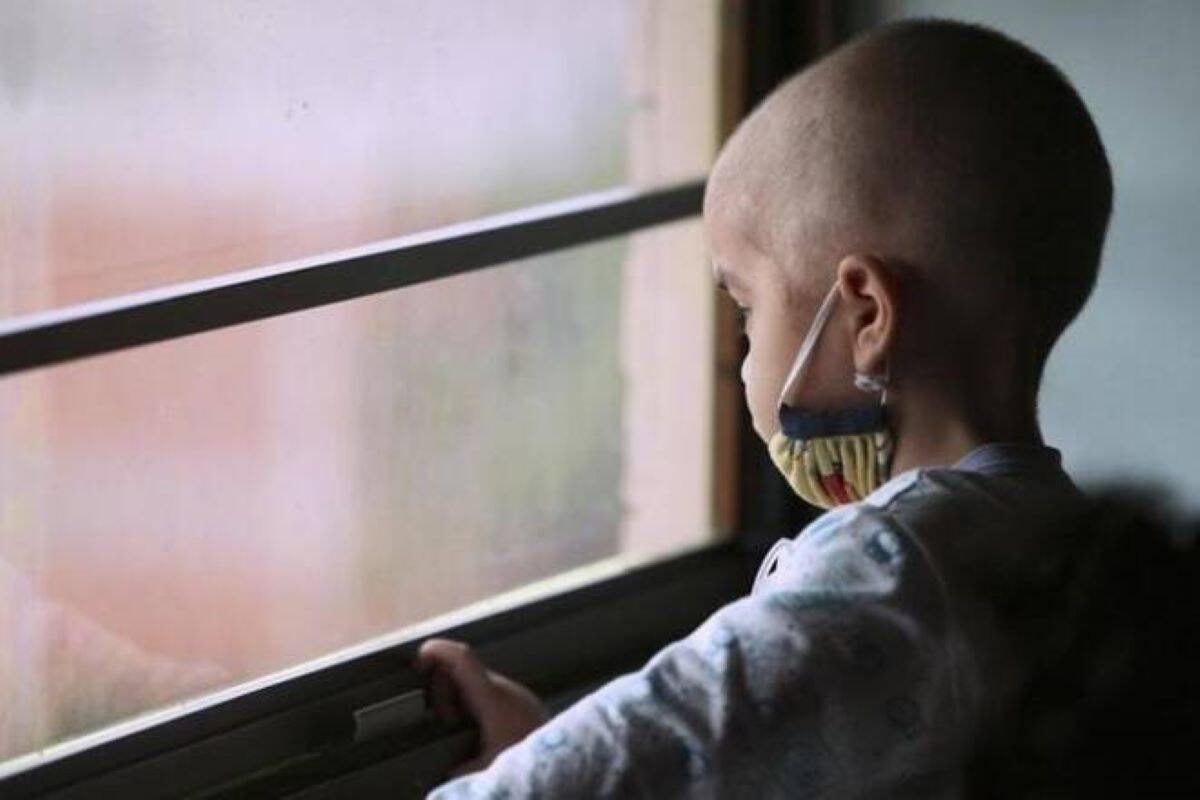
Hereditary vs. Sporadic Cancer Cases
Cancer in kids falls into two types: hereditary and sporadic. Hereditary cancer happens when a genetic mutation is passed down from parents, raising the risk a lot. Sporadic cancer is caused by random genetic changes or environmental factors.
Telling hereditary from sporadic cases is key. It helps understand the risk to family members and guides genetic testing and counseling.
The 10-15% Rule: Understanding Genetic Predisposition
Expert says “About 10 to 15% of children with cancer have a genetic predisposition.” This shows how important genes are in some pediatric cancers. The 10-15% rule means a big part of childhood cancers might be due to genes.
Knowing this can change how we manage and treat these cancers. It also affects screening and watching over family members.
How Cancer Genes Are Passed Down
Cancer genes are passed down in an autosomal dominant way. This means one copy of the mutated gene can raise cancer risk. If a parent has a mutated gene, each child has a 50% chance of getting it.
Understanding how genes are passed down is key for genetic counseling. It helps figure out the risk to family members. It also shows why genetic testing is important for families with cancer history.
Inherited Cancer Predisposition Syndromes
It’s important to know about inherited cancer syndromes to spot those at higher risk. These are genetic conditions that raise the chance of getting certain cancers. We’ll look at some key syndromes linked to childhood cancer.
Li-Fraumeni Syndrome
Li-Fraumeni syndrome is a rare genetic disorder. It makes people, mostly kids and young adults, more likely to get cancer. This syndrome is linked to a mutation in the TP53 gene. People with it are at higher risk for cancers like breast cancer, brain tumors, and sarcomas.
Hereditary Retinoblastoma
Hereditary retinoblastoma is a genetic eye cancer that hits young kids. This condition comes from mutations in the RB1 gene. If your family has a history of this cancer, you’re at higher risk. Catching it early and treating it fast is key to saving your sight.
Neurofibromatosis Types 1 and 2
Neurofibromatosis types 1 and 2 are genetic disorders that cause tumors in the nervous system. Neurofibromatosis type 1 (NF1) raises the risk of nerve tumors. Neurofibromatosis type 2 (NF2) mainly affects the hearing nerves, causing schwannomas.
Other Known Cancer Predisposition Syndromes
There are more syndromes like Li-Fraumeni, hereditary retinoblastoma, and neurofibromatosis. For example, familial adenomatous polyposis (FAP) greatly increases the risk of colon cancer. Beckwith-Wiedemann syndrome also raises the risk of childhood cancers like Wilms tumor.
It’s key to know about these syndromes to give the right care and watch over those at risk. Genetic testing and counseling are vital for families with these conditions.
Genetic Mutations and Their Role in Pediatric Cancer
Pediatric cancer often comes from genetic mutations. These can be passed down from parents or happen during a child’s life. Dr. Aniket Saha explains, “A test of your child’s cancer may show an acquired mutation in the cancer cells. This is also known as a somatic mutation.”
Germline vs. Somatic Mutations
There are two main types of genetic mutations in pediatric cancer: germline and somatic. Germline mutations come from parents and are in every cell. They raise the risk of certain cancers. Somatic mutations, on the other hand, happen during a child’s life and are only in cancer cells. They can come from the environment or DNA errors.
Knowing the difference between these mutations helps figure out cancer risk and treatment. Finding a germline mutation can help screen and prevent cancer in other family members.
Key Genes Associated with Childhood Cancers
Some genes are linked to a higher risk of childhood cancers. These include TP53, RB1, and NF1. Mutations in these genes can cause cells to grow out of control and form tumors.

How Mutations Disrupt Normal Cell Function
Genetic mutations can mess up cell function by changing DNA instructions. When a mutation hits a key gene, it can make abnormal proteins or mess with cell growth. This can cause cells to grow and divide without control, a sign of cancer.
For instance, TP53 mutations can stop tumor suppressors from working. This lets damaged cells keep growing. Knowing how these mutations cause cancer is key to making targeted treatments.
Recognizing Family Patterns of Cancer Risk
It’s important to spot cancer patterns in families to find genetic risks. We look at medical histories to see if there are signs of a hereditary link.
Red Flags in Family History
A big warning sign is when many relatives on one side of the family get cancer early. Molly McGuinness, MS, LCGC, says this could mean a genetic risk. Some red flags to watch for are:
- Cancer diagnosed at an unusually young age
- Multiple types of cancer in one person
- Cancer in paired organs (e.g., both kidneys)
- A rare type of cancer
If these signs show up, it’s time to think about a hereditary cancer syndrome.
When Cancer May Not Appear Hereditary But Is
At times, cancer might seem not to run in families, but certain signs point to a genetic link. For example, a family history of cancer on one side of the family is a big clue. We also look for cancer in many generations.
“A significant cancer family history includes multiple relatives on the same side of the family having cancer, typically at earlier ages.” – Molly McGuinness, MS, LCGC
The Importance of Multi-Generation Assessment
Looking at cancer risk means checking more than just immediate family. We look at multiple generations to understand genetic risks. This includes looking at grandparents, aunts, uncles, and other relatives.
By spotting cancer patterns in families, we can find who might need genetic testing and counseling. This can lead to catching cancer early and getting better treatment.
Genetic Testing and Counseling for Families
When a child gets cancer, genetic testing and counseling are key. It can feel overwhelming, but it’s important. It helps understand the cancer’s cause and manage risks for others in the family.
Types of Genetic Tests Available
There are many genetic tests for families with childhood cancer. These include:
- Diagnostic genetic testing to find the genetic cause of a child’s cancer.
- Predictive genetic testing to see if others in the family might be at higher risk.
- Carrier testing to see if parents carry a gene that could raise their kids’ cancer risk.
Understanding Test Results and Implications
It’s vital to understand genetic test results. A positive result might mean a higher risk of cancer. A negative result can be reassuring but doesn’t mean no risk. We help families understand their test results and what they mean for their health.
Genetic test results can have big implications. For example, a positive result might mean:
- More checks or screenings for family members.
- Prophylactic surgery in some cases.
- Special treatments based on the genetic mutation.
The Role of Genetic Counselors
Genetic counselors are very important for families with childhood cancer. They explain genetic testing and results. They help families make informed decisions about their care.
Genetic counselors offer emotional support and guidance. They help families deal with the complex choices around genetic testing and managing cancer risk. They work with a team to provide full care.
Surveillance Protocols for High-Risk Children
Surveillance protocols are key in managing cancer risk in kids with a genetic predisposition. They help find cancer early, which can lead to better treatment results.
Standardized Screening Guidelines
Standardized screening guidelines are vital for catching cancer early in high-risk kids. These guidelines are based on the latest research and clinical evidence. This ensures kids get the best care possible.
The Cancer Genetics Program at SickKids Hospital is a great example. It offers detailed care and screening for kids at high cancer risk.
By sticking to these guidelines, doctors can spot problems early. This allows for quick action. It’s very important for kids with genetic mutations that raise their cancer risk.
Benefits of Early Detection
Finding cancer early in kids has many benefits. It can mean less harsh treatments, which can reduce long-term side effects. Early detection also often means better survival rates, as treatment can start sooner.
Improved outcomes come from good surveillance. Early cancer detection lets doctors tailor treatments to each child. This can lead to better results overall.
Research on Improved Outcomes with Surveillance
Studies show that regular surveillance helps find cancer early in kids at high risk. Solving Kids’ Cancer says this early detection can lead to less aggressive treatments. This can improve the child’s quality of life and survival chances.
It’s important to keep researching surveillance protocols and their effects. This helps make guidelines better and more effective. By keeping up with medical progress, doctors can give the best care to high-risk kids.
Non-Genetic Factors in Childhood Cancer Development
Genetic factors are important in childhood cancer, but non-genetic factors also play a role. Most cancers, including those in children, are random and don’t have a clear cause, Dr. Aniket Saha says.
Environmental Exposures
Environmental exposures are a big factor in childhood cancer. Being exposed to certain chemicals, radiation, or infections early in life can raise cancer risk. For example, ionizing radiation from medical tests or the environment can lead to childhood leukemia.
The fetus and young child are very sensitive to environmental dangers. Exposure to toxins by the mother during pregnancy can affect the child’s cancer risk.
Random Genetic Mutations
Random genetic mutations are another key factor in childhood cancer. These mutations can happen during DNA copying or because of environmental factors. Often, these mutations are not passed down but occur on their own.
Understanding these mutations is complex but important. It helps in finding new treatments.
Viral Associations
Some viruses increase the risk of certain childhood cancers. For example, the Epstein-Barr virus is linked to Burkitt lymphoma, a common childhood cancer. Knowing about these viruses helps in preventing and treating cancer.
Distinguishing Between Hereditary and Environmental Causes
It’s important to know if childhood cancer comes from genes or the environment. A full check of family history, genetic tests, and environmental exposure can help figure out the cause.
By understanding the mix of genetic, environmental, and random factors, we can fight childhood cancer better. This knowledge helps in watching over high-risk kids and finding new treatments.
Advances in Genomic Medicine for Pediatric Oncology
Genomic medicine is changing how we treat childhood cancers. It helps doctors understand the genetic causes of these diseases. This knowledge leads to treatments that are more effective and less harmful.
Precision Medicine Approaches
Precision medicine in pediatric oncology means treatments are tailored to each child’s cancer. By studying the cancer’s genes, doctors can pick the best treatments. This method has shown great promise in helping kids with cancer.
Genomic sequencing is key in precision medicine. It helps find specific mutations that certain drugs can target. For example, some cancers with certain mutations might respond well to specific inhibitors.
How Genomic Sequencing Has Changed Treatment
Genomic sequencing has changed how we treat pediatric cancers. It gives doctors a detailed look at the genetic changes in the disease. This helps them choose the best treatments, which can lead to better outcomes.
“Liquid biopsies, which analyze circulating tumor DNA (ctDNA) in the blood, promise to offer a minimally invasive tool for early cancer detection and monitoring treatment response.” – Raya Saab, MD
Reduced Need for Toxic Therapies
Genomic medicine in pediatric oncology also means less toxic treatments. By targeting specific genetic mutations, doctors can use less intense treatments. This reduces the risk of long-term side effects for survivors.
For example, kids with leukemia might get genetic tests to find specific mutations. If they do, they might get targeted therapies instead of harsh chemotherapy.
Future Directions in Research
Future research in genomic medicine for pediatric oncology will focus on improving precision medicine. New technologies like liquid biopsies will also be explored. These advancements could lead to better diagnosis, treatment, and outcomes for kids with cancer.
As we move forward, we’ll see more personalized and effective treatments. Ongoing research into the genetic causes of pediatric cancers will be vital in making these advancements.
Hospital Systems and Genetic Cancer Programs
Hospital systems now have genetic cancer programs, which is a big step forward in treating kids with cancer. We know more about the genetic causes of childhood cancer. So, we need special programs to find and handle these risks.
Screening for Genetic Risk in Hospital Settings
Doctors are now more focused on finding genetic risks in hospitals. They start with a family history and might do genetic tests. Genetic counseling helps families understand their risks and what genetic tests mean.
For example, Children’s Hospital Colorado has a program for kids with hereditary cancers. This shows how important these programs are for early detection and management of genetic risks in childhood cancers.
International Standards for Genetic Testing
Genetic testing is key in diagnosing and treating childhood cancers. It’s important to follow international standards for this testing. These standards help make sure tests are accurate and reliable. Standardization helps us better understand and manage genetic risks in kids with cancer.
- Ensuring the use of validated genetic testing methodologies
- Promoting consistency in reporting and interpreting genetic test results
- Fostering international collaboration to advance genetic testing technologies
Finding Specialized Care for Children with Cancer Predisposition
Finding the right care for kids with cancer can be hard. Hospitals with genetic cancer programs offer a team approach. Multidisciplinary teams are key for managing the complex needs of kids with cancer predisposition. They provide treatment and support tailored to the child’s genetic risks.
Families looking for specialized care should find hospitals with good genetic cancer programs. These programs offer advanced treatments, genetic counseling, and support services. They are a big step forward in caring for kids with cancer, bringing hope through genetic medicine.
Conclusion
Understanding if childhood cancer runs in families is key for treatment and prevention. Knowing if a child has a genetic predisposition changes how we handle their cancer diagnosis.
Spotting a genetic predisposition helps treat the current cancer and lowers the risk of future ones. Raya Saab, MD, says, “Finding a predisposition changes how we treat the cancer. It also lowers the risk of second cancers.”
By seeing family patterns of cancer risk and genetic mutations, we can spot kids at risk. This leads to early detection and better treatment plans.
In short, the link between genetic predisposition and family cancer history is vital in childhood cancer. As we learn more, we can help kids with cancer get better care.
FAQ
How do kids get cancer?
Kids can get cancer from a mix of genetic and environmental factors. Sometimes, we don’t know the exact cause. But, certain genetic changes can make a child more likely to get cancer.
Can infants get cancer?
Yes, infants can get cancer, but it’s rare. Types like neuroblastoma are more common in babies.
What are the causes of childhood cancer?
Childhood cancer comes from a mix of genetic, environmental, and random factors. Some kids are born with genetic changes that raise their risk.
Is there a link between family history and childhood cancer?
Yes, family history can affect a child’s cancer risk. Some genetic traits can be passed down from parents.
How can a child be born with cancer?
Some kids are born with cancer due to genetic changes during fetal development or inherited from parents.
What is the origin of most childhood cancers?
Most childhood cancers start with genetic mutations. These can be inherited or happen by chance.
Why do babies get cancer?
Babies can get cancer from genetic changes or other factors during fetal development or early life.
Can childhood cancer be prevented?
Not all childhood cancers can be prevented. But, knowing genetic risks and environmental factors can help spot high-risk kids early.
How does family history affect cancer risk?
A family history of certain cancers can raise a child’s risk. This is if there are inherited genetic mutations that lead to cancer.
What role do genetic mutations play in pediatric cancer?
Genetic mutations are key in pediatric cancer. They can mess up cell function and cause cancerous growth.
Reference
- American Society of Clinical Oncology. (2020). Genetic testing for inherited cancer syndromes. Retrieved from https://www.asco.org/practice-policy/cancer-care-initiatives/quality-practice-guidelines/guidelines/genetic-testing-inherited-cancer


