


As of January 2025, the United States has 18.6 million cancer survivors. This number is expected to rise to over 22 million by 2035. The National Coalition for Cancer Survivorship defines being a cancer survivor as living with cancer from diagnosis to the end of life. This broad definition shows the varied paths of those who have battled cancer.
It’s important to understand the common experiences cancer survivors face throughout their journey. At Liv Hospital, we aim to provide top-notch healthcare. We focus on improving cancer survivorship quality of life and strengthening cancer survivor resilience factors.
The growing number of cancer survivors highlights the need to understand their challenges. By recognizing the common experiences cancer survivors go through, we are committed to using the latest care protocols. Our goal is to achieve medical outcomes on a global level.
Key Takeaways
- Cancer survivorship encompasses the period from diagnosis through the rest of life.
- 18.6 million people in the US are cancer survivors as of January 2025.
- This number is projected to exceed 22 million by 2035.
- Understanding shared experiences is key to providing support.
- Focus areas include cancer survivorship quality of life, and resilience factors.
The Growing Community of Cancer Survivors in America
Cancer survivorship in America is increasing, thanks to better healthcare and early detection. By March 2015, over 14 million people in America were cancer survivors. This growth shows how vital it is to know about cancer survivors’ demographics and experiences.
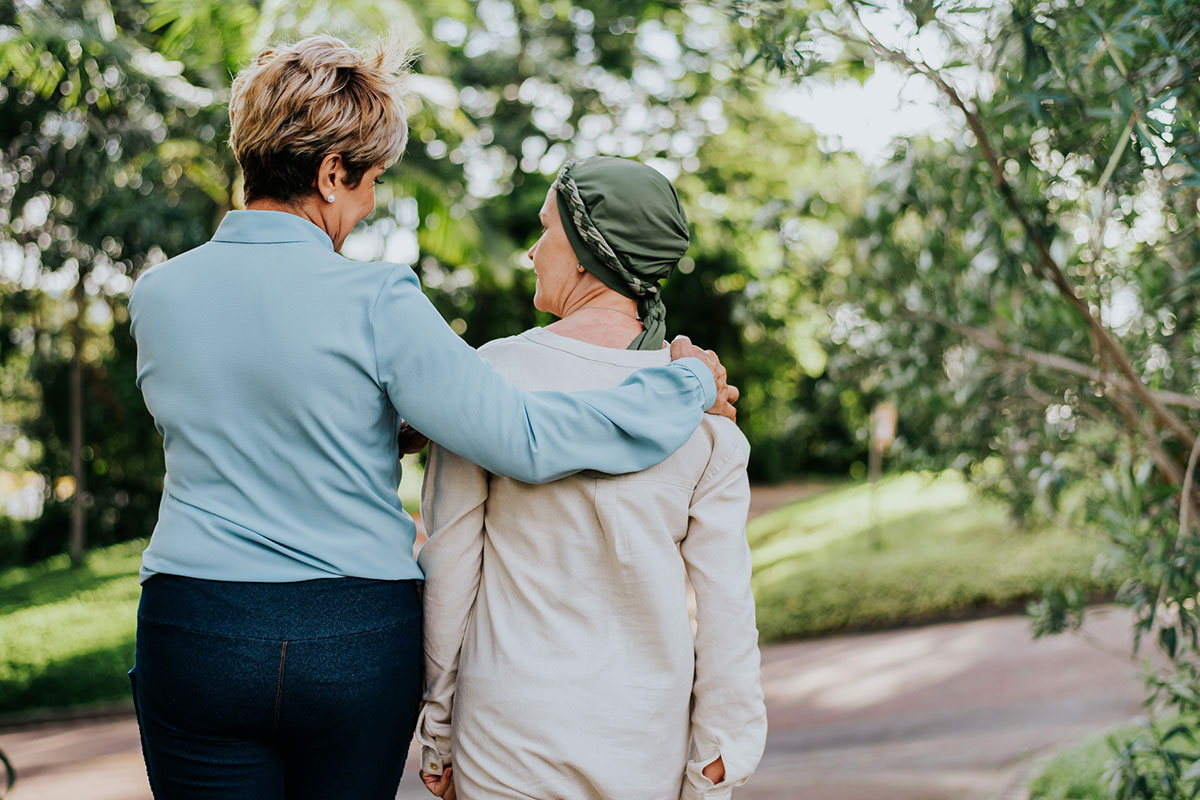
distorted image
Current Statistics and Future Projections
The number of cancer survivors is expected to keep rising. About 65% of survivors have lived five years or more after diagnosis. Nearly half have lived 10 years or more, and 19% have survived over 20 years. These numbers show the progress in cancer treatment and more people living with cancer.
Now, about 5.5% of Americans have a history of cancer. This growing group needs support services that meet their unique needs. We must plan healthcare and support for survivors based on these statistics.
Demographic Profile of Cancer Survivors
Knowing the demographics of cancer survivors is key for healthcare providers. Different groups face different types of cancer. By understanding these demographics, we can tailor support services better.
A report says, “The growing number of cancer survivors needs a full care approach. This includes tackling their physical, emotional, and social challenges.” (Source)
Defining Survivorship: From Diagnosis Onward
Survivorship starts at diagnosis and goes through treatment and beyond. It involves the physical, emotional, and social challenges of living with and beyond cancer. It’s important to see survivorship in this broad way for full care.
Defining survivorship from diagnosis onward helps healthcare providers offer support services. These services address survivors’ needs from the start of treatment to long-term recovery.
Survival Milestones and Statistics
Survival milestones are key in a survivor’s journey. Reaching milestones like five-year survival shows progress in cancer treatment. Looking at survival statistics helps us find areas to improve in cancer care.
“Surviving cancer is a big achievement. Understanding survival rates helps us support those on this journey better.”
By keeping track of cancer survivorship statistics, we can improve care and support. This will help enhance the quality of life for cancer survivors.
Psychological Resilience Among Cancer Survivors
Cancer survivors show amazing psychological resilience. This trait is key to facing survivorship challenges. It’s not just about bouncing back; it’s about growing and finding new meaning in life after a cancer diagnosis.
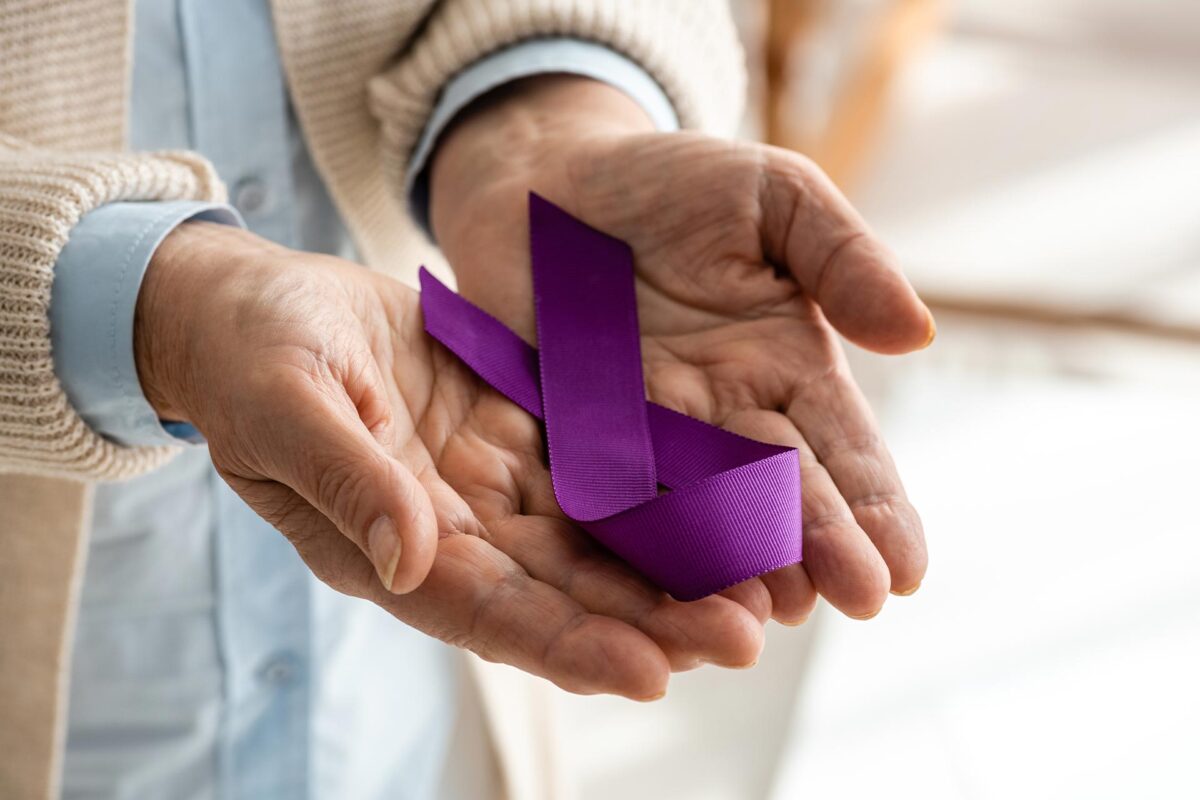
Developing Mental Fortitude
Building mental strength is a big part of psychological resilience for cancer survivors. This journey includes accepting the diagnosis, going through treatment, and getting back to daily life. Support from healthcare providers, family, and friends is very important in this process. Health networks like Liv Hospital say psychosocial support is key to survivorship care.
Cancer survivors use many ways to build their mental strength. These include:
- Mindfulness and meditation to reduce stress
- Joining support groups to share experiences
- Therapy to tackle emotional and psychological challenges
“The journey of a cancer survivor is not just about survival; it’s about thriving in the face of adversity,” says a leading oncologist. This quote highlights the importance of psychological resilience in cancer survivorship.
Common Coping Mechanisms
Cancer survivors use different ways to cope with the psychological effects of their diagnosis and treatment. Common methods include:
- Seeking social support from family, friends, and support groups
- Doing physical activities to boost mental health
- Practicing mindfulness and relaxation techniques
These coping strategies help survivors manage immediate challenges and improve their long-term mental health. By understanding and supporting these strategies, healthcare providers can help build resilience in their patients.
As we learn more about cancer survivors, it’s clear that psychological resilience is vital. By building mental strength and using effective coping strategies, survivors can live fulfilling lives.
Fear of Cancer Recurrence: A Shared Concern
Cancer survivors often live with the fear of cancer coming back. This fear, known as Fear of Cancer Recurrence (FCR), can really affect their mental health. It can make their quality of life and mental health worse.
Understanding Recurrence Anxiety
Recurrence anxiety comes from the worry of cancer coming back. It can be caused by many things, like doctor visits or small health issues. Knowing what triggers it is key to managing FCR well.
FCR can really interfere with daily life and cause a lot of distress. It’s important for survivors to face their fears and find support.
Triggers and Management Strategies
There are ways to deal with FCR, like counselling and support groups. Cognitive-behavioural therapy (CBT) is also very helpful. It helps change negative thoughts and manage anxiety.
- Maintaining a healthy lifestyle
- Engaging in stress-reducing activities
- Seeking professional help when needed
Family and Caregiver Support
Family and caregivers are very important in helping survivors deal with FCR. They can offer emotional support and help manage triggers. They also encourage seeking professional help when it’s needed.
Talking openly about FCR within families is very important. It helps survivors and their families find ways to cope together.
Peer Connections and Survivor Communities
Connecting with other survivors is very helpful. Support groups or online communities can make survivors feel less alone. They offer a sense of belonging and understanding.
Survivor communities are great for sharing experiences and advice. They help survivors find ways to cope and support each other.
Commitment to Follow-up Care
Effective follow-up care is key for managing the complex needs of cancer survivors. As we improve cancer treatment, the need for post-treatment care grows.
Navigating Post-Treatment Healthcare
After cancer treatment, navigating healthcare can be tough. Survivors face many post-treatment side effects, like physical issues and emotional struggles. We must make sure they get the care they need.
The Institute of Medicine highlights the need for survivorship care. This includes watching for cancer return, preventing new cancers, and helping with treatment side effects. By focusing on follow-up care, we can enhance survivors’ quality of life.
The Importance of Multidisciplinary Care Teams
A multidisciplinary care team is vital for cancer survivors. This team includes doctors, nurses, and other experts. They work together to meet survivors’ complex needs.
Together, these teams manage cancer survivorship long-term effects like chronic pain and cognitive issues. They also offer emotional support and advice on healthy living.
We understand that following up with care is critical. It ensures cancer survivors get the support they need to do well.
Disparities in Cancer Survivorship Experiences
Cancer survivorship is complex, shaped by many factors. By 2022, the U.S. had about 18.1 million cancer survivors. Each survivor faces unique challenges and needs.
Socioeconomic Factors and Quality of Life
Socioeconomic status greatly affects cancer survivorship quality of life. Studies reveal that minority and underserved groups face more side effects and financial burdens. They also have a lower quality of life.
Geographic and Healthcare Access Disparities
Location and healthcare access also impact survivorship. People from certain areas may struggle more with health and getting care. This can lead to a lower quality of life.
Yet, many survivors grow from their experience. They redefine their life goals and values. Understanding these factors helps us support survivors better. This way, we can improve their quality of life.
FAQ’s:
What are the most common emotional experiences among cancer survivors?
Cancer survivors often feel anxious, fearful, and uncertain. Yet, many grow stronger and find new meaning in life. They start to see things differently and set new priorities.
How do cancer survivors develop mental fortitude?
Survivors build mental strength through tough times. They use support groups, therapy, and self-care. Working with a team of healthcare professionals also helps a lot.
What is the fear of cancer recurrence, and how is it managed?
The fear of cancer coming back is common. It’s caused by many things, like doctor visits and health changes. To deal with it, people use counselling, join support groups, and practice stress relief. Family, caregivers, and friends also offer a lot of help.
Why is follow-up care important for cancer survivors?
Follow-up care is key for survivors. It lets doctors watch for signs of cancer coming back and manage side effects. It also helps improve life quality. A team of healthcare professionals is essential in this process.
What socioeconomic factors affect the quality of life among cancer survivors?
Money, education, and healthcare access greatly affect survivors’ lives. Where you live can also change your experience. These factors can make a big difference.
Can cancer survivors experience post-traumatic growth?
Yes, many survivors grow in positive ways. They find new meaning and values in life. Support from loved ones and friends helps a lot in this journey.
How do cancer survivors cope with the psychological impact of their diagnosis?
Survivors deal with their feelings in many ways. They use counselling, join groups, and take care of themselves. Working with a team and connecting with others also helps a lot.
What is the role of multidisciplinary care teams in cancer survivorship?
Teams of healthcare professionals are very important for survivors. They offer full support and care. This helps manage side effects, watch for cancer coming back, and improve life quality.
References
- American Cancer Society. (2020). Cancer facts & figures 2020. https://www.cancer.org/research/cancer-facts-statistics/all-cancer-facts-figures/cancer-facts-figures-2020.html


