


Children with childhood leukemia face big challenges at school. The disease and treatment can hurt their body and mind. This makes it hard for them to go to school every day.
But going to school is very important for these kids. It helps them feel normal and learn with friends. We understand that how well they can go to school depends on their leukemia type, treatment, and immune health, as well as managing leukemia symptoms in kids effectively.
At LivHospital, we focus on helping kids go back to school. We want them to do well in school and make friends. Our goal is to help them succeed in school and life.
Key Takeaways
- Children with leukemia can return to school, but their attendance depends on several factors.
- The type of leukemia and treatment intensity impact their ability to attend school.
- Returning to school is vital for a child’s social and cognitive development.
- Personalized care is essential for supporting children with leukemia.
- The hospital is dedicated to helping children overcome challenges to regular school attendance.
Understanding Childhood Leukemia
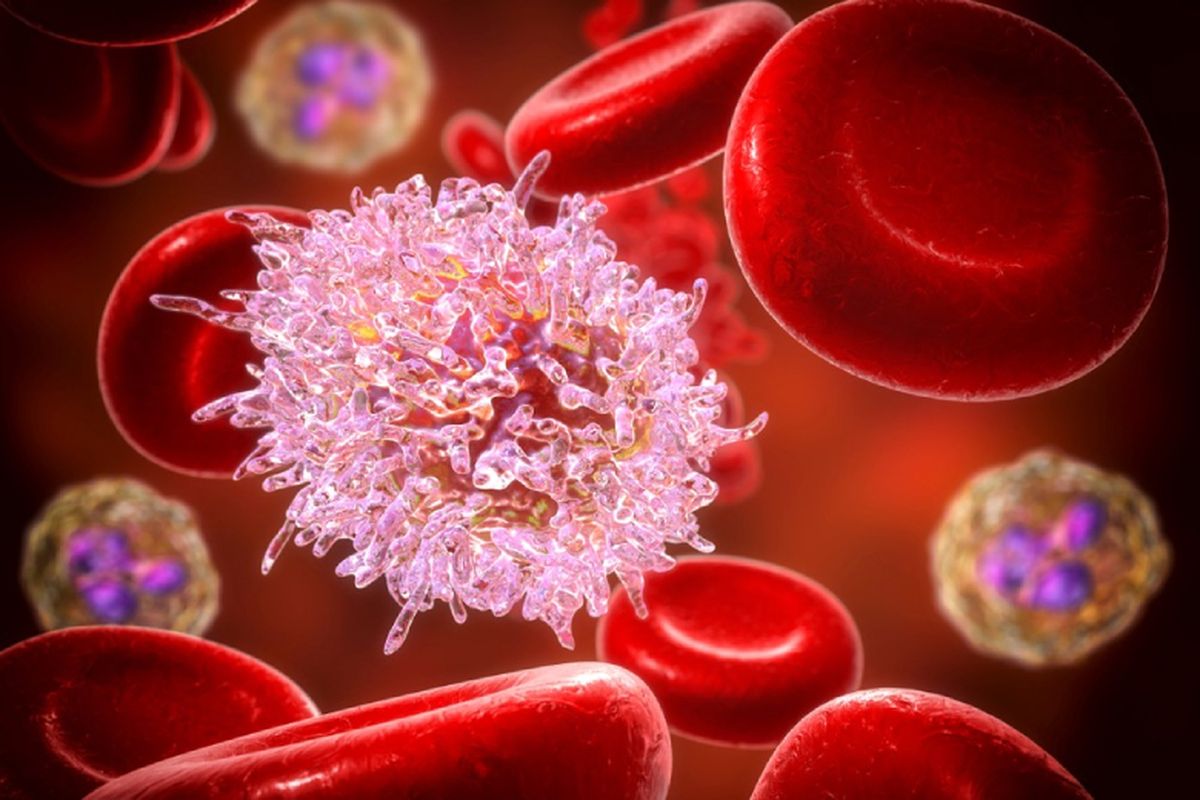
Leukemia is a blood cancer that is common in kids. It affects the blood and bone marrow, where blood cells are made. Knowing about childhood leukemia is key to managing it well.
Types of Childhood Leukemia
There are different types of leukemia in kids, with acute lymphoblastic leukemia (ALL) and acute myeloid leukemia (AML) being the main ones. ALL is the most common, making up about 80% of cases. It quickly affects the lymphoid cells in the bone marrow.
AML affects the myeloid cells and can also spread quickly. Less common types include chronic lymphocytic leukemia (CLL) and chronic myeloid leukemia (CML), which are rare in children.
Prevalence and Survival Rates
Childhood leukemia is more common in developed countries. Thanks to better treatments, survival rates have greatly improved. Now, over 90% of kids with ALL can be cured.
For AML, the survival rate is lower but getting better with new treatments.
Common Causes and Risk Factors
The exact cause of childhood leukemia is not known. But some risk factors have been found. These include genetic conditions, radiation exposure, and environmental factors. Kids with Down syndrome are more likely to get leukemia.
Studies show that kids treated for leukemia often miss school. It’s important to understand these risks and how treatment affects daily life.
Recognizing Leukemia Symptoms in Kids
It’s important to spot leukemia symptoms in children early. Leukemia is a cancer that affects the blood and bone marrow. It can show up in different ways in kids. We’ll look at the early signs, physical changes, and behaviour shifts that might mean leukemia.
Early Warning Signs and Symptoms
Leukemia symptoms in toddlers and young kids can be hard to spot. They might look like common colds or flu. Spotting them early is critical for getting the right treatment fast. Some early signs include:
- Persistent fatigue or weakness
- Pale skin due to anemia
- Recurring infections
- Easy bruising or bleeding
Parents need to watch for these signs closely. Early diagnosis can greatly improve treatment chances. Families who have dealt with childhood leukemia share how important it is to know these signs.
Physical Manifestations
As leukemia gets worse, kids may show physical signs. These can include:
- Swollen lymph nodes, liver, or spleen
- Bone or joint pain
- Loss of appetite and weight loss
These changes can really affect a child’s life. They should see a doctor right away.
Behavioural and Energy Changes
Kids with leukemia might act differently or seem really tired. Fatigue is a big issue, and they might get cranky or less active. It’s hard to tell what’s causing these changes. But if they keep happening or get worse, it’s time to see a doctor.
We know every child’s battle with leukemia is different. Knowing these symptoms can help parents get help fast.
Diagnosis and Treatment Journey
Understanding how to diagnose and treat pediatric leukemia is key for families. Diagnosing leukemia in kids involves many medical steps and tests.
Initial Diagnosis Process
The first steps in diagnosing leukemia in children include a detailed medical history and a physical check-up. Diagnostic tests might include:
- Complete Blood Count (CBC)
- Bone Marrow Biopsy
- Lumbar Puncture
- Imaging Tests (e.g., X-rays, CT scans)
These tests help find out if leukemia is present, what type it is, and how far it has spread. They guide the treatment plan.
Standard Treatment Protocols
Treatment for childhood leukemia is tough and often combines different therapies. Standard treatment protocols might include:
- Chemotherapy
- Immunotherapy
- Targeted Therapy
- In some cases, Stem Cell Transplantation
The treatment choice depends on the leukemia type, its stage, and the child’s health.
Side Effects Impacting Daily Activities
The treatment for pediatric leukemia can have big side effects. These can affect daily life and school attendance. Common side effects are:
- Fatigue
- Increased risk of infections
- Nausea and vomiting
- Hair loss
It’s important to manage these side effects to keep the child’s quality of life during treatment.
Factors Affecting School Attendance
Children with leukemia often struggle to go to school regularly. This is due to their condition and treatment. A detailed approach is needed to help them in school.
Type and Stage of Leukemia
The type and stage of leukemia greatly affect school attendance. Different types, like Acute Lymphoblastic Leukemia (ALL) or Acute Myeloid Leukemia (AML), have different treatments. For example, children with ALL face different challenges than those with AML.
It’s important to know the specific leukemia to manage its school impact. Every child’s situation is different, and the type and stage are key.
Treatment Intensity Considerations
The treatment’s intensity also affects school attendance. Treatments like chemotherapy or radiation can cause side effects. These can make it hard for kids to go to school.
We help families understand treatment plans and their school impact. This ensures kids get the support they need.
Immune Function and Infection Risk
Treatment for leukemia weakens the immune system, making kids more prone to infections. This is a big concern because infections can cause absences and serious problems.
We focus on preventing infections and watching for signs. This helps reduce the impact on school attendance.
Physical Recovery Timeline
Recovery time after leukemia treatment varies. Some kids recover fast, while others take longer.
Knowing the recovery process helps plan school attendance. We work with healthcare and families to make a plan. This ensures a smooth return to school.

By considering these factors and working together, we can support kids with leukemia. This helps them do well in school and personally.
School Attendance Statistics and Research
Studies on school attendance for kids with leukemia are very important. They show how hard it is for these children to go to school. This is because leukemia makes it hard for them to be in class regularly.
Average Absence Rates
Kids with leukemia miss a lot of school. On average, they miss over 40% of school days. This is because their treatment is very intense and they have to go to the hospital a lot.
- Frequent hospital appointments
- Prolonged treatment periods
- Increased susceptibility to infections
Impact of Stem Cell Transplantation
Kids who get a stem cell transplant have to stay isolated for a long time. This affects their school days and how well they do in school. It also makes it hard for them to make friends.
The effects of stem cell transplantation on school attendance are significant. They deal with both physical and emotional issues.
Long-term Educational Outcomes
Even after treatment, kids with leukemia may struggle in school. They might have trouble learning and fitting in with their classmates. This can last a long time.
- Cognitive difficulties
- Social reintegration challenges
- Emotional support needs
Correlation Between School Contact and Leukemia Risk
It’s interesting to note that being around other kids early on might lower the risk of getting leukemia. This shows how important social contact is for kids.
Knowing this can help us find ways to support kids who might be at risk.
Legal Protections and Educational Rights
Children with leukemia have special legal rights and protections. These help them keep up with school during treatment. It’s important for them to keep learning without too much trouble.
Americans with Disabilities Act Provisions
The Americans with Disabilities Act (ADA) helps kids with leukemia. It makes sure they get the same education as others. The ADA sees leukemia as a disability, so kids get help in school.
Individualized Education Plans (IEPs)
An Individualized Education Plan (IEP) is made for kids who need special help in school. Kids with leukemia might get an IEP if their illness affects their learning. Creating an IEP takes teamwork between parents, teachers, and doctors to meet the child’s needs.
504 Plans for Medical Accommodations
A 504 Plan helps kids with leukemia in school too. It makes sure they can learn equally. 504 Plans help with medical needs like going to the hospital or taking medicine at school.
Advocating for Your Child’s Educational Needs
Being an advocate for a child with leukemia means working with teachers and doctors. Parents are key in this. They help by talking to schools and helping make IEPs and 504 Plans. Good advocacy creates a supportive learning space for the child.
Creating a Supportive School Environment
It’s important to have a supportive school environment for kids with leukemia. This helps them stay on track in school and socially. A caring place is key for their growth during and after treatment.
Communication Between Medical Team and School
Good communication between the medical team and the school is essential. This ensures the school knows the child’s health needs and treatment plan. Regular updates from the medical team help the school staff understand the child’s condition and provide the right support.
Necessary Accommodations and Modifications
Schools can make changes to help kids with leukemia. This includes flexible schedules, easier assignments, and extra time for tasks. These adjustments help reduce the effect of treatment on their schoolwork.
Training School Staff on Medical Needs
It’s important to train school staff on the medical needs of kids with leukemia. They need to know the signs of leukemia and how to handle emergencies. Well-trained staff can make the school a safer and more supportive place.
Peer Education and Support Systems
Teaching peers about leukemia can make the classroom more supportive. Awareness programs can explain the condition and its effects. Peer support systems can help kids feel less alone and more connected.
By taking these steps, schools can create a supportive space for kids with leukemia. This helps them do well in school and socially.
Alternative Education Options During Treatment
Children with leukemia can keep learning during treatment. They might not be able to go to school because of their health. But it’s important to keep their education going for their future.
Homebound Instruction Programs
Homebound programs let kids learn at home or in the hospital. They get to keep up with their schoolwork without missing out. Teachers make sure the lessons match what they would learn in class.
Virtual Learning Opportunities
Virtual learning is a great option for kids with leukemia. They can take classes online and do homework from home. This is good for kids who can’t go to school because of their treatment.
Hospital-Based Education Services
Hospitals offer education for kids getting treatment. These programs help kids learn while they’re in the hospital. They cover different subjects and activities for each child’s age and level.
Transitioning Back to Regular School
When kids finish treatment, they can go back to school. Everyone needs to help them adjust. This might mean making a special plan for their education.
By giving kids with leukemia different ways to learn, we help them succeed. This can improve their chances of beating leukemia. Quality education is key to their well-being and future.
Conclusion: Balancing Education and Health Needs
It’s key to balance education and health for kids with childhood leukemia to do well in school and stay healthy. Kids with leukemia face big challenges in school because of their treatment and health issues.
Studies show many kids with leukemia don’t go back to school until they start maintenance therapy. Some research says going back to school early doesn’t raise the risk of serious infections. Parents, teachers, and doctors can work together to help kids with leukemia meet their school and health goals.
Knowing the signs of leukemia in kids and giving them the right support can help them keep up with school. LIV Hospital is dedicated to giving kids with leukemia the medical care and educational help they need to succeed.
FAQ’s:
What are the common symptoms of leukemia in children?
Symptoms include feeling very tired, pale skin, and getting sick often. They might also bruise easily and have bone pain. Kids might act differently, like being irritable or losing their appetite.
How is childhood leukemia diagnosed?
Doctors use blood tests, bone marrow aspiration, and sometimes X-rays or CT scans. These help figure out how far the disease has spread.
What are the treatment options for childhood leukemia?
Treatment often starts with chemotherapy. Sometimes, a stem cell transplant is needed. The plan depends on the leukemia type, stage, and the child’s health.
Can children with leukemia attend school normally?
Going to school can be tough because of treatment side effects and infection risks. But, with the right support, many kids can keep up with their studies, either in school or through special programs.
What legal protections are available for children with leukemia in educational settings?
Laws like the Americans with Disabilities Act help. They ensure kids get the help they need through Individualized Education Plans (IEPs) and 504 plans.
How can schools support students with leukemia?
Schools can help by working with doctors, making sure kids get the help they need, and training staff. They can also set up programs to help kids learn with their friends.
What alternative education options are available during leukemia treatment?
There are homebound programs, online learning, and education in hospitals. These options let kids keep up with their studies while they’re in treatment.
How does leukemia treatment affect a child’s immune system?
Treatment weakens the immune system, making kids more likely to get sick. They should avoid crowded places and wash their hands often.
What is the role of LivHospital in supporting children with leukemia?
LivHospital offers detailed care plans, support services, and advice on managing the disease. They help with daily life, including school.
Are there any long-term educational outcomes for children who have had leukemia?
Studies show that with the right support, kids can do well in school long-term. But every child’s experience is different.
References
- American Cancer Society. (2024). Key statistics for childhood cancers. Retrieved from https://www.cancer.org/cancer/types/childhood-cancers/key-statistics.html
- National Cancer Institute. (2023). Childhood acute lymphoblastic leukemia treatment (PDQ ®)”Patient version. Retrieved from https://www.cancer.gov/types/leukemia/patient/child-all-treatment-pdq
- Ries, L. A. G., Smith, M. A., & Gurney, J. G. (Eds.). (2020). Cancer in children and adolescents. National Cancer Institute. Retrieved from https://seer.cancer.gov/archive/csr/1975-2016/
- U.S. Centers for Disease Control and Prevention. (2021). Leukemia in children. Retrieved from https://www.cdc.gov/cancer/leukemia/young/index.html


