


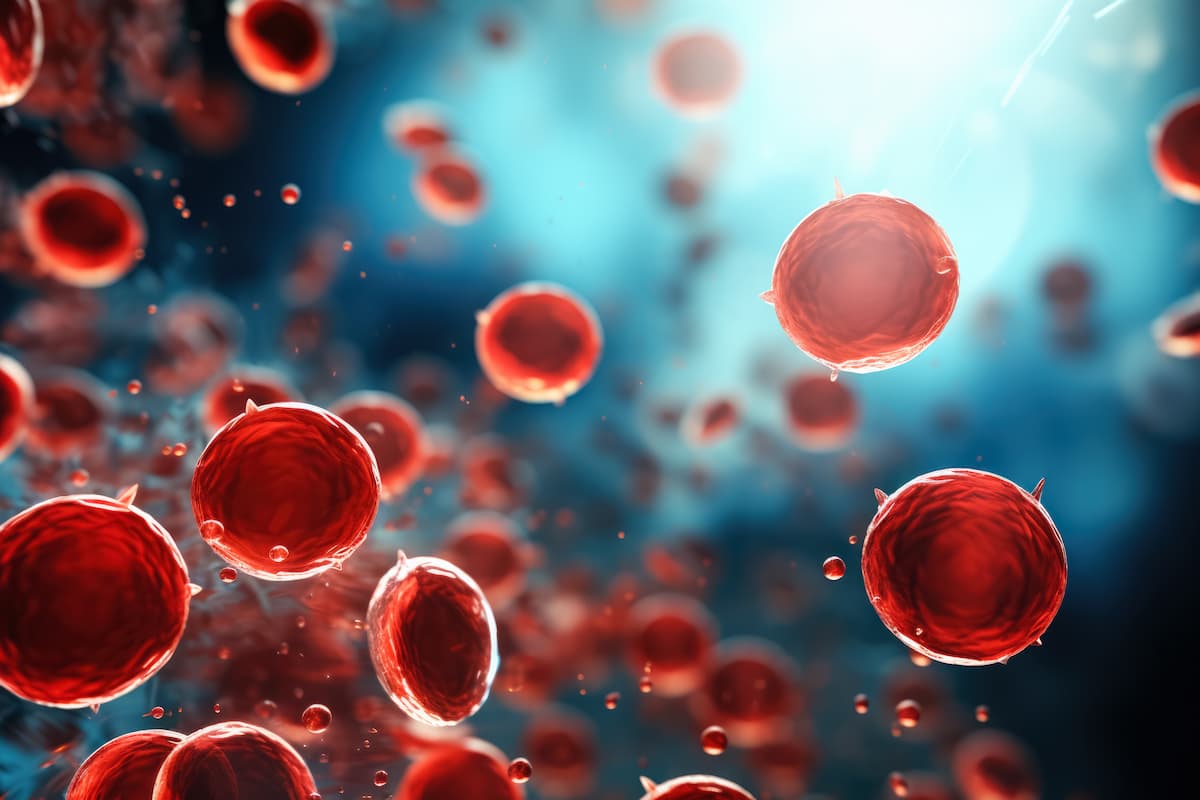
Leukemia is a complex cancer that affects the blood and bone marrow. Abnormal blood counts are often the first sign and can be the biggest indicator of leukemia. This includes unexplained anemia, leukopenia, or thrombocytopenia.
Leukemia symptoms can differ from person to person. Some types are more common in children, while others affect adults more. Knowing these signs is vital for early detection and treatment.
Identifying leukemia signs, like persistent abnormal blood counts, is the first step. It’s important to understand the risks and what leukemia is. This helps us face its challenges.
Key Takeaways
- Abnormal blood counts are a significant indicator of leukemia.
- Leukemia is a cancer that affects the blood and bone marrow.
- Early detection is key for effective treatment.
- Leukemia symptoms vary widely among individuals.
- Understanding leukemia is essential to tackle its challenges.
Understanding Leukemia: A Blood Cancer Overview
Learning about leukemia means looking into what it is, its types, and how it impacts the body. It’s a complex disease that needs a detailed approach for diagnosis and treatment.
Definition and Basic Pathophysiology
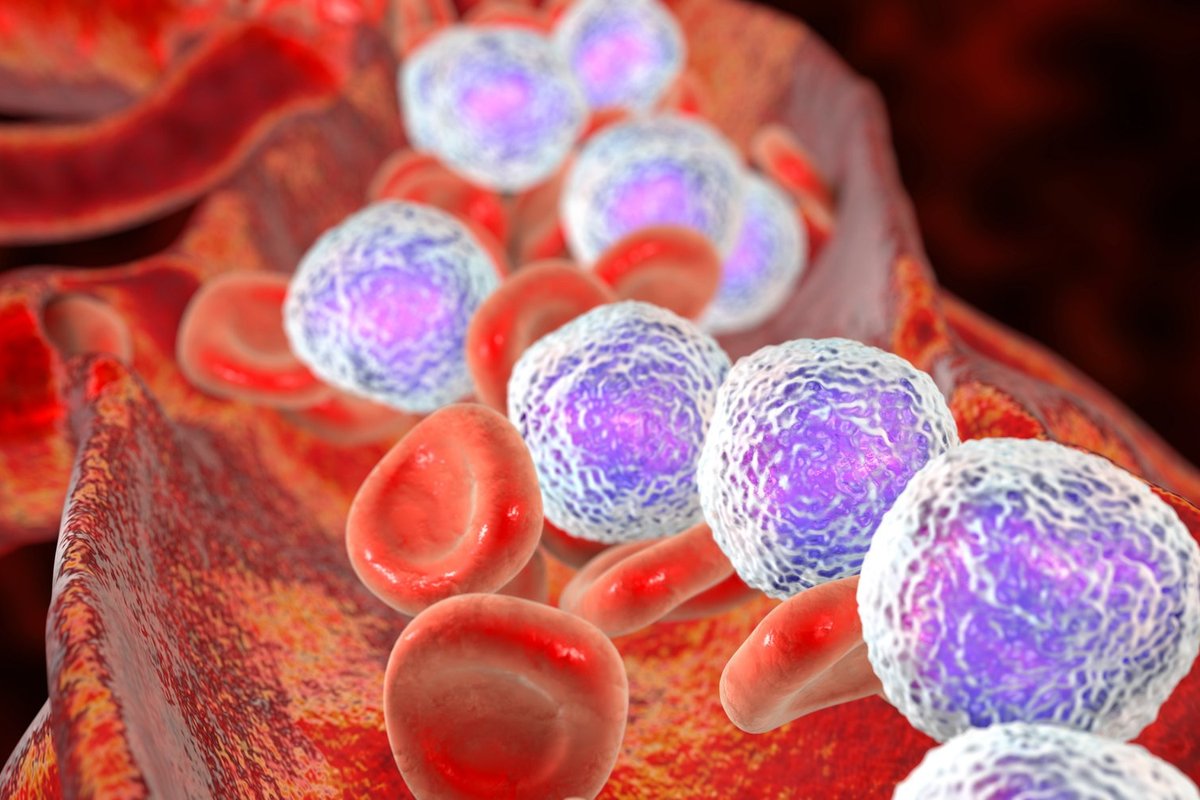
Leukemia is a cancer that affects the blood and bone marrow. It’s caused by abnormal white blood cells. These cells are key in fighting infections, but don’t work properly in leukemia. They take over, making it hard for the body to fight off infections and heal.
Leukemia leads to too many bad cells, causing problems like anemia, infections, and bleeding. It messes up how blood cells are made.
Understanding leukemia’s pathophysiology is key to finding good treatments. It helps us see how the disease grows and affects blood cell production.
Types of Leukemia
Leukemia is split into two main types: acute and chronic. Acute leukemia needs quick action, while chronic leukemia develops more slowly.
- Acute Lymphocytic Leukemia (ALL) is common in kids but also happens in adults.
- Acute Myeloid Leukemia (AML) is more common in adults and has a varied outlook.
- Chronic Lymphocytic Leukemia (CLL) often hits older adults and might not need immediate treatment if caught early.
- Chronic Myeloid Leukemia (CML) has a specific chromosomal issue and can get worse if not treated.
We will use proven methods and team up with experts to better patient care. Knowing the different leukemia types helps doctors create treatment plans that fit each patient’s needs.
The Biggest Indicator of Leukemia: Persistent Abnormal Blood Counts
One of the most significant signs of leukemia is persistent abnormal blood counts. These changes can affect different parts of the blood. It’s important to understand these changes early for treatment.
Unexplained Anemia as a Warning Sign
Anemia is a common sign of leukemia. It happens when the body has too few red blood cells or they don’t have enough hemoglobin. This can cause fatigue, weakness, and shortness of breath.
In leukemia, anemia is often caused by the bone marrow not making enough red blood cells. This is because leukemic cells take over the marrow.
Leukopenia and Increased Infection Risk
Leukopenia, or a low white blood cell count, is another big sign of leukemia. White blood cells help fight infections. A low count makes the body more likely to get sick.
Frequent infections or recurring fevers can mean the immune system is weak. This could be because of leukemia.
Thrombocytopenia and Bleeding Tendencies
Thrombocytopenia is when there are too few platelets. Platelets help blood clot, and not enough can cause easy bruising, bleeding gums, or prolonged bleeding after injuries. In leukemia, the bone marrow can’t make enough platelets, leading to these problems.
Seeing these signs early is key for getting help fast. If you or someone you know has persistent abnormal blood counts, see a doctor right away.
Common Physical Symptoms of Leukemia
Leukemia symptoms can be hard to spot early. This is because they are often vague and can look like other diseases. Knowing these signs is key to getting help fast.
Fatigue and Weakness
Fatigue and weakness are common in leukemia. This happens when the body makes fewer red blood cells. Red blood cells carry oxygen, so without enough, you might feel very tired or weak.
Frequent Infections and Fever
People with leukemia often get frequent infections and fever. This is because leukemia stops the body from making enough white blood cells. White blood cells fight off infections. So, you might keep getting sick, feel feverish, or have flu-like symptoms.
Easy Bruising and Bleeding
Easy bruising and bleeding is another sign. Leukemia messes with platelet production. Platelets help blood clot. So, even small injuries can cause big bruises or bleeding. You might see nosebleeds, bleeding gums, or easy bruising on your skin.
It’s important to know these symptoms of leukemia. If you or someone you know is showing them, get medical help right away. This is the first step to finding out what’s wrong and getting treatment.
Less Common but Significant Leukemia Indicators
Leukemia often shows up with symptoms like fatigue and bruising. But, there are other signs that are just as important. Knowing these signs is key for getting the right diagnosis and treatment fast.
Bone and Joint Pain
Bone and joint pain can signal leukemia. This pain happens when cancer cells build up in the bone marrow. It can damage bones or stretch their outer layer. Studies from 2025 show that leukemia risk goes up a lot after age 60. So, it’s important to watch for bone and joint pain in older adults.
Swollen Lymph Nodes
Swollen lymph nodes are another sign of leukemia. They get big when leukemia cells gather in the lymph nodes. This symptom can be mistaken for other issues. So, if your lymph nodes keep swelling, see a doctor right away.
Unexplained Weight Loss
Unexplained weight loss is a worrying sign that might mean leukemia. The disease can change how your body uses energy and make you lose your appetite. If you’re losing weight without trying and have other symptoms, get checked by a doctor.
Knowing about these less common signs can help catch leukemia early. This can lead to better treatment and care.
Acute vs. Chronic Leukemia: Differences in Presentation
Acute and chronic leukemia show different signs, affecting how they are diagnosed and treated. It’s key for patients and doctors to know these differences to tackle this blood cancer.
Rapid Onset of Symptoms in Acute Leukemia
Acute leukemia grows fast, causing symptoms to appear quickly. Symptoms include tiredness, infections, and bleeding easily. For example, research shows AML, a type of acute leukemia, is common in adults and has severe symptoms.
Because acute leukemia is aggressive, it needs quick medical care. Symptoms can get worse fast, making early treatment vital.
Subtle and Progressive Signs of Chronic Leukemia
Chronic leukemia grows slowly, with signs that are not always clear. Symptoms like tiredness, weight loss, or a big spleen might not point to leukemia right away. This makes it hard to diagnose.
Chronic leukemia can go unnoticed for a while, found by chance during blood tests. But as it gets worse, symptoms get stronger, needing doctor visits.
The difference between acute and chronic leukemia is not just how fast symptoms appear. It’s also about the disease’s biology. This knowledge helps doctors choose the right treatment and care for patients.
Age-Related Patterns in Leukemia Indicators
Leukemia signs change with age, affecting how we diagnose and treat it. It’s key to know these differences for better patient care.
Leukemia Signs in Children
Children with leukemia show unique signs that differ from adults. Common symptoms include:
- Unexplained bruising or bleeding
- Persistent fatigue or weakness
- Fever or recurrent infections
- Bone or joint pain
Genetic factors also play a big role in childhood leukemia. We must consider these when checking for leukemia in kids.
Adult Presentation Patterns
In adults, leukemia signs can be less obvious and varied. Common indicators include:
- Unexplained weight loss
- Frequent infections or fever
- Easy bruising or bleeding
- Swollen lymph nodes or spleen
Adults with leukemia may also feel tired, weak, and short of breath. This is often due to anemia.
Elderly Patients: Special Considerations
Elderly patients face unique challenges with leukemia. They often have other health issues and age-related changes. Symptoms like fatigue, weight loss, and infections can have many causes. We must carefully assess these patients, considering both typical leukemia signs and their overall health.
In summary, understanding age-related leukemia signs is vital for accurate diagnosis. By recognizing the unique symptoms in different age groups, we can offer better care to our patients.
Epidemiology of Leukemia in the United States
Leukemia in the U.S. is a complex issue. It’s shaped by many factors like demographics and the environment. We’ll look at how often it happens, who gets it, and what increases the risk.
Incidence Rates and Demographics
Every year, 14.4 per 100,000 people in the U.S. get leukemia. This shows how big a problem it is for healthcare. Some types of leukemia are more common in certain age groups.
For example, ALL is often seen in kids. CLL, on the other hand, is more common in older adults. This pattern is important for understanding and treating the disease.
Leukemia rates also vary by gender and ethnicity. Knowing these differences helps in creating better public health strategies.
Risk Factors and Genetic Predisposition
Some genetic conditions and environmental factors raise the risk of leukemia. People with Down syndrome, for instance, are more likely to get ALL. Exposure to ionizing radiation and chemicals like benzene also increases the risk.
Genetics play a big role in leukemia. Studies have found several genetic mutations that raise the risk. “Genetic factors can significantly influence an individual’s susceptibility to leukemia,” research shows.
Diagnostic Process for Suspected Leukemia
Diagnosing leukemia involves several steps starting with blood tests. If symptoms suggest leukemia, we start a detailed check. This aims to confirm the disease and its type.
Initial Blood Tests and Findings
First, we do blood tests to look for leukemia signs. These tests check for odd blood cell counts. We look for:
- Abnormal white blood cell counts
- Low red blood cell count (anemia)
- Low platelet count (thrombocytopenia)
These signs hint at leukemia but need more proof. So, we do more tests to be sure.
Bone Marrow Biopsy: The Definitive Test
A bone marrow biopsy is key to diagnosing leukemia. It takes a bone marrow sample for tests. This test tells us about the leukemia type and how serious it is.
The biopsy helps us:
- Confirm leukemia cells
- Identify the leukemia type
- See how widespread the disease is
Additional Diagnostic Procedures
Other tests might be needed to confirm the diagnosis and plan treatment. These include:
- Imaging tests (e.g., CT scans, MRI) to check for leukemia in other parts
- Lumbar puncture to examine the cerebrospinal fluid for leukemia cells
- Flow cytometry to analyze leukemia cells
By combining these test results, we can accurately diagnose leukemia. We can then plan a good treatment.
When to Seek Medical Attention
It’s key to know when to get medical help for leukemia. Some symptoms mean you should see a doctor right away.
Red Flags That Shouldn’t Be Ignored
Here are signs you need to see a doctor:
- Persistent fatigue that doesn’t get better with rest
- Recurrent infections or fever without a clear reason
- Easy bruising or bleeding, like frequent nosebleeds or bleeding gums
- Unexplained weight loss or loss of appetite
- Bone or joint pain that keeps getting worse
Having these symptoms doesn’t mean you definitely have leukemia. But, you should get checked by a doctor.
Preparing for Your Doctor’s Appointment
Getting ready for your doctor’s visit is smart. Here’s how:
- Document your symptoms, including when they started and how they’ve changed
- List your medical history, including past illnesses, treatments, and family health
- Prepare a list of questions to ask your doctor, like what tests you’ll need and what’s next
Being ready can help you have a good talk with your doctor. This way, you’ll get the care you need.
Early treatment is very important for leukemia. If you’re worried about your symptoms, get medical help right away.
Treatment Approaches for Different Leukemia Types
Getting the right treatment for leukemia starts with knowing the type and using the right plan. Leukemia is a complex disease that needs a detailed treatment plan.
Standard Treatment Protocols
Leukemia treatments change based on the type and stage. For example, acute leukemia needs quick and strong treatment. Chronic leukemia might start with careful watching. Common treatments include chemotherapy, targeted therapy, and sometimes bone marrow transplantation.
- Chemotherapy: Uses drugs to kill leukemia cells.
- Targeted Therapy: Attacks specific molecules in leukemia cells.
- Bone Marrow Transplantation: Replaces bad marrow with healthy one, from the patient or a donor.
Emerging Therapies and Clinical Trials
New treatments and trials bring hope to leukemia patients. These new methods are always being studied and improved. Immunotherapy, for example, uses the body’s immune system to fight leukemia.
- Immunotherapy: Boosts the body’s defenses to fight leukemia cells.
- CAR-T Cell Therapy: Makes T cells target leukemia cells.
- Precision Medicine: Treats each patient based on their leukemia’s unique traits.
Multidisciplinary Care Approach
A team effort is key in treating leukemia. This team includes doctors, nurses, and support staff. This teamwork leads to better care, symptom management, and quality of life.
- Hematologists and Oncologists: Experts in diagnosing and treating leukemia.
- Nurses and Support Staff: Give vital care and support during treatment.
- Psychological Support: Helps with emotional and mental health needs.
By using standard treatments, new therapies, and a team approach, we can greatly improve leukemia care. Our goal is to provide top-notch healthcare and support to patients worldwide, keeping up with the latest in leukemia treatment.
Focus on Acute Care and Speed
Leukemia is an aggressive disorder that demands a rapid protocol for detection and intervention. It is vital to understand the blast counts and progression speed at the onset. This facilitates immediate and effective action.
Utilising aggressive chemotherapy and stem cell options can create a life-saving difference. Early screening and rapid response are key to stabilising health. They significantly enhance the prognosis for those facing acute leukemia.
We keep refining our diagnostic tools to maintain the highest standard of safety. Our goal is to extend premier emergency and long-term care to patients from every region. We are dedicated to achieving remission for those fighting this disease.
FAQ
What are the common symptoms of leukemia?
What is leukemia and how is it classified?
What are the biggest indicators of leukemia?
How does leukemia present differently in children and adults?
What is the diagnostic process for leukemia?
What are the risk factors associated with leukemia?
When should I seek medical attention for suspected leukemia?
What are the treatment approaches for leukemia?
What is the significance of a bone marrow biopsy in diagnosing leukemia?
How does leukemia affect different age groups?
References
- https://www.medicalnewstoday.com/articles/322990
- National Cancer Institute. (2025). Cancer Stat Facts: Leukemia. https://seer.cancer.gov/statfacts/html/leuks.html
- Siegel, R. L., et al. (2025). Cancer statistics, 2025. CA: A Cancer Journal for Clinicians. https://acsjournals.onlinelibrary.wiley.com/doi/10.3322/caac.21871


