


Despite big steps forward in survival rates, childhood cancer is not getting enough money. The US government only gives about 4% of its cancer research funding to pediatric cancer research funding, despite its big impact on young patients and their families.

This lack of funding puts thousands of young patients at risk. It also means long-term survivors face ongoing health problems. The need for new ideas and teamwork in child cancer research is very clear.
Key Takeaways
- Childhood cancer gets less than 4% of US federal cancer research funding.
- The funding gap hurts young patients and their families a lot.
- We need more money and awareness to improve things.
- New ideas and teamwork are key in child cancer research.
- Better funding can help long-term survivors deal with health issues.
The 4% Reality: Understanding the Funding Gap
Every year, over 15,000 kids in the US get cancer. But, the money for research is way too little. Childhood cancer gets less than 4% of the federal budget for cancer research. This shows how urgent it is to understand the funding situation and its effects.
Current State of Childhood Cancer Funding
The funding for childhood cancer is far from what’s needed. There’s a big gap between the research required and the money available.
- Limited Allocation: Less than 4% of the federal cancer research budget is allocated to childhood cancer.
- Impact on Research: This limited funding hampers the progress of research into effective treatments and cures.
Impact on Research Progress
The effects of not enough money on research are many:
- Reduced Research Opportunities: Not enough money means fewer chances to find new treatments.
- Delayed Clinical Trials: With less money, trials take longer, slowing down new therapies.
- Inadequate Support: Families and survivors get too little help because of the lack of funds.
:strip_icc()/i.s3.glbimg.com/v1/AUTH_da025474c0c44edd99332dddb09cabe8/internal_photos/bs/2025/C/T/1iGgQlTvKLQ7hqdzJYMw/2149501395.jpg)
The lack of money for childhood cancer research has big consequences. It leads to delayed trials and not enough help for families. We must fix this funding gap to help more kids and save lives.
The Scope and Impact of Pediatric Cancer in America
In America, pediatric cancer is a big concern, with over 15,000 new cases every year. This shows how important it is to tackle pediatric cancer as a public health issue.
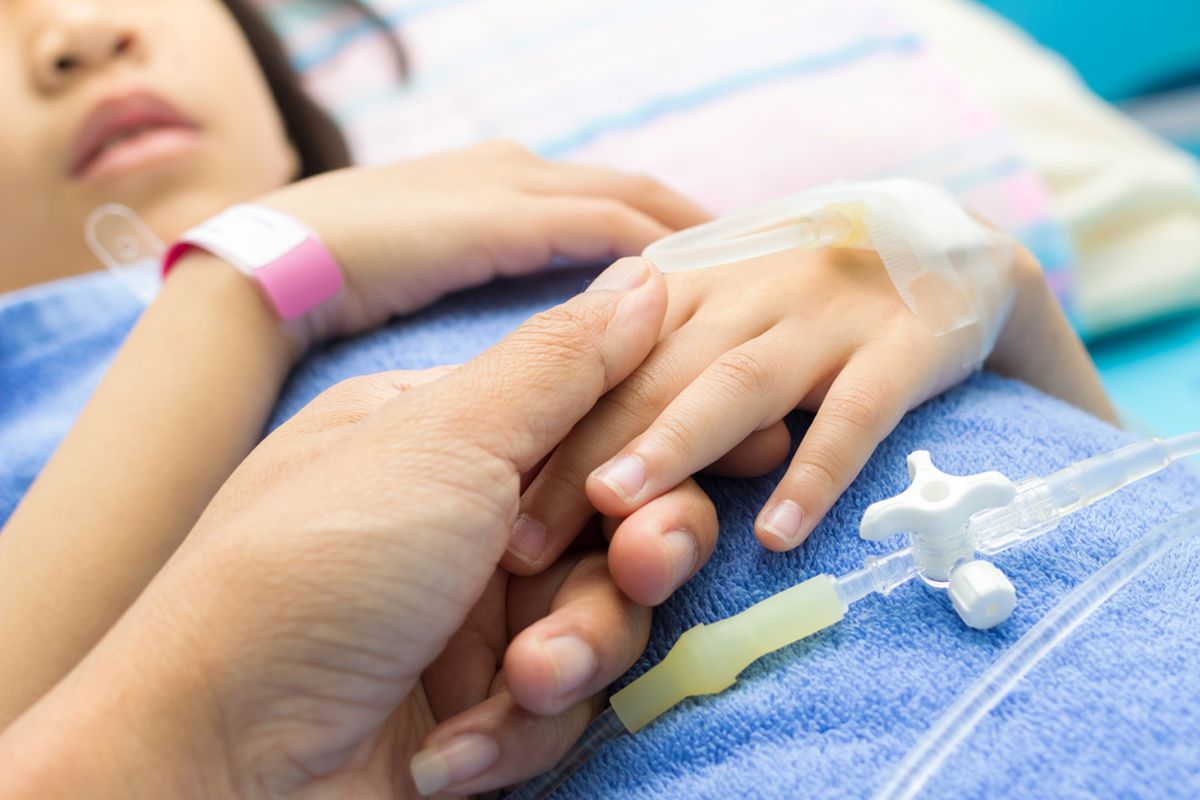
Pediatric cancer is a major health issue that affects kids, their families, and the community. It brings up medical, emotional, and financial problems.
15,000+ Annual Diagnoses
Every year, more than 15,000 kids in the U.S. get cancer. This makes it a common disease in this age group. A leading pediatric oncologist said,
“The number of children diagnosed with cancer each year is a stark reminder of the need for continued research and improved treatment options.”
Pediatric cancer can include different types like leukemia, brain tumors, and lymphoma. Knowing these types helps in finding better treatments.
Leading Disease-Related Cause of Death Under Age 15
Cancer is the top cause of death in kids under 15. This shows how serious pediatric cancer is and the need for better treatments. A study found, “Despite advances in medical science, pediatric cancer continues to be a significant threat to the lives of children.”
The high death rate from pediatric cancer means we need more money for pediatric cancer research. By learning more about pediatric cancer and supporting research, we can help kids with this disease.
We must keep talking about the effects of pediatric cancer. We also need to support efforts to find better treatments and save more lives. This way, we can hope for a future where fewer kids suffer from this disease.
Progress in Survival Rates Despite Limited Resources
Despite the challenges of limited funding, there has been significant progress in improving childhood cancer survival rates. This shows the hard work of researchers and healthcare professionals in childhood cancer research.
In developed countries, the five-year survival rate for children with cancer has seen a big jump. For example, in the United States, it has gone from 63.1% to 85.2%. A leading researcher said,
“The progress we’ve made in treating childhood cancer is a beacon of hope for families worldwide.”
From 63% to 85%: The Improvement Story
The rise in survival rates is thanks to better medical treatments and funding for pediatric cancer research. Even though funding is not enough, the progress is huge. Key factors include:
- Advances in chemotherapy and radiation therapy
- Improved surgical techniques
- Better post-treatment care
The Global Disparity: 37.4% Worldwide Survival Rate
While the U.S. has seen a big improvement in childhood cancer survival rates, the global picture is very different. The worldwide five-year survival rate is about 37.4%. This shows a big gap in healthcare access and quality. This global gap highlights the need for more international cooperation and funding for childhood cancer research worldwide.
The difference in survival rates between developed and developing countries shows we need to keep supporting and funding. As we move forward, we must address the challenges faced by children worldwide. They deserve the best care, no matter where they are. As an advocacy group said,
“Every child deserves access to the best possible care, regardless of their geographical location.”
The Economics Behind Pediatric Cancer Research Funding
It’s key to grasp the economics of funding pediatric cancer research. This funding gap needs to be tackled. The way resources are allocated for this research is complex.
Market Forces and Pharmaceutical Industry Priorities
The pharmaceutical industry is a big player in funding pediatric cancer research. Market forces shape what the industry focuses on. This often means treatments with big profit margins get more attention, leaving pediatric cancer behind.
“The pharmaceutical industry’s priorities are largely driven by market forces, which can lead to a disparity in funding for pediatric cancer research.” This shows we need new ways to fund pediatric cancer research.
Government Budget Allocation Decisions
How the government decides to spend its budget affects pediatric cancer research funding. This decision-making is influenced by many factors. These include politics, society, and the economy.
Looking at the US budget, we see a big difference. The US spends a lot on the military but less on cancer research. This is true for pediatric cancer, too.
“The United States spends significantly more on military expenditures than on cancer research. This disparity highlights the need for a reevaluation of budget priorities to address the funding gap in pediatric cancer research.”
There are many economic factors that affect funding for pediatric cancer research. To fix the funding gap, we need a big effort from everyone involved. This includes the government, the pharmaceutical industry, and more.
- More awareness and advocacy can help make pediatric cancer research a priority.
- Changing government budget allocations is possible with policy changes and public pressure.
- The pharmaceutical industry can be encouraged to invest in pediatric cancer research with the right incentives.
By tackling the economic issues, we can improve funding for pediatric cancer research. This will help find better treatments and improve outcomes for kids with cancer.
Long-Term Challenges for Childhood Cancer Survivors
The journey for childhood cancer survivors doesn’t end with treatment. It’s just the start of new challenges. As treatments get better, we focus more on their long-term health and happiness.
Two-Thirds Face Chronic Health Issues
Many childhood cancer survivors deal with long-term health problems. About two-thirds face chronic health issues from their treatment. These can include heart problems, new cancers, and brain and developmental issues. The children’s cancer fund helps fund research to lessen these effects.
The severity and type of these issues depend on the cancer, treatment, and the child’s age. It’s key to understand and tackle these long-term effects to improve their lives.
Psychological and Social Consequences
Childhood cancer survivors also face big psychological and social challenges. Going through cancer treatment can deeply affect their development, social skills, and mental health. They might deal with anxiety, depression, and PTSD.
They also face social challenges. These can include problems in school, forming relationships, and finding jobs. Increased funding for childhood cancer research is vital to help them.
Dealing with these challenges needs a wide approach. This includes medical care, psychological support, and social services. By funding childhood cancer research and initiatives, we aim to improve their long-term outcomes.
How Increased Funding Could Transform Treatment Options
More money for research could lead to big changes in treating kids with cancer. With extra funds, scientists can try new ways to fight cancer. This could mean better chances for kids with this disease.
Potential for Targeted Therapies
Pediatric cancer research funding could help create targeted treatments. These treatments aim directly at cancer cells, reducing damage to healthy ones. This means fewer side effects for kids.
Targeted therapies are already helping in many cases. For example, immunotherapy uses the body’s immune system to attack cancer. It’s a key part of treating some cancers in kids.
Accelerating Clinical Trials
More money for research also speeds up clinical trials. This means new treatments can be tested and approved faster. It’s a big step towards saving more lives.
Quick clinical trials are a game-changer for child cancer research. They let scientists try new approaches and see what works best. This could lead to better survival rates and quality of life for kids who beat cancer.
Organizations and Initiatives Championing Pediatric Cancer Research Funding
Groups focused on pediatric cancer research funding are making big strides. They are key in spreading awareness and pushing forward in the battle against childhood cancer.
Advocacy Groups Making a Difference
Many advocacy groups are working hard to boost childhood cancer funding. The Children’s Cancer and Leukaemia Group and the Pediatric Cancer Research Foundation are leading the charge. They work non-stop to raise money and support research into pediatric cancers.
These organizations do more than just fund research. They also offer support to families dealing with childhood cancer. Their efforts include hosting fundraising events, backing clinical trials, and pushing for more government funding for pediatric cancer research.
Hospital Initiatives Like Liv Hospital
Liv Hospital is a shining example in pediatric oncology. It aims to provide top-notch care with the latest methods and a holistic approach. They offer complete care to kids with cancer, from the start of treatment to aftercare.
The hospital’s dedication to using the newest treatments and technologies is vital. It helps increase survival rates and improve the lives of children with cancer. By focusing on holistic healthcare, Liv Hospital meets the physical, emotional, and psychological needs of its young patients.
Thanks to efforts like those at Liv Hospital, the fight against childhood cancer is gaining momentum. By supporting research and delivering quality care, these groups are making a real difference. They are helping to advance the fight and improve outcomes for kids with cancer.
Conclusion: The Path Forward for Childhood Cancer Research
Childhood cancer research gets a small share of cancer funding. In the USA, it makes up only 4% of cancer spending. This is much less than what the military spends on some projects.
Despite this, there’s been progress in treating childhood cancer. Survival rates have jumped from 63% to 85%. But, the world’s survival rates vary, showing we need more support for this research.
More money for childhood cancer research could change how we treat it. It could speed up clinical trials and help more kids beat cancer. Groups like advocacy organizations and hospitals, like Liv Hospital, are key in pushing this forward.
We must keep talking about why pediatric cancer research matters. We need more money to find better treatments and help survivors live longer, healthier lives.
FAQ
What percentage of the US federal government’s annual cancer research funding is allocated to childhood cancer research?
Less than 4% of the US federal government’s annual cancer research funding goes to childhood cancer research.
How many children are diagnosed with cancer in the US each year?
Over 15,000 children are diagnosed with cancer in the US every year.
What is the current 5-year survival rate for childhood cancer in the US?
The 5-year survival rate for childhood cancer in the US has risen to 85.2%.
How does the global survival rate for childhood cancer compare to the US?
The global 5-year survival rate for childhood cancer is much lower, at 37.4%. This is compared to the US rate of 85.2%.
What are the long-term health consequences for childhood cancer survivors?
Two-thirds of childhood cancer survivors face chronic health issues. Many also deal with psychological and social challenges due to their treatment.
How could increased funding transform treatment options for childhood cancer?
More funding could help develop targeted therapies and speed up clinical trials. This could lead to better treatment outcomes for children with cancer.
What economic factors influence pediatric cancer research funding?
Market forces, pharmaceutical industry priorities, and government budget decisions all affect pediatric cancer research funding.
Are there organizations working to champion pediatric cancer research funding?
Yes, many advocacy groups and hospital initiatives, like those at Liv Hospital, are working to improve care for children with cancer. They also aim to increase funding for pediatric cancer research.
References
- CNN. (2025). Cancer research funding turmoil leaves families scrambling.


