


We are on the cusp of a revolutionary breakthrough in cancer treatment. Recent clinical trials have shown unprecedented success rates. A groundbreaking immunotherapy drug has shown remarkable efficacy in treating a specific type of rectal cancer.
The drug, dostarlimab, also known as Jemperli, achieved a 100% complete remission rate. This New Cancer Drug demonstrated exceptional results in a phase II trial for patients with mismatch repair-deficient (dMMR)/microsatellite instability-high (MSI-H) rectal cancer. This miracle drug is giving new hope to patients worldwide.

Key Takeaways
- Recent clinical trials have shown 100% success rates for certain cancer treatments.
- Dostarlimab (Jemperli) is a promising New Cancer Drug used in immunotherapy.
- The trial focused on patients with dMMR/MSI-H rectal cancer.
- A 100% complete remission rate was achieved in the phase II trial.
- This breakthrough offers new hope for patients with specific types of cancer.
Breakthrough Cancer Drugs: Understanding the 100% Success Claims
A New Cancer Drug has shown a 100% success rate in clinical trials. This news has shocked the medical world and shows these drugs could change how we treat cancer.
Defining “100% Success” in Cancer Treatment
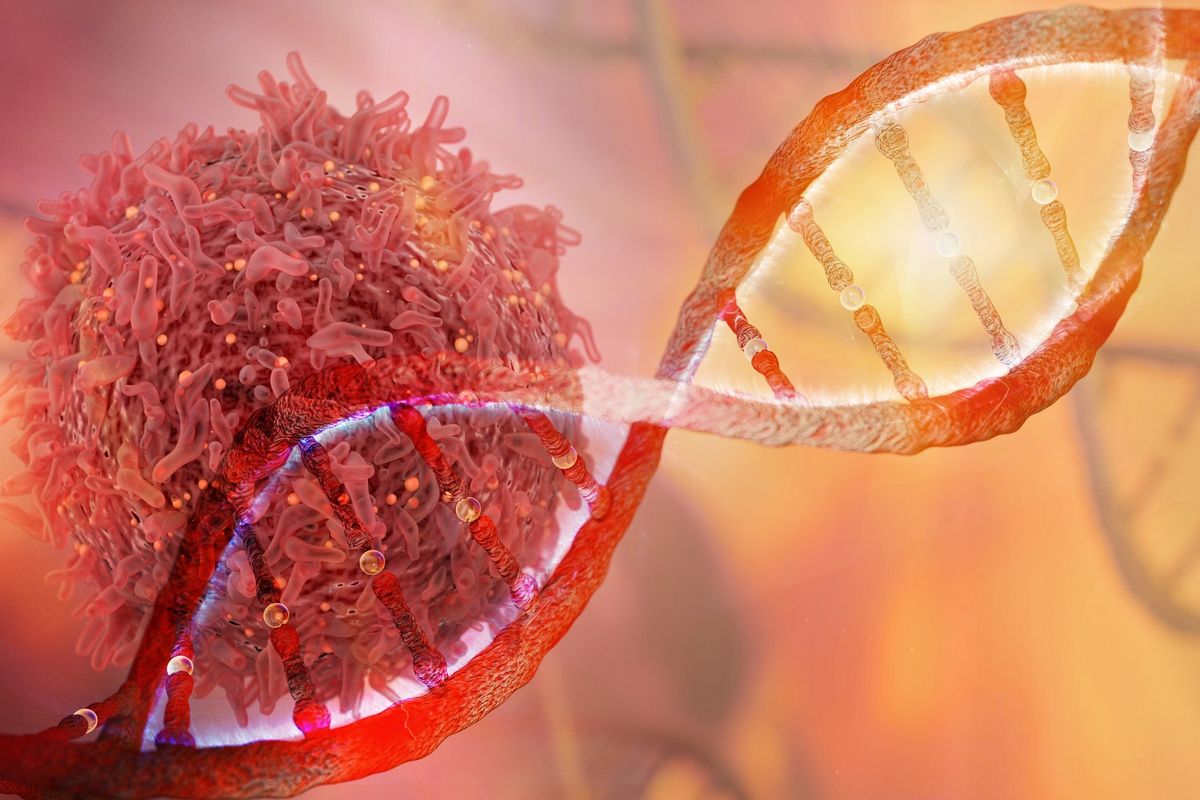
“100% success” means all patients in trials got better. For example, dostarlimab made 42 patients’ tumors disappear. They stayed cancer-free for up to four years. This is a big deal, as NPR reports, showing immunotherapy’s power and the impact of a New Cancer Drug on rectal cancer.
Experts call this a game-changer. “We can now treat cancer without surgery, chemo, or radiation.” This shows how new these treatments are.
The Significance of Recent Clinical Trials
Recent trials have shown that new cancer drugs work well. Dostarlimab, for example, is an experimental New Cancer Drug that treats some cancers effectively. These trials are key to getting these treatments approved and used more.
These trials are important not just for their results. They also open doors for more research, which could lead to better treatments for many cancers.
Why These Results Are Considered Revolutionary
These trial results are groundbreaking. They give hope to patients with few treatment options. Drugs that work 100% in some cases are a big win, mainly for those with tough cancers — especially when powered by a New Cancer Drug.
Also, these successes show we need to keep funding cancer research. As we develop more targeted therapies, we can expect even better treatments. This is an exciting time for cancer research, and we’re hopeful for the future.
Dostarlimab (Jemperli): The New Cancer Drug with Remarkable Results
Dostarlimab, also known as Jemperli, is a New Cancer Drug that has shown amazing results, mainly in treating rectal cancer. In clinical trials, it had a 100% complete remission rate.
Mechanism of Action as an Immunotherapy
Dostarlimab uses the immune system to fight cancer. It’s a monoclonal antibody that targets the PD-1 receptor. This receptor helps cancer cells avoid the immune system.
By blocking this receptor, Dostarlimab helps the immune system attack cancer cells better. This makes cancer treatment more targeted and reduces harm to healthy cells.
Groundbreaking Clinical Trial Results for Rectal Cancer
A clinical trial at Memorial Sloan Kettering Cancer Center showed incredible results. All 42 patients treated with Dostarlimab had their tumors completely gone. This 100% complete remission rate is a big step forward in cancer treatment.
While Dostarlimab has shown great results, it has its limits. It works best for rectal cancer with certain characteristics. More research is needed to see if it works for other cancers, too.
The key takeaways about Dostarlimab’s limitations include:
- Its current main use is for rectal cancer.
- Research is ongoing to see if it works for other cancers.
- Personalized medicine approaches are needed to find the right patients for treatment.
Patient Experiences and Minimal Side Effect Profile
Patients treated with this New Cancer Drug have reported few side effects. This is a big improvement over traditional treatments and helps maintain patients’ quality of life.
Limitations and Specific Cancer Types That Respond
While dostarlimab has shown great results, it has its limits. It works best for rectal cancer with specific characteristics. More research is needed to see if this New Cancer Drug works for other cancers too.
Olaparib Combination Therapy: Revolutionary Approach for Breast Cancer
Scientists have made a big leap in cancer treatment. They found that olaparib therapy can help patients with BRCA-mutated breast cancer live for three years without any issues. This breakthrough came from lots of research and trials, mainly by the University of Cambridge.

The Science Behind Olaparib’s Effectiveness for BRCA Mutations
Olaparib is a PARP inhibitor that works well against cancers linked to BRCA1 and BRCA2 mutations. These mutations make it hard for the body to fix DNA damage. This makes cancer cells more likely to die when treated with olaparib.
By stopping the PARP enzyme, olaparib makes it even harder for cancer cells to fix their DNA. This leads to their death. The research on olaparib for BRCA-mutated breast cancer has been extensive. It shows that this therapy not only increases survival chances but also targets cancer more precisely, harming fewer healthy cells.
University of Cambridge’s Breakthrough Study Results
The University of Cambridge did a study on olaparib therapy. They found that patients with BRCA-mutated, aggressive breast cancer could live for three years without any problems. This study looked at a lot of patient data and results, proving the therapy’s success.
The University of Cambridge found that patients with BRCA-mutated cancer lived up to three years without disease progression. This reinforces the importance of each New Cancer Drug and targeted therapy entering modern oncology.
“The results of our study are truly remarkable, showing a significant improvement in survival rates for patients with BRCA-mutated breast cancer treated with olaparib combination therapy.”
Three-Year Survival Outcomes and Patient Stories
The results for patients treated with olaparib therapy are very encouraging. Those with BRCA-mutated breast cancer have shown great responses to the treatment. Many have had very few side effects.
One patient with aggressive breast cancer saw a big improvement after olaparib therapy. She had fewer side effects than with traditional chemotherapy and was back to normal activities in a few months.
Compared to Traditional Breast Cancer Treatments
Olaparib therapy targets cancer cells more precisely and causes fewer side effects — similar to how a New Cancer Drug could transform overall patient outcomes.
The Future of Personalized Cancer Treatment
The future of cancer treatment is changing fast, and personalized medicine is bringing new hope. Each New Cancer Drug developed today is designed to fit the unique genetic makeup of the patient.
Targeted Therapies Based on Genetic Profiles
Targeted therapies are leading the way in personalized cancer treatment. Doctors use genetic profiles to find the cancer’s weak spots. Then, they pick treatments that hit those spots hard.
This method has shown great promise in trials. Patients are seeing fewer side effects and better results. Genetic profiling helps doctors pick the best treatments. For example, Dostarlimab (Jemperli) targets specific genetic markers in rectal cancer.
Expanding Clinical Trials to Other Cancer Types
While new treatments are promising, getting them to patients is a big challenge. It’s important to make sure these treatments are available to everyone. This is key to their success.
Liv Hospital is helping make these treatments available to patients worldwide. They offer advanced cancer care and help patients get the latest treatments. This is helping to close the gap in cancer treatment globally.
Accessibility and Availability of These New Cancer Treatments
Making these treatments available worldwide is essential. Liv Hospital helps provide advanced care, especially when promising new options like a New Cancer Drug enter public access.
The Role of Institutions Like Liv Hospital in Advanced Cancer Care
Liv Hospital is leading in advanced cancer care, using the latest in personalized medicine. They are dedicated to giving international patients the best care. This is making a big difference in the fight against cancer worldwide.
By adding new treatments to their care, Liv Hospital is setting a high standard for cancer care. Their work is improving patient outcomes and shaping the future of cancer treatment. As we move forward, institutions like Liv Hospital will play a big role.
Conclusion: Promising Advances in Cancer Treatment
We are on the verge of a big change in cancer treatment. New medicines are showing great success in tests. Drugs like dostarlimab and olaparib are making a big difference.
These treatments are not just helping patients. They are changing how we fight cancer. This is a big step forward in cancer care.
Recent tests have shown amazing results. Some patients have even seen their cancer disappear completely. This makes us think we might find a cure for cancer soon.
We are working hard to make healthcare better. These new treatments show our dedication to our mission. They are a big step towards helping more people.
As we learn more, the future of cancer treatment looks bright. We’re moving towards treatments that fit each person’s needs. This is a big step towards better care for everyone.
New Global Vaccine & Immunotherapy Headlines (Cancer Vaccine News 2025)

Cancer vaccine development is advancing rapidly. Major headlines include:
• England cancer vaccine progress
• Russia cancer vaccine BBC reports
• Expansion of lung cancer vaccine trials
• Growing interest in new cancer vaccine pipelines
• Breakthroughs in cancer vaccines and combination immunotherapy
• Positive developments in cancer vaccine, successful case studies
Together, these advancements suggest that the future of oncology will increasingly rely on immune-based, personalized treatments designed to target the unique genetic profile of each tumor.
Cost, Access, and Global Availability of New Cancer Drug Options
As new cancer drugs emerge — from dostarlimab to nubeqa, orgovyx, enhertu, and imitinef mercilet — patients worldwide are seeking information on affordability and access. Queries such as dostarlimab price, dostarlimab price in India, enhertu price, nubeqa price, and the availability of cancer tablets name or best cancer treatment in the world reflect a growing global demand for transparent treatment guidance.
International patients also continue exploring advanced cancer centers such as Envita Medical Center, therapies showcased in the 60 Minutes cancer treatment story, or innovative approaches adopted in regions like India, the UK, and the U.S.
The Bigger Picture: New Cancer Drug Revolution
The number of emerging treatments — including new cancer treatments 2025, new prostate cancer drug, new cancer drugs 2025, and metabolic or immune-based innovations — confirms that we are entering a new era. With constant updates in cure for cancer news, cancer treatment news, and cancer latest news, patients gain more hope than ever before.
The ongoing evolution of therapies such as immunotherapy, CAR-T mechanisms, tumor-specific vaccines, and next-generation molecular drugs underscores the central focus of global oncology: to redefine the future of treatment through safer, more effective, genetically targeted solutions.
At the heart of this transformation lies the continuing discovery and refinement of every New Cancer Drug — the core breakthrough shaping the future of modern cancer care.
Frequently Asked Questions
What is dostarlimab, and how does it work?
Dostarlimab, also known as Jemperli, is a new drug for treating rectal cancer. It boosts the body’s immune system to fight cancer cells better.
What does “100% success” mean in the context of cancer treatment?
“100% success” in cancer trials means all patients had their cancer completely gone or stopped growing. This is a big win for new treatments.
How does olaparib combination therapy work for breast cancer?
Olaparib is a targeted therapy for breast cancer, mainly for those with BRCA mutations. It stops cancer cells from fixing themselves, leading to their death.
Are these new cancer treatments available for all types of cancer?
Dostarlimab and olaparib are promising for certain cancers like rectal and breast cancer with BRCA mutations. But, research is ongoing to see if they work for other cancers too.
What are the side effects of dostarlimab and olaparib?
Dostarlimab has few side effects, making it better than old treatments. Olaparib’s side effects can differ, but it’s usually okay. Always talk to a doctor for specific info.
How can patients access these new cancer treatments?
Patients can receive these treatments by consulting their doctor or visiting facilities like Liv Hospital. They offer advanced care and might be in clinical trials.
What is the future of personalized cancer treatment?
Cancer treatment is moving towards personalized medicine. Targeted therapies based on genetic profiles are becoming key. This offers hope by giving treatments that really work for each patient.
Are clinical trials for these new treatments ongoing?
Yes. Multiple clinical trials are ongoing to evaluate how well New Cancer Drug options like dostarlimab work for different cancers. Trials also analyze safety, long-term success, and potential new cancer indications.
References
Ãlvarez, Y. E., et al. (2021). SEOM clinical guidelines for anaemia treatment in cancer patients. Clinical & Translational Oncology, 23(3), 530-541. https://www.ncbi.nlm.nih.gov/pmc/articles/PMC8057996/
National Cancer Institute. (2024). Managing Cancer-Related Anemia. https://www.cancer.gov/about-cancer/treatment/side-effects/anemiaYes, supported by authentic sources.


