


Spotting cancer in children early can be tough. It often looks like usual kid sicknesses. It’s key for parents and caregivers to know the cancer childhood symptoms to get help fast
There’s a worrying increase in childhood cancer. By 2019, it hit 18.89 per 100,000 kids. Catching it early is vital. Today’s medicine can really help young patients.
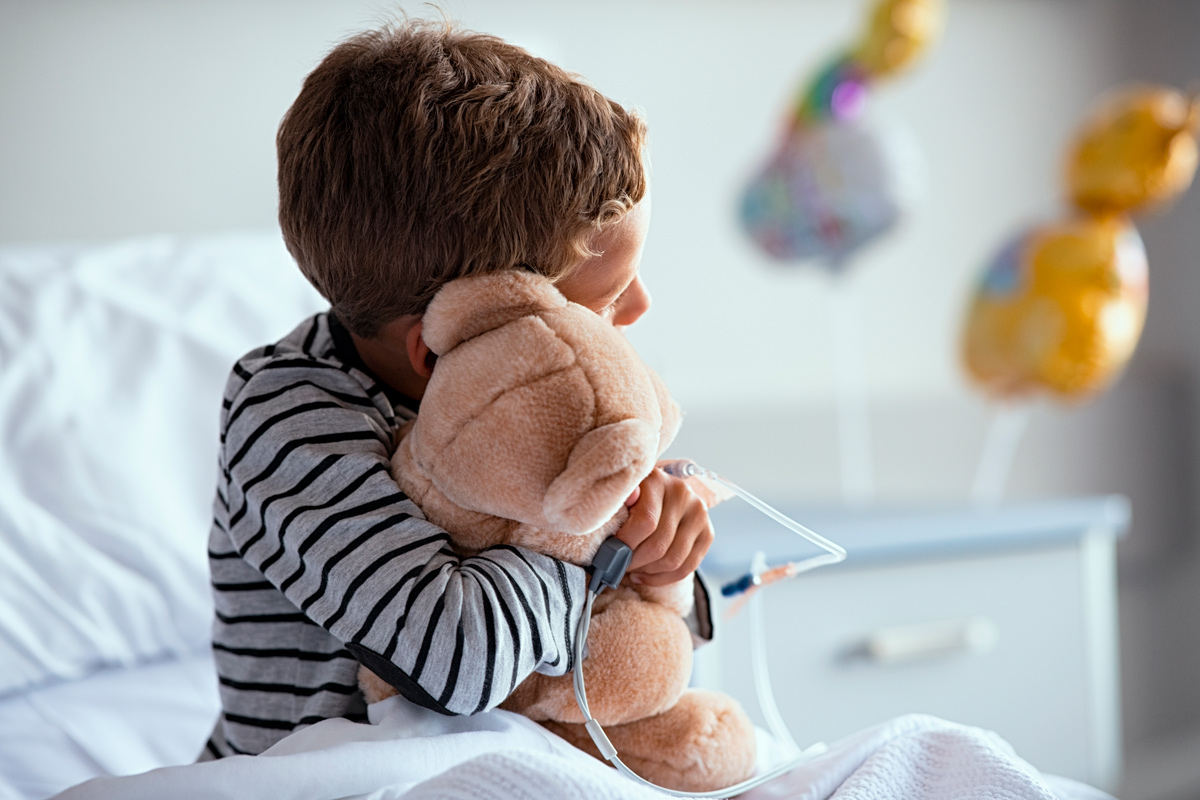
Knowing the early signs of cancer in children is super important. It can greatly improve their health and treatment chances.
Key Takeaways
- Early detection of cancer in children improves treatment outcomes.
- The incidence of childhood cancer has risen to 18.89 per 100,000 children.
- Awareness among parents and caregivers is key for quick medical help.
- Signs of cancer in kids often look like common kid sicknesses.
- Modern medicine has boosted survival rates for kids with cancer.
Understanding Childhood Cancer: Facts and Figures
It’s important to know the facts about childhood cancer for early detection and treatment. Childhood cancer is rare but affects thousands of kids and their families. We’ll look at the latest statistics, common types of cancer, and how treatments have improved survival rates.
Current Statistics on Childhood Cancer in the US
Childhood cancer statistics are alarming. About 1 in 260 kids will get cancer before they’re 20. Leukemia is the most common, making up 28% of cases. Brain and CNS tumors are second, at 26%.
Most Common Types of Childhood Cancer
The top childhood cancers are leukemia, brain and CNS tumors, and lymphoma. Leukemia is a blood and bone marrow cancer. Brain and CNS tumors start in the brain or spinal cord. Lymphoma affects the lymphatic system, part of the immune system.
Survival Rate s and Treatment Advances
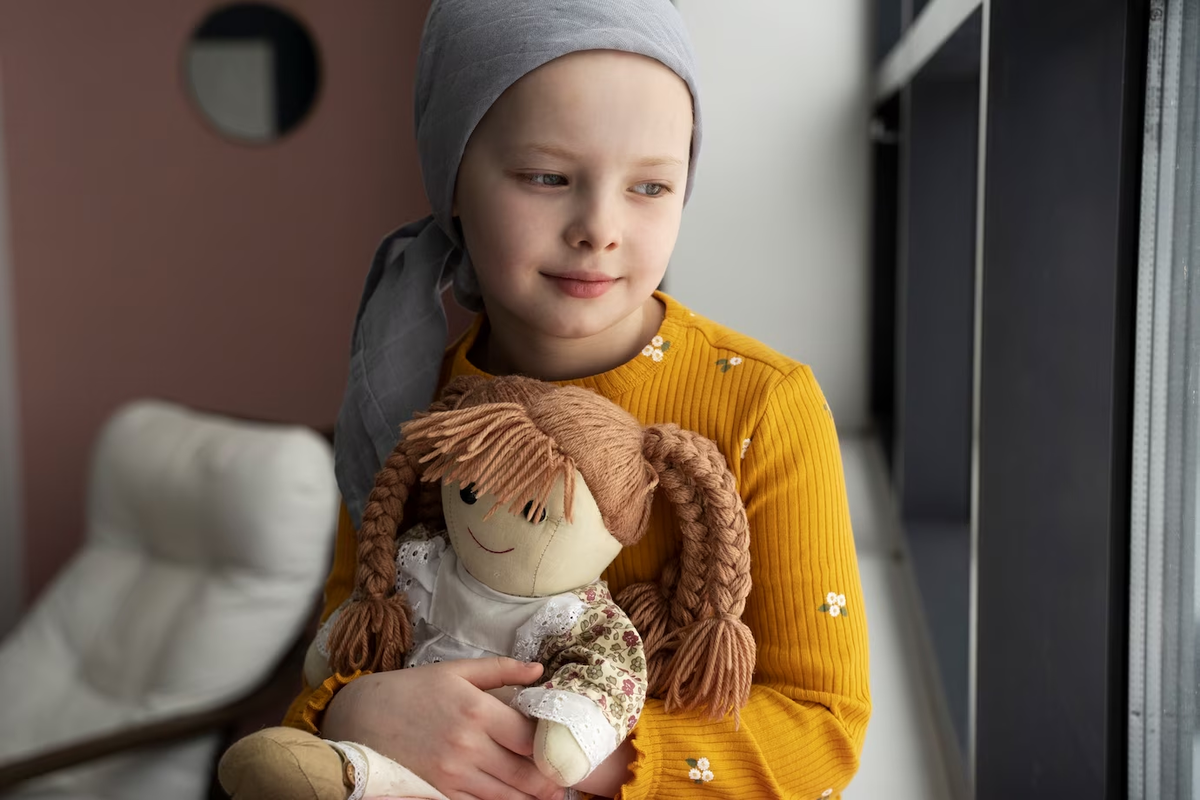
Thanks to medical progress, more kids with cancer are surviving. Today, over 85% of kids with cancer live at least five years after diagnosis. Treatments now include chemotherapy, radiation, and surgery, all tailored to the cancer type and stage. Warning signs include persistent fatigue, unexplained fever, and rapid or unexplained weight loss.
Why Early Detection Matters
Finding cancer early in kids is key for better treatment and survival. It’s hard to spot cancer in children because it’s rare. Its symptoms can look like those of common illnesses.
Challenges in Identifying Cancer in Children
Cancer in kids is rare, making it tough for parents and doctors to spot its signs. The American Cancer Society says childhood cancer is a small part of all cancer cases.
How Childhood Cancer Symptoms Mimic Common Illnesses
Symptoms like tiredness, fever, and bruises can look like common childhood sicknesses. This makes it hard to know if a child has cancer. It’s important to know the signs of pediatric cancer.
Impact of Timely Diagnosis on Treatment Outcomes
Finding cancer early can greatly improve treatment results for kids. Early detection means starting treatment sooner. This can make the disease less severe and improve survival chances.
Physical Changes That May Indicate Childhood Cancer
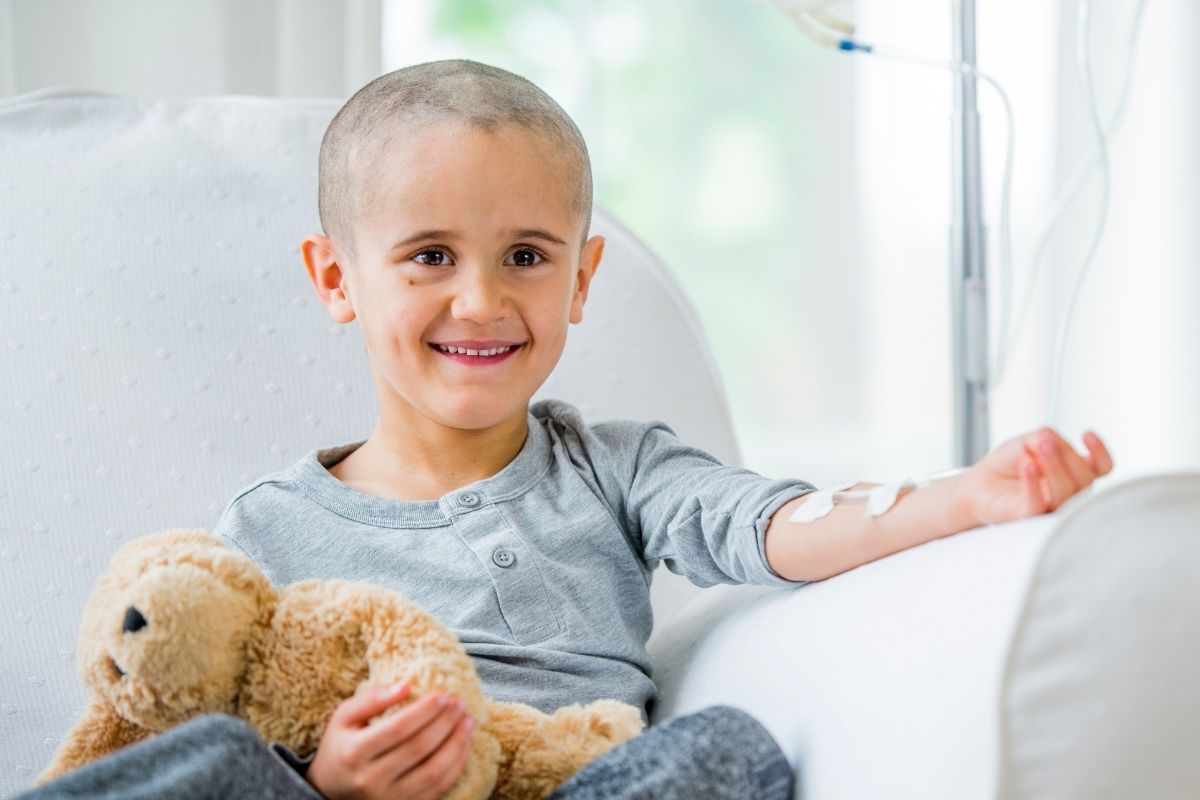
Certain physical changes in children can signal health issues, including cancer. As caregivers and healthcare providers, we have a key role in spotting these changes early. It’s vital to watch for unexplained physical changes, as they might be the first signs of serious conditions.
Unexplained Weight Loss
Unexplained weight loss is a big warning sign that needs medical attention. In kids, losing weight is unusual and can be a cause for concern. It’s important to keep an eye on a child’s weight and overall health. Any unexpected changes should be discussed with a doctor.
Persistent Fatigue and Paleness
Kids usually have lots of energy, but if they’re always tired, it’s a sign to watch. Paleness along with fatigue could mean anemia or even cancer. It’s important to tell the difference between normal tiredness and a constant lack of energy that doesn’t get better with rest.
Visible Lumps or Swelling
Any visible lumps or swelling that grow or change should be checked by a doctor. While most lumps are harmless, some might be tumors. Getting them checked early is important to find out the cause and start the right treatment.
Knowing about these physical changes and talking openly with doctors can help catch childhood cancer early. We must stay alert and act fast to check children’s health regularly. This way, we can make sure they get the medical help they need when they need it.
Pain-Related Warning Signs in Children
Pain in children can hint at serious health problems, like cancer. As caregivers, we must watch for the pain our kids feel. Some pain patterns could mean childhood cancer.
Frequent Headaches (With or Without Vomiting)
Frequent headaches, with or without vomiting, might mean a brain tumor. This is a type of child cancer. These headaches don’t go away and can get worse. If your child has these headaches, watch them closely and see a doctor.
Persistent Bone or Joint Pain
Persistent pain in bones or joints is a warning sign. It could be from leukemia or other cancers that affect bones. Kids might say their arms, legs, or joints hurt, thinking it’s just growing pains. But if the pain lasts and is bad, get medical help.
- Watch how long and how bad the pain is.
- Look for other symptoms like fever or losing weight.
- Get a doctor to check it out.
Unexplained Abdominal Pain
Unexplained belly pain can mean many things, including cancer. It might come with other signs like not wanting to eat, losing weight, or feeling a lump in the belly. If your child has ongoing or severe belly pain, they need to see a doctor.
Knowing these pain signs can help find signs of leukemia in toddlers and other child cancer early. Finding it early is key for better treatment and results.
Other Critical Cancer Childhood Symptoms to Watch For
There are other important signs of childhood cancer parents should watch for. Being alert to these signs can help find cancer early. This can save lives.
Unexplained Fever or Illness That Doesn’t Resolve
A fever that won’t go away or an illness that keeps coming back might mean cancer. First signs of cancer are often not easy to spot.
If your child keeps getting sick without a clear reason, see a doctor right away.
Easy Bruising or Bleeding
Easy bruising or bleeding could mean a problem with blood cells. This might be linked to leukemia or other cancers. Signs of childhood cancer can look like minor issues.
Watch for unusual bruising or bleeding. If it happens with tiredness or paleness, it’s very important.
Changes in Vision or Eye Appearance
Changes in vision or eye look can be a big warning sign. Leukemia or lymphoma might cause these eye issues.
If your child’s vision changes or their eyes look different, get them checked by a doctor.
Neurological Symptoms
Headaches, dizziness, or seizures could mean a brain tumor or other brain cancers. Signs of childhood cancer affecting the brain need quick medical help.
Any new or getting worse neurological symptoms mean you should see a doctor fast.
Knowing these first signs of cancer in kids helps get them the care they need quickly. If your child shows any of these signs, see a doctor right away.
Conclusion: When to Consult a Doctor About Potential Cancer Signs
As a parent, knowing the signs of cancer in kids is key. This helps catch it early and get the right treatment fast. We’ve talked about physical changes, pain signs, and other symptoms that might mean cancer.
If your child shows signs like unexplained weight loss, headaches, or lumps, get medical help right away. Cancer symptoms in kids can be tricky. They might look like other illnesses. So, it’s important to watch closely and see a doctor if you’re worried.
Being proactive about your child’s health is important. Spotting cancer signs early can lead to better treatment. If you’re unsure about any symptoms, always talk to a healthcare expert. They can offer advice and support.
FAQ
What are the most common signs of cancer in children?
How can I distinguish between common illnesses and childhood cancer symptoms?
What are the most common types of childhood cancer?
How has the survival rate for childhood cancer changed over time?
What should I do if I suspect my child has symptoms of childhood cancer?
Are there any specific risk factors that increase a child’s likelihood of developing cancer?
How can I be proactive about my child’s health and watch for signs of childhood cancer?
References
- Fragkandrea, I., Nixon, J. A., & Panagopoulou, P. (2013). Signs and symptoms of childhood cancer: a guide for early recognition. American Family Physician, 88(3), 185-192. https://pubmed.ncbi.nlm.nih.gov/23939697/


