


Leukemia is a blood cancer that affects the bone marrow and blood cells. Research shows that some inherited mutations can raise the risk of getting this disease. But the question remains, is leukemia genetic? Studies found that 6-10% of leukemia cases are caused by inherited genetic mutations. Genes like CEBPA, RUNX1, and GATA2 can increase the risk of leukemia when they mutate. We will look into how genetics play a role in leukemia. We’ll also see why knowing your family history matters. By diving into genetic predisposition research, we can understand the connection between family patterns and leukemia risk.
Key Takeaways
- Leukemia can run in families due to inherited genetic mutations.
- Specific genes like CEBPA, RUNX1, and GATA2 are associated with an increased leukemia risk.
- Understanding family history is key to knowing your leukemia risk.
- Research on genetic predisposition sheds light on leukemia’s genetic links.
- Not all genetic diseases are hereditary, and leukemia is a complex case.
The Basics of Leukemia and Geneticsis leukemia geneticThe Basics of Leukemia and Genetics
To understand leukemia and its genetic links, we need to know the basics. Leukemia is acancer that affects the blood and bone marrow. It’s caused by an abnormal increase in white blood cells. Knowing the basics helps us understand its genetic aspects.
What is Leukemia?
Leukemia is a cancer of the blood and bone marrow. It happens when genetic mutations cause an overproduction of abnormal white blood cells. These cells disrupt the body’s ability to fight infections and prevent bleeding.
The disease is divided based on the type of blood cell affected and how fast it progresses.

Types of Leukemia
There are several types of leukemia, each based on the cell type and disease progression. The main types include:
- Acute Myeloid Leukemia (AML): A rapidly progressing leukemia that affects myeloid cells, which are responsible for producing red blood cells, platelets, and most types of white blood cells.
- Chronic Lymphocytic Leukemia (CLL): A slower-progressing leukemia that affects lymphoid cells, a type of white blood cell critical for the immune system.
- Acute Lymphoblastic Leukemia (ALL): A fast-growing leukemia that also affects lymphoid cells, mainly impacting children but also occurring in adults.
- Chronic Myeloid Leukemia (CML): A slowly progressing leukemia that affects myeloid cells, often diagnosed in adults.
The Role of Genetics in Cancer Development
Genetics are key in the development of leukemia. Genetic mutations can be inherited or caused by environmental factors. These mutations can disrupt normal cell division, leading to cancerous cell growth.
Understanding leukemia’s genetic basis is vital for identifying risk factors and creating targeted treatments.
“The genetic basis of leukemia is complex, involving multiple mutations that can affect various cellular pathways. Research into these genetic alterations is critical for advancing our understanding and treatment of the disease.”
Is Leukemia Genetic? The Scientific Evidence
For years, people have wondered if leukemia is genetic. This question has led to a closer look at the science. We need to know how genetics affects different types of leukemia.
Sporadic vs. Familial Leukemia
Leukemia can be either sporadic or familial. Sporadic leukemia happens without a family history. Familial leukemia is when many family members get it. Most cases are sporadic, but many have a family link.
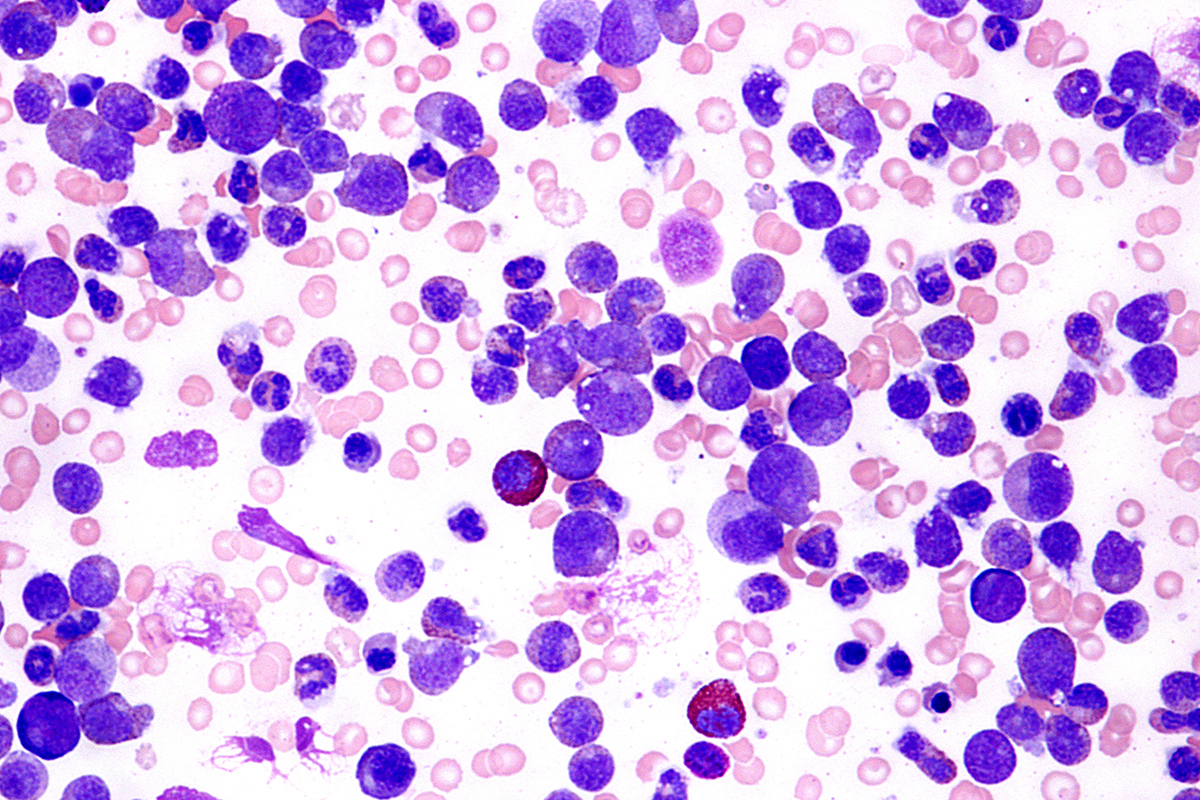
Prevalence of Hereditary Leukemia
About 6-10% of myeloid malignancies, like AML, are linked to family genes. Genes like CEBPA, RUNX1, and GATA2 play a big role. This shows genetics are key in some families.
Research Findings on Genetic Predisposition
New research has found important genetic links to leukemia. For example, CEBPA gene mutations raise AML risk. RUNX1 and GATA2 mutations also increase myeloid malignancy risk.
This research shows how genes and environment interact in leukemia. Knowing this helps doctors find and help those at risk.
Hereditary Mutations Associated with Leukemia
Research has found certain genetic mutations that raise the risk of leukemia. These mutations are often passed down from parents to their children. Knowing about these genetic links helps us understand our risk and may help prevent leukemia.
Key Genes: CEBPA, RUNX1, and GATA2
Several genes are key in the development of hereditary leukemia. CEBPA, RUNX1, and GATA2 are among them. Mutations in these genes can mess up blood cell production, causing leukemia.
- CEBPA mutations are linked to a higher risk of acute myeloid leukemia (AML).
- RUNX1 mutations are connected to a higher risk of AML and other myeloid malignancies.
- GATA2 mutations can cause MonoMAC syndrome, which includes monocytopenia and various leukemias.
Other Genetic Mutations Linked to Leukemia
Other than CEBPA, RUNX1, and GATA2, other mutations also raise leukemia risk. These include mutations in DNA repair genes and those that control cell cycle. For example, TP53 gene mutations, linked to Li-Fraumeni syndrome, increase cancer risk, including leukemia.
“The discovery of hereditary mutations linked to leukemia has changed how we understand the disease. It has opened new ways for early detection and prevention.”
Expert in Hematology
How These Mutations Increase Leukemia Risk
These genetic mutations can cause leukemia by messing up cell function. For instance, mutations in DNA repair genes can lead to more genetic damage. This increases the chance of leukemic transformation. Also, mutations that affect cell growth and division can cause uncontrolled leukemic cell growth.
Knowing about hereditary mutations linked to leukemia is key to finding high-risk individuals. It helps us take steps for surveillance and prevention. We will look at different types of leukemia and their hereditary patterns next.
Types of Leukemia and Their Hereditary Patterns
Leukemia is a complex group of blood cancers with different types. Each type has its own hereditary traits. Knowing these differences is key to understanding individual risks and making health decisions.
Acute Myeloid Leukemia (AML) and Family Risk
Acute Myeloid Leukemia (AML) starts in the bone marrow and quickly spreads to the blood. It can also reach other parts of the body. Some genetic mutations raise the risk of getting AML.
For example, mutations in the CEBPA and RUNX1 genes are linked to a higher AML risk. Families with these mutations should consider genetic counselling to grasp their risk.
Research shows a slight increase in AML risk for those with a first-degree relative diagnosed with it. The risk is low, but it’s worth knowing.
Chronic Lymphocytic Leukemia (CLL) Hereditary Factors
Chronic Lymphocytic Leukemia (CLL) makes too many immature white blood cells. It’s not usually seen as a hereditary disease. Yet, having a family history of CLL or other cancers might up your risk.
Studies are looking into CLL’s genetic factors. Some have found possible genetic links.
- Family history of CLL or other cancers
- Genetic mutations such as those affecting the ATM gene
- Other lymphoproliferative disorders
Acute Lymphoblastic Leukemia (ALL) in Families
Acute Lymphoblastic Leukemia (ALL) is common in kids but can also hit adults. Genetics play a big role in ALL. Certain genetic syndromes, like Down syndrome, increase the risk of getting ALL.
Also, having a sibling with ALL might slightly raise a child’s risk. This hints at a genetic link.
- Genetic syndromes like Down syndrome
- Family history of ALL or other leukemias
- Specific genetic mutations
Chronic Myeloid Leukemia (CML) Genetic Links
Chronic Myeloid Leukemia (CML) affects white blood cells and grows slowly. The main genetic issue in CML is the Philadelphia chromosome. While CML isn’t usually hereditary, some families might have a genetic predisposition.
Knowing the genetic ties to leukemia types helps people and families understand their risks. For those with a strong family history, genetic counselling and testing might be advised.
Inherited Syndromes with Increased Leukemia Risk
Some genetic conditions raise the risk of getting leukemia. These syndromes can lead to other health problems, too. Knowing about these conditions helps in managing leukemia risk.
Li-Fraumeni Syndrome
Li-Fraumeni syndrome is a rare genetic disorder. It increases the risk of many cancers, including leukemia. This is due to a mutation in the TP53 gene.
People with Li-Fraumeni syndrome often get cancer at a young age.
Key characteristics of Li-Fraumeni syndrome include:
- Early onset of various cancers
- Multiple primary cancers in an individual
- Family history of cancer
Down Syndrome
Down syndrome is linked to an increased risk. It’s caused by an extra chromosome 21. This extra genetic material can disrupt normal cell function.
Children with Down syndrome are at high risk for AML and ALL.
Fanconi Anemia
Fanconi anemia is a rare genetic disorder. It leads to bone marrow failure and a higher cancer risk, including leukemia. The condition is caused by DNA repair gene mutations.
Key features of Fanconi anemia include:
- Congenital abnormalities
- Bone marrow failure
- Increased risk of leukemia and other cancers
Other Rare Genetic Conditions
Other rare genetic conditions also raise leukemia risk. These include:
- Noonan syndrome
- Ataxia-telangiectasia
- Bloom syndrome
These conditions often involve genetic mutations. These mutations affect cellular regulation and DNA repair, increasing leukemia risk.
It’s important to understand these inherited syndromes for early detection and management of leukemia. People with a family history should talk to their healthcare providers. This helps in assessing their risk and setting up surveillance strategies.
Assessing Your Family History and Personal Risk
Your family’s health history is key to knowing your risk for hereditary leukemia. It’s important to understand this to protect your health.
How to Document Your Family History
To document your family history, start by talking to your relatives. Ask about any leukemia or cancer in your family. Use a family history questionnaire or a pedigree chart to keep track of this information.
Also, get medical records or death certificates to confirm any diagnoses. Be as detailed as possible about the type of leukemia, age at diagnosis, and other health issues.
Red Flags for Hereditary Leukemia Risk
Look for patterns in your family history that might show a higher risk for hereditary leukemia. Multiple cases of leukemia at a young age or other cancers are red flags. For example, a history of breast cancer or sarcomas could mean a hereditary syndrome.
“A family history of cancer is a significant risk factor for developing leukemia. Identifying these patterns can help in early detection and prevention.”
Risk Assessment Tools and Calculations
There are tools to help figure out your risk based on your family history and other factors. These tools look at genetic mutations, family cancer history, and lifestyle. Using these tools can give a clearer picture of your risk and help you talk to your doctor.
- Genetic risk assessment models
- Family history questionnaires
- Online risk calculators
Communicating with Healthcare Providers
After gathering your family history and assessing your risk, talk to your healthcare providers. Bring a detailed family history to your appointments and share your concerns with your doctor.
Be prepared to ask questions about your risk, genetic testing, and any screenings or preventive measures. Your doctor can give advice based on your situation.
Understanding your family history and talking to your healthcare providers can help you manage your risk for hereditary leukemia.
Genetic Testing and Counselling for Leukemia Predisposition
For families with a history of leukemia, genetic testing and counselling are key. They offer insights into risk and help make health decisions.
Types of Genetic Tests Available
There are several genetic tests for leukemia predisposition. These include:
- Single-gene testing: Looks at specific genes linked to leukemia.
- Multi-gene panel testing: Checks many genes at once for mutations.
- Whole-exome sequencing: Scans all gene coding regions for mutations.
Each test has its benefits. The choice depends on family history and medical background.
Who Should Consider Genetic Testing
Genetic testing is advised for those with a strong family history. It’s also for those diagnosed young or with certain syndromes.
The Genetic Counselling Process
Genetic counselling is vital with genetic testing. It includes:
- Pre-test counselling: Discussing testing implications and outcomes.
- Test interpretation: Understanding the results’ significance.
- Post-test counselling: Exploring options based on results.
Understanding and Acting on Test Results
It’s important to understand genetic testing results. A positive result means a higher risk. A negative result doesn’t mean no risk.
Healthcare providers and counsellors help interpret results. They suggest actions based on them.
For those with a positive result, regular check-ups and preventive steps can lower leukemia risk.
Management Strategies for Families with Hereditary Leukemia Risk
Families with a hereditary leukemia risk must take action. This includes medical, psychological, and lifestyle changes. These steps can lower the risk and help those at risk live better lives.
Medical Surveillance Recommendations
Regular check-ups and screenings are key to early detection. We suggest:
- Annual blood tests to check blood cell counts
- Periodic bone marrow biopsies for those with high-risk genes
- Regular talks with a hematologist-oncologist
Preventive Measures and Lifestyle Modifications
A healthy lifestyle can reduce leukemia risk. Important steps include:
- Avoiding harmful substances like benzene and pesticides
- Eating a diet full of fruits, veggies, and whole grains
- Staying active to lower stress and boost health
Psychological Aspects of Living with Hereditary Risk
Knowing you have a hereditary risk can be tough. It’s important to:
- Get support from loved ones or support groups
- See a counsellor to handle anxiety and stress
- Keep up with new research and treatments
Family Planning Considerations
Family planning is complex with a hereditary risk. We recommend:
- Talking to a genetic counsellor about risks and options
- Discussing genetic testing risks and benefits with family
- Looking into reproductive options like PGD
By following these strategies, families can manage their risk. This helps them live healthier and better lives.
Conclusion: Advances in Understanding and Managing Hereditary Leukemia
We’ve looked into how genetics and leukemia are connected. We’ve seen big steps forward in understanding hereditary leukemia. Studies have found that some genetic changes can raise the risk of getting leukemia. More research is needed to fully understand these mechanisms.
Knowing the genetic links to leukemia helps us manage its risks better. Thanks to genetic testing and counselling, families can learn their risk levels. This lets them make smart health choices. We can spot people at higher risk and help them with early checks and prevention tips.
As we learn more about hereditary leukemia, we can find better ways to fight it. Using genetic tests, regular health checks, and healthy living can help. This approach can lead to better health for those with hereditary leukemia and their families.
FAQ’s:
Is leukemia a genetic disease?
Yes, leukemia is a genetic disease because it involves genetic mutations. But it’s not always passed down from parents to children.
What is the difference between genetic and hereditary diseases?
Genetic diseases come from genetic mutations. Hereditary diseases are passed down through genes. Not all genetic diseases are hereditary.
Are certain types of leukemia more likely to be hereditary?
Some types of leukemia, like acute myeloid leukemia (AML), might have a stronger hereditary link. But the risk depends on the genetic mutations involved.
What are some inherited syndromes that increase the risk of leukemia?
Li-Fraumeni syndrome, Down syndrome, and Fanconi anemia are examples. These conditions are linked to specific genetic mutations.
How can I assess my risk of developing hereditary leukemia?
Start by documenting your family history and looking for red flags. Use risk assessment tools and talk to your healthcare provider about your concerns.
What is genetic testing, and who should consider it?
Genetic testing looks for genetic mutations that might raise your leukemia risk. If you have a strong family history or specific genetic syndromes, it might be helpful.
How can I manage my risk if I have a hereditary predisposition to leukemia?
You can manage your risk through medical checks, preventive steps, and lifestyle changes. It’s also important to deal with the emotional side and consider family planning.
Can lifestyle changes reduce the risk of developing leukemia?
Some lifestyle changes might help, but the evidence is limited. A healthy lifestyle, avoiding harmful chemicals, and managing stress are good practices.
Is chronic lymphocytic leukemia (CLL) hereditary?
CLL’s causes are complex, and while there’s some evidence of a hereditary link, the risk is generally low.
What are the key genes associated with hereditary leukemia?
CEBPA, RUNX1, and GATA2 are genes linked to a higher leukemia risk. Other genetic mutations also play a role.
How do genetic mutations increase the risk of leukemia?
Genetic mutations can cause cells to grow uncontrollably, raising leukemia risk. The exact mechanisms depend on the mutation and leukemia type.
References
- U.S. National Library of Medicine. (2023). Hereditary leukemia and myelodysplastic syndromes.




 Departments
 Related Videos
 Our Doctors
 News
News


