


After a bone marrow transplant, many patients notice a peculiar, lingering odour. This smell is often described as similar to garlic, creamed corn, or tomato. We understand that this can be a concerning and uncomfortable experience for patients.
The distinctive smell is mainly caused by dimethyl sulfoxide (DMSO), a preservative used to protect stem cells during freezing. The infusion process is much like a blood transfusion. Patients might also experience side effects such as facial flushing, itching, and hives.
Our goal is to help patients and caregivers understand what to expect after a bone marrow transplant. Exploring the causes and duration of this unusual smell is an important step in easing recovery and providing reassurance.
Key Takeaways
- The smell after a stem cell transplant is caused by DMSO, a preservative used in the freezing process.
- Patients may experience side effects such as facial flushing, itching, and hives during the infusion process.
- The duration of the smell varies, but it is typically temporary.
- Understanding the cause of the smell can help patients and caregivers prepare for the recovery process.
- We are committed to providing complete support for international patients undergoing advanced medical treatments.
The Stem Cell Transplant Process and Associated Side Effects
A stem cell transplant, also known as hematopoietic stem cell transplantation (HSC), is a treatment that requires careful preparation. It can result in various side effects. This complex medical procedure involves several steps, from preparation to recovery, each with its own challenges.
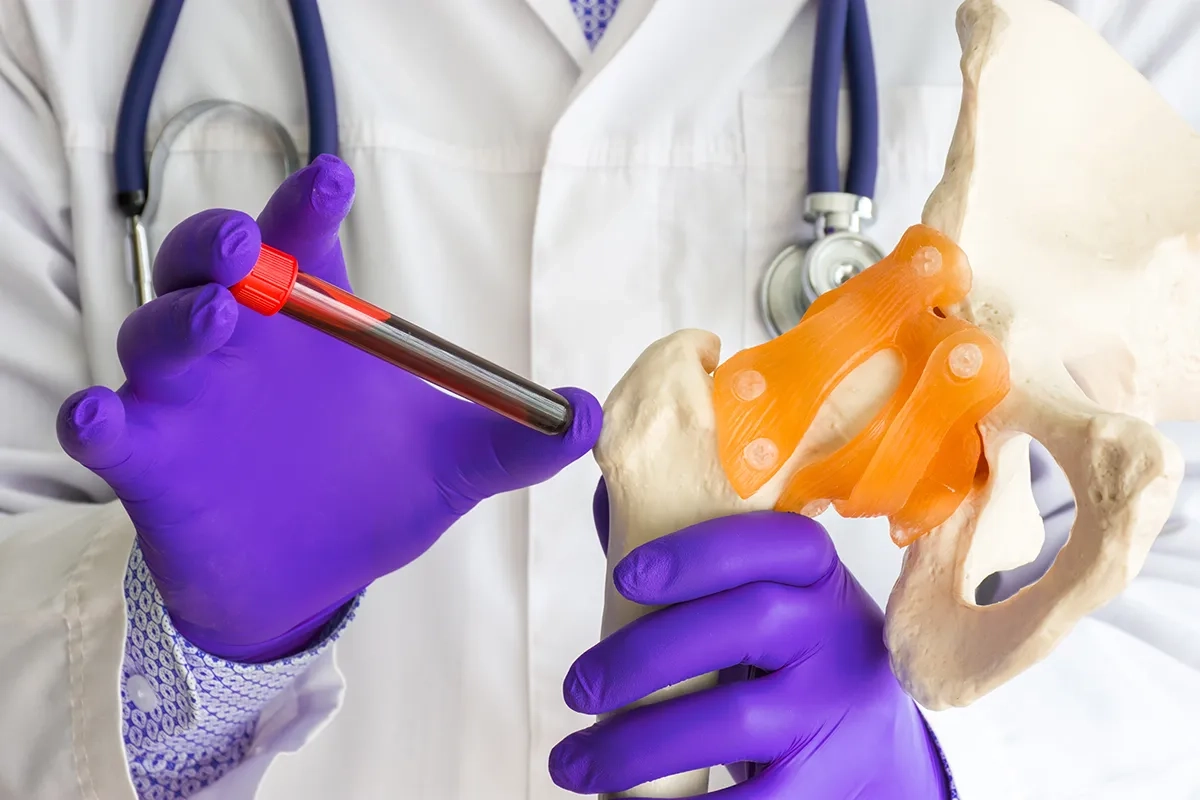
Overview of the transplantation procedure
The stem cell transplant process starts with conditioning treatment. This treatment prepares the body for the transplant. It includes chemotherapy and/or radiation therapy to kill diseased cells and weaken the immune system.
After conditioning, the stem cell infusion happens. It’s like a blood transfusion, where stem cells are infused into the patient’s bloodstream. The infused stem cells then go to the bone marrow to produce new blood cells.
Preparatory conditioning regimens
The conditioning regimens before a stem cell transplant are key to success. They vary based on the patient’s condition, the type of transplant, and the disease being treated.
Common conditioning regimens include:
- Chemotherapy: High-dose chemotherapy kills cancer cells and weakens the immune system.
- Radiation therapy: Total body irradiation (TBI) is used with chemotherapy to further weaken the immune system and kill diseased cells.
Common physical and sensory side effects
The conditioning treatment and transplant process can cause side effects. Common physical side effects include:
- Mouth sores: Painful ulcers can develop in the mouth due to chemotherapy or radiation.
- Nausea and vomiting: These are common side effects of chemotherapy and can be managed with anti-nausea medications.
- Hair loss: Chemotherapy can cause significant hair loss, which is usually temporary.
- Lung or breathing problems: Some patients may experience respiratory issues due to the conditioning regimen or infections post-transplant.
Sensory side effects can also occur, including changes in taste and smell. These are often associated with the use of dimethyl sulfoxide (DMSO) in the stem cell preservation process.
What Causes the Distinctive Smell After Transplantation
After a stem cell transplant, some patients notice a strong, unpleasant odour. This is linked to the stem cell preservation and transplantation process.

Dimethyl sulfoxide (DMSO) as the primary culprit
Dimethyl sulfoxide (DMSO) protects stem cells during freezing. It’s key for stem cell preservation. But it’s also the cause of the smell many patients experience.
DMSO can cause side effects like hives and nausea. When infused, it leads to a smell like garlic or strong odours.
Why DMSO is necessary for stem cell preservation
DMSO prevents damage to stem cells during freezing and thawing. Without it, stem cells might be damaged, causing transplant problems.
DMSO’s role in stem cell preservation is well-known in BMT and stem cell donation. Its benefits in keeping stem cells alive are worth the temporary discomfort.
How DMSO metabolizes and creates sulphur compounds
After infusion, DMSO is broken down into dimethyl sulphide and sulphur compounds. These are what cause the smell.
The smell is strongest during and right after the infusion. As the body processes DMSO, the smell fades over time.
Characteristics of the Post-Transplant Odour
The smell after a stem cell transplant is unique and can differ from person to person. This is because everyone’s body reacts differently to DMSO, a key part in preserving stem cells.
Common Descriptions: Garlic, Creamed Corn, and Tomato Scents
Many patients say the smell is like garlic, creamed corn, or tomato. This is because of DMSO in the stem cell preservation. The smell can be very strong and worries many patients who are getting a bone marrow transplant.
Knowing how a bone marrow transplant works helps patients get ready for side effects like the smell. The transplant involves stem cells infused with DMSO, causing the smell.
How the Smell Manifests Through Different Body Systems
The smell can show up in sweat, urine, and breath. This can upset patients and affect their lives during recovery. The smell’s strength and how long it lasts can change based on the cost of bone marrow transplant and treatment plans.
- Sweat: Patients may notice the smell more prominently in their sweat.
- Urine: The odour can be present in urine as the body eliminates DMSO.
- Breath: The smell can also be detected in a patient’s breath.
Variations in Odour Intensity Among Patients
The smell’s strength can vary a lot among patients. This depends on metabolic differences, the type of transplant of bone marrow (autologous vs. allogeneic), and DMSO concentration in stem cell preservation.
Healthcare providers can help by understanding these factors. They can guide patients on managing the smell and address concerns.
Immediate Timeline: The First 72 Hours After Bone Marrow Transplant
After a bone marrow transplant, the first 72 hours are key. The body reacts to DMSO used in the stem cell donation process. This is when patients start their recovery journey.
Peak Odour During and Immediately Following Infusion
The smell from DMSO peaks during the infusion and lasts up to 72 hours. DMSO preserves stem cells during BMT transplantation. It breaks down into sulphur compounds, causing the smell.
The Body’s Process of Eliminating DMSO
As DMSO leaves the body, patients may smell it in their secretions. This is a natural part of the bone marrow donation process. It’s usually short-lived.
What Patients Typically Experience in the First Three Days
In the first 72 hours, patients often stay in the clinic for at least 2 hours after infusion. They might feel different sensations and side effects from DMSO and the transplant. It’s important to follow your healthcare provider’s advice on managing these effects.
This time can be tough, not just physically but also emotionally. Our team is dedicated to giving full support. We want patients to feel cared for during their recovery.
Knowing what to expect in the first 72 hours after a bone marrow transplant helps patients prepare. The smell from DMSO is a temporary side effect of the stem cell donation process. It will fade as the body heals.
Extended Timeline: One Week to One Month Post-Transplant
After a stem cell transplant, most patients notice a big drop in smell within a week to a month. We help patients through this important recovery time. It’s key to know what affects the smell’s presence or decrease.
Significant Odour Reduction
Many patients see the smell lessen within a week to a month. This is a big relief as they move closer to full recovery. Several factors contribute to this decrease, like the body getting rid of DMSO and returning to normal.
Factors Influencing Prolonged Smell
Even though most see a big drop in smell within a month, some factors can make it last longer. These include how fast the body processes DMSO, the type of transplant, and the DMSO dosage. We watch these closely to tailor care to each patient.
- Metabolic differences among patients can affect how quickly DMSO is processed and eliminated.
- The type of transplant, whether autologous or allogeneic, may also impact the duration of the odor.
- Variations in DMSO dosage during the stem cell harvesting and transplantation process can influence the intensity and duration of the smell.
Transition to Residual Odour Phase
As patients get better, they move from a strong smell phase to a less noticeable one. This is a sign of healing. During this time, patients often feel much better overall.
We keep supporting our patients with detailed care. We address any worries about the transplant and its side effects, like the smell from DMSO.
Long-Term Chemosensory Changes Following Stem Cell Transplantation
While DMSO’s immediate effects usually go away in days, some patients face ongoing chemosensory issues after stem cell transplantation. Research aims to grasp the long-term effects on smell and taste.
Research on Smell and Taste Disturbances Beyond the DMSO Period
Studies look into how long chemosensory changes last after DMSO is broken down. A study in a top medical journal found many patients struggle with smell and taste issues even three months after the transplant
The 2.5-Month Milestone for Significant Resolution
Research shows most chemosensory issues clear up by 2.5 months. This is a key time for patients to start feeling better. During this period, the body adjusts, and many notice improvements in smell and taste.
Statistical Findings: 68.9% Taste and 40% Smell Disturbances After Three Months
Studies reveal 68.9% of patients face taste issues, and 40% struggle with smell three months post-bone marrow transplant procedure. These numbers highlight the need for thorough support for stem cell transplant patients.
It’s vital to understand how stem cell transplantation affects the senses long-term. This knowledge helps healthcare teams offer better care during tough times.
As we improve bone marrow transplant procedures, we must consider their long-term effects on patients’ lives. More research on chemosensory changes post-transplant is key to better patient care and outcomes.
Factors That Influence How Long the Smell Persists
It’s important for patients getting a stem cell transplant to know why the smell lasts. The smell’s duration can change a lot from person to person. This is because of several key factors.
Patient-Specific Metabolic Differences
How fast someone’s body breaks down dimethyl sulfoxide (DMSO) affects the duration. People metabolize DMSO at different speeds. This means the smell can last longer or shorter for each person.
Impact of Transplant Type: Autologous vs. Allogeneic
The smell’s duration can also depend on the transplant type. Autologous transplants use the patient’s own cells, while allogeneic transplants use donor cells. Research shows that the type of transplant can change how the body reacts to DMSO. This affects the smell’s intensity and how long it lasts.
For more details on autologous and allogeneic transplants, check out this study.
DOSAGE AND CONCENTRATION OF DMSO USED
The smell’s intensity and how long it lasts also depend on DMSO dosage and concentration. More DMSO can mean a stronger smell that lasts longer. Doctors carefully choose the DMSO amount to balance preservation and side effects.
Knowing these factors helps patients and caregivers prepare for the smell after a BMT transplant or stem cell donation. While the smell can be tough, understanding its causes helps in planning and coping.
Complications That May Extend Smell Disturbances
After a hematopoietic stem cell (HSC) transplant, smell problems can last longer. While DMSO smell is usually short-lived, some issues can make these problems last or change.
Oral graft-versus-host disease and its sensory impact
Oral graft-versus-host disease (GVHD) is a big problem after some HSC transplants. It can mess with your sense of smell. The mouth gets inflamed and dry, which can change how you taste and smell things.
Oral GVHD symptoms include food sensitivity, dry mouth, and taste changes. These can affect your sense of smell, making it important to manage them well.
Medication side effects that affect smell perception
Medicines used during and after HSC transplant can mess with your sense of smell. Some drugs change how your body handles sensory info, leading to smell changes.
- Some meds dry out your nasal passages, affecting smell.
- Others can directly mess with your sense of smell.
Neurological complications affecting chemosensory function
Neurological problems can happen after an HSC transplant, affecting how you smell things. Issues like neuropathy or brain damage can change your sense of smell.
Doctors need to watch for these problems to help your sense of smell.
Managing and Coping With the Transplant-Related Odour
Dealing with the smell after a stem cell transplant needs a few steps. These include keeping clean, eating right, and making your space better. We know this smell can upset patients. So, we’re here to help lessen its effect.
Practical Hygiene and Dietary Recommendations
Good hygiene is key to handling the transplant smell. Patients should wash up often, focusing on smelly spots. Mild, scent-free soaps are best to avoid irritation and smell.
Changing what you eat can also help. Eating foods rich in antioxidants, like fruits and veggies, supports healing. It might also cut down the smell. Drinking lots of water helps get rid of DMSO, and it smells better.
Environmental Modifications for Patients and Caregivers
Creating a cozy space helps both patients and their caregivers deal with the smell. Using air purifiers or opening windows can cut down the smell in the room.
Some people find that peppermint or coffee grounds in their room can mask the smell. This makes their space more welcoming while they recover.
Psychological Approaches to Dealing with Body Odour Changes
The emotional side of a big change in body smell is important. Patients need support from loved ones or mental health experts to handle any worry or sadness.
Doing things that calm the mind, like meditation or yoga, can help too. These activities can ease the emotional side of recovery, including the smell issue.
When to Seek Medical Attention for Persistent Smell Issues
A lingering smell after stem cell donation and transplantation can be worrying. It’s important to know when to see a doctor. While smells from BMT transplantation usually go away, sometimes they don’t or come with other symptoms.
Distinguishing Between Normal and Abnormal Smell Duration
The smell from bone marrow transplant procedure usually fades in a few weeks. But it can last longer for some due to different body types and transplant types. It’s key for patients to watch their health and report any smell changes.
Keeping a symptom journal is helpful. It tracks the smell’s strength and type. This info is key for doctors to offer the right advice.
Warning Signs That Warrant Medical Consultation
If the smell doesn’t go away or comes with fever, tiredness, or odd discharges, see a doctor. These signs might mean infections or graft-versus-host disease.
- Severe or worsening smell
- Associated symptoms like fever or fatigue
- Unusual changes in bodily discharges or secretions
If you notice these signs, don’t wait to call your doctor. Quick action can help a lot.
Diagnostic and Treatment Options for Long-Term Disturbances
For long-lasting smell problems, we use many tests to find the cause. These include medical checks, lab tests, and specialist talks.
Treatments depend on the cause. They might change meds or tackle graft-versus-host disease. Sometimes, just eating right and staying clean can help.
Knowing why and when to get help is key in post-transplant care. We aim to support our patients fully during their recovery.
Conclusion: Looking Beyond the Temporary Challenges
Exploring the smell linked to stem cell transplantation shows it’s a short-term issue. Patients going through bone marrow or BMT transplant face many side effects. One is a unique smell from dimethyl sulfoxide (DMSO) used in the process.
With the right care, patients can overcome these challenges and succeed. Most see big improvements after the tough times pass. Knowing the reasons, timeline, and how to manage the smell helps patients and their caregivers.
As patients get better from their transplant, the smell will fade. We urge patients to stay informed and follow their treatment plans. Seeking support is key to a successful recovery after a bone marrow or stem cell transplant.
FAQ’s:
What causes the distinctive smell after a stem cell transplant?
The smell comes from dimethyl sulfoxide (DMSO). It’s used to protect stem cells during freezing. DMSO breaks down into sulfur compounds, causing the smell.
How long does the smell typically last after a stem cell transplant?
The smell is strongest in the first 72 hours. It usually goes away in a few days to a week. But, some people might notice changes in smell and taste for longer.
What can patients do to manage the smell associated with stem cell transplantation?
To manage the smell, patients need to take several steps. This includes staying clean, eating right, and finding ways to cope mentally. Knowing these strategies helps patients deal with this tough part of treatment.
Are there any complications that may prolong or alter chemosensory disturbances after a stem cell transplant?
Yes, some problems can make the smell last longer or change. These include oral graft-versus-host disease, side effects from medicine, and neurological issues. It’s important to know about these complications to care for patients well.
When should patients seek medical attention for persistent smell issues after a stem cell transplant?
If the smell doesn’t go away or if it’s concerning, see a doctor. There are ways to diagnose and treat long-term smell problems.
How does the type of transplant affect the duration of the smell?
The smell’s duration can vary based on the transplant type. Knowing about the transplant can help patients and caregivers plan better.
What role does DMSO play in the preservation of stem cells?
DMSO is key in keeping stem cells safe during freezing. It’s responsible for the smell, but it’s vital for a successful transplant.
How does the body’s metabolism affect the smell caused by DMSO?
How fast DMSO is broken down can change the smell’s intensity and type. Knowing this can help patients and caregivers prepare better.
References
- Prior, D., Mitchell, A., Nebauer, M., & Smith, M. (2000). Oncology nurses’ experience of dimethyl sulfoxide odor. Cancer Nursing, 23(2), 134-140. https://pubmed.ncbi.nlm.nih.gov/10763285/
- Dana-Farber Cancer Institute. (2017). Why Do Stem Cells Have a Strong Odor? https://blog.dana-farber.org/insight/2016/01/why-do-stem-cells-have-a-strong-odor/
- Medscape. (n.d.). Oranges for Symptoms With Stem Cell Reinfusions. https://www.medscape.com/viewarticle/749347




 Departments
 Related Videos
 Our Doctors
 News
News


