


The human body has many complex organs. Some are more likely to develop cancer”these are called organs with cancer”such as the breast, colon, lung, and prostate. Yet, some remarkably resilient organs like the heart and brain hardly ever get cancer, showing natural resistance to tumors.
The heart is one such organ. It rarely develops cancer. This has puzzled scientists and led to new ways to study cancer.

We will dive deeper into this topic. We’ll look at why the heart is so resistant to cancer. And what we can learn from it to fight this disease.
Key Takeaways
- The human heart is one of the organs that rarely develops cancer.
- Certain types of cancer, such as adrenal cortex carcinoma and Ewing sarcoma, are extremely rare.
- The heart’s resistance to cancer has sparked new approaches to understanding cancer development.
- Studying the heart’s unique characteristics may provide insights into cancer prevention and treatment.
- Understanding the factors that contribute to the heart’s cancer resistance can help us better comprehend the disease.
The Rarity of Cancer in Certain Organs
Cancer can happen anywhere in the body, but some places are less likely to get it. This has made scientists and doctors very curious. They want to know why some organs are more resistant to cancer.
Understanding Cancer Development Across Different Body Tissues
Cancer starts from many things, like genes, environment, and the body’s tissues. Some organs, like the heart and brain, get cancer less often. This has led to studies on why this might be.
It seems that the low cancer rate in these organs might be because of their cells and molecules. For example, organs that don’t change cells much might not get cancer as often.
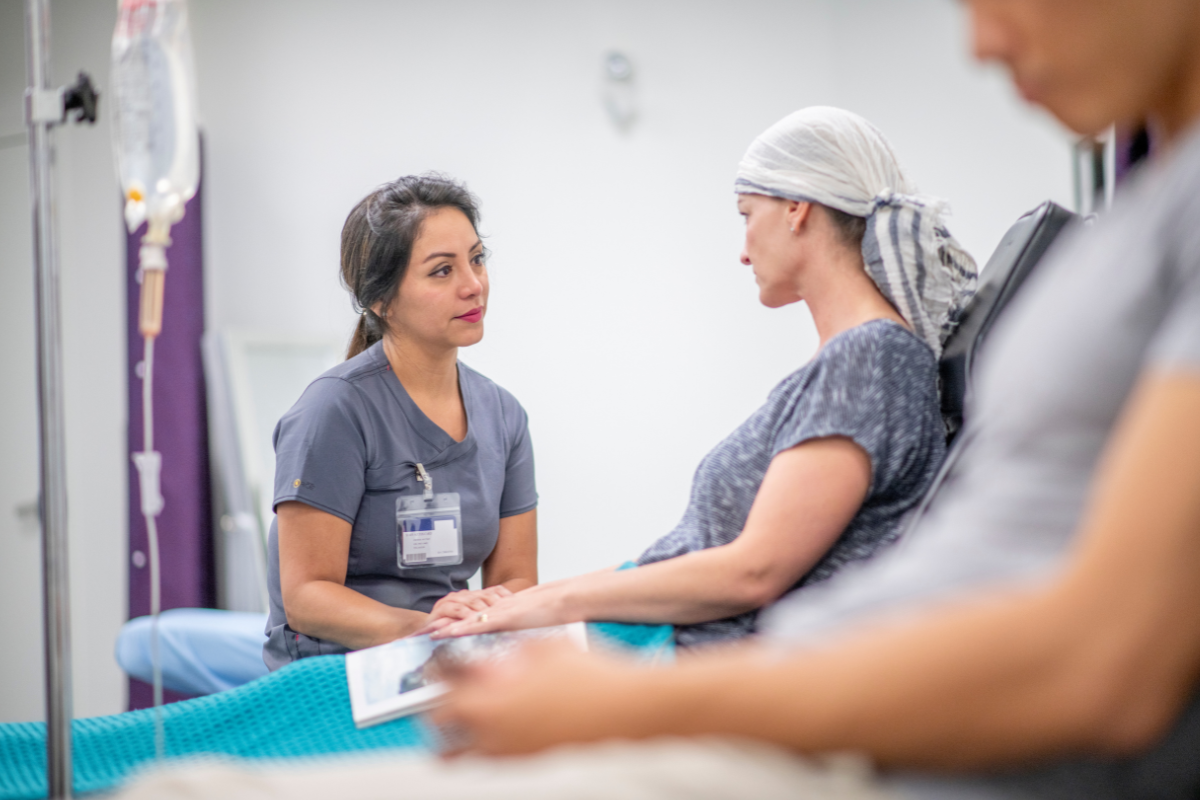
Statistical Overview of Cancer Distribution in Human Organs
The National Cancer Institute says a rare cancer affects fewer than 15 people per 100,000 each year. This means some cancers in certain organs are rare. This gives us clues about where cancer is more or less common.
Studies have found that the heart and brain are susceptible to cancer. This fits with the rare cancer definition. Knowing this helps us understand cancer better and find new ways to fight it.
Looking at where cancer happens most often helps scientists learn more. They can find out why some places have more cancer and find new ways to prevent it.
The Human Heart: An Organ Almost Immune to Cancer
Cancer in the heart is very rare. This makes the heart one of the most resistant organs to cancer. We will look at why the heart is so unlikely to get cancer.
Cardiac Tumours and Their Extreme Rarity
Cardiac tumours are very rare. Most of these tumours are not cancerous, with myxomas being the most common. Primary malignant cardiac tumors are very rare, making up a small part of all heart tumours.
Studies show that primary heart cancers are less than 0.1% of all cancers worldwide. This low number suggests the heart has natural defences against cancer.

Primary Heart Cancers: Understanding Angiosarcoma
Angiosarcoma is a rare but aggressive heart cancer. It starts in the cells lining blood vessels in the heart. Even though it’s rare, angiosarcoma is serious because it’s hard to treat.
- Angiosarcoma grows fast and spreads quickly.
- Its symptoms can be like other heart problems, making it hard to diagnose.
- Treatment usually includes surgery, chemotherapy, and radiation.
Protective Mechanisms of the Heart
The heart’s resistance to cancer comes from several protective factors. These include:
- Low cell turnover rate: The heart doesn’t divide cells much, which lowers the chance of cancer-causing mutations.
- Efficient DNA repair mechanisms: Heart cells are good at fixing DNA damage, which helps prevent cancer.
- Immune surveillance: The heart is watched over by the immune system, which helps find and remove cancer cells.
Learning about these defences can help us understand why the heart is so resistant to cancer. It might also help in finding ways to prevent and treat cancer in other parts of the body.
Other Organs With Cancer Resistance
Some organs in our body are less likely to get cancer. The heart is one, but others are too. Learning about these organs can help us understand cancer better and find new ways to treat it.
The Brain’s Surprising Cancer Resistance
The brain is complex and sensitive, yet it rarely gets cancer. Primary brain tumours are rare and hard to treat because of the brain’s delicate nature. Scientists are studying why the brain is resistant to cancer, looking at the blood-brain barrier and other defences.
Skeletal Muscle and Cancer Rarity
Skeletal muscle is also resistant to cancer. Muscle tissue has a special environment that helps it avoid cancer. Its high cell turnover and ability to keep things balanced are thought to be key to its resistance.
Additional Organs With Low Cancer Incidence
Other organs, like the heart, brain, and skeletal muscle, have low cancer rates. For example, the small intestine is exposed to many substances but rarely gets cancer. Learning why these organs resist cancer can help us find new treatments.
Studying these organs is not just interesting; it’s also promising for fighting cancer. By exploring these organs, scientists can find new ways to prevent or treat cancer. This could lead to better care for patients.
Common Organs With Cancer and Their Vulnerability Factors
Some organs rarely get cancer, but others are more likely to develop tumours. We’ll look at the most common cancers, how often they happen, and why they’re so common.
Prostate, Lung, and Colorectal Cancers: Understanding Their Prevalence
The American Cancer Society says prostate, lung, and colorectal cancers are very common. Prostate cancer is a big deal for men, making up 15% of male cancers. Lung cancer is a top cause of death, with 11% of new cancer cases.
Colorectal cancer affects both men and women, making up 8% of all new cancer diagnoses. These cancers are common because of how fast cells divide in these organs and because of environmental toxins.
Lung cancer is often linked to smoking. Colorectal cancer is connected to diet and genetics.
Environmental and Cellular Factors Increasing Risk
Many things increase the risk of cancer in certain organs. For example, smoking raises lung cancer risk. Eating too many processed foods and not enough fibre can lead to colorectal cancer.
How fast cells divide is also key. Organs like the colon and rectum, with faster cell turnover, are more likely to get cancer. This is because there’s a greater chance of genetic mistakes during cell division.
Knowing these factors helps us find ways to prevent and treat these cancers better.
Why Certain Organs Rarely Develop Cancer
Researchers are intrigued by why some organs rarely get cancer. They look at cell turnover rates and genetic defences. These factors help protect some organs from cancer.
Low Cell Turnover Rate as a Protective Factor
One reason some organs don’t get cancer is their slow cell division. Organs that divide cells less often have fewer chances for cancer-causing mutations. For example, the heart’s slow cell division helps it avoid cancer.
The American Heart Association says the heart’s low cancer rate is due to its slow cell division and other defences.
But it’s not just slow cell division. The heart’s strong repair mechanisms also help. Other organs, like parts of the brain and skeletal muscle, also have lower cancer rates because of their slow cell division.
Genetic and Molecular Defence Mechanisms
Genetic and molecular defences also protect some organs from cancer. These include good DNA repair, strong antioxidants, and tumour suppressor genes. For example, some organs have lots of antioxidants that fight off harmful free radicals, lowering cancer risk.
Research shows some organs have genetic programs that fight cancer. Tumour suppressor genes, for instance, help stop cells from growing too much. Learning about these defences can help us find new ways to prevent and treat cancer.
In summary, low cell division and strong genetic and molecular defences make some organs less likely to get cancer. By studying these, we can better understand cancer and find new treatments.
Medical Research and Implications of Cancer-Resistant Tissues
Medical researchers are studying organs that don’t get cancer to find new treatments. At LivHospital, we keep up with the latest studies and care guidelines. This helps us give our patients the best treatments.
Looking into cancer-resistant organs can teach us a lot. We can learn how to fight cancer in other parts of the body. This is key to finding new ways to treat cancer.
Studying Cancer-Resistant Organs for New Treatments
Studying organs that don’t get cancer can lead to new treatments. For example, learning how the heart stays cancer-free could help us find new cancer therapies. We’re working hard to find these new ways to help patients.
Researchers look at the genes and molecules that help these organs stay safe. This research could lead to new treatments that work like these natural defences.
Preventive Approaches Inspired by Cancer-Resistant Organs
We’re also looking into how to prevent cancer by studying resistant organs. By figuring out why some organs don’t get cancer, we can find ways to protect others. This includes looking at lifestyle and environmental factors.
At LivHospital, we’re all about top-notch healthcare for our international patients. We’re always learning from the latest research to give our patients the best care.
Conclusion
Learning why some organs rarely get cancer is key to understanding this disease. The heart is a great example of an organ that rarely gets cancer. Studying why this is might help us find new ways to treat cancer.
At LivHospital, we focus on top-notch cancer care and health prevention. By looking into organs like the heart, we can learn more about cancer resistance. This knowledge could lead to better ways to prevent and treat cancer.
The debate about which organ can’t get cancer is ongoing. But it’s clear that some organs, like the heart, are less likely to get cancer. Even though no organ is completely safe from cancer, learning about cancer resistance is important. It helps us find better ways to prevent and treat cancer.
We’re always working to understand cancer better at LivHospital. We’re committed to giving our patients the best care and support. We’re also looking for new ways to help those fighting this complex disease.
FAQ’s:
What is the only organ that cannot have cancer?
The human heart is often seen as an organ that rarely gets cancer. But it can happen. Primary heart cancers are very rare.
Why is cancer rare in the heart?
The heart’s low cell turnover rate and unique cellular structure help it fight cancer. Its genetic and molecular defences also play a role.
Are there other organs that are resistant to cancer, like the heart?
Yes, organs like the brain and skeletal muscle also rarely get cancer. But the reasons are complex and different.
What are the most common types of cancer, and why are they so prevalent?
Prostate, lung, and colorectal cancers are common. Their high rates are due to environmental factors, lifestyle, and cell characteristics.
Can studying cancer-resistant organs lead to new cancer treatments?
Yes, studying organs like the heart can give insights into cancer prevention. It could lead to new treatments and strategies.
What is the significance of understanding why certain organs rarely develop cancer?
Knowing why some organs rarely get cancer helps in finding new ways to prevent and treat cancer. This can improve patient care.
Is there ongoing research into cancer-resistant tissues at LivHospital?
LivHospital focuses on innovative healthcare, including cancer research. They might study cancer-resistant tissues to find better treatments.
What organ can’t get cancer?
No organ is completely safe from cancer, but the heart is very resistant. The idea of an “only organ that can’t get cancer” is theoretical. Cancer can happen in any organ, but at different rates.
References
- Ziccardi, M. R. (2023). Cardiac cancer. StatPearls.


