


Sickle Cell Disease (SCD) is a genetic disorder that changes the shape of red blood cells. This makes them break down easily. It can cause severe pain episodes, known as crises, which need quick medical help.
To treat sickle cell crisis in kids, we use several methods. We focus on controlling pain fast, keeping them hydrated, and using oxygen therapy. This helps tissues get more oxygen. It’s also important to manage infections, as they can make a crisis worse. We work hard to prevent serious problems, like acute chest syndrome.
Using proven treatments and new therapies helps kids with SCD a lot. Hospitals like LivHospital are leading the way in caring for these children. They offer all the support needed during treatment.
Key Takeaways
- Rapid pain control is key in managing a sickle cell crisis.
- Hydration and oxygen therapy are vital parts of treatment.
- Managing infections is important to prevent the crisis from worsening.
- Stopping complications is essential for better patient results.
- Proven treatments and new therapies make care more effective.
Understanding Sickle Cell Crisis in Children
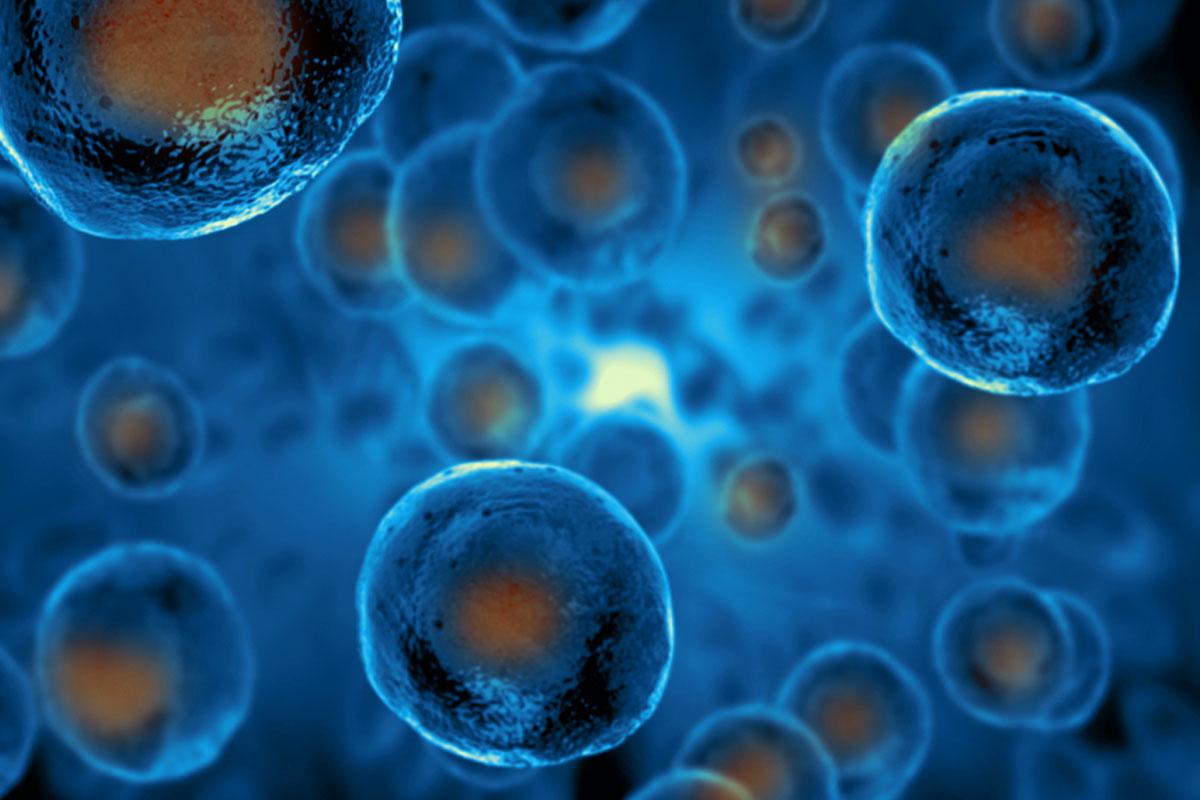
It’s important to understand sickle cell crisis to help kids with this condition. Sickle cell disease (SCD) is a genetic disorder that affects how red blood cells work. It makes them stiff and C-shaped, causing health problems like anemia and pain.
What Happens During a Sickle Cell Crisis
When a child has a sickle cell crisis, they feel severe pain. This pain happens because sickled red blood cells block blood vessels. This blockage is a big problem and can cause a lot of suffering.
Key symptoms of a sickle cell crisis include severe pain, often in the back, chest, or limbs. Other complications, like acute chest syndrome or splenic sequestration, can also happen. Knowing what is sickle cell disease and its symptoms is key to early treatment.
Common Triggers in Pediatric Patients
Many things can set off a sickle cell crisis in kids. Dehydration, extreme temperatures, infections, and stress are common triggers. Knowing these can help prevent and manage crises.
- Dehydration: Not drinking enough water can lead to dehydration, raising the risk of a crisis.
- Extreme Temperatures: Both very hot and very cold can trigger a crisis.
- Infections: Kids with SCD are more likely to get sick, which can lead to a crisis.
- Stress: Physical or emotional stress can also cause a crisis.
Understanding sickle cell disease traits and knowing these triggers helps prevent and manage crises. By being proactive, we can make life better for kids with SCD.
Immediate Pain Management Strategies
Children with sickle cell crisis need quick pain relief. Effective pain management is key to their comfort and recovery. We will explore strategies healthcare providers use to help manage pain in sickle cell disease.
Medication Options for Pain Control
Medications are vital in managing pain during a sickle cell crisis. Opioids are often used because they work well for severe pain. But their use must be watched closely to avoid side effects and addiction.
Other options include non-opioid analgesics. These can be used alone or with opioids. The right choice depends on the severity and the child’s health history.
Non-Pharmacological Pain Relief Approaches
Non-medication methods also play a big role in pain management. Hydration is key because it improves blood flow and lowers sickled red blood cells. Encouraging kids to drink more is a simple yet effective way.
Other non-medication methods include relaxation techniques like deep breathing. Also, alternative therapies like acupuncture or cognitive behavioural therapy can help reduce stress and pain.

Managing pain effectively involves using both medication and non-medication strategies. This approach allows healthcare providers to give personalized care that meets each child’s unique needs.
Hydration and Fluid Therapy Protocols
Keeping patients hydrated is key when they’re in a sickle cell crisis. Drinking enough water stops red blood cells from sickling. This is important for keeping blood flowing well.
We stress the need for hydration because it affects how bad the crisis is. Not drinking enough can make the sickling worse. This can lead to more pain and serious problems.
Importance of Proper Hydration
Drinking the right amount of water is very important for sickle cell disease. It lowers the amount of hemoglobin S in the blood. This makes sickling less likely. We tell patients to drink lots of fluids, mainly when they’re in a crisis, to keep blood flowing and avoid more issues.
Studies show that staying hydrated is key to managing sickle cell anemia. Drinking enough water is a simple but effective way to prevent and handle crises.
Intravenous Fluid Administration Guidelines
When a sickle cell crisis is very bad, giving fluids through an IV is often needed. We have specific rules for picking the right fluids and how much to give.
- The type of IV fluid depends on the patient’s health and how dehydrated they are.
- Isotonic fluids are usually used to help get blood volume back and keep hydration.
- We watch how fast the fluids are given to avoid giving too much. This can cause other problems.
By knowing how important hydration is and following the right guidelines for fluids, we can better handle sickle cell crises in kids. This helps improve their health outcomes.
Oxygen Therapy and Respiratory Support for Sickle Cell Patients
Managing sickle cell disease well includes using oxygen therapy. It helps with breathing problems. Oxygen therapy is key for treating acute chest syndrome and other breathing issues linked to sickle cell disease.
When Supplemental Oxygen Is Needed
Patients need supplemental oxygen when they show signs of low oxygen or acute chest syndrome. Acute chest syndrome is a serious problem. It causes chest pain, fever, and trouble breathing. We use oxygen to boost blood oxygen levels, easing these symptoms.
Monitoring Oxygen Saturation Levels
It’s important to keep an eye on oxygen levels in the blood. We use pulse oximetry to check oxygen saturation. This method lets us adjust oxygen therapy to keep oxygen levels right.
Oxygen saturation monitoring helps us customize treatment for each patient. This ensures they get the right amount of oxygen.
Managing Infections in Children with Sickle Cell Disease
Children with SCD face a higher risk of infections. This makes it key to have good management plans. Infections can lead to serious problems, like a sickle cell crisis. We’ll talk about how to prevent infections and treat them quickly.
Preventive Antibiotic Strategies
Using antibiotics like penicillin is very important for kids with sickle cell disease traits. Research shows that penicillin helps a lot in preventing infections. Studies have found that it lowers the risk of sickness in these kids.
Treating Acute Infections During Crisis
It’s vital to treat infections fast when a sickle cell crisis happens. We need to find out where the infection is and give the right antibiotics. Keeping an eye on the child and changing the treatment if needed is also important.
Long-Term Treatment and Prevention Options
Children with SCD need long-term treatment and prevention to lessen sickle cell crises. This involves various treatments like medicine, blood transfusions, and new therapies.
Hydroxyurea Therapy Benefits and Guidelines
Hydroxyurea is a medicine that helps reduce pain crises and hospital stays in kids with SCD. It boosts fetal hemoglobin production, lowering sickled red blood cells. This reduces the risk of serious problems.
Using hydroxyurea can lead to fewer pain episodes, less hospital time, and a better quality of life. But it’s important to watch for side effects and adjust doses as needed.
Blood Transfusion Protocols
Blood transfusions are key for managing SCD, mainly for those at stroke risk or with severe anemia. They can lower stroke risk by reducing sickled red blood cells. We follow strict blood transfusion protocols to avoid complications.
Stroke Prevention and Screening
SCD increases stroke risk, so regular screening is vital. Transcranial Doppler (TCD) ultrasound is a safe test to spot high-risk kids. We suggest starting TCD screenings at age 2.
Emerging Gene Therapies and Curative Approaches
Gene therapy is a new hope for SCD treatment, aiming for a cure. It changes or replaces the faulty HBB gene to fix hemoglobin production. Though early, gene therapy shows great promise in trials.
As research grows, gene therapy could become a major treatment for SCD. It might even offer a cure for this serious disease.
Conclusion: Multidisciplinary Approach to Pediatric Sickle Cell Care
Managing sickle cell disease (SCD) in kids needs a team effort. Doctors from different fields work together to help. This team includes pediatricians and hematologists.
They focus on quick pain relief, keeping kids hydrated, and using oxygen. They also manage infections and plan for the future. Knowing about sickle cell anemia helps doctors give the best care. This way, kids with SCD can live better lives.
Having a team approach helps kids with SCD get all the support they need. We keep working to find new ways to help these kids. This is important for better care in the future.
FAQ’s:
What is sickle cell disease?
Sickle cell disease (SCD) is a genetic disorder. It affects how red blood cells make hemoglobin. This makes the cells misshapen and can block blood vessels, causing health problems.
What triggers a sickle cell crisis in children?
Dehydration, extreme temperatures, and infections can trigger a crisis. These factors cause red blood cells to sickle.
How is pain managed during a sickle cell crisis?
Pain management uses medicines like opioids. It also includes hydration, relaxation, and alternative therapies.
Why is hydration important in managing sickle cell disease?
Hydration stops red blood cells from sickling. It keeps blood flowing well, reducing complications.
What is the role of oxygen therapy in sickle cell disease?
Oxygen therapy helps with breathing problems like acute chest syndrome. It provides extra oxygen and checks oxygen levels.
How are infections managed in children with SCD?
Preventive antibiotics and penicillin prophylaxis are used. Acute infections are treated quickly during crises.
What are the long-term treatment options for SCD?
Long-term management includes hydroxyurea therapy and blood transfusions. Gene therapies are also being explored to reduce crisis frequency and improve life quality.
What is hydroxyurea therapy, and how does it benefit SCD patients?
Hydroxyurea therapy is a medication. It can lower the number of painful crises and reduce other SCD complications.
What is the significance of blood transfusions in SCD management?
Blood transfusions reduce sickling risk. They are used for severe anemia and to prevent stroke.
Are there any new treatments available for SCD?
Yes, new gene therapies and curative approaches are being developed. They offer hope for treating and potentially curing SCD.
References
- American Society of Hematology. (2020). Guideline on Sickle Cell Disease: Management of Acute and Chronic Pain. Retrieved from https://www.hematology.org/guidelines/sickle-cell-disease
- National Heart, Lung, and Blood Institute. (2022). Living with Sickle Cell Disease. Retrieved from https://www.nhlbi.nih.gov/health/sickle-cell-disease/living-with
- Centers for Disease Control and Prevention. (2024). Sickle Cell Disease (SCD). Retrieved from https://www.cdc.gov/ncbddd/sicklecell/index.html
- U.S. National Library of Medicine. (2023). Acute Pain Management in Pediatric Sickle Cell Crisis. Pediatric Emergency Care, 39(1), 1-8. https://www.ncbi.nlm.nih.gov/pmc/articles/PMC10303862/
- The American Academy of Pediatrics. (2021). Clinical Practice Guideline for Sickle Cell Disease. Pediatrics, 147(S1), S1-S48. Retrieved from https://publications.aap.org/pediatrics/article/147/Supplement_1/e20172605/181650/Clinical-Practice-Guideline-for-Sickle-Cell-Disease


