Having bladder surgery can be scary. Knowing how long you’ll stay in the hospital can help ease your worries. At Liv Hospital, we focus on giving our international patients the best care and advice.
The time you’ll spend in the hospital after bladder surgery depends on a few things. This includes the surgery type and your health.
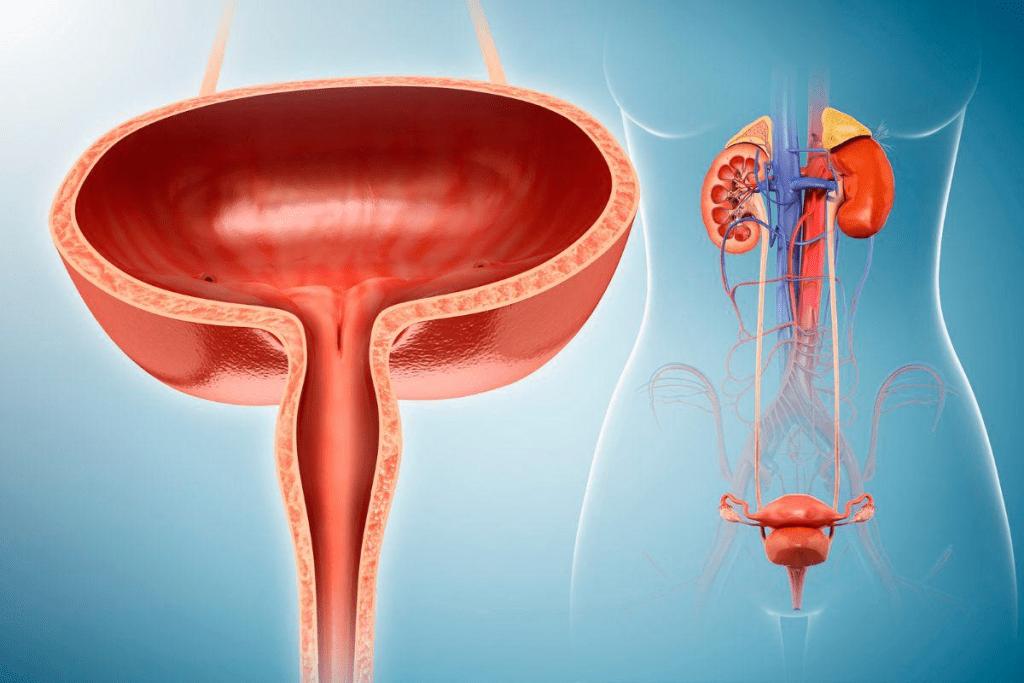
We know every patient is different. Your hospital stay could be a few days, a week, or even longer. This depends on how complex your surgery is and the care you need.How long are you in the hospital after a cystectomy? Learn the vital facts about your hospital stay duration after major bladder surgery.
Key Takeaways
- The hospital stay after bladder surgery varies based on the type of surgery and the patient’s overall health.
- Minimally invasive procedures typically require shorter hospital stays.
- Open cystectomy may require a longer hospital stay, potentially up to a week.
- Comprehensive care and guidance are key to a smooth recovery.
- Individual patient factors can influence the duration of hospital stay.
Types of Bladder Surgery and Their Recovery Timelines
The type of bladder surgery greatly affects how long a patient stays in the hospital. Bladder surgery treats many conditions, like bladder cancer and urinary disorders. Each surgery is designed for a specific issue.
Knowing about each surgery type helps patients and their families get ready for recovery.
Radical Cystectomy: Complete Bladder Removal
Radical cystectomy is a big surgery for bladder cancer. It removes the whole bladder. Patients usually stay in the hospital for 7 to 10 days because it’s complex and needs careful watching after.
The time it takes to recover from radical cystectomy depends on the patient’s health and any complications.
Partial Cystectomy: Shorter Hospital Stays
Partial cystectomy is for when only part of the bladder is affected. It’s less invasive than radical cystectomy. This means patients might stay in the hospital for less time, as it’s less complex.
But how long it takes to recover can change based on the surgery’s extent and the patient’s health.
Transurethral Resection of Bladder Tumor (TURBT)
TURBT is a minimally invasive procedure for bladder tumors. It removes the tumor through the urethra, without cuts. TURBT usually means a quick hospital stay, often just a few hours or a day.
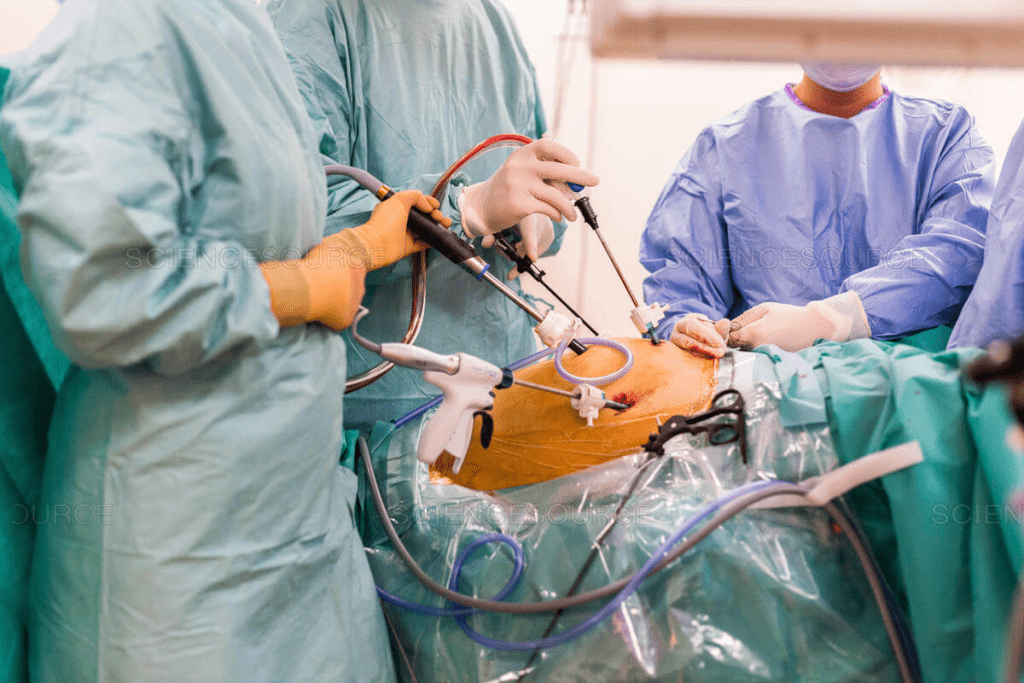
TURBT’s minimally invasive nature leads to quicker recovery and less pain after surgery.
Radical Cystectomy: Expected Hospital Stay Duration
Patients having a radical cystectomy usually stay in the hospital for a week to 10 days. This time can change based on their health and if any complications happen.
Typical 7-10 Day Timeline for Traditional Approaches
For traditional radical cystectomy surgeries, the hospital stay is usually 7 to 10 days. This time, let’s doctors watch the patient closely. They manage pain and handle any immediate problems.
Key aspects of the recovery process during this period include:
- Managing post-operative pain through a combination of medications and other pain management techniques
- Monitoring for signs of complications, such as infection or issues related to the urinary diversion
- Educating patients on how to care for their new urinary diversion, whether it’s an ileal conduit or another type of diversion
Day-by-Day Recovery Progression
The recovery after radical cystectomy gets better each day. Here’s what to expect:
- Days 1-2: Focus on pain management and initial recovery from the surgery. Patients are encouraged to mobilize to prevent complications like deep vein thrombosis.
- Days 3-5: Patients begin to regain strength, and healthcare providers start teaching them about caring for their urinary diversion.
- Days 6-10: Discharge planning intensifies as patients demonstrate their ability to manage their care. The healthcare team assesses their readiness for discharge based on their overall health, pain management, and ability to perform daily tasks.
When Complications Extend Your Hospital Stay
While most stay 7-10 days, complications can make the stay longer. Issues like infections, problems with the urinary diversion, and heart problems can happen. Enhanced recovery protocols help by improving health before surgery, making surgery smoother, and providing better care after.
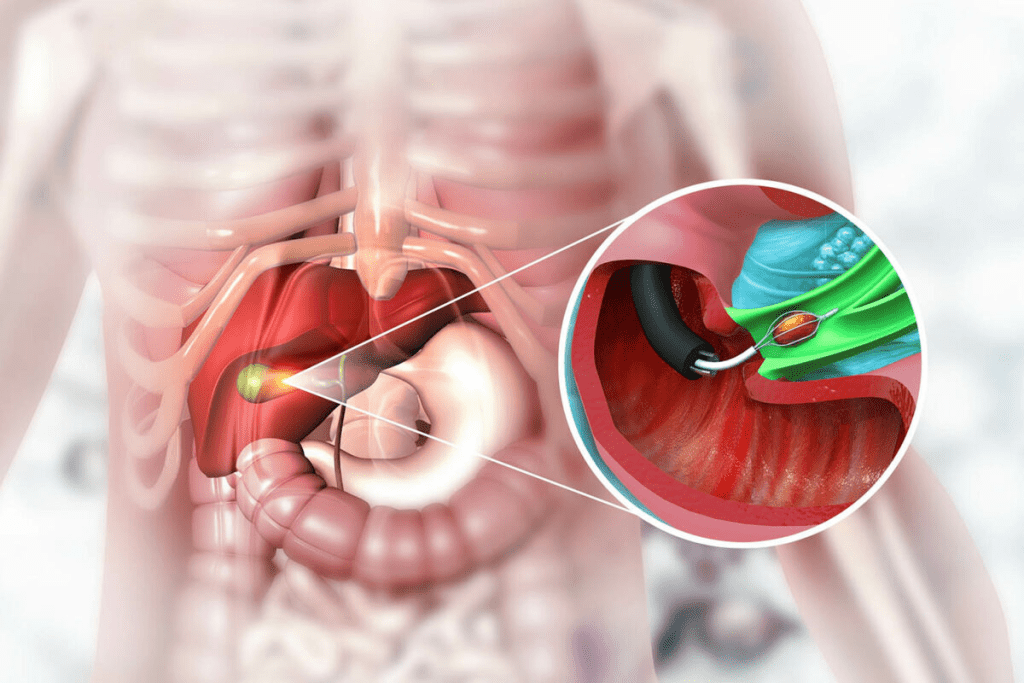
Knowing what can affect your stay and possible complications helps prepare for recovery after radical cystectomy.
How Surgical Techniques Impact Hospital Stay Length
The type of surgery you have affects how long you’ll stay in the hospital. Different surgeries are more or less invasive. This means they affect how quickly you can recover and go home.
Open Surgery: Traditional Recovery Timeline
Open surgery is more invasive and takes longer to recover from. It involves a big incision, causing more damage and a longer healing time. Patients usually stay in the hospital for 7 to 10 days, depending on their recovery and any complications.
Doctors say open surgery needs more time in the hospital because of the need to watch for pain and complications. “Open surgery is more invasive, so it takes longer to recover,” a leading urologist explained.
Robotic-Assisted Surgery: Faster Discharge Possible
Robotic-assisted surgery is less invasive and can lead to faster recovery. It uses a robotic system for precise surgery with smaller incisions. Studies show it can shorten hospital stays compared to open surgery. Patients might go home in 5 to 7 days, thanks to less pain and fewer complications.
Robotic-assisted surgery’s precision and minimal invasiveness make it a fast discharge option. Smaller incisions mean less pain and fewer complications. This helps patients recover faster.
Laparoscopic Approaches and Recovery Advantages
Laparoscopic surgery is also minimally invasive and offers recovery benefits. It uses small incisions and a laparoscope for surgery. This method can lead to shorter hospital stays and quicker recovery times than open surgery. While the exact stay can vary, laparoscopic surgery generally means a faster return home.
Laparoscopic and robotic-assisted surgeries are changing urology by reducing recovery times and hospital stays. As technology advances, we’ll see even better surgical techniques and outcomes.
Enhanced Recovery After Surgery (ERAS) Programs
Enhanced Recovery After Surgery (ERAS) programs have changed how we care for patients after surgery. These programs aim to improve patient outcomes and shorten hospital stays. They use evidence-based practices from start to finish.
Reducing Hospital Stays by 1.9 Days
Research shows ERAS programs can cut hospital stays by about 1.9 days. This doesn’t lead to more complications or readmissions. The approach includes pre-surgery prep, standard surgery methods, and post-surgery care.
ERAS programs make recovery faster and better. For example, preoperative counseling and nutritional optimization get patients ready for surgery. Early mobilization and effective pain management are key in post-surgery care.
Pre-Surgery Preparation to Accelerate Recovery
Getting ready for surgery is a big part of ERAS programs. Teaching patients about recovery helps lower anxiety and boosts their ability to follow instructions. Also, good nutrition before surgery helps patients be ready for their surgery.
- Preoperative counseling to manage expectations and reduce anxiety
- Nutritional optimization to improve overall health before surgery
- Preoperative carbohydrate loading to reduce insulin resistance
Post-Surgery ERAS Elements That Speed Discharge
Post-surgery care is vital in ERAS programs. Early movement, good pain control, and quick removal of catheters help patients leave the hospital sooner.
“ERAS programs have been shown to reduce hospital stays and improve patient outcomes by implementing a complete approach to perioperative care.”
Some important post-surgery ERAS elements include:
- Early mobilization to prevent complications and promote recovery
- Effective pain management to minimize discomfort and reduce the need for opioids
- Early removal of urinary catheters to reduce the risk of urinary tract infections
Patient Risk Factors That Extend Hospital Stays
It’s key to know what risks patients face after bladder surgery. Some factors can make recovery harder, leading to longer stays in the hospital.
Age-Related Considerations for Recovery
Older patients usually take longer to recover. This is because they have less energy and weaker immune systems. Age-related considerations are very important for bladder surgery patients. We need to make sure older patients get the right care to help them recover well.
Impact of Chronic Health Conditions
Patients with chronic health conditions like diabetes or heart disease face tougher recoveries. These conditions can slow down healing, raise infection risks, and keep patients in the hospital longer. A study onPMC shows managing these conditions is key to shortening recovery times.
- Diabetes can slow down healing and increase infection risk.
- Heart disease may cause heart problems during recovery.
- Other chronic conditions can also make recovery harder.
Care Assessment Need Score and Predicting Stay Length
The Care Assessment Need score helps predict if a patient might stay in the hospital longer. It looks at the patient’s risk factors. This way, doctors can prepare for any issues and give better care.
Understanding and tackling patient risk factors can help improve recovery and shorten hospital stays. This approach helps us give better care and support to our patients as they get better.
Urinary Diversion Types and Their Recovery Implications
It’s important for patients to know about the different urinary diversion types before bladder removal surgery. The choice of urinary diversion can affect how long you stay in the hospital and your life after surgery.
Ileal Conduit Urinary Diversion Recovery Timeline
Ileal conduit urinary diversion is a common method after bladder removal. It makes a new path for urine using a part of the intestine. Patients usually stay in the hospital for 7-10 days to watch for any issues and learn about their urostomy.
Recovery includes:
- Learning to manage the urostomy bag and keep it clean
- Watching for signs of infection or other problems
- Slowly getting back to normal activities
Neobladder Reconstruction: Extended Monitoring Needs
Neobladder reconstruction is a more complex surgery. It makes a new bladder from the intestine, allowing for natural urination. But it needs extended monitoring to make sure the new bladder works right.
The recovery time for neobladder reconstruction is longer. It often includes:
- An initial hospital stay of 10-14 days
- Regular follow-ups to check on the bladder
- Maybe more treatments to handle any issues
Continent Urinary Diversions
Continent urinary diversions, like the continent urinary reservoir, are another choice. These surgeries create a reservoir for urine that can be drained through a stoma. Recovery means learning to catheterize the stoma regularly and managing infection risks.
Every urinary diversion type has its own recovery needs. Knowing these differences helps patients prepare for bladder surgery. Talking with their healthcare provider helps patients make the best choice for their care.
Conclusion: Preparing for Your Bladder Surgery Hospital Stay
Getting ready for bladder surgery means knowing what to expect. At Liv Hospital, we help our international patients understand their care. Our team focuses on top-notch healthcare and making sure you feel supported.
Knowing how long you’ll stay in the hospital and how to recover is key. We use ERAS programs and robotic surgery to help you heal fast. We guide you through the recovery and offer support every step of the way.
We’re here to help international patients have a smooth surgery experience. With our help, you can feel confident about your hospital stay and recovery.
FAQ
What is the typical hospital stay after bladder removal surgery?
After a radical cystectomy, which removes the bladder, patients usually stay in the hospital for 7-10 days. New recovery methods can shorten this time.
How does the type of urinary diversion affect recovery?
The recovery time after bladder removal surgery depends on the urinary diversion method. Options include ileal conduit, neobladder reconstruction, and continent urinary reservoir. Each has its own recovery pace and effects.
What is the difference between open surgery and robotic-assisted surgery in terms of hospital stay?
Open surgery is more invasive and takes longer to recover from. It usually means a longer hospital stay. Robotic-assisted surgery, on the other hand, is less invasive and can shorten hospital stays.
How do Enhanced Recovery After Surgery (ERAS) programs impact hospital stays?
ERAS programs aim to improve patient outcomes and reduce hospital stays. They use evidence-based practices to enhance recovery. This can cut hospital stays by about 1.9 days.
Can patient risk factors influence the length of hospital stay after bladder surgery?
Yes, patient risk factors like age and chronic health conditions can affect hospital stay after bladder surgery. Healthcare providers can tailor care based on these factors.
What is the expected recovery timeline for TURBT?
TURBT, a minimally invasive procedure for bladder tumors, usually requires a short hospital stay. It’s often just a few hours to a day.
How does partial cystectomy compare to radical cystectomy in terms of hospital stay?
Partial cystectomy, where part of the bladder is removed, may have shorter hospital stays. Radical cystectomy, which removes the whole bladder, takes longer.
What is a urinary diversion, and why is it necessary after bladder removal?
Urinary diversion is a surgery that redirects urine flow after bladder removal. It’s needed to manage urine flow.
Can I live a normal life after bladder removal surgery?
Bladder removal surgery requires big lifestyle changes. But many patients adapt well and live fulfilling lives with proper care and urinary diversion.
References
Kuo, Y. C., et al. (2023). Does a time threshold exist for bladder repair after which surgical outcomes worsen? The Journal of Trauma and Acute Care Surgery, 95(5), 849-855.https://pubmed.ncbi.nlm.nih.gov/36759210/