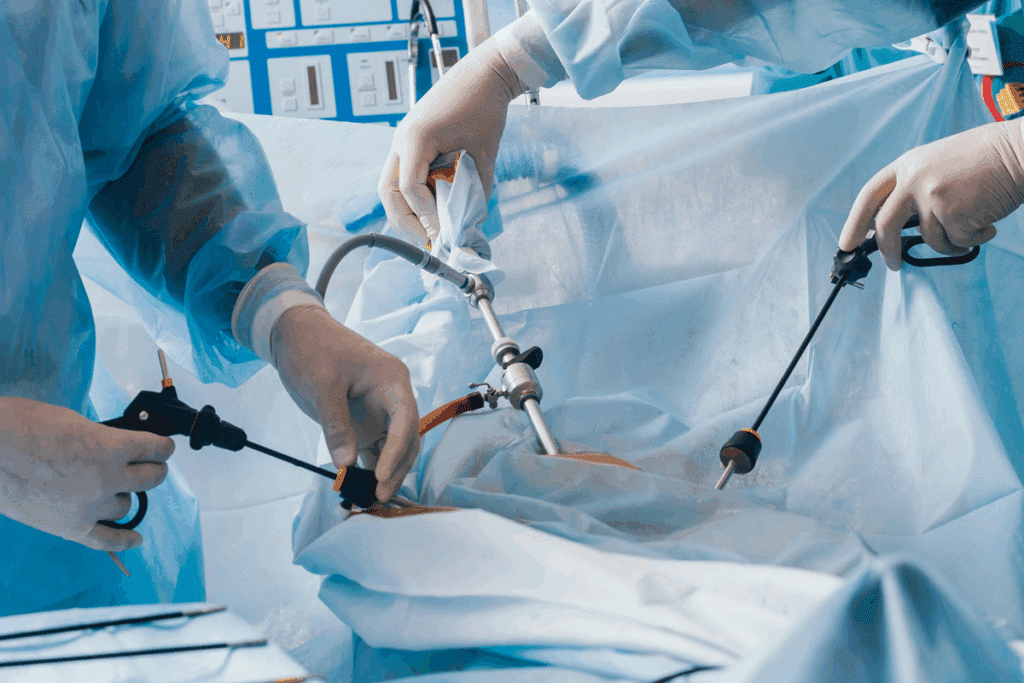
Laparoscopic surgery has changed the game in medicine. It’s a way to do surgery that’s less invasive. This means patients feel less pain and heal faster. Surprisingly, this technique is not limited to adults; it’s also used on kids.medical residencyMost Competitive Medical Specialties: Residency
This method is becoming more popular for many surgeries. It’s because it works well for different needs.
Many people wonder if laparoscopic surgery is right for all ages. As technology gets better, it’s being used more in kids and older adults too. This shows how flexible and useful laparoscopy is.
Key Takeaways
- Laparoscopic surgery is a versatile technique applicable to a wide range of patients.
- The benefits include less pain and quicker recovery times.
- Concerns about age suitability are common but are being addressed with advancing medical technology.
- Laparoscopy is used effectively in both pediatric and adult populations.
- The technique is expanding across different age groups.
Understanding Laparoscopic Surgery
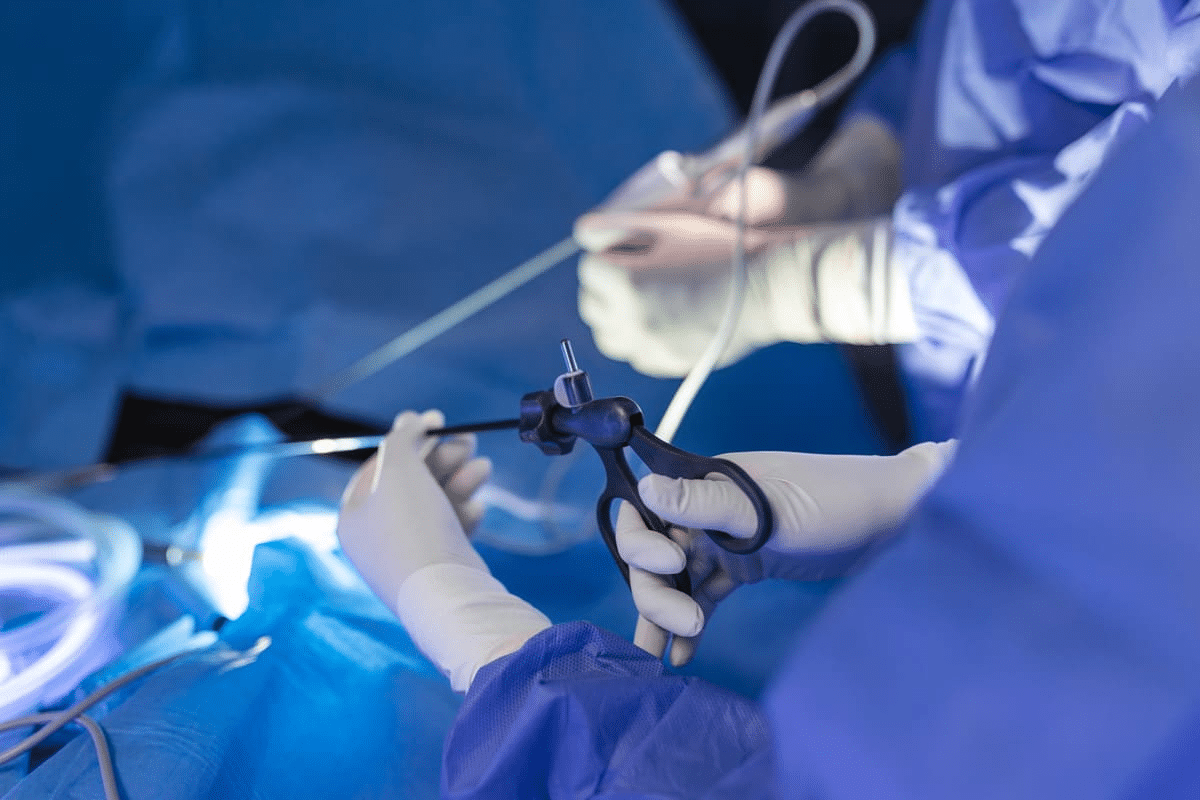
Laparoscopic surgery is a new way to do surgery that’s less invasive than old methods. It uses small cuts to put in a camera and tools to do the surgery.
Definition and Overview
Laparoscopic surgery, or minimally invasive surgery, makes small cuts instead of big ones. This means less damage and faster healing. It uses the latest technology to help patients get better faster.
Benefits of Laparoscopic Procedures
Laparoscopic surgery has many benefits. It causes less pain after surgery and fewer complications. It also means a quicker recovery than old surgery methods.
It also leaves less scarring, which looks better. Plus, patients can get back to their lives faster. This is great for people with busy lives.
Common Conditions Treated
Laparoscopic surgery can fix many health problems. It’s good for gallstones, hernias, and some cancers. It’s precise and doesn’t hurt the body much.
It can also fix appendicitis, some gynecology issues, and some stomach problems. Laparoscopic surgery is getting better at treating more conditions. It gives hope to people who couldn’t have surgery before.
Age Considerations in Surgery
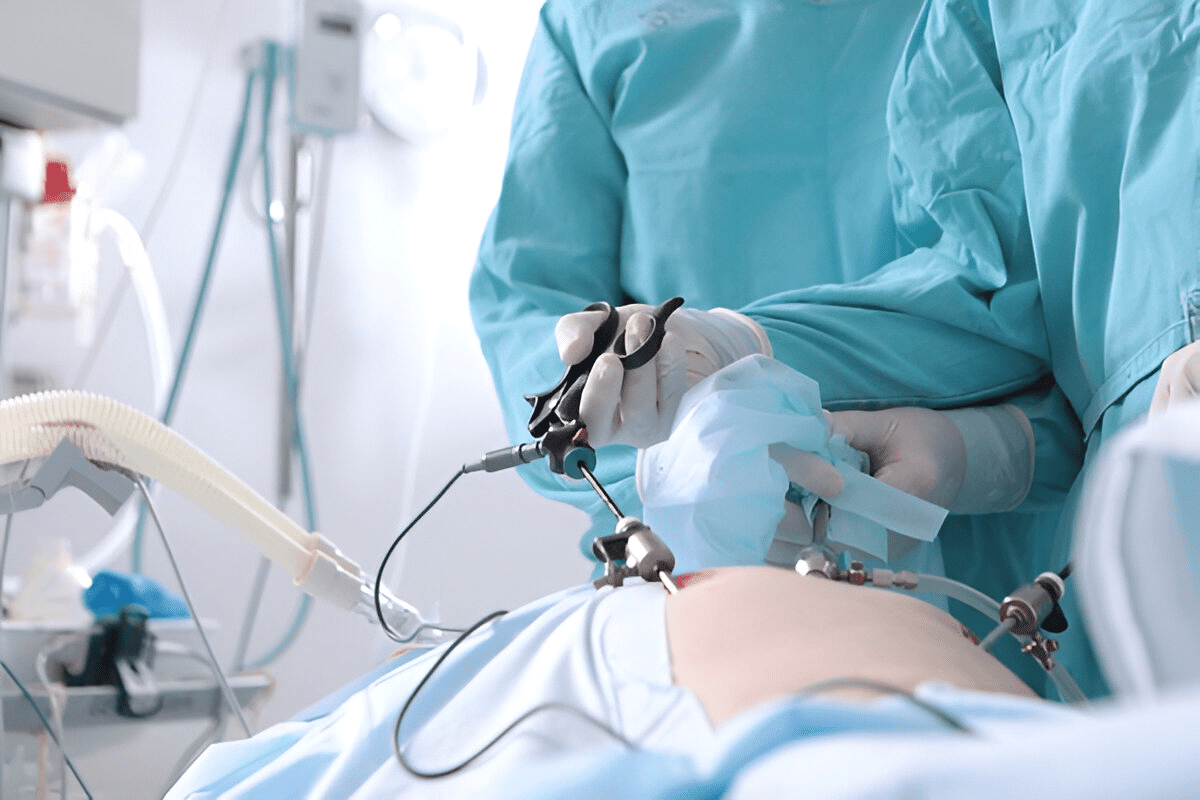
Age is a big factor in the risks of surgery, including laparoscopy. As we get older, our bodies change in ways that can affect our health and how well we do after surgery. So, it’s very important to look at a patient’s age and health before surgery.
General Age Guidelines for Surgery
Age is important, but it’s not the only thing we look at for laparoscopic surgery. General age guidelines say that people of any age can have laparoscopic surgery. But, we decide on a case-by-case basis, looking at each patient’s health and risks.
How Age Affects Surgical Risk
Older patients often face higher risks during surgery because of health problems like heart disease or diabetes. Age can make it harder for the body to heal after surgery. So, we carefully check a patient’s health before surgery.
Special Considerations for the Elderly
Elderly patients need special considerations for laparoscopic surgery. We look at their health, any health problems they have, and how well they can handle surgery. We also talk about the benefits and risks with the patient and their family to help them make a good choice.
By carefully looking at a patient’s age and health, we can lower the risks of surgery. This helps us get the best results for our patients.
Laparoscopic Surgery for Children
Laparoscopic surgery is becoming more common in kids. It’s safer than old-school open surgery. Kids get smaller cuts, feel less pain, and heal faster.
Eligibility Criteria for Pediatric Patients
Choosing laparoscopic surgery for kids depends on their health and the surgery needed. Pediatric laparoscopic surgery is safe for many ages, even babies.
We look at each child’s needs carefully. Kids with certain birth defects or issues like appendicitis often do well with this surgery.
Common Procedures in Pediatric Surgery
Laparoscopic surgery helps with many kid’s surgeries. Here are some examples:
- Appendectomy for appendicitis
- Repair of congenital anomalies
- Gastrostomy tube placement
- Diagnostic laparoscopy for conditions like abdominal pain or undescended testes
A study in the Journal of Pediatric Surgery shows laparoscopy is getting more popular. It leads to fewer problems and better results.
“The use of laparoscopy in pediatric surgery has revolutionized the way we treat various conditions, providing a minimally invasive alternative that reduces recovery time and scarring.”
— Pediatric Surgeon
Laparoscopic surgery in kids has many benefits. A study comparing it to traditional surgery shows:
|
Procedure |
Laparoscopic Surgery Benefits |
Traditional Open Surgery |
|---|---|---|
|
Appendectomy |
Less postoperative pain, quicker recovery |
More postoperative pain, longer recovery |
|
Congenital Anomaly Repair |
Smaller incisions, less scarring |
Larger incisions, more scarring |
|
Gastrostomy Tube Placement |
Minimally invasive, reduced risk of complications |
More invasive, higher risk of complications |
In conclusion, pediatric laparoscopic surgery is a great option for kids. It’s better than traditional surgery in many ways. As technology gets better, we’ll see even more benefits for our young patients.
Laparoscopic Surgery for Adults
Laparoscopic surgery for adults depends on several factors. These include the patient’s health and the type of surgery needed. It’s key to understand what makes this surgery suitable for adults.
Safe Age Range for Adults
Laparoscopic surgery is safe for many adults. But, it’s not just about age. Adults from their 20s to 60s and older can have this surgery if they’re healthy enough.
A 70-year-old with few health problems might be a good candidate. But, a younger adult with serious health issues might face more risks.
Factors Influencing Surgical Decisions
Many things decide if an adult can have laparoscopic surgery. These include:
- The patient’s overall health and any other health problems.
- The type of surgery and how complex it is.
- The patient’s past surgeries and any complications.
- The surgeon’s skill and preference for laparoscopic methods.
We look at each case carefully to choose the best surgery for adults. This way, we can reduce risks and improve results for those having laparoscopic surgery.
Senior Patients and Laparoscopic Surgery
Laparoscopic surgery for seniors needs a deep understanding of their health. As people get older, their health can change a lot. This affects if they can have surgery.
Evaluating Health Status in Seniors
Checking a senior’s health before surgery is key. We look at their medical history, current health, and how well they can move. We check for chronic diseases, heart health, and breathing ability.
This helps us spot risks and prepare for them.
Types of Surgeries Commonly Performed
Seniors can have different surgeries, based on their health and the surgery needed. These include removing the gallbladder, fixing hernias, and some colon surgeries. Each case is looked at carefully to see if laparoscopic surgery is right.
Potential Risks and Complications by Age
Laparoscopic surgery has risks and complications that change with age. It’s important to know these risks and how age affects them.
Age-related Risks in Laparoscopic Surgery
Older adults face higher risks during laparoscopic surgery. This is because they have less physical strength, more health problems, and weaker immune systems. They might experience heart issues, breathing problems, and take longer to recover.
Younger patients usually have fewer health problems and recover faster. But, they can also face complications.
By carefully checking patients’ health before surgery, we can lower risks. For example, controlling blood pressure and diabetes can help a lot.
Managing Complications Based on Age
Dealing with complications in laparoscopic surgery needs a plan based on the patient’s age and health. For older patients, we watch closely for heart and breathing issues. We also help them recover faster with early movement and good nutrition.
Younger patients focus on less pain and quick recovery. This helps them get back to their normal life sooner.
- For older adults, careful preoperative assessment is key to identifying age-related risks.
- Younger patients benefit from minimally invasive techniques that reduce recovery time.
- Age-appropriate postoperative care plans are critical for managing complications effectively.
Understanding the age-related risks and complications of laparoscopic surgery helps doctors improve patient outcomes. This is true for all ages.
Pre-operative Assessments and Age
Before laparoscopic surgery, a detailed check-up is key to reduce risks, more so for older people. Age plays a big role in how well someone does with surgery.
Importance of a Thorough Check-up
A detailed check-up before surgery is vital. We look at the patient’s health, past medical issues, and current medicines. This ensures they’re ready for the surgery.
This step helps avoid problems and boosts success rates. Knowing the patient’s health well, we can plan the surgery just right for them.
Tests Recommended for Older Adults
Older adults might need extra tests before surgery. These could be:
- Cardiac evaluations to check the heart’s health and spot risks.
- Pulmonary function tests to see how well the lungs work.
- Blood work and other lab tests to find any health issues that might affect surgery or recovery.
These tests help us understand the patient’s health better. This way, we can make the best care choices for them.
Insurance Coverage and Age Limits
Insurance for laparoscopic surgery changes a lot with age. It’s key to know how insurance works for this surgery.
Insurance Policies on Age Restrictions
Insurance rules on age for laparoscopic surgery differ a lot. Each insurance company has its own rules, so it’s important to check your policy.
Some plans might not cover surgery for older people. Others might look at your health more than your age. Talking to your doctor about your insurance is a must to know about age limits.
Navigating Coverage for Senior Patients
Getting insurance for seniors can be tough. It’s best to work with your insurance and doctor to figure things out.
Seniors need to share their health info with their insurance. Knowing how to appeal if denied is also important.
The Role of the Surgical Team
The success of laparoscopic surgery depends a lot on the surgical team’s skill. A well-coordinated team is key to reducing risks and getting the best results. We will talk about how an experienced team ensures patient safety during laparoscopic surgery.
Importance of Experienced Surgeons
Experienced surgeons are vital in the operating room. They have the knowledge and skill needed for laparoscopic procedures. Their experience helps them handle surgery’s complexities, manage complications, and make quick decisions.
Having seasoned surgeons improves patient safety and outcomes. Some benefits include:
- Improved precision and dexterity during surgery
- Better management of complications
- Enhanced patient safety through careful pre- and post-operative care
Team Approach to Patient Safety
A team effort is essential for patient safety in laparoscopic surgery. We stress the importance of a collaborative environment. Every team member, from surgeons to nurses and anesthesiologists, must work together smoothly.
“The harmony and coordination among the surgical team members are just as important as the technical skills of the surgeons.”
— Expert Opinion
To achieve this harmony, we:
- Hold thorough pre-operative briefings to discuss patient history, surgical plans, and risks.
- Encourage open communication among team members.
- Make sure all team members are up-to-date with the latest laparoscopic techniques and technologies.
By focusing on teamwork and experienced surgeons, we can greatly improve patient safety and outcomes. This is true for patients of any age undergoing laparoscopic surgery.
Success Rates by Age Groups
Laparoscopic surgery’s success can depend on the patient’s age. It’s important for both patients and surgeons to understand how age affects outcomes. This helps in making better care decisions.
Comparing Outcomes Across Different Ages
Laparoscopic surgery is used in many age groups, from kids to seniors. Success rates vary a lot with age. Younger people usually face fewer complications because they have fewer health issues.
Children and young adults often recover faster and have fewer problems after surgery. Older adults, on the other hand, might have more health problems. These can make surgery more challenging.
Factors Contributing to Surgical Success
Many things can affect how well laparoscopic surgery goes. These include the patient’s health, any existing health problems, the surgeon’s skill, and after-care. Age is a big factor. It can change how well a person can handle surgery and recover.
- Older patients often have more health issues. These can make surgery and recovery harder.
- The surgeon’s experience and the quality of after-care are also key to success.
Preparing for Laparoscopic Surgery
Getting ready for laparoscopic surgery is a big step. It involves several important steps that can help your recovery. Understanding pre-op instructions and post-operative care is key.
Pre-op Instructions Based on Age
Pre-operative instructions are made for each patient. They take into account the patient’s age. Older adults might need extra tests to check their health.
For example, people over 65 might need more tests. This includes heart checks and advice on nutrition. It’s to make sure they’re as ready as possible for surgery.
- For all patients: Stop smoking at least 2 weeks before surgery.
- For patients over 60: Keep chronic conditions like diabetes and high blood pressure under control.
- For pediatric patients: Follow special diet instructions to make sure they’re well-fed before surgery.
Steps to Enhance Recovery
Improving recovery after laparoscopic surgery needs good preparation and care after surgery. Here are some steps to take:
- Follow a healthy diet: Eat foods rich in nutrients to help your body heal.
- Stay hydrated: Drink lots of water to help your body recover.
- Adhere to medication: Take the medicines your doctor prescribes as directed.
A leading surgeon says, “A well-prepared patient is more likely to have a smooth and speedy recovery.”
“The key to a successful laparoscopic surgery lies not just in the procedure itself, but in the preparation and aftercare.”
Future Trends in Laparoscopic Surgery
Laparoscopic surgery is getting better with new technology. It’s now possible for more people of different ages to benefit from it. New advancements could change who can have this surgery, making it more common.
Technological Advancements
New tools like robotic-assisted laparoscopy and better imaging are making surgeries more precise. These changes help older patients a lot. They often have more health issues.
Enhanced Care for Older Adults
Now, laparoscopic surgery is tailored for older adults. This includes special care before and after surgery. The goal is to help them recover well and avoid problems.
By keeping up with new trends in laparoscopic surgery, we can help more people. This makes the surgery safer and more effective for everyone.
FAQ
What is the minimum age for laparoscopic surgery?
The age limit for laparoscopic surgery depends on the condition and the patient’s health. We’ve done surgeries on kids, even babies, when it’s needed.
Is there a maximum age limit for laparoscopic surgery?
There’s no strict upper age limit. But older patients get a detailed check to see if they can have the surgery. We look at their health, any other health issues, and the surgery type.
How does age affect the risks associated with laparoscopic surgery?
Older people might face higher risks, like heart or breathing problems. But, with careful planning, many can have the surgery safely.
Can children undergo laparoscopic surgery for conditions like appendicitis?
Yes, kids can benefit from laparoscopic surgery. It’s a good way to treat appendicitis and some birth defects without big cuts.
What are the benefits of laparoscopic surgery for adults?
Adults get less pain and fewer complications with laparoscopic surgery. They also recover faster than with open surgery.
How do you evaluate the health status of senior patients before laparoscopic surgery?
We do a full check before surgery. This includes looking at their medical history, current health, and doing tests to find any risks.
Are there specific pre-op instructions for older adults undergoing laparoscopic surgery?
Yes, older adults get special instructions. This includes changing medications and eating right to get ready for surgery.
How does insurance coverage work for laparoscopic surgery in senior patients?
Insurance for seniors varies by provider and policy. We help patients understand their coverage and any age-related rules.
What role does the surgical team play in ensuring patient safety during laparoscopic surgery?
Our skilled team is key to keeping patients safe. We work together to reduce risks and get the best results.
Can laparoscopic surgery be performed on patients with underlying health conditions?
Yes, but we need to carefully check and manage health conditions. We plan to minimize risks based on the patient’s health.
What are the future trends in laparoscopic surgery, and how may they impact age limitations?
New technology and techniques are opening up more possibilities. This could help more people, regardless of age, in the future.
How do success rates for laparoscopic surgery compare across different age groups?
Success rates vary based on health, surgery type, and other factors. We talk to patients about their chances and what affects them.
References
National Center for Biotechnology Information. Evidence-Based Medical Insight. Retrieved from https://www.ncbi.nlm.nih.gov/pmc/articles/PMC4365958/