
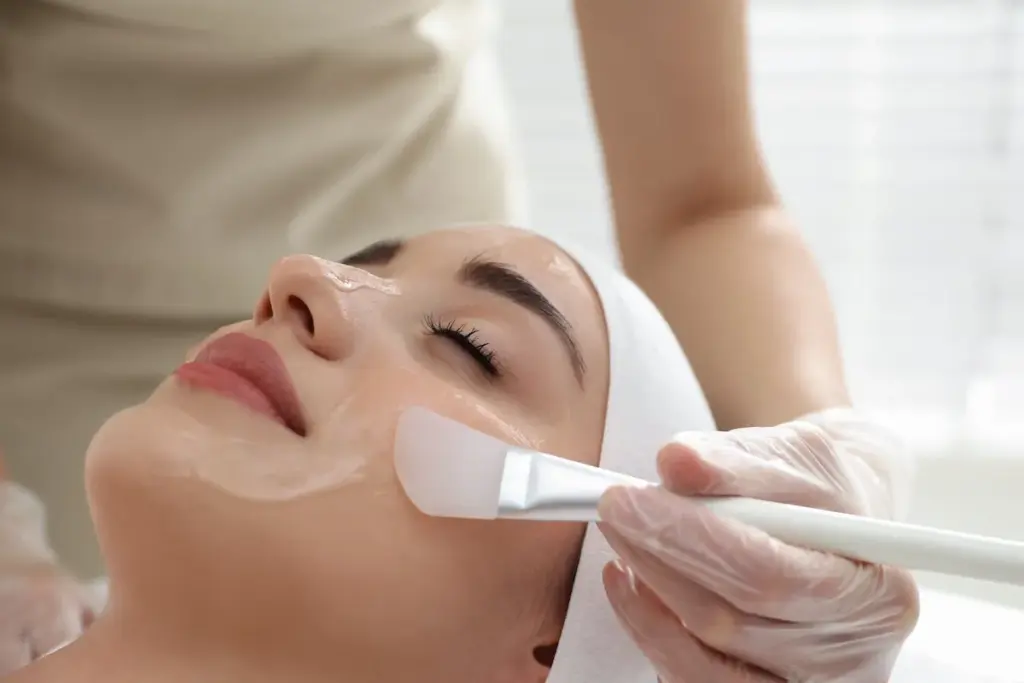
Chemical peels are now a favorite for many, tackling issues like fine lines and dark spots. A significant number of individuals seek this treatment for smoother, brighter skin. But, the first thing they want to know is the cost.
The price of chemical peels changes a lot. It depends on where you are, the practitioner’s skill, and the type of peel. On average, prices can vary a lot. It’s key to know what affects the cost.
Key Takeaways
- The cost of chemical peels varies based on geographical location.
- The expertise of the practitioner affects the overall price.
- Different types of peels are available, each with its own pricing.
- Understanding the factors that influence cost can help in making an informed decision.
- It’s essential to consult with a professional to get an accurate quote.
What Are Chemical Peels and How Do They Work?
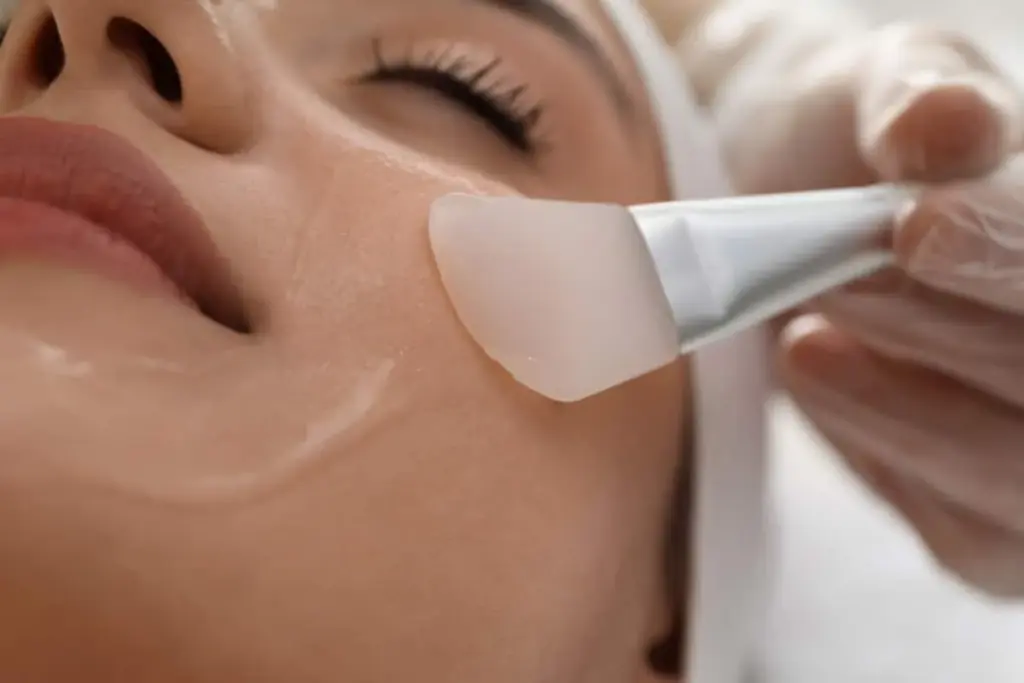
Chemical peels are a skincare treatment that removes the top layers of the skin. This reveals smoother, brighter skin underneath. It’s a way to refresh your skin.
The Science Behind Chemical Exfoliation
Chemical peels work through exfoliation. A chemical solution is applied to break down dead skin cells. This makes it easy to remove them.
This process starts cell turnover. It encourages new skin cells to grow.
Skin Renewal Process
The skin renewal process starts when the chemical solution reaches the skin. It makes the top layers exfoliate. This stimulates the skin’s natural regenerative processes.
New collagen and elastin are produced. This improves the skin’s texture and reduces wrinkles.
Common Ingredients in Chemical Peels
Chemical peels use different ingredients for their benefits. Some common ones are:
- Glycolic Acid: An alpha-hydroxy acid (AHA) from sugarcane. It brightens and smooths the skin.
- Salicylic Acid: A beta-hydroxy acid (BHA) great for acne and blackheads.
- TCA (Trichloroacetic Acid): Used for medium-depth peels. It reduces fine lines and skin discoloration.
|
Ingredient |
Type |
Benefits |
|---|---|---|
|
Glycolic Acid |
AHA |
Brightens, smooths skin |
|
Salicylic Acid |
BHA |
Treats acne, blackheads |
|
TCA |
Medium-depth peel |
Reduces fine lines, skin discoloration |
Benefits of Chemical Peels for Various Skin Concerns
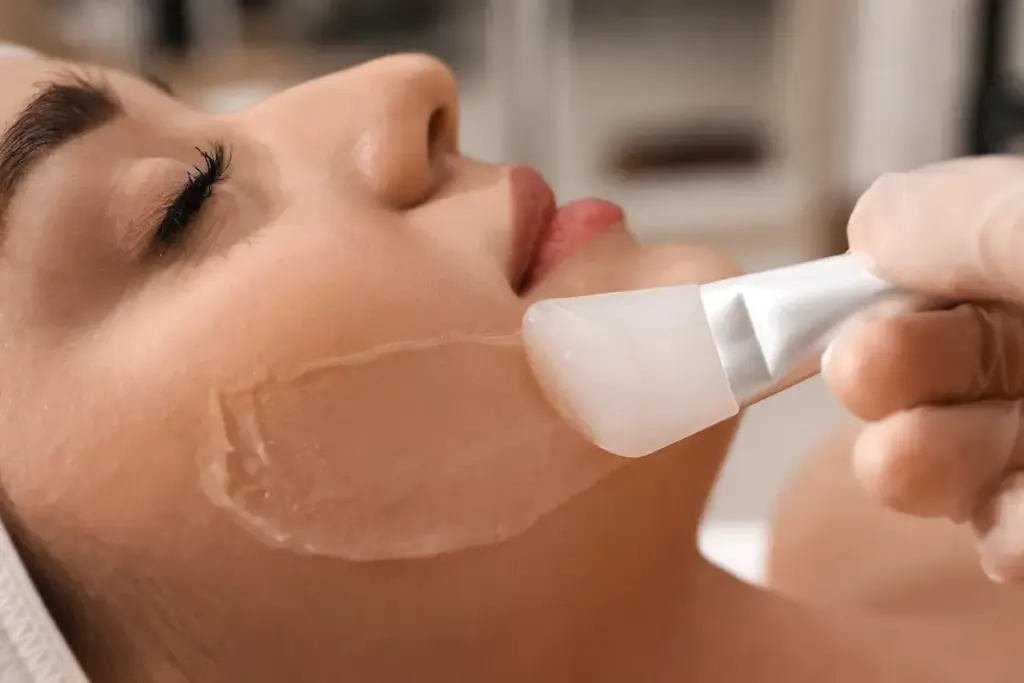
Chemical peels can make your skin look new again. They help with many skin problems. This includes acne, dark spots, aging signs, and uneven skin texture.
Treating Acne and Acne Scarring
Chemical peels are great for acne. They clear out dead skin and open up clogged pores. This reduces redness and swelling.
Peels with salicylic acid work well for acne. They go deep into pores to clean them out.
They also help with acne scarring. By making more collagen and new skin, they make your skin look smoother and more even.
Addressing Hyperpigmentation and Melasma
Chemical peels can also fix hyperpigmentation and melasma. They exfoliate the skin and help new, even skin cells grow. Peels with glycolic acid or lactic acid are good for this.
They make dark spots less visible and skin tone more even. This greatly improves your skin’s look.
Anti-Aging Effects and Wrinkle Reduction
Chemical peels also fight anti-aging. They make fine lines and wrinkles less noticeable. Deeper peels boost collagen, making your skin firmer and younger-looking.
Getting regular treatments keeps your skin looking young. This makes chemical peels a top choice for fighting aging.
Improving Overall Skin Texture and Tone
Chemical peels also improve overall skin texture and tone. They remove the top skin layers, revealing brighter skin underneath. This is great for dull, uneven skin.
They promote new skin growth and collagen. This makes your skin look healthier and more radiant.
The Different Types of Chemical Peels Explained
It’s important to know about the different chemical peels to choose the right one for your skin. Peels vary in how deep they go, which affects their ability to fix skin problems.
Superficial Peels: AHAs and BHAs
Superficial peels are the lightest, using alpha-hydroxy acids (AHAs) or beta-hydroxy acids (BHAs). They gently remove dead skin cells. These peels are great for keeping skin healthy and fixing small issues.
AHAs, like glycolic acid and lactic acid, are in these peels. They break down dead skin cells, helping skin cells turn over. This makes your skin look brighter and smoother.
- Glycolic acid peels: Good for fine lines, dry skin, and small acne.
- Lactic acid peels: Gentle, hydrating, and good for sensitive skin and spots.
- Salicylic acid peels (BHA): Best for acne, blackheads, and whiteheads.
Medium-Depth Peels: TCA and Jessner’s
Medium-depth peels go deeper, using trichloroacetic acid (TCA) or Jessner’s solution. They tackle bigger problems like wrinkles, skin color issues, and scars.
TCA peels can be adjusted to fit your skin’s needs. Jessner’s peels, with salicylic acid, lactic acid, and resorcinol, work well on many skin problems.
|
Peel Type |
Concentration |
Target Concerns |
|---|---|---|
|
TCA Peel |
15%-30% |
Moderate wrinkles, skin discoloration, acne scars |
|
Jessner’s Peel |
Varies |
Hyperpigmentation, acne, fine lines |
Deep Peels: Phenol and Croton Oil
Deep peels are the strongest, using phenol or croton oil. They deeply penetrate to fix serious issues like deep wrinkles, big skin color changes, and scars.
Phenol peels are very effective but need more time to recover. Croton oil peels, often mixed with other ingredients, penetrate deep but might need less recovery time than phenol alone.
Chemical peels offer many options for different skin problems. Knowing about the different types helps you make the best choice for your skin care.
Average Cost of Chemical Peels in the United States
The cost of chemical peels in the U.S. varies a lot. It depends on the type of peel, where you are, and who does it.
National Price Ranges by Peel Type
Chemical peel prices change a lot based on the type. Superficial peels, the most common, cost between $100 and $300 per session. Medium-depth peels are pricier, costing $300 to $600. And deep peels are the most expensive, costing $1,000 to $3,000 or more.
Regional Cost Variations
Where you are also affects the cost of chemical peels. Big cities like New York and Los Angeles charge more. This is because of the high cost of living and demand for top services. Smaller cities and rural areas, on the other hand, might offer lower prices.
Urban vs. Rural Price Differences
There’s a big difference in prices between cities and rural areas. Urban centers charge more because of high demand and skilled providers. But, rural areas often have lower prices, with fewer services available.
2023-2024 Pricing Trends
Prices for chemical peels are going up, thanks to inflation and more people wanting cosmetic treatments. By 2023-2024, expect prices to keep rising. They might go up by 5-7% each year.
Cost Breakdown by Specific Chemical Peel Formulations
It’s important to know the costs of different chemical peels before you decide. The type of chemical in the peel affects the price.
Glycolic Acid Peel Pricing ($50-$300)
Glycolic acid peels are very common. They help with fine lines, skin color issues, and acne. Prices range from $50 to $300 per session.
- Light Peels: $50-$100 for a mild treatment with lower concentrations of glycolic acid.
- Medium Peels: $100-$200 for a moderate treatment that penetrates deeper into the skin.
- Deep Peels: $200-$300 for a more intense treatment that requires more preparation and aftercare.
Salicylic Acid Peel Costs ($100-$300)
Salicylic acid peels are great for acne, blackheads, and other skin issues. Prices are between $100 and $300.
- Basic Treatment: $100-$150 for a standard salicylic acid peel.
- Advanced Treatment: $150-$250 for a more intensive peel that may include additional treatments.
- Premium Treatment: $250-$300 for a high-end salicylic acid peel experience, potentially including extra services like extractions.
TCA Peel Expenses ($300-$1,000)
TCA (Trichloroacetic Acid) peels address deep wrinkles, scars, and skin color issues. Prices range from $300 to $1,000.
- Medium Depth Peel: $300-$600 for treating moderate skin issues.
- Deep Peel: $600-$1,000 for more severe skin concerns requiring a deeper peel.
Phenol Peel Investment ($1,000-$3,000)
Phenol peels are the deepest and most intense. They’re for severe skin damage, deep wrinkles, and aging signs. Prices are $1,000 to $3,000.
“Phenol peels offer dramatic results for those with severe skin concerns, but they require significant recovery time and investment.”
The cost varies a lot based on the peel type and depth. It’s key to talk to a professional to find the best and most affordable treatment for your skin.
Factors That Influence Chemical Peel Pricing
Knowing what affects chemical peel costs is key to smart choices. The price of a chemical peel changes based on several factors. These factors add up to the final cost.
Provider Expertise and Credentials
The skill and qualifications of the person doing the peel matter a lot. Board-certified dermatologists or plastic surgeons usually cost more. They have more training and know-how. When picking a provider, look at their:
- Medical credentials
- Experience with chemical peels
- Patient reviews and testimonials
- Before-and-after photos
Facility Type and Reputation
The place where you get your peel also affects the price. Fancy medical spas or clinics with the latest tech and comfy settings charge more. The facility’s reputation, like how clean it is and how happy patients are, also plays a part.
Treatment Area Size
The size of the area treated is a big factor in the peel’s cost. Bigger areas, like the whole face or more body parts, need more product and time. This makes the price go up. Common areas treated include:
- Face
- Neck
- Hands
- Back
Number of Sessions Required
How many sessions you need to see results also affects the cost. Some issues might need just one treatment, while others might need several. The number of sessions depends on:
- The severity of the skin issue
- The type and strength of the peel
- How your skin reacts and how well it can handle the peel
Understanding these factors helps patients guess the total cost of their peels. This way, they can make better choices about their skincare spending.
Cost Comparison: Where to Get Your Chemical Peels
Chemical peel prices vary a lot. It’s important to compare costs before choosing. Knowing the prices from different providers helps you make a smart choice.
Dermatologist Office Pricing
Dermatologists charge more for chemical peels. This is because they have medical training and use top products. Prices can be from $150 to $500 per session, based on the peel type and location.
Medical Spa Cost Structure
Medical spas are cheaper than dermatologists but offer quality treatments. Prices for chemical peels at medical spas are from $100 to $300 per session.
Salon and Day Spa Rates
Salons and day spas have the cheapest chemical peels. But, the quality can vary. Prices are from $50 to $200 per session.
Plastic Surgeon Offices
Plastic surgeon offices charge the most for chemical peels. This is because of their surgical skills and premium services. Costs can be from $500 to $1,500 or more per session, often with other cosmetic treatments.
To show the cost differences, here’s a comparison table:
|
Provider Type |
Low-End Cost |
High-End Cost |
Average Cost |
|---|---|---|---|
|
Dermatologist Office |
$150 |
$500 |
$325 |
|
Medical Spa |
$100 |
$300 |
$200 |
|
Salon/Day Spa |
$50 |
$200 |
$125 |
|
Plastic Surgeon Office |
$500 |
$1,500 |
$1,000 |
When picking a provider for your chemical peel, think about more than just the price. Look at the practitioner’s qualifications, the products used, and the place’s reputation.
Chemical Peels for Specific Skin Concerns and Their Costs
The cost of chemical peels changes a lot based on the skin issue. They can help with acne, aging signs, hyperpigmentation, melasma, and fine lines. Knowing the costs helps you make a smart choice.
Acne and Acne Scarring Treatment ($100-$600)
Chemical peels are great for acne and scars. Prices range from $100 to $600 per session. Glycolic acid peels and salicylic acid peels work well because they go deep into pores and reduce swelling.
Hyperpigmentation Peel Pricing ($150-$800)
Peels with kojic acid or vitamin C can lighten dark spots. Costs are between $150 to $800. Prices change based on the peel’s depth and how many sessions you need.
Anti-Aging Peel Expenses ($150-$1,500)
Peels can also fight fine lines and wrinkles. Prices range from $150 to $1,500. TCA peels are strong and go deep for better results.
Melasma Treatment Costs ($200-$900)
Melasma is hard to treat, but peels can help. Costs are $200 to $900. Treatment plans often include peels and creams, affecting the total cost.
In summary, chemical peel costs vary a lot. It depends on the peel type, the skin issue, and how many sessions you need. Always talk to a dermatologist or skincare expert to find the best and most affordable treatment for you.
At-Home vs. Professional Chemical Peels: Cost Analysis
Choosing between at-home and professional chemical peels involves understanding costs, benefits, and risks. Your skin type, concerns, and budget play a big role in this decision.
Over-the-Counter Peel Kits ($20-$200)
At-home chemical peels are available in OTC kits for $20 to $200. These kits have ingredients like glycolic acid and salicylic acid. While they’re easy to use and affordable, their effectiveness and safety can vary.
Professional-Grade At-Home Systems ($100-$300)
For stronger treatments, professional-grade peel systems cost $100 to $300. They have higher concentrations of active ingredients. But, they need careful application to avoid problems.
Safety Considerations and Limitations
Safety is key with chemical peels. At-home peels are riskier because of improper use and lack of expert guidance. Always follow instructions and do patch tests before use.
Long-Term Cost Comparison
At-home peels might seem cheaper at first, but frequent use can be costly. Professional peels are pricier per session but may last longer, saving money in the long run. Consider your skin needs and goals when deciding.
In summary, choosing between at-home and professional peels requires careful thought. Understanding the costs, safety, and benefits of each helps make the right choice for your skin care.
Financing Options for Chemical Peels
Looking to improve your skin with chemical peels? Knowing about financing options is key. Chemical peels can be pricey, but there are ways to make them more affordable.
Medical Credit Cards
Medical credit cards like CareCredit and Alphaeon are great for financing chemical peels. They’re made for healthcare costs, including beauty treatments.
Key Features:
- Special financing options, including 0% interest rates for a promotional period
- Flexible payment plans to suit different budgets
- Wide acceptance at healthcare providers and medical spas
HSAs and FSAs for Chemical Peel Payments
Health Savings Accounts (HSAs) and Flexible Spending Accounts (FSAs) can help pay for chemical peels. They’re good if the peels are medically needed.
|
Account Type |
Eligible Expenses |
Contribution Limits |
|---|---|---|
|
HSA |
Medical expenses, including some cosmetic procedures |
$3,650 for individuals, $7,300 for families (2023 limits) |
|
FSA |
Medical expenses, with some restrictions |
$2,850 (2023 limit) |
Provider Payment Plans and Membership Programs
Many providers offer payment plans or membership programs. These can make chemical peels more affordable. You might get discounts for buying in bulk or earning loyalty points.
Benefits:
- Customized payment plans based on individual needs
- Potential savings through package deals or membership programs
- Convenience of dealing directly with the provider
Medical Tourism Considerations
Some might look into medical tourism to save money. But, it’s important to think about the risks and challenges.
Key Considerations:
- Researching reputable providers abroad
- Understanding the total cost, including travel and accommodation
- Ensuring compliance with local healthcare standards
Hidden Costs Associated with Chemical Peels
Chemical peels come with more than just the initial price. The cost of the peel itself is a big part. But, other factors can also increase the total cost.
Consultation and Follow-Up Fees
A consultation is needed before a chemical peel. It helps decide the best treatment for your skin. Consultation fees can range from $50 to $200, based on the provider and location. Follow-up visits are also needed to check on healing and results, adding to the cost.
Required Skincare Products Before and After
Special skincare products are needed before and after a peel. Pre-peel skincare kits cost $50 to $100. Post-peel products can add $20 to $100. These products help prevent problems and get the best results.
Time Off Work for Recovery
Recovery time for chemical peels varies. Superficial peels need little downtime, but deeper peels require days off work. Lost productivity or vacation time is a big factor, affecting those with busy jobs.
Potential Complication Management Expenses
Complications like infection or scarring are rare but can happen. Managing these issues may mean extra treatments or meds. Discussing these risks and costs with your provider is key.
In summary, the cost of a chemical peel is more than just the initial price. It’s important to consider these hidden costs to fully understand the investment.
Preparing for Your Chemical Peel: What to Expect
Before getting a chemical peel, it’s key to know what to expect. Knowing how to prepare and what the process is can greatly affect your results.
Pre-Treatment Consultations and Skin Prep
The first step to a successful chemical peel is a detailed consultation. Your provider will check your skin type, talk about your concerns, and suggest the right peel for you. It’s important to share any medications and your skincare routine to get the best results.
Before the treatment, you’ll need to:
- Avoid certain skincare products that might irritate your skin
- Stop using retinol products a few days before
- Make sure your skin is clean and makeup-free on the day of the treatment
Day-of-Procedure Experience
On the day of your peel, your skin will be thoroughly cleaned. Then, the peel solution will be applied. The solution’s type depends on the peel’s depth. Your provider will watch your skin’s reaction and adjust the treatment as needed.
What to Expect During the Procedure:
|
Peel Type |
Sensation During Peel |
Duration |
|---|---|---|
|
Superficial Peel |
Mild tingling or stinging |
15-30 minutes |
|
Medium-Depth Peel |
Moderate burning sensation |
30-60 minutes |
|
Deep Peel |
Significant discomfort, potentially requiring anesthesia |
60-90 minutes |
Recovery Timeline by Peel Depth
The recovery time for a chemical peel changes with the peel’s depth. Knowing this timeline helps plan your schedule.
When to Schedule Multiple Sessions
Depending on your skin issues and the peel type, you might need more than one session. Your provider will tell you when to schedule follow-up treatments.
For example, superficial peels might need 1-2 weeks between sessions. Deeper peels might have longer intervals.
Cost vs. Value: Are Chemical Peels Worth the Investment?
Chemical peels are becoming more popular for skin issues. But, their cost is a big factor in deciding if they’re worth it.
Long-Term Benefits and Cost Efficiency
Chemical peels offer many long-term benefits. They improve skin texture, reduce wrinkles, and make skin brighter. It’s important to think about these benefits when looking at the cost.
Key long-term benefits:
- Improved skin texture and tone
- Reduced appearance of fine lines and wrinkles
- Enhanced skin brightness and clarity
- Potential reduction in the need for other skincare products or treatments
Comparing Results to Alternative Treatments
It’s good to compare chemical peels to other treatments. Options like microdermabrasion, laser treatments, and microneedling have different costs and results.
|
Treatment |
Average Cost per Session |
Number of Sessions Required |
Total Average Cost |
|---|---|---|---|
|
Chemical Peel |
$150-$500 |
3-6 |
$450-$3,000 |
|
Microdermabrasion |
$100-$300 |
6-12 |
$600-$3,600 |
|
Laser Treatment |
$500-$2,000 |
1-3 |
$500-$6,000 |
Patient Satisfaction Statistics
Patient satisfaction is key when looking at chemical peels. Studies show most patients are happy with their results. A survey found 92% of people were satisfied with their chemical peel treatment.
Cost Per Year of Benefit Analysis
To understand chemical peels’ value, we can do a cost analysis. We divide the total cost by the years the benefits last.
For example: If a series of peels costs $1,500 and lasts 5 years, it’s $300 per year.
This helps people decide if chemical peels are a good investment for their skin.
Tips for Finding Affordable Quality Chemical Peels
Affordable quality chemical peels are within reach if you know where to look and what to consider. With many options available, being informed is key to making the best choice for your skin.
Researching Qualified Providers
When searching for a provider, look for qualifications like board certification in dermatology or plastic surgery. Experienced providers are more likely to offer high-quality chemical peels. Check online reviews, ask for referrals, and verify credentials through professional organizations.
It’s also important to ask about the provider’s experience with chemical peels. Find out the types of peels they offer and their approach to aftercare. A reputable provider will be open about their qualifications and products.
Seasonal Specials and Promotions
Many providers offer seasonal specials and promotions to attract new clients or retain existing ones. Keep an eye on local spas, dermatologist offices, and medical spas’ websites and social media for these deals. Signing up for newsletters can also give you early access to promotions.
Common promotions include discounts on first-time treatments, bundle deals for multiple sessions, or special offers during holiday weekends. Being flexible with your scheduling can help you save money.
Package Deals and Loyalty Programs
Investing in a series of chemical peels can be more cost-effective than individual treatments. Many providers offer package deals that include multiple sessions at a discounted rate. Some spas and clinics have loyalty programs that reward repeat customers with discounts or free services after a certain number of visits.
When considering a package deal, make sure you understand the terms. This includes any commitment to purchase multiple sessions and the timeframe for completing the treatments.
Teaching Institutions and Training Clinics
Another option for affordable quality chemical peels is to visit teaching institutions or training clinics. These facilities often offer discounted rates for services as they are performed by supervised trainees.
While the practitioners may be less experienced, they are closely supervised by experienced professionals. This ensures a high standard of care. It’s a great way to receive quality treatment at a lower cost.
Conclusion: Making an Informed Decision About Chemical Peel Costs
Chemical peels are great for many skin issues, like acne and aging. Knowing how much they cost is key to making a smart choice.
The price of chemical peels changes based on several things. For example, the type of peel, who does it, and where you are. Superficial peels, like those with glycolic or salicylic acid, are cheaper. They cost between $50 and $300. But, deeper peels, like TCA or phenol, can be more expensive, from $300 to $3,000 per session.
When looking at the cost of chemical peels, think about how many sessions you’ll need. Also, consider any extra costs and the long-term benefits. Looking for deals and finding qualified providers can help you save money.
In the end, chemical peels offer lasting results and better skin health. By comparing costs and benefits, you can decide if they’re right for you.
FAQ
What is a chemical peel and how does it work?
A chemical peel is a non-surgical treatment. It uses a solution to remove the top skin layers. This promotes cell turnover, revealing smoother, brighter skin.
What are the benefits of chemical peels?
Chemical peels improve skin texture and reduce fine lines and wrinkles. They address hyperpigmentation, treat acne and scarring, and enhance skin tone.
How much do chemical peels usually cost?
Prices vary from $50 to $3,000. This depends on the type of peel, provider expertise, and location.
What are the different types of chemical peels?
There are superficial peels (AHAs, BHAs), medium-depth peels (TCA, Jessner’s), and deep peels (phenol, croton oil). Each has its own ingredients and uses.
How do I choose the right chemical peel for my skin concerns?
Talk to a qualified provider. They can help choose the best peel for your skin concerns, like acne or aging signs.
Are at-home chemical peels effective?
At-home peels can work for mild issues. But, they’re not as strong as professional treatments. They need careful selection and use.
How many sessions of chemical peels are required?
Sessions vary based on your skin concerns and the peel type. Some may need multiple treatments for best results.
What are the possible risks and side effects of chemical peels?
Peels can cause temporary redness, irritation, and dryness. Serious complications can happen if not done by a qualified provider.
Can I finance my chemical peel treatment?
Yes, financing options include medical credit cards, HSAs, FSAs, and provider plans. These help make peels more affordable.
How do I prepare for a chemical peel?
Preparation includes a pre-treatment consultation, skin prep, and recovery planning. This ensures the best results and minimizes risks.
Are chemical peels worth the investment?
Chemical peels can be a cost-effective solution for many skin concerns. They offer long-term benefits and improved skin health, making them a good investment.
References
National Center for Biotechnology Information. Evidence-Based Medical Insight. Retrieved from https://www.ncbi.nlm.nih.gov/books/NBK459282/



 Departments
 Related Videos
 Our Doctors
 News
News