Neurology diagnoses and treats disorders of the nervous system, including the brain, spinal cord, and nerves, as well as thought and memory.
We're Here to Help. Get in Touch.
Send us all your questions or requests, and our expert team will assist you.
Peripheral Nerve: Treatment and Rehabilitation
Treating peripheral nerve disorders requires a balance between removing the pathology and preserving function. The stakes are high; removing a tumor often involves sacrificing the nerve fascicles involved, leading to loss of function. Advanced reconstructive techniques and neuromodulation devices like the peripheral nerve stimulator play a massive role in restoring quality of life.
Microsurgical tumor resection
Nerve grafting and transfer
Radiation and chemotherapy protocols
Neuromodulation for pain control
Sensory and motor re education
Surgical Management of MPNST
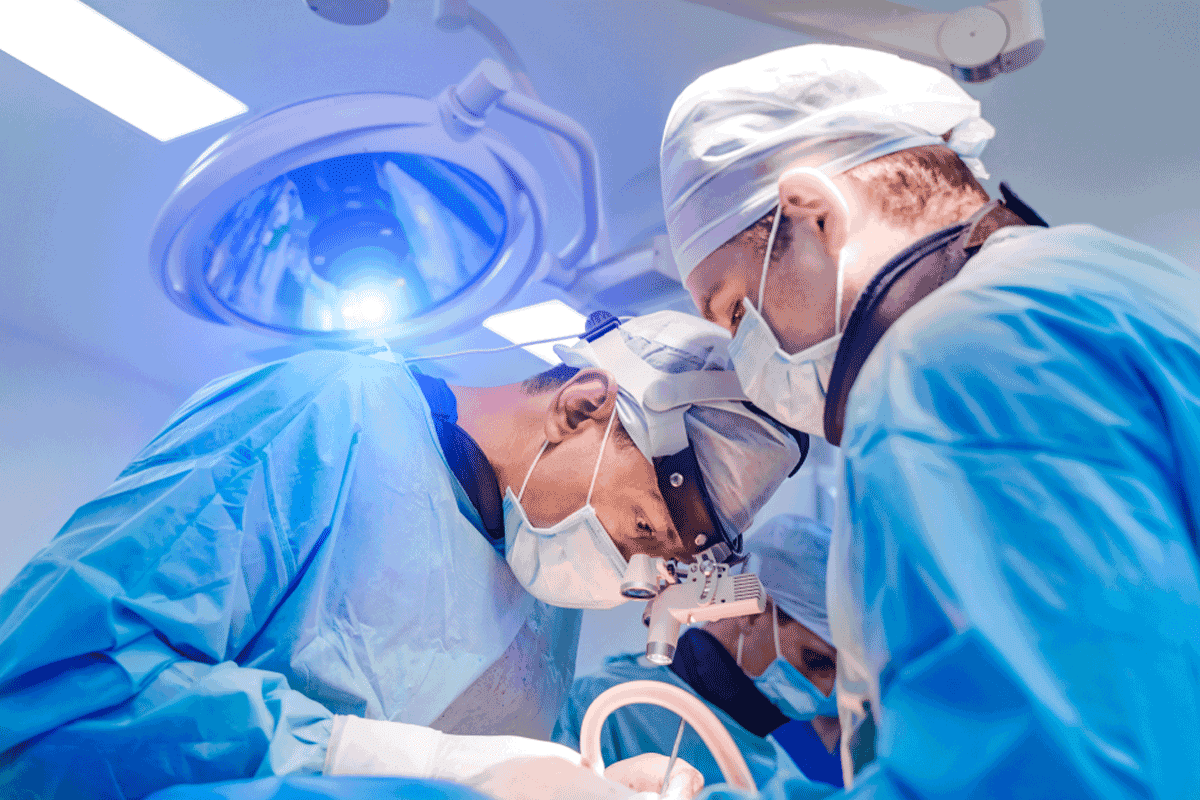
The primary treatment for a malignant peripheral nerve sheath tumor is surgical resection with wide negative margins. This means removing the tumor and a layer of healthy tissue around it to ensure no cancer cells are left behind. Because these tumors grow inside nerves, this often necessitates the removal of the nerve itself.
Goal of R0 resection (clean margins)
Sacrifice of involved nerve segments
Coordination with plastic surgery for closure
Potential for amputation in limb tumors
Intraoperative nerve monitoring
Nerve Reconstruction Techniques
When a nerve must be cut to remove a tumor or is severed by trauma, surgeons use nerve grafts to bridge the gap. The sural nerve from the leg is commonly used as a donor. Alternatively, nerve transfers can be performed, where a redundant healthy nerve is rewired to power the paralyzed muscles.
Autologous nerve grafting (sural nerve)
Distal nerve transfers (rewiring)
Use of nerve conduits or allografts
Time sensitive nature of reinnervation
Protection of the repair site
Neuromodulation for Chronic Pain
For patients left with intractable neuropathic pain after surgery or trauma, a peripheral nerve stimulator can be a game changer. This device involves placing a small electrode next to the damaged nerve. It delivers weak electrical pulses that “distract” the brain, replacing the feeling of pain with a mild tingling sensation or simply blocking the pain signal.
Percutaneous lead placement
Trial period before permanent implant
Implantable Pulse Generator (IPG)
Patient controlled stimulation settings
Reduction in opioid dependency
Systemic Therapy for Metastatic Disease
If the cancer spreads, as is common with metastatic melanotic peripheral nerve sheath sarcoma, systemic therapy is required. Standard chemotherapy regimens for sarcomas (like Doxorubicin and Ifosfamide) are used. Unfortunately, these tumors can be resistant to treatment, prompting the search for clinical trials and targeted molecular therapies.
Anthracycline based chemotherapy
Radiation therapy for local control
Participation in clinical trials
Targeted therapy (MEK inhibitors)
Palliative care integration
Rehabilitation and Desensitization
Post operative rehabilitation is critical. If a nerve transfer was performed, the patient must learn to use the “new” nerve to move the “old” muscle. This involves cortical remapping exercises. For pain, desensitization therapy involves exposing the sensitive area to different textures to retrain the brain’s pain response.
Cortical reorganization exercises
Graded motor imagery
Mirror therapy for phantom pain
Splinting to prevent contractures
Texture desensitization protocols
30 Years of Excellence
Trusted Worldwide
With patients from across the globe, we bring over three decades of medical
Send us all your questions or requests, and our expert team will assist you.
FREQUENTLY ASKED QUESTIONS
What is a peripheral nerve stimulator?
It is an implanted medical device that sends electrical signals to a specific nerve to mask pain signals before they reach the brain, used for chronic nerve pain.
Does chemotherapy work for MPNST?
Chemotherapy has limited effectiveness for these tumors compared to other cancers, but it is often used for metastatic disease or to shrink large tumors before surgery.
What is a nerve transfer?
A nerve transfer is a surgery where a working, less important nerve is cut and connected to a more important damaged nerve to restore function, like “plugging it into a new outlet.”
How long does it take to recover from nerve surgery?
Nerves grow very slowly, about one inch per month. Recovery of muscle function can take many months or even over a year depending on the distance the nerve must grow.
Can metastatic melanotic peripheral nerve sheath sarcoma be cured?
It is very difficult to cure once it has spread (metastasized), but treatment focuses on prolonging life, controlling symptoms, and slowing the growth of the cancer.
Nerve damage is a big problem worldwide, affecting millions. It makes everyday life hard. Surgery can help fix nerve damage from injuries, tumors, and when