Hypothyroidism is a common endocrine disorder that affects about 5 out of every 100 people over 12. It’s more common in women and older adults. When the thyroid gland doesn’t make enough thyroid hormones, it slows down metabolism. This impacts nearly every organ system.
As nurses, we have a key role in managing this condition. We do this through effective nursing interventions.
We create detailed care plans to monitor symptoms like fatigue, weight gain, and cold intolerance. This helps improve nursing care for those with hypothyroidism. Our aim is to offer personalized support and nursing management strategies. These strategies aim to enhance the quality of life for these individuals.
Key Takeaways
- Hypothyroidism affects a significant portion of the population, mainly women and older adults.
- Nursing interventions are vital in managing hypothyroidism.
- Comprehensive care plans can improve symptom management and quality of life.
- Personalized support is key for effective nursing care.
- Nurses can greatly impact the lives of those with hypothyroidism.
Understanding Hypothyroidism in Clinical Practice
Managing hypothyroidism well in clinics starts with knowing its basics. It’s when the thyroid gland doesn’t make enough thyroid hormones. This makes the body’s metabolic rate slow down, affecting almost every organ. It’s important for doctors to understand this to help patients live better lives.
Prevalence and Risk Factors
Hypothyroidism is a common thyroid disorder found worldwide. It’s more common in women, mainly after 60. Autoimmune thyroid disease is the top cause in places with enough iodine. But iodine deficiency is the main cause globally. Other risks include thyroid surgery, head and neck radiation, and some medicines.
Pathophysiology and Systemic Effects
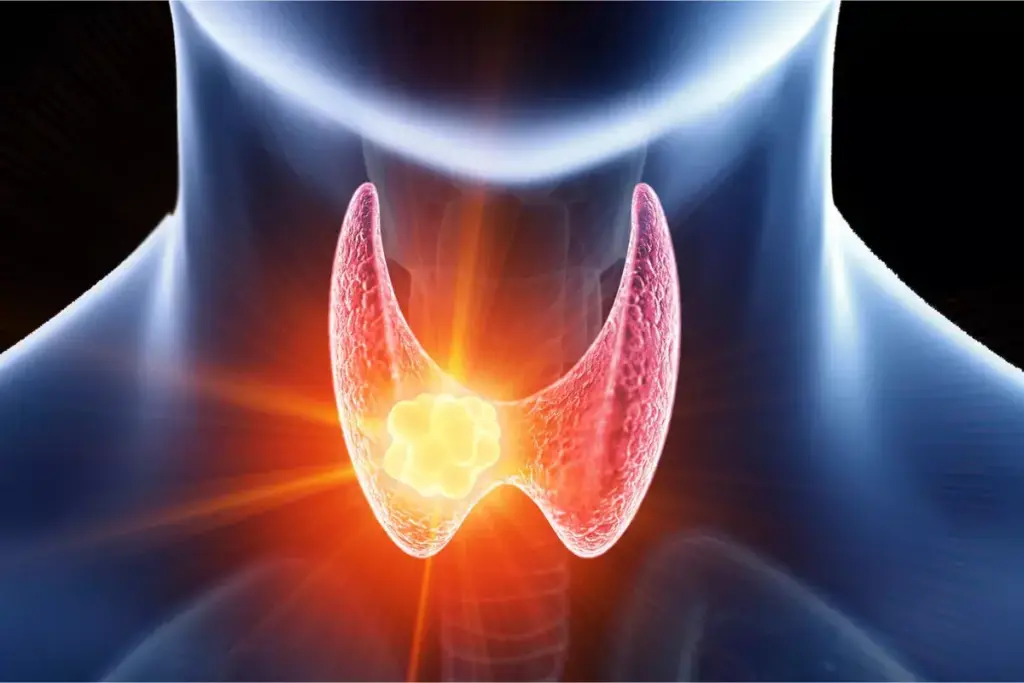
The thyroid gland is key for body metabolism. It makes hormones that control growth, temperature, energy, heart rate, and blood pressure. With hypothyroidism, less thyroid hormone means slower metabolism. This causes symptoms like tiredness, weight gain, feeling cold, and dry skin.
Common Causes and Progression
Knowing why hypothyroidism happens and how it progresses is key. Autoimmune thyroiditis (Hashimoto’s) is the main cause in developed areas, causing gland damage. Iodine deficiency is a big cause worldwide. Hypothyroidism can take years to show symptoms. Early treatment can greatly help patients.
Essential Medication Management Interventions
Nurses are key in managing medications for patients with hypothyroidism. They help ensure patients get the best care and live better lives.
Administering and Monitoring Levothyroxine Therapy
Levothyroxine is the main treatment for hypothyroidism. Nurses teach patients how important it is to take their levothyroxine every day. They check TSH and FT4 levels to make sure the dose is right.
Nurses know that some foods and medicines can affect how well levothyroxine works. For example, caffeine and soy products can reduce its absorption. They tell patients to take it on an empty stomach in the morning for best results.
Managing Medication Interactions
Nurses watch for interactions between levothyroxine and other drugs. Some, like antacids, calcium supplements, and cholestyramine, can lower levothyroxine levels. They advise patients to take these drugs at least 4 hours apart from levothyroxine.
Addressing Adherence Challenges
Getting patients to take their medication is a big challenge. Nurses teach patients why their meds are important and what happens if they miss a dose. They also make the regimen simpler and remind patients to take their meds.
Nurses are essential in managing hypothyroidism. They educate, monitor, and tackle challenges to help patients get the best care. Their work is vital for patient success.
Implementing Patient Education for Hypothyroidism
Nurses play a key role in teaching patients about hypothyroidism. They cover the disease, treatment, and lifestyle changes. This knowledge helps patients manage their condition better.
Disease Process and Treatment Rationale
Teaching patients about hypothyroidism is important. They need to understand how it affects their body and why they need thyroid hormone replacement. For example, levothyroxine is a common treatment, and taking it correctly is key.
- Explain the role of thyroid hormone in the body.
- Discuss the consequences of untreated hypothyroidism.
- Describe how levothyroxine works to alleviate symptoms.
Dietary and Lifestyle Modification Guidance
Managing hypothyroidism involves diet and lifestyle changes. We guide patients on how to adjust their diet. For instance, some foods can affect how well levothyroxine works.
Nutritional guidance is essential. We teach patients to:
- Avoid soy and soy products.
- Limit foods high in fiber.
- Follow a balanced diet.
Self-Monitoring Instructions
Teaching patients to monitor their condition is vital. We teach them to recognize signs of too little or too much thyroid hormone. Regular check-ups are also important.
Key self-monitoring tips include:
- Watch for changes in symptoms like fatigue or weight gain.
- Keep a log of medication and any side effects.
- Know when to see a doctor.
Comprehensive patient education improves treatment outcomes. It also enhances the quality of life for those with hypothyroidism.
Conclusion: Ensuring Long-Term Success in Hypothyroidism Management
Effective hypothyroidism interventions are key for the best results. We’ve talked about different nursing management of hypothyroidism methods. These include managing medications and teaching patients.
Studies show that detailed hypothyroidism nursing care boosts treatment follow-through and long-term results. With nursing interventions for hypothyroidism, healthcare teams can help patients better understand and manage their condition.
To achieve lasting success in managing hypothyroidism, we need to focus on patient care and support. This means regular check-ups, adjusting medications, and helping with lifestyle changes. A complete approach to hypothyroidism care can lead to better health and happiness for patients.
FAQ
What is hypothyroidism and how is it diagnosed?
Hypothyroidism is when the thyroid gland doesn’t make enough thyroid hormones. Doctors use a mix of clinical checks, medical history, and lab tests to diagnose it. These tests include thyroid-stimulating hormone (TSH) and free thyroxine (FT4) levels.
What are the common symptoms of hypothyroidism?
Symptoms include feeling very tired, gaining weight, and being cold all the time. You might also have dry skin, hair loss, and constipation. Some people feel depressed, have trouble remembering things, and have irregular periods.
How is levothyroxine therapy monitored?
We check TSH and FT4 levels regularly to monitor levothyroxine therapy. We adjust the dosage based on these results. This helps keep the treatment effective and reduces side effects.
What are the possible interactions with levothyroxine?
Levothyroxine can react with many medications, like antacids and iron supplements. It can also interact with certain antidepressants. We ask patients to tell us about all their medications to manage these interactions.
How can patients with hypothyroidism manage their condition through diet and lifestyle?
Eating a balanced diet and avoiding too much soy and cruciferous vegetables helps. Being careful about food interactions is also important. Regular exercise and managing stress can help with symptoms too.
What are the key aspects of patient education for hypothyroidism?
Teaching patients about the disease, treatment, and the need to take medication as directed is key. We also teach them how to track their symptoms and report any changes to their healthcare provider.
How can nurses promote optimal patient outcomes in hypothyroidism management?
Nurses are vital in managing hypothyroidism. They provide care, educate patients, and monitor treatment results. We work with patients to address any challenges or concerns, ensuring they get the best care.
What is the role of nursing interventions in managing hypothyroidism?
Nursing interventions are critical in managing hypothyroidism. They allow us to give personalized care, address patient concerns, and improve treatment outcomes. By using evidence-based interventions, we can enhance patient quality of life and well-being.
How often should patients with hypothyroidism have their thyroid hormone levels checked?
Patients with hypothyroidism usually need their thyroid hormone levels checked every 6-12 months. This depends on their individual needs and how well they’re responding to treatment.
Can hypothyroidism be cured?
Hypothyroidism is usually a chronic condition that needs ongoing management. While treatment can manage symptoms and improve life quality, it’s not curable.
References
World Health Organization. Evidence-Based Medical Guidance. Retrieved from https://www.who.int/data/nutrition/nlis/info/iodine-deficiency