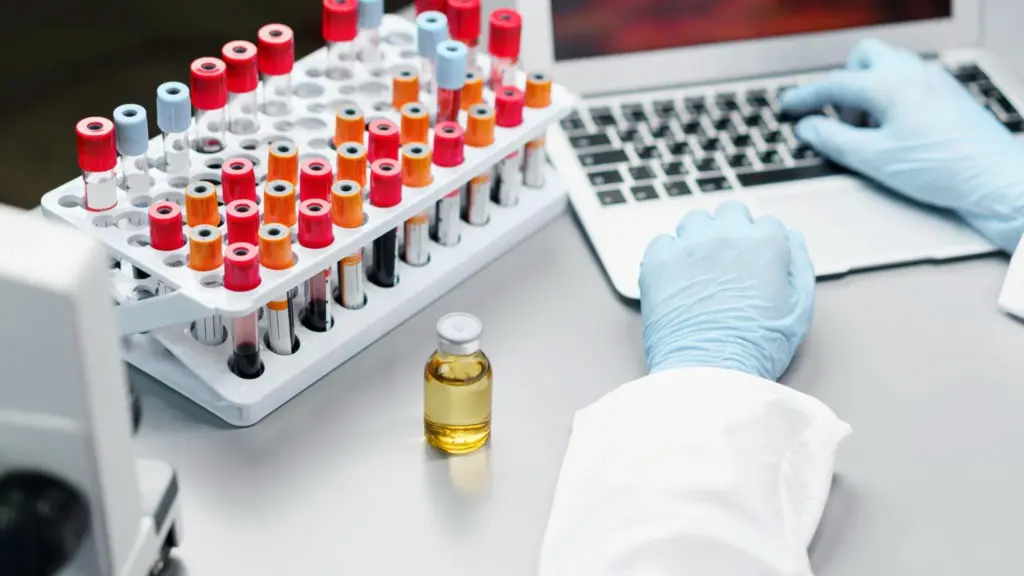
The Comprehensive Metabolic Panel (CMP) is called the ‘everything’ blood test. It gives a wide view of a person’s metabolic health.
This tool includes many essential tests. It checks glucose, electrolytes, and kidney and liver function. It also looks at protein levels. This gives insights into metabolic and organ health.
By examining these health indicators, the CMP enables doctors to detect and manage chronic diseases early
Key Takeaways
- The Comprehensive Metabolic Panel (CMP) is a detailed check of metabolic health.
- It tests for glucose, electrolytes, and kidney and liver function, and protein levels.
- The CMP is key for early detection and management of chronic diseases.
- It’s known as the ‘everything’ blood test because of its wide scope.
- It offers important insights into metabolic and organ health.
Understanding the Comprehensive Metabolic Panel (CMP)

The Comprehensive Metabolic Panel (CMP) is a key test that shows how well a patient’s body is working. It checks the health of important organs like the kidneys and liver. It also looks at blood sugar and electrolyte levels.
Definition and Purpose
The CMP is a set of tests that check different things in the blood. It helps doctors understand a patient’s metabolic health. This includes tests for glucose (blood sugar), electrolytes like sodium and potassium, and how well the kidneys and liver are working.
Why It’s Called “The Test That Looks at Everything”
The CMP is called “the test that looks at everything” because it checks many health areas. It’s a detailed test that looks at how the body is functioning. It’s great for finding problems like diabetes, kidney disease, and liver dysfunction.
History and Development
The CMP was created to be a single test that could check many health areas. Over time, it has grown to include more tests. This shows how medical science has improved and our understanding of health has grown. Today, the CMP is a key part of healthcare, used for both finding and preventing health problems.
The CMP gives a quick look at a patient’s metabolic health. It helps doctors find problems early. This is important for preventing and treating health issues.
- Assesses kidney and liver function
- Monitors blood sugar levels
- Evaluates electrolyte balance
- Helps in the diagnosis of metabolic disorders
What a CMP Blood Test Measures

A CMP blood test gives insights into your metabolic health. It measures several key indicators. This test helps healthcare providers diagnose and monitor various conditions.
Glucose Levels
The CMP checks glucose levels. Glucose is a sugar that gives energy to your body’s cells. If glucose levels are off, it could mean diabetes or low blood sugar. The test shows how well your body controls blood sugar.
Electrolytes (Sodium, Potassium, Chloride, CO2)
The CMP also looks at electrolytes. These are minerals that help your body work right. The test checks:
- Sodium: Keeps fluids balanced and nerves working.
- Potassium: Important for the heart and muscles.
- Chloride: Helps with fluid balance and digestion.
- CO2 (Carbon Dioxide): Keeps acid-base balance.
Not having the right balance of these electrolytes can cause health problems. That’s why they’re important to check.
Kidney Function Markers (BUN, Creatinine)
The CMP tests for kidney function markers. It looks at:
- BUN (Blood Urea Nitrogen): Shows if kidneys are filtering waste well.
- Creatinine: A waste product; high levels mean kidney problems.
These tests help see if your kidneys are working right. They help find kidney issues early.
Liver Function Tests (ALT, AST, ALP, Bilirubin)
The CMP also checks liver function. It looks at:
- ALT (Alanine Aminotransferase) and AST (Aspartate Aminotransferase): Liver enzymes; high means liver damage.
- ALP (Alkaline Phosphatase): Related to bone and liver health.
- Bilirubin: A pigment; high levels mean liver or bile duct problems.
These tests help doctors check your liver’s health. They help find liver issues early.
The Importance of CMP in Disease Detection
The CMP is key in finding diseases early. It’s a big help in keeping people healthy. It checks how the body’s systems work, spotting problems before they get worse.
Early Warning Signs of Metabolic Disorders
Metabolic disorders like diabetes and metabolic syndrome can sneak up on you. The CMP blood test finds early warning signs. It looks at glucose levels, electrolytes, and more.
For example, odd glucose levels might mean you’re at risk for diabetes. Electrolyte imbalances could point to other health issues.
Monitoring Chronic Conditions
For those with chronic conditions like kidney or liver disease, the CMP is very useful. It helps doctors keep an eye on how well treatments are working. They can then change plans if needed.
“Chronic diseases such as diabetes, heart disease, and kidney conditions account for 71% of all deaths globally.”
The 71% Factor: Chronic Diseases and Global Mortality
The role of CMP in finding diseases is huge, given that chronic diseases cause 71% of all deaths globally. It helps catch and track these diseases early. This is key to lowering death rates worldwide.
Regular CMP tests help people manage their health better. Doctors can then give better care, leading to better health outcomes.
When Your Doctor Orders a CMP Blood Test
When you have certain symptoms or get a routine physical, your doctor might do a CMP blood test. This test checks many body functions. It helps doctors find and track health issues.
Routine Physical Examinations
A CMP blood test is part of routine physicals to check your metabolic health. It finds problems early, even before you notice symptoms. It looks at glucose, electrolytes, and liver and kidney function.
Diagnosing Specific Symptoms
If you feel tired, weak, or lose weight without trying, a CMP test might be ordered. It shows if your body’s functions are off. For example, it can spot diabetes or insulin issues.
Monitoring Existing Health Conditions
People with diabetes, kidney, or liver disease need regular CMP tests. These tests track how the disease is doing and if treatments are working. This helps doctors adjust plans to manage the condition better.
Pre-surgical Screening
Before surgery, a CMP test is done to check your health. It looks at your metabolic function and electrolytes. If there are problems, they can be fixed before surgery, making it safer.
|
Reason for CMP Blood Test |
Description |
|---|---|
|
Routine Physical Examinations |
To establish a baseline of metabolic health and detect possible issues early. |
|
Diagnosing Specific Symptoms |
To find the cause of symptoms like tiredness or unexplained weight loss. |
|
Monitoring Existing Health Conditions |
To keep track of chronic conditions and how well treatments are working. |
|
Pre-surgical Screening |
To check your health and metabolic function before surgery. |
Knowing why you need a CMP blood test can ease worries. It’s used for many reasons, like routine checks, finding symptoms’ causes, managing diseases, or before surgery. This test is key to keeping and improving your health.
Preparing for Your CMP Blood Test
Before you get a CMP blood test, it’s key to know what to do to get accurate results.
Fasting Requirements
Fasting is a big part of getting ready for a CMP blood test. You need to not eat or drink anything, except water, for 8 to 12 hours before the test. This is because eating and drinking can change your blood sugar and other test markers.
The exact fasting time might change based on your healthcare provider or the lab. Always follow their instructions to get the best test results.
Medication Considerations
Telling your healthcare provider about your medications is also important. Some medicines can change your blood test results, so it’s important to let them know.
Make sure to list all your medications, including prescription and over-the-counter drugs, and supplements. This helps your healthcare provider understand your test results better.
What to Tell Your Healthcare Provider
There are other things to share with your healthcare provider before your CMP blood test. These include:
- Any symptoms you’re experiencing
- Your medical history, including any chronic conditions
- Any recent illnesses or infections
- Any allergies or sensitivities you have
Common Questions Before Testing
People often have questions before getting a CMP blood test. Here are some common ones and their answers:
|
Question |
Answer |
|---|---|
|
Will the test hurt? |
The discomfort is usually minimal, similar to a pinprick. |
|
Can I drink water before the test? |
Yes, drinking water is usually allowed and encouraged to stay hydrated. |
|
How long does the test take? |
The blood draw process typically takes a few minutes. |
The CMP Testing Procedure
The CMP testing procedure includes several steps. It starts with a blood draw and ends with analyzing the results. This detailed process is key to getting accurate test results.
What Happens During the Blood Draw
A healthcare professional will clean the area with an antiseptic during the blood draw. They will then use a tourniquet to make the veins easier to access. Next, they will insert a needle to collect a blood sample. The whole process usually takes just a few minutes.
Sample Processing in the Laboratory
After the blood sample is collected, it goes to a lab for processing. In the lab, the sample is analyzed to measure different components. This includes glucose levels, electrolytes, and markers for kidney function.
The lab processing involves centrifuging the blood to separate the serum or plasma. This is then analyzed using automated analyzers. These machines can run multiple tests at once, giving a full picture of the patient’s metabolic health.
|
Test Component |
Description |
Significance |
|---|---|---|
|
Glucose Levels |
Measures blood sugar levels |
Indicates diabetes or metabolic syndrome risk |
|
Electrolytes (Sodium, Potassium, Chloride) |
Assesses the balance of essential minerals |
Critical for nerve and muscle function, hydration |
|
Kidney Function Markers (BUN, Creatinine) |
Evaluates kidney performance |
Helps diagnose kidney disease or failure |
Turnaround Time for Results
The time it takes to get CMP results varies. Usually, it’s between 24 to 48 hours. Sometimes, urgent results can be ready in a few hours.
It’s important for patients to talk to their healthcare provider about their results. They can discuss what the results mean and what to do next.
Understanding Your CMP Results
Understanding your CMP results is key to knowing your metabolic health. Your CMP results give a snapshot of your health. This helps you and your doctor make good decisions about your care.
Normal Range Values
CMP results are compared to normal values to see if you’re healthy. These values are based on a healthy population. But, remember, normal values can differ between labs.
Normal ranges typically include:
- Glucose: 70-100 mg/dL (fasting)
- Sodium: 135-145 mmol/L
- Potassium: 3.5-5.0 mmol/L
- BUN: 6-24 mg/dL
- Creatinine: 0.6-1.2 mg/dL (varies by age and sex)
What High or Low Values May Indicate
High or low CMP values can mean different health issues. For example, high glucose levels might show diabetes or insulin resistance. Low sodium levels could mean hyponatremia.
|
Test |
High Value Indication |
Low Value Indication |
|---|---|---|
|
Glucose |
Diabetes, Insulin Resistance |
Hypoglycemia |
|
Sodium |
Hypernatremia |
Hyponatremia |
|
Potassium |
Hyperkalemia |
Hypokalemia |
When to Be Concerned
If your CMP results are outside the normal range, talk to your doctor. They will look at your results, health history, and symptoms.
Be concerned if you have symptoms like:
- Persistent fatigue
- Unexplained weight loss or gain
- Increased thirst or urination
Follow-up Testing Recommendations
Your doctor might suggest more tests based on your CMP results. This could be blood tests, imaging, or other procedures.
Understanding your CMP results is important for your health. By working with your doctor and following their advice, you can handle any issues early. This helps keep your metabolic health in check.
Common Blood Test Types and Their Differences
It’s important to know the differences between various blood tests. They help doctors diagnose and treat patients. The Comprehensive Metabolic Panel (CMP) is often used, but there are others too. These include the Basic Metabolic Panel (BMP), Complete Blood Count (CBC), lipid panel, and more.
CMP vs. Basic Metabolic Panel (BMP)
The CMP and BMP are both metabolic panels, but they’re not the same. The BMP checks glucose, electrolytes, and kidney function with 8 tests. The CMP adds more tests for liver function and proteins, making it more detailed.
|
Test Component |
BMP |
CMP |
|---|---|---|
|
Glucose |
✔ |
✔ |
|
Electrolytes |
✔ |
✔ |
|
Kidney Function |
✔ |
✔ |
|
Liver Function |
times; |
✔ |
CMP vs. Complete Blood Count (CBC)
The CBC checks blood cells, including red and white blood cells, and platelets. It’s different from the CMP, which looks at metabolic functions. The CBC helps diagnose anemia, infection, and blood disorders.
“A CBC can reveal a lot about a patient’s condition, from anemia to leukemia, but it doesn’t directly assess organ function like the CMP does.”
CMP vs. Lipid Panel
A lipid panel measures cholesterol and triglyceride levels to check heart health. The CMP includes some related tests but doesn’t measure lipids. So, a lipid panel is used to check heart risk factors.
CMP vs. Comprehensive Health Panels
Comprehensive health panels include many tests, like CMP, CBC, and lipid panel. The CMP is part of these panels but focuses on metabolic health. These panels give a wide view of a patient’s health by combining many test results.
In conclusion, the CMP is a key tool, but knowing its differences from other tests is vital. Each test has its own use and benefits, helping to fully understand a patient’s health.
The Global Market for CMP Blood Test Analysis
The CMP blood test market is set to grow a lot, thanks to new medical tech. The demand for quick and detailed tests is on the rise. This is making the global CMP blood test market grow steadily.
Current Market Value
In 2024, the CMP testing market was worth $12.58 billion. This shows how widely CMP blood tests are used in healthcare.
Growth Projections
Market research says the CMP testing market will hit $37.9 billion by 2037. This shows a strong growth path. For more details, check out.
Factors Driving Market Expansion
Several things are making the CMP blood test market grow. These include:
- More people getting chronic diseases
- More need for early tests
- New lab tech
- More money spent on healthcare
Regional Market Differences
The CMP blood test market varies by region. This is due to different healthcare setups, rules, and people’s needs. Here’s a table showing how different regions compare:
|
Region |
Market Size (2024) |
Growth Rate |
|---|---|---|
|
North America |
$4.2 billion |
8% |
|
Europe |
$3.5 billion |
7% |
|
Asia-Pacific |
$2.8 billion |
9% |
The Asia-Pacific region is growing the fastest. This is because of more healthcare spending and a bigger patient base.
CMP Testing in the United States
The CMP testing market in the United States is a big deal in healthcare. In 2024, it made $5.3 billion, showing how important it is for health checks.
Market Size and Revenue
The CMP testing market in the US is huge. It’s because people need detailed health tests. The money made from CMP testing shows how common it is in doctor’s offices.
|
Year |
Revenue (in billion $) |
|---|---|
|
2024 |
5.3 |
|
2023 |
4.8 |
|
2022 |
4.2 |
Most Common Analyte Segments
Glucose is the biggest part of the CMP testing market. This is because diabetes and metabolic issues are common in the US.
Key Analyte Segments:
- Glucose
- Electrolytes (Sodium, Potassium, Chloride)
- Kidney Function Markers (BUN, Creatinine)
- Liver Function Tests (ALT, AST, ALP, Bilirubin)
Growth Trends in Potassium (K+) Testing
Potassium (K+) testing is growing fast in the CMP market. This is because keeping potassium levels right is key for heart health.
“The growing awareness about the importance of potassium levels in maintaining cardiovascular health is expected to drive the demand for potassium testing in the CMP panel.”
Insurance Coverage and Cost Considerations
Insurance coverage is key for getting CMP tests. Most plans cover them for preventive care or when needed.
The cost of CMP tests varies. It depends on the lab, where you are, and your insurance. On average, it’s $100 to $300 without insurance.
Limitations and Potential Issues with CMP Blood Test
It’s important to know what the CMP blood test can and can’t do. It gives a wide view of how your body works. But, it misses some important details.
What CMP Doesn’t Measure
The CMP blood test checks many things, but not everything. It doesn’t check for inflammatory markers or hormonal imbalances. You need other tests for those.
- Thyroid function tests
- Lipid profiles beyond basic components
- Markers for autoimmune diseases
Factors That Can Affect Accuracy
Many things can make CMP blood test results less reliable. These include:
- Sample handling: Bad handling or storage can change the results.
- Patient preparation: Not fasting or taking certain meds can mess with glucose and other tests.
- Laboratory variations: Different labs might have different standards.
Always follow the pre-test instructions. Tell your doctor about any meds or supplements you’re taking.
When Additional Testing Is Needed
Sometimes, you need more tests to understand your health fully. This might include:
- Imaging tests for structural problems
- Specialized blood tests for specific issues
- Biopsy in some cases
Your doctor will decide if you need more tests based on your CMP results and health.
Common Misinterpretations
It’s easy to misread CMP results if you don’t look at the big picture. For example:
- A little high liver enzyme might not mean a big problem.
- Some meds can skew the results, causing worry for no reason.
Talking to your doctor about your results is key to understanding them right.
Technological Advancements in Blood Test Analysis
New technologies are changing blood test analysis, making it more accurate and efficient. The CMP blood test is a key example of this progress.
Modern Laboratory Equipment
Today’s lab equipment is more advanced. It can analyze blood samples faster and more accurately. This means labs can handle more tests without slowing down.
Key Features of Modern Laboratory Equipment:
- High-throughput analyzers can process lots of samples at once
- Advanced robotics help prepare samples
- Systems work with lab information systems for better data management
Automation and Accuracy Improvements
Automation has made blood tests more accurate. Automated systems cut down on mistakes, giving consistent results. Labs can also do more tests without losing quality.
|
Aspect |
Manual Process |
Automated Process |
|---|---|---|
|
Accuracy |
Prone to human error |
Highly accurate and consistent |
|
Efficiency |
Time-consuming |
Rapid processing of samples |
|
Scalability |
Limited by manual capacity |
Can handle high volumes |
Point-of-Care Testing Developments
Point-of-care testing (POCT) is a big step forward. POCT devices let doctors test patients quickly, making care faster and better.
Benefits of POCT include:
- Quick results help doctors make fast decisions
- It’s easier to get tests in remote areas
- Less need to send samples, saving time and effort
Future Innovations in Blood Analysis
The future of blood tests looks bright. New research is working on making tests even better. Technologies like AI and nanotechnology will likely be key in this progress.
Potential Future Developments:
- AI for smarter testing and predictions
- Nanotechnology for more precise tests
- More POCT to make testing easier to get
Case Study: Liv Hospital’s Approach to Comprehensive Testing
Liv Hospital’s testing is based on academic excellence and international standards. They follow strict protocols to ensure top-quality care.
Academic Protocols and International Standards
Liv Hospital sticks to academic protocols that meet international standards. This makes their testing reliable and accurate. It’s a strong base for diagnosis and treatment.
By following these protocols, Liv Hospital shows it’s dedicated to the highest global care standards.
Vision for Continuous Improvement
The hospital has a vision for continuous improvement. It aims to lead in medical technology and practices. This vision is key for giving patients the best care.
Liv Hospital invests in research, staff training, and new technologies to achieve this.
Ethical, Quality, and Innovative Care Values
Liv Hospital’s approach is guided by ethical, quality, and innovative care values. These values are central to its mission. They are seen in every part of its operations.
By focusing on these values, Liv Hospital ensures care that is effective, compassionate, and respectful.
Patient-Centered Diagnostic Services
At Liv Hospital, patient-centered diagnostic services are at the core. All tests are designed with the patient’s needs and comfort in mind.
This focus on patient-centered care makes the experience more personalized and effective.
Conclusion: The Future of Comprehensive Blood Testing
The future of blood testing looks bright with new tech. The Comprehensive Metabolic Panel (CMP) will keep being key in finding and tracking diseases. New tech will make it even better.
As tech gets better, CMP blood tests will get more precise and quick. New lab tools and tests at doctor’s offices will let doctors make smarter choices. This will help patients get better care.
Liv Hospital shows how testing is changing with their focus on top standards. Using CMP tests in regular check-ups and for chronic diseases is key for staying healthy. It’s all about preventing problems before they start.
The demand for CMP blood tests is set to rise worldwide. This means they’ll play an even bigger role in healthcare. As we go forward, CMP will be more important than ever for keeping people healthy and guiding treatments.
FAQ
What is a Comprehensive Metabolic Panel (CMP) blood test?
A CMP blood test checks your blood for many things. It looks at glucose, electrolytes, and how well your kidneys and liver work. It also checks your protein levels.
Why is a CMP blood test often referred to as “the everything blood test”?
It’s called “the everything blood test” because it checks a lot of health indicators. This gives a wide view of your metabolic health.
What are the fasting requirements for a CMP blood test?
You might need to fast for 8-12 hours before the test. This helps get accurate glucose readings.
What happens during a CMP blood draw?
A healthcare professional will take a blood sample from your arm. Then, they send it to a lab for analysis.
How long does it take to get the results of a CMP blood test?
CMP results can take a few hours to a few days. This depends on the lab and your healthcare provider.
What do abnormal CMP results indicate?
Abnormal results might show health issues like diabetes or kidney disease. They might also show liver disease or electrolyte imbalances. You’ll need to talk to a healthcare provider about what they mean.
How does a CMP differ from other blood tests, such as a Basic Metabolic Panel (BMP) or Complete Blood Count (CBC)?
A CMP is more detailed than a BMP because it includes liver function tests. It’s different from a CBC, which looks at blood cell counts.
Can I get a CMP blood test done at home?
You can buy at-home blood testing kits. But, a CMP is usually done in a healthcare setting. This ensures accurate results.
How often should I get a CMP blood test?
How often you need a CMP depends on your health and risk factors. Talk to your healthcare provider about the right schedule for you.
Are CMP blood tests covered by insurance?
Many insurance plans cover CMP blood tests. But, coverage can vary. It’s best to check with your insurance provider.
References
- Grand View Research. Comprehensive Metabolic Panel (CMP) Testing Market — Industry Analysis. Retrieved from https://www.grandviewresearch.com/industry-analysis/comprehensive-metabolic-panel-cmp-testing-market
- Research Nester. Comprehensive Metabolic Panel Testing Market Report. Retrieved from https://www.researchnester.com/reports/comprehensive-metabolic-panel-testing-market/5643
- Precedence Research. Blood Testing Market. Retrieved from https://www.precedenceresearch.com/blood-testing-market
- Grand View Research. Outlook of CMP Testing Market in the United States. Retrieved from https://www.grandviewresearch.com/horizon/outlook/comprehensive-metabolic-panel-testing-market/united-states
- Global Market Insights (GMI). Comprehensive Metabolic Panel Testing Market Analysis. Retrieved from https://www.gminsights.com/industry-analysis/comprehensive-metabolic-panel-testing-market