


Developmental delays can greatly affect a child’s life. At LivHospital, we know how vital early help and full care are.
The U.S. Centers for Disease Control and Prevention say about 1 in 6 children in the United States face at least one developmental delay. These delays are found in five main areas: cognitive, speech/language, gross motor, fine motor, and social/emotional development.
It’s key to know these five areas to offer the right support and advice. We aim to give top-notch healthcare and help to international patients.
Key Takeaways
- Developmental delay affects 1 in 6 children in the United States.
- There are five key areas of developmental delay: cognitive, speech/language, gross motor, fine motor, and social/emotional development.
- Early intervention is key to effective support and guidance.
- LivHospital offers full care and support for international patients.
- Understanding developmental delays is vital for lifelong outcomes.
Understanding Developmental Delay
Parents and caregivers need to understand developmental delay. This term means a child is not meeting their developmental milestones. This can be in physical, cognitive, or emotional areas.
Definition and General Overview
A developmental delay happens when a child is slower than others in reaching certain milestones. This can be because of genetics, being born early, or environmental factors. It’s known that delays can affect one or more areas of a child’s development.
Impact on Child Development
The effects of developmental delay on a child’s growth can be big. Kids with global developmental delay face challenges in many areas. This includes thinking, moving, and speaking skills.
It’s key to spot these signs early and act fast. This way, we can help children grow and overcome their challenges.

Prevalence and Types of Delay in Children
It’s key to know how common developmental delays are. This helps us plan better support for kids. Different kinds of delays can really affect a child’s growth.
Global Statistics
Worldwide, 1–3% of young kids show signs of developmental delay. This shows how big of a problem it is. It calls for global teamwork to tackle it.
United States Statistics
In the U.S., the numbers are even higher. About 10–15% of preschoolers face developmental delays. This might be due to how we diagnose and access healthcare.
These numbers show why early help and special support are so vital. Knowing about delays helps us help these kids and their families more effectively.
Cognitive Developmental Delay
Cognitive developmental delay affects a child’s learning and thinking skills. It’s a type of delay that impacts a child’s brain development.
Definition and Overview
Cognitive delay means a child’s brain growth is slower than usual. This can show up in problems with solving puzzles, remembering things, and grasping complex ideas.
Signs and Symptoms
Spotting cognitive delay early is very important. Look for signs like slow speech, trouble learning new things, and struggles with new situations. Early help is essential for kids to catch up.
Prevalence
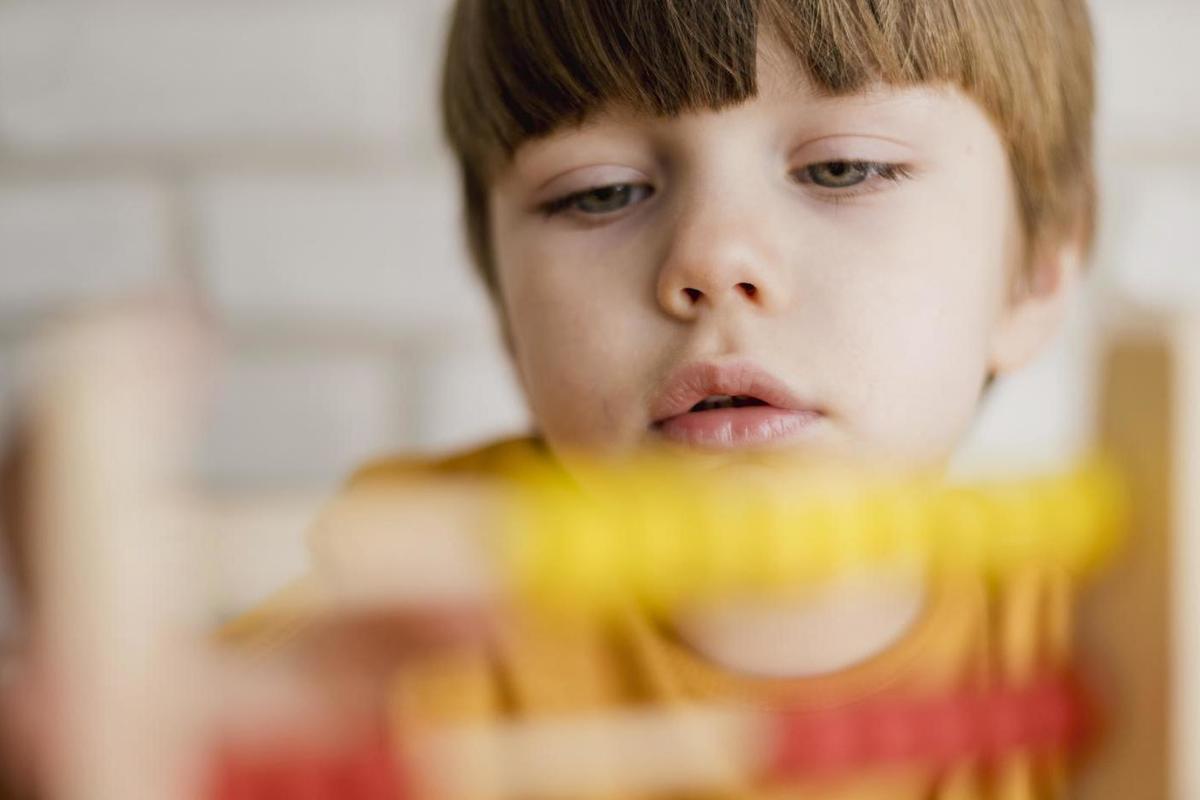
About 1-1.5% of kids face cognitive developmental delays. This shows how vital it is to be aware and catch it early.
Impact on Learning and Development
Cognitive delays can really affect a child’s learning and growth. Kids with these delays might need special help in school to overcome their challenges.
Knowing about cognitive developmental delay helps us support kids and families. Early action and support are key to helping a child’s learning and growth.
Speech and Language Developmental Delay
Speech and language developmental delay is a common issue in young children worldwide. It affects their ability to communicate, including speaking, listening, reading, and writing.
Understanding Speech and Language Delay
Speech and language delay means a child’s communication skills are behind their age. They might struggle to make sounds, understand language, or talk effectively.
Identifying Signs and Symptoms
Signs of speech and language delay vary among children. Some common signs include:
- Not babbling or making attempts to communicate by 12 months
- Not saying any words by 16 months or not combining two words by 24 months
- Having a limited vocabulary for their age
- Difficulty understanding simple instructions or following conversations
Prevalence Among Young Children
Studies show that speech and language delays affect 2% to 19% of young children. Early help is key to avoid long-term problems.
Impact on Communication and Social Skills
Speech and language delays can hurt a child’s communication and social skills. They might find it hard to express needs, understand others, and make friends. This can lead to frustration and feeling left out.
Early intervention through speech therapy can make a big difference. It helps children develop the communication skills they need for school and social life.
Motor Developmental Delays
It’s key to know about motor developmental delays early. These delays happen when kids struggle to move and coordinate. It’s important for early help and support.
There are two main types: gross and fine motor delays. Gross motor skills use big muscles for walking and running. Fine motor skills need small muscles for grasping and using hands.
Gross Motor Delay
Gross motor delay is when kids find it hard to move big muscles. This can be sitting, standing, or even climbing. The American Academy of Family Physicians says finding and fixing this early is key.
Fine Motor Delay
Fine motor delay is about small muscles. It makes doing precise things hard, like using utensils or dressing. Occupational therapy helps improve these skills.
Prevalence of Motor Delays
About 7% of kids face motor delays. Finding and treating these early is vital for their growth. Physical and occupational therapy are big helps.
Knowing the signs of motor delays helps parents get the right help. This ensures kids can grow and develop their physical skills.
Social-Emotional Developmental Delay
It’s important to understand social-emotional developmental delay to help children who face it. This condition makes it hard for kids to handle their feelings and connect with others. It affects their social skills and overall growth.
Defining Social-Emotional Delay
Social-emotional delay means kids have trouble with social cues and talking to others. They also find it hard to adjust to new situations. This can make it tough for them to make and keep friends.
Identifying Signs and Symptoms
Children with social-emotional delays might have trouble showing their feelings or understanding others. They could also have a hard time controlling their emotions, leading to big outbursts or staying quiet.
Prevalence of Social-Emotional Delay
About 5-6% of kids face social-emotional developmental delays. Finding and helping them early is key to lessening the effects on their growth.
Impact on Behaviour and Relationships
Social-emotional delays can deeply affect a child’s behaviour and relationships. Kids with these issues need special help and ways to improve their social and emotional skills. This helps them get along better with friends and adults.
Conclusion: Early Intervention and Treatment
Early intervention is key for kids with developmental delays. It helps them catch up and live better lives. The ICD-10 code helps doctors spot and treat these issues.
LivHospital provides top-notch care for kids with delays. We use the latest technology and services. Our team creates special plans for each child.
Early help can change a child’s life. If you think your child is delayed, get help fast. With the right diagnosis and treatment, we can make a big difference.
FAQ’s:
What is global developmental delay?
Global developmental delay is when a child lags in many areas. This includes physical, cognitive, and social skills. It’s a broad term for significant delays in development.
What are the signs and symptoms of developmental delay?
Signs of developmental delay vary by type and severity. Common signs include delayed speech and trouble with motor skills. Children may also struggle with social and emotional skills.
How common are developmental delays in children?
About 1-3% of preschoolers worldwide face developmental delays. In the U.S., this number is closer to 10-15%.
What is cognitive developmental delay?
Cognitive developmental delay makes learning, problem-solving, and memory hard. It affects a child’s school and social life.
How can speech and language developmental delay be treated?
Speech therapy helps with communication skills. It addresses issues that cause delays in speech and language.
What is the prevalence of motor developmental delays?
Motor delays, like gross and fine motor issues, affect about 7% of children.
How can social-emotional developmental delay impact a child’s behaviour?
Social-emotional delays can lead to trouble with emotions and social interactions. It affects relationships and behaviour.
Why is early intervention important for developmental delays?
Early intervention is key. It gives children the support they need early on. This helps them develop better and stay healthy.
What services does LivHospital offer for children with developmental delays?
LivHospital offers a range of services for developmental delays. This includes diagnosis, treatment, and support like speech and physical therapy.
What is the ICD-10 code for developmental delay?
The ICD-10 code for developmental delay depends on the type and severity. Our team can help with accurate coding and diagnosis.
REFERENCES:
- NYU Langone Health. (n.d.). Types of developmental delays in children. Hassenfeld Children’s Hospital at NYU Langone. https://nyulangone.org/conditions/developmental-delays-in-children/types
- Khan, I. (2023). Developmental delay. In StatPearls. https://www.ncbi.nlm.nih.gov/books/NBK562231/
- Misirliyan, S. S. (2023). Development milestones. In StatPearls. https://www.ncbi.nlm.nih.gov/books/NBK557518/




 Departments
 Related Videos
 Our Doctors
 News
News


