



Ablation therapy is a new way to treat cancer. It uses extreme heat, cold, or chemicals to kill cancer cells. It’s a cutting-edge solution for some cancers. What is the medical ablation definition? Discover how this proven, life-saving technology successfully stops cancer growth in its tracks.
Studies show that thermal ablation works well for small lung and kidney cancers. It can kill the tumor in up to 100% of cases. This makes it a good choice for early-stage cancer patients.
Dealing with cancer can feel overwhelming. But ablation therapy is a good alternative to surgery. It’s less risky and you can recover faster. Knowing about ablation helps patients make better choices for their treatment.
Key Takeaways
- Ablation therapy is a minimally invasive cancer treatment.
- It destroys cancerous tissue using extreme heat, cold, or chemicals.
- Thermal ablation can achieve complete tumor necrosis in up to 100% of primary lung and kidney cancers less than 2-3 cm.
- Ablation offers a viable alternative to surgery with lower risk and faster recovery.
- Patients can make informed decisions about their treatment options by understanding ablation therapy.
The Complete Ablation Definition and Its Role in Cancer Treatment

Ablation is a key treatment for many cancers. We’ll look into what it means in medicine and its role in fighting cancer.
What Ablation Means in Medical Context
In medicine, ablation means removing or destroying damaged tissue. This can be done with heat, cold, or chemicals. It’s used for many health issues, but it’s really important in cancer treatment.
By killing cancer cells, ablation can stop tumors from growing. It also helps ease symptoms of cancer.
The Evolution of Ablation as a Cancer Therapy
Ablation in cancer treatment has grown a lot over time. At first, it was for small tumors. But new tech and methods have made it work for bigger challenges.
Today’s ablation techniques are less invasive than old surgeries. They help patients recover faster and might lead to better results. As research goes on, more cancers can be treated with ablation. It’s becoming a big part of cancer care.
How Ablation Works to Destroy Cancer Cells
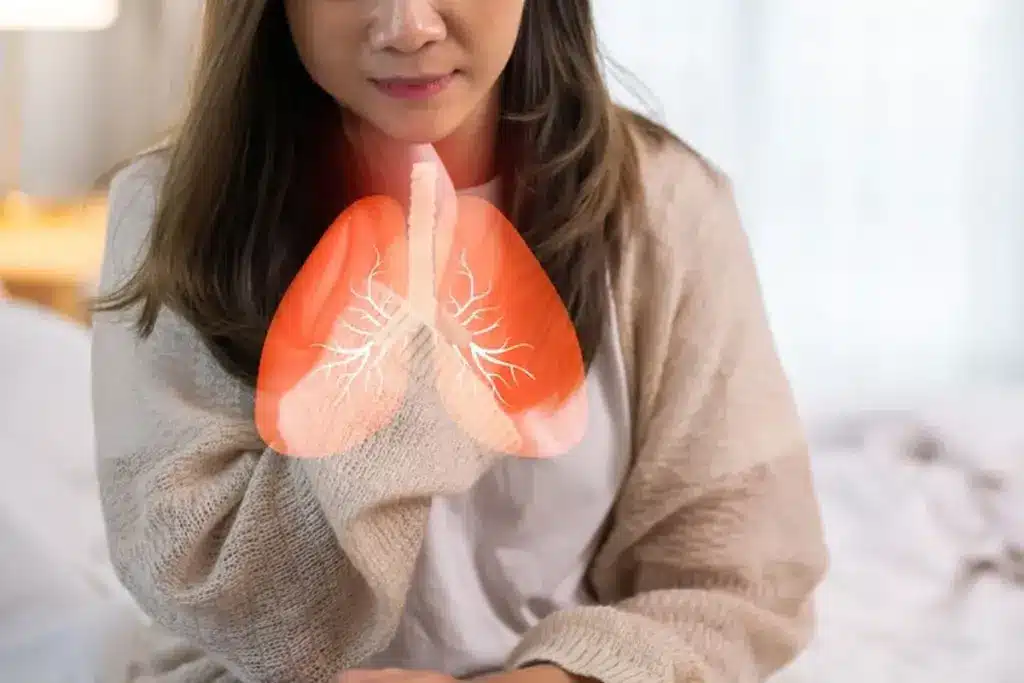
Ablation therapy kills cancer cells by applying energy directly to tumors. This method uses thermal or non-thermal energy to destroy cancer cells.
Mechanism of Action on Tumors
A thin, needle-like probe is inserted into the tumor under imaging guidance. The probe emits energy that heats or cools the tumor cells to death. Thermal ablation is very effective for small tumors. It can kill up to 100% of primary lung and kidney cancers less than 2-3 cm.
The Process of Complete Tumor Necrosis
The goal of ablation therapy is to destroy the entire tumor. This leaves no cancer cells alive. Success depends on tumor size, location, and ablation type.
Tumor Size | Success Rate of Complete Necrosis |
|---|---|
Less than 2 cm | Up to 100% |
2-3 cm | High success rate, variable |
Greater than 3 cm | Lower success rate, may require multiple treatments |
Ablation therapy, including liver ablation, is a promising cancer treatment. Knowing about ablated meaning and the types of ablation is key for patients.
The Two Main Types of Ablation: Thermal and Non-Thermal
There are two main ways to do ablation therapy: thermal and non-thermal. Knowing these is key to picking the right treatment for patients.
Thermal Ablation Techniques
Thermal ablation uses heat or cold to kill cancer cells. It includes several methods:
Radiofrequency Ablation (RFA)
RFA heats tumors with electrical currents, causing them to die. It’s often used for liver, kidney, and lung cancers.
Microwave Ablation Technology
Microwave ablation heats tumors with microwave energy, causing them to die. It works well for big tumors and those close to blood vessels.
Cryoablation (Cold-Based Therapy)
Cryoablation freezes tumors, killing them. It’s used for cancers like prostate and liver.
Non-Thermal Ablation Methods
Non-thermal ablation kills cancer cells without heat. These options are for patients not good for thermal ablation.
Chemical Ablation Approaches
Chemical ablation injects substances into tumors to kill them. It’s used for some types of tumors.
Irreversible Electroporation (IRE)
IRE uses electrical pulses to make cell membranes permanent. It’s good for tumors near important areas.
Ablation Technique | Description | Common Applications |
|---|---|---|
Radiofrequency Ablation (RFA) | Uses high-frequency electrical currents to heat tumors. | Liver, kidney, lung cancers |
Microwave Ablation | Employs microwave energy to heat tumors. | Larger tumors, tumors near blood vessels |
Cryoablation | Freezes tumors using extremely low temperatures. | Prostate, liver cancers |
Chemical Ablation | Involves injecting substances directly into tumors. | Certain types of tumors |
Irreversible Electroporation (IRE) | Uses electrical pulses to create permanent pores in cell membranes. | Tumors near critical structures |
A study shows ablation techniques have improved a lot. They offer patients less invasive treatments with fewer side effects than surgery. The right ablation technique depends on the tumor’s size, location, and the patient’s health.
Ablation for Lung Cancer: Success Rates and Outcomes
Ablation therapy is a new hope for lung cancer patients. Lung ablation is a minimally invasive method. It uses heat or cold to destroy cancer cells.
Effectiveness for Small Primary Lung Tumors
Research shows ablation works well for small lung tumors. Trials found that up to 100% of tumors less than 2-3 cm can be completely destroyed. This makes ablation a good alternative to surgery for early-stage lung cancer.
Long-term Survival Statistics After Lung Ablation
Survival rates after lung ablation are promising. Studies show patients with early-stage lung cancer can live as long as those who have surgery. This is a positive sign for those considering ablation.
Patient Selection Criteria for Optimal Results
Choosing the right patients for lung ablation is key. Doctors look at tumor size, location, and the patient’s health. Those with small, peripheral tumors are often good candidates. Knowing what is ablation helps make better choices.
Tumor Size | Complete Response Rate | 5-Year Survival Rate |
|---|---|---|
95% | 60% | |
2-3 cm | 90% | 55% |
>3 cm | 70% | 40% |
In summary, lung ablation is a valuable treatment for lung cancer, mainly for small tumors. Understanding its success and who it’s best for helps doctors provide the best care.
Kidney Cancer Treatment with Ablation Therapy
Ablation therapy is a new way to treat kidney cancer. It’s less invasive than old surgeries. We’ll look at how well it works, including how often it completely removes tumors and how long patients live.
Complete Response Rates for Renal Carcinomas
Research shows ablation therapy works well for kidney cancer. A complete response means the tumor is gone after treatment. It’s good because it targets cancer cells without harming healthy tissue.
5-Year Cancer-Specific Survival Rates
The 5-year survival rate is key for kidney cancer treatment success. Studies show patients do well after ablation therapy. Their survival rates are as good as those who had their kidney removed.
Comparing Ablation to Nephrectomy
Choosing between ablation therapy and nephrectomy is important. Here’s what you need to know:
Treatment Aspect | Ablation Therapy | Nephrectomy |
|---|---|---|
Invasiveness | Minimally invasive | Surgical removal of kidney |
Recovery Time | Generally shorter | Typically longer |
Preservation of Kidney Function | Preserves more kidney function | May result in reduced kidney function |
Complication Rates | Lower complication rates | Higher risk of complications |
Ablation therapy has big benefits. It’s less invasive and has fewer side effects. This makes it a great choice for kidney cancer patients.
Liver Ablation: Treating Primary and Metastatic Liver Cancers
Ablation therapy is a promising way to manage liver cancers. It’s great for patients who can’t have surgery. We’ll look at how liver ablation helps with primary and metastatic liver cancers. We’ll also talk about its benefits and how it compares to other treatments.
Colorectal Liver Metastases: Ablation vs. Surgery
For those with colorectal liver metastases, ablation is a good option. Research shows it works as well as surgery in some cases. It’s also less invasive. The choice between ablation and surgery depends on the tumor size, location, and the patient’s health.
Overall Survival Rates and Tumor Control
Studies show liver ablation can control tumors well and improve survival rates. Its minimally invasive nature makes it appealing. It often leads to fewer complications and a quicker recovery than surgery.
- Improved survival rates
- Effective tumor control
- Minimally invasive procedure
Reduced Adverse Events Compared to Surgical Resection
Liver ablation has fewer risks than surgery. This is key for patients with health issues that increase surgery risks. Ablation offers a safer option for those who can use it.
In summary, liver ablation is a valuable treatment for liver cancers. Its effectiveness and safety make it a good choice for patients and doctors.
Microwave Ablation: Advanced Technology for Complex Tumors
Microwave ablation is a top choice for treating complex tumors. It can target and destroy tumors with great precision.
Larger Ablation Zones and Improved Precision
Microwave ablation technology has made big strides. It now allows for larger ablation zones and improved precision in treating tumors. This is a big plus for complex tumors that are hard to hit with other methods.
One major benefit of microwave ablation is its ability to treat bigger tumors in one go. This cuts down the need for many procedures.
Effectiveness for Tumors Near Large Blood Vessels
Microwave ablation works well for tumors close to big blood vessels. It can beat the “heat sink” effect. This effect happens when blood flow takes away heat, making it hard to get enough ablation with other methods.
Technical Advantages Over Other Ablation Methods
Compared to other ablation methods, microwave ablation has some key advantages. It can reach higher temperatures faster and keep them longer. This leads to more effective tumor destruction.
A recent study found that microwave ablation beats radiofrequency ablation for some tumor types. It has better local control rates.
In summary, microwave ablation is a big step forward in treating complex tumors. It offers larger ablation zones, better precision, and works well for tumors near big blood vessels.
The Patient Experience: Procedure, Recovery, and Side Effects
Many patients wonder about the ablation procedure, recovery, and possible side effects. It’s important to provide clear information. Understanding the patient’s journey is key for a good outcome.
What to Expect During an Ablation Procedure
Patients usually get local anesthesia for the procedure. Minimally invasive, the treatment uses a thin probe guided by imaging.
Advanced imaging helps place the probe accurately. This ensures the treatment works well without harming nearby tissue.
Recovery Timeline and Post-Treatment Care
Recovery from ablation is usually quick. Most patients go home the same day. Post-treatment care is vital for managing side effects and a smooth recovery.
- Rest and avoid strenuous activities for a few days post-procedure.
- Follow-up appointments are scheduled to monitor recovery and assess treatment effectiveness.
- Patients are advised to report any unusual symptoms or concerns to their healthcare provider.
Potential Side Effects and Complications
While generally well-tolerated, ablation can cause side effects like pain, fatigue, or nausea. Serious complications are rare but can include infection or damage to surrounding structures.
Potential Side Effects | Frequency | Management |
|---|---|---|
Pain | Common | Managed with pain medication |
Fatigue | Common | Rest and recovery |
Infection | Rare | Antibiotics and medical attention |
It’s important to understand the patient experience during and after ablation. Being informed about the procedure, recovery, and side effects helps patients navigate their treatment journey better.
Limitations and Challenges of Cancer Ablation
Ablation therapy is a minimally invasive treatment for cancer. It has challenges that affect its success. Knowing these limitations is key to managing expectations and improving results.
Tumor Size and Location Restrictions
One big challenge is tumor size and location. Tumors that are too big or near important structures may not work for ablation. It’s hard to target these tumors without harming nearby tissues.
Cases Where Ablation May Not Be Appropriate
Ablation isn’t right for everyone. Patients with multiple tumors or widespread cancer might need other treatments. Some conditions can make ablation less effective [1].
Addressing Treatment Failures and Recurrence
Treatment failure and cancer recurrence are big worries with ablation. It’s important to watch patients closely after treatment. Using ablation with other treatments, like immunotherapy, can help. This approach can make ablation more effective and lower the chance of cancer coming back.
Understanding these challenges helps doctors choose the right patients for ablation. This way, they can improve treatment results.
Future Directions in Ablation Treatment for Cancer
Ablation therapy is on the verge of a big change. This is thanks to emerging technologies and new ways of treating cancer. We’re seeing big steps forward in cancer treatment.
Emerging Technologies and Techniques
New tools are making ablation therapy more precise and powerful. Microwave ablation and irreversible electroporation are leading the way. These new methods are key to better patient results.
Combination Approaches with Immunotherapy
Combining ablation with immunotherapy is a hot area of research. This mix could boost the body’s fight against cancer. It could lead to better and longer-lasting treatments.
Ongoing Clinical Trials and Research
Clinical trials are testing new ablation methods and combos. These studies are essential for moving the field forward. They help make new treatments available to patients.
We’re excited about the future of ablation therapy. With emerging technologies and new ideas, we’re on track for better care. The outlook for cancer treatment is very promising.
Conclusion: The Role of Ablation in Modern Cancer Care
Ablation therapy is a key part of modern cancer care. It’s a minimally invasive treatment for many cancers. Knowing what ablation definition means helps patients and doctors choose the best treatments.
Studies show ablation works well for cancers like lung, kidney, and liver. It’s now a big part of cancer care. This gives patients more options for treatment.
As we keep improving modern cancer treatment, ablation therapy will play an even bigger role. New research and tech will make ablation safer and more effective. This will help us fight cancer better.
Using ablation in treatment plans helps doctors give patients care that fits their needs. As we keep working in cancer care, ablation could greatly improve how well patients do and their quality of life.
FAQ
What is ablation in the context of cancer treatment?
Ablation is a way to treat cancer without big surgery. It uses heat or cold to kill cancer cells. This method is less invasive.
How does ablation work to destroy cancer cells?
Ablation uses energy to kill cancer cells. This energy can be heat, cold, or other types. It depends on the ablation method used.
What are the main types of ablation used in cancer treatment?
There are two main types: thermal and non-thermal. Thermal ablation uses heat, like radiofrequency or microwave. Non-thermal uses cold, like cryoablation.
What is microwave ablation, and what are its benefits?
Microwave ablation heats cancer cells with microwave energy. It’s good because it can target larger areas and is precise. It works well for tumors near blood vessels.
How effective is ablation in treating lung cancer?
Ablation works well for small lung tumors. It has good survival rates. Choosing the right patients is key for success.
Can ablation be used to treat kidney cancer, and how does it compare to nephrectomy?
Yes, ablation treats kidney cancer. It has similar results to nephrectomy in some cases. The choice depends on the tumor’s size and location.
What is the role of ablation in treating liver cancer?
Ablation treats liver cancer, including metastases. It has fewer side effects than surgery. But, the choice between ablation and surgery depends on the patient.
What can patients expect during and after an ablation procedure?
Patients are usually under local anesthesia or sedation during the procedure. After, they might feel some side effects. Recovery time varies. Proper care is important for managing side effects.
What are the limitations and challenges of cancer ablation?
Ablation has limits, like size and location restrictions. It’s not for everyone. There are risks of treatment failure and recurrence. These need careful management.
What are the future directions in ablation treatment for cancer?
Future advancements include new technologies and combining with immunotherapy. Ongoing research aims to make ablation safer and more effective.
Is ablation therapy a viable option for treating various types of cancer?
Yes, ablation is a good option for many cancers, like lung, kidney, and liver. Its success depends on the patient and the cancer’s specifics.
National Center for Biotechnology Information. Evidence-Based Medical Insight. Retrieved from


