


As parents, we often wonder how to support our child’s growth. Nutrition is key in helping them reach their full height. A balanced diet with the right nutrients is vital for kids to grow tall.

A diet full of protein, vitamins, and minerals is important. Protein helps with growth and keeps the body healthy. By eating well, we can help our kids grow strong and healthy in pediatrics.
Key Takeaways
- Many parents wonder how to grow tallernaturally and support their child’s development. A well-balanced diet is essential for a child’s growth. Protein, vitamins, and minerals are key for increasing height and overall health. Calcium and iron are important for strong bones, which play a big role in how to grow tallereffectively. Nutrition greatly affects a child’s height, and eating right helps kids reach their full growth potential.
The Science Behind Growth and Nutrition
It’s important for parents to know how nutrition affects their child’s growth. The food kids eat helps them grow taller and stay healthy.
How dietary choices impact maximum height
What kids eat can affect how tall they can grow. Foods rich in protein, calcium, and vitamin D help their bones grow. Eating a balanced diet with these nutrients is key for growth.
Research shows that eating enough energy, protein, and certain vitamins helps kids grow taller. This shows how important a good diet is for kids’ growth.
Research findings on nutrition and height development
Studies have found that certain foods are good for kids’ height. For example, probiotics in foods like yogurt can help kids grow by keeping their gut healthy.
Other important nutrients are calcium, vitamin D, magnesium, and phosphorus. These help with bone health. Making sure kids get enough of these is important for their bones to grow right.

Knowing how nutrition affects growth helps parents make better food choices. This supports their child’s growth and health.
Protein-Rich Foods That Promote Height Growth
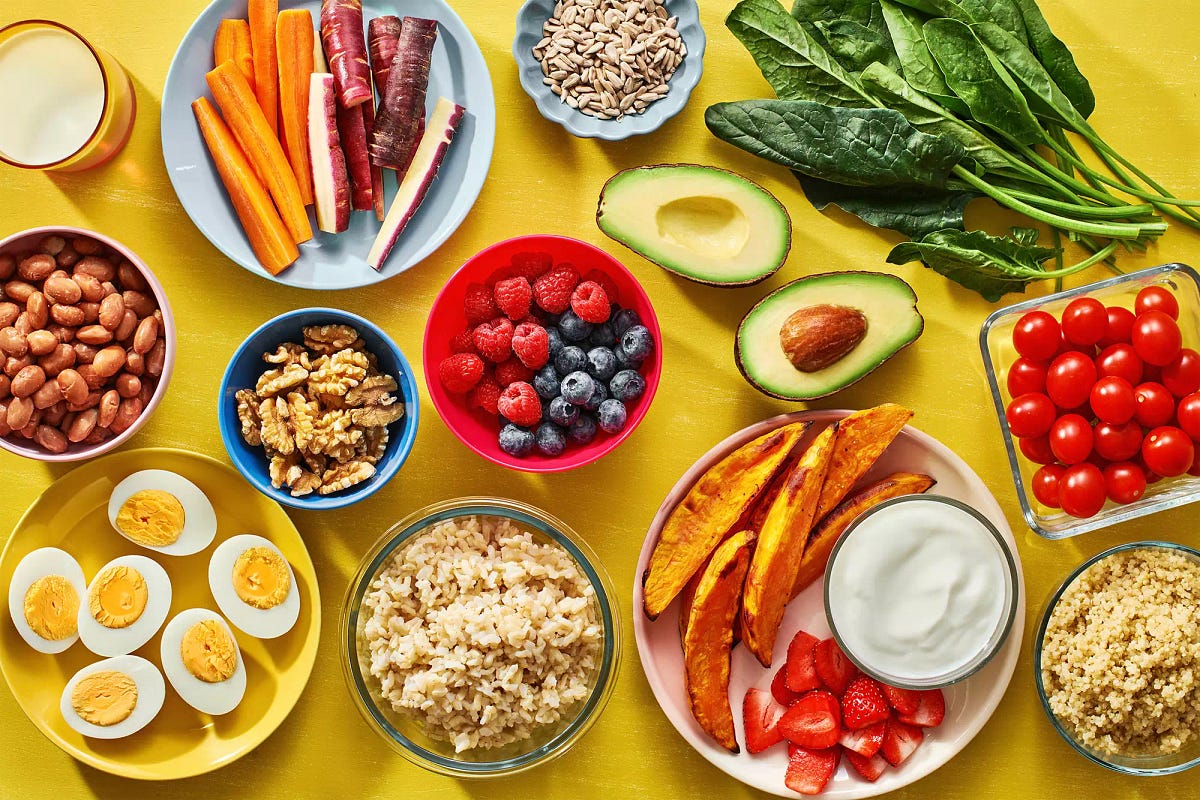
A well-balanced diet rich in protein is key for kids to reach their full height. Protein helps grow bones, muscles, and tissues. Making sure your child eats enough protein can boost their height and health.
Lean Meats and Poultry Options
Lean meats and poultry are great for kids’ height growth. Foods like chicken, turkey, and lean beef are full of protein and important vitamins. For example, chicken is packed with nutrients like protein, vitamin B12, and taurine.
Adding these lean meats to your child’s meals is easy. Try grilling a chicken breast or making a beef stew.
Some good lean meats and poultry for height growth are:
- Chicken breast
- Turkey breast
- Lean beef
- Lean pork
Fish and Seafood for Growth
Fish and seafood are not just protein-rich but also have omega-3 fatty acids. These are vital for health and growth. Fatty fish like salmon and sardines are great for bone health and growth.
Adding fish and seafood to your child’s meals is simple. Try grilling salmon or making a seafood stir-fry.
Some fish and seafood good for height growth are:
- Salmon
- Sardines
- Tuna
- Shrimp
Plant-Based Proteins for Vegetarian Children
Vegetarian kids can get the protein they need from plants. Beans, lentils, and tofu are great meat substitutes. Beans, for example, are high in protein and iron, helping prevent anemia and support growth.
Adding a variety of plant-based proteins to your child’s diet is important. It ensures they get all the nutrients for growth.
Some plant-based proteins good for height growth are:
- Beans (kidney beans, black beans, chickpeas)
- Lentils
- Tofu
- Tempeh
Experts say a diet rich in protein is vital for kids’ growth. A balanced diet with enough protein can greatly affect a child’s height.
Calcium-Rich Foods for Strong Bone Development
Calcium is key to bone growth, and getting enough is vital. Not having enough vitamin D and calcium can stop growth. We’ll look at foods rich in calcium for strong bones.
Dairy Products That Maximize Height
Dairy is packed with calcium. Milk, cheese, and yogurt are great for bones. Milk is special because it has calcium, phosphorus, and magnesium for strong bones.
Experts say, “Calcium is vital for strong bones and teeth. Dairy is a top source of calcium.”
“A diet full of calcium supports strong bones, which is key for growing tall.”
Non-Dairy Calcium Sources
For those who can’t have dairy, there are non-dairy calcium sources. Fortified plant milk, kale, broccoli, and almonds are good. Adding these to a child’s diet ensures they get enough calcium.
Some non-dairy calcium sources include:
- Fortified plant-based milk
- Leafy greens (kale, broccoli)
- Nuts (almonds)
- Tofu and other soy products
How Calcium Intake Directly Affects Growth Plates
Calcium affects bone growth plates. Growth plates are cartilage at bone ends where bones grow. Calcium is needed for bone mineralization and growth.
Enough calcium is key when bones grow fast in kids and teens. It helps bones reach their full growth.
Vitamin D: The Critical Nutrient for Height
Vitamin D is key for bone health and height growth. A lack of it can cause health problems, including issues with growth in kids.
Food Sources of Vitamin D
It’s important to add vitamin D-rich foods to a child’s diet. Some top sources are:
- Fatty fish like salmon and mackerel
- Fortified dairy products and cereals
- Egg yolks
A 2020 study found that vitamin D in food greatly affects height. It showed that nutrition can change height by up to 20cm.
The Sun and Vitamin D Synthesis
Children can also get vitamin D from sunlight. We suggest they spend time outside, mainly during sunny hours, to boost their vitamin D.
How Vitamin D Deficiency Stunts Growth
Vitamin D deficiency can harm a child’s growth. It makes it hard for the body to absorb calcium and affects bones. Studies show that giving supplements to kids with low vitamin D can help them grow faster, in just six months.
To support healthy growth, it’s vital to check vitamin D levels. We should make sure kids get enough from food, sun, and supplements if needed. This way, we help them reach their full growth and height.
Fruits and Vegetables That Boost Growth Hormones
To help kids grow well, it’s key to eat a variety of fruits and veggies. These foods are full of nutrients that help kids grow tall. A balance diet for height means eating a wide range of these foods.
Vitamin A-Rich Produce for Cell Development
Vitamin A is important for cell growth and health. Foods like sweet potatoes, carrots, and spinach are full of vitamin A. They help grow cells and tissues, which is good for growth.
Some examples of vitamin A-rich foods include:
- Sweet potatoes
- Carrots
- Dark leafy greens (spinach, kale)
- Pumpkin
Vitamin C Foods for Collagen Production
Vitamin C helps make collagen, which is key to strong bones and skin. Foods like berries, citrus fruits, and bell peppers are full of vitamin C. Eating these can help kids grow strong and healthy.
Examples of vitamin C-rich foods are:
- Berries (strawberries, blueberries, raspberries)
- Citrus fruits (oranges, lemons, grapefruits)
- Bell peppers
B Vitamins for Energy and Growth
B vitamins are important for energy and metabolism, which helps kids grow. Foods like leafy greens, bananas, and avocados have lots of B vitamins. These help keep energy up for growth.
Some B vitamin-rich foods include:
- Leafy greens (spinach, kale)
- Bananas
- Avocados
- Whole grains
In short, eating lots of fruits and veggies is key to kids’ growth. Knowing how nutrients help growth lets parents choose the best foods. This way, kids can how to grow taller in a healthy way.
Whole Grains and Healthy Fats for Energy and Growth
Whole grains and healthy fats are key to a diet that helps kids grow. They give the energy and support needed for height growth.
Complex Carbohydrates That Fuel Growth
Complex carbs in whole grains are vital for energy. Foods like quinoa, brown rice, and whole-wheat bread are full of them. Quinoa is a superfood that has all nine amino acids the body needs.
These carbs give energy and are packed with fibre, vitamins, and minerals. They help with overall health and growth.
Essential Fatty Acids That Support Height Development
Healthy fats, like essential fatty acids (EFAs), are key for growth. EFAs, including omega-3 and omega-6, help cells and tissues grow. You can find them in nuts, seeds, avocados, and fatty fish.
These fats help growth plates in bones, which is vital for height. They also boost brain health and the immune system.
Balancing Macronutrients for Optimal Growth
It’s important to balance carbs, proteins, and fats for growth. A balanced diet gives kids all the nutrients they need.
To get this balance, kids should eat a variety of foods. Include whole grains for carbs, lean proteins for amino acids, and healthy fats for EFAs. This makes a diet rich in nutrients for growth and health.
How to Grow Taller: Creating Balanced Meal Plans
Creating a balanced meal plan is key to kids’ growth. A diet full of nutrient-rich foods can boost height. At Liv Hospital, we focus on nutrition and healthcare for kids.
Breakfast Options That Maximize Growth
Starting with a nutritious breakfast is vital. Eggs are great, packed with protein and vitamin D. They help with growth. Other good breakfasts include:
- Oatmeal with fruits and nuts
- Whole-grain toast with avocado and eggs
- Greek yogurt with berries and honey
Lunch and Dinner Combinations for Height Development
For lunch and dinner, mix protein with carbs and veggies. Good examples are:
- Grilled chicken or fish with quinoa and steamed veggies
- Lean beef or lamb with brown rice and roasted veggies
- Vegetarian options like lentil soup with whole-grain bread and a side salad
Growth-Promoting Snacks Between Meals
Snacks between meals keep energy up and support growth. Healthy snacks are:
- Fruits like apples, bananas, or berries
- Nuts and seeds like almonds, cashews, or pumpkin seeds
- Yogurt or cottage cheese with fruit
Foods to Limit That May Hinder Height
It’s also key to avoid foods that slow growth. These include:
- Processed and junk foods are high in sugar and unhealthy fats
- Foods and beverages with excessive caffeine
- High-sodium foods that can lead to dehydration
By focusing on a balanced diet, we support our kids’ growth. At Liv Hospital, we offer guidance to help your child grow to their full height.
Conclusion: Nurturing Your Child’s Growth Through Nutrition
Nutrition is key to your child’s growth and development. A balanced diet full of essential nutrients helps them reach their height goals. At Liv Hospital, we focus on the latest care methods and nutrition advice to improve child health.
A diet rich in protein, calcium, vitamin D, fruits, veggies, whole grains, and healthy fats is best. It supports proper growth and development. By focusing on these nutrients, you help your child grow taller and stay healthy.
Learning how to increase height through nutrition is important. Making smart food choices helps your child grow to their full height. Always talk to a healthcare expert to create a diet plan that fits your child’s needs.
FAQ’s:
How can we become taller?
Becoming taller mostly depends on your genes. But eating well, with lots of nutrients, can help. This is most important when you’re young.
What is a balanced diet for height?
A good diet for height includes protein, calcium, and vitamin D. Also, eat fruits, veggies, whole grains, and healthy fats. These help your bones grow strong.
How to grow taller?
While genes are key, a diet full of nutrients, exercise, and sleep help too. These are most important when you’re young.
What are the best foods for height growth?
Foods that help you grow taller include lean meats, fish, and dairy. Also, leafy greens, fortified plant milk, and foods rich in vitamin D. Eating a variety of whole foods is best.
How do you get taller?
Getting taller mostly depends on genes. But a healthy lifestyle helps. This includes a balanced diet, exercise, and enough sleep, mainly when you’re young.
What is the average size for a 14-year-old boy?
The average height for a 14-year-old boy is about 64-65 inches. But it can vary based on genetics and nutrition.
How do I grow taller?
There’s no sure way to grow taller. But a healthy lifestyle helps. This means eating well, exercising, and sleeping enough, mainly when you’re young.
How to increase height?
Increasing height mostly depends on genes. But eating well, exercising, and sleeping enough can help. This is most important when you’re young.
What is the role of protein in height growth?
Protein is key to growth. It helps build bones, muscles, and tissues. Eating enough protein is important for growing tall.
How does vitamin D affect height?
Vitamin D is vital for bone growth. Not enough vitamin D can stunt growth. But enough vitamin D helps bones grow strong.
What is the importance of calcium for height?
Calcium is vital for strong bones. Enough calcium is key to growing tall. It’s most important when you’re young.
How can I support my child’s growth and development?
Support your child’s growth with a balanced diet, exercise, and sleep. A healthy lifestyle helps them grow tall and stay healthy.
REFERENCES:
Kim, K., & Chun, O. K. (2021). Nutritional adequacy and diet quality are associated with height-for-age Z score in US children. Nutrients, 13(5), 1565. https://pmc.ncbi.nlm.nih.gov/articles/PMC8156872/
Xiao, P., et al. (2023). Relationships for vitamin D with childhood height growth and bone mineral accrual. Frontiers in Nutrition, 10, 1081896. https://www.frontiersin.org/journals/nutrition/articles/10.3389/fnut.2023.1081896/fullMeyer, R., & Protudjer, J. L. P. (2025). Plant-based diets and child growth. Current Opinion in Clinical Nutrition & Metabolic Care, 28(3), 274-283. https://pubmed.ncbi.nlm.nih.gov/40130635/


