


Orthopedic Surgery specialist at Liv Hospital.
View doctor profile →


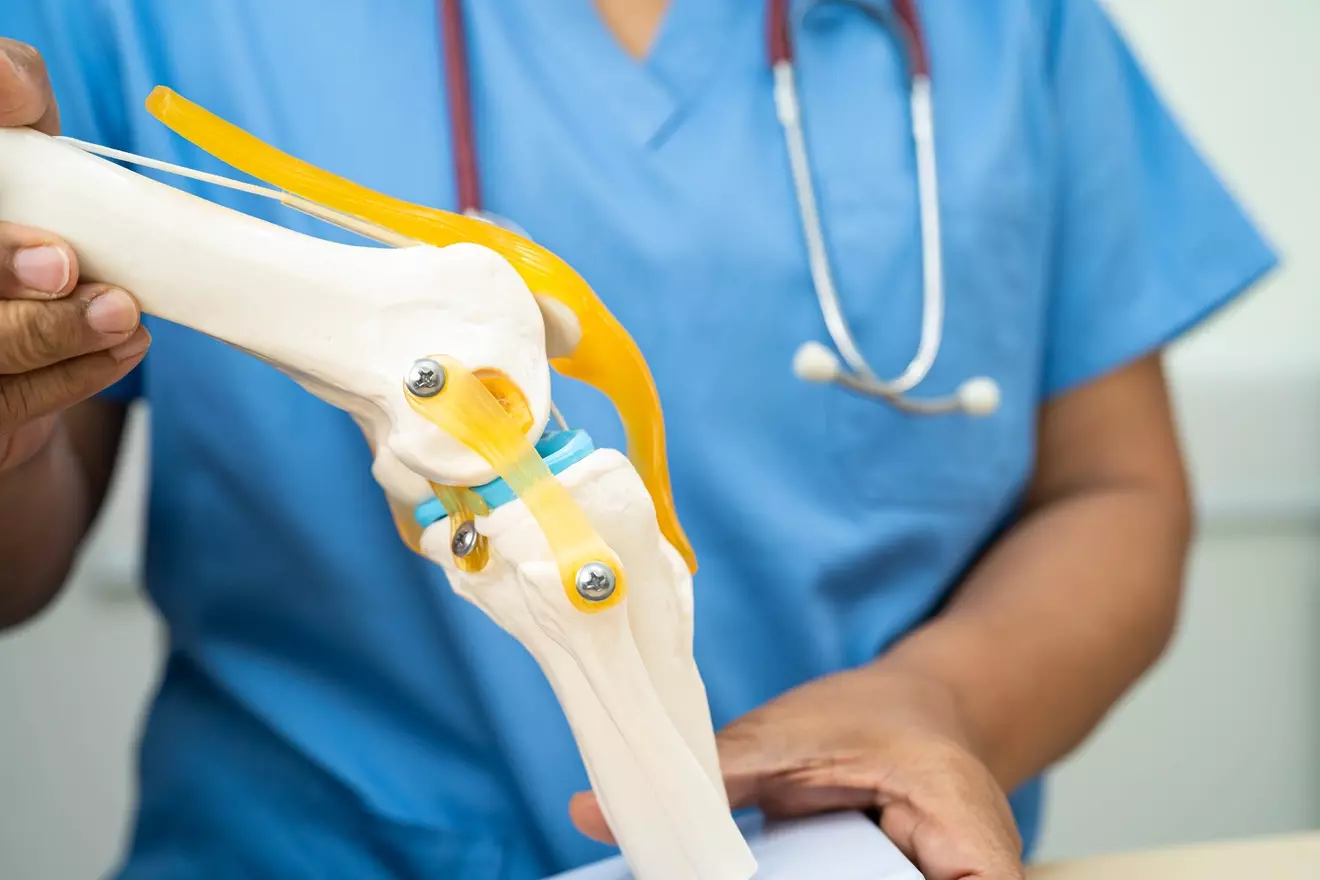
Icing is often used to help with pain and swelling after surgery. At Liv Hospital, we focus on giving patients the best advice for recovery. While icing can help with pain and swelling, it doesn’t make healing faster.
Experts suggest using ice for 15-40 minutes at a time, 3-4 times daily in the first weeks after knee replacement surgery. But, it’s important not to ice too much. Our team helps find the right icing duration and frequency for a smooth recovery.
Key Takeaways
- Optimal icing duration is between 15-40 minutes.
- Icing frequency should be 3-4 times daily during the initial recovery phase.
- Over-icing can have adverse effects on recovery.
- Evidence-based guidelines support personalized recovery plans.
- Liv Hospital offers complete support for international patients undergoing knee replacement surgery.
The Importance of Icing After Knee Replacement Surgery
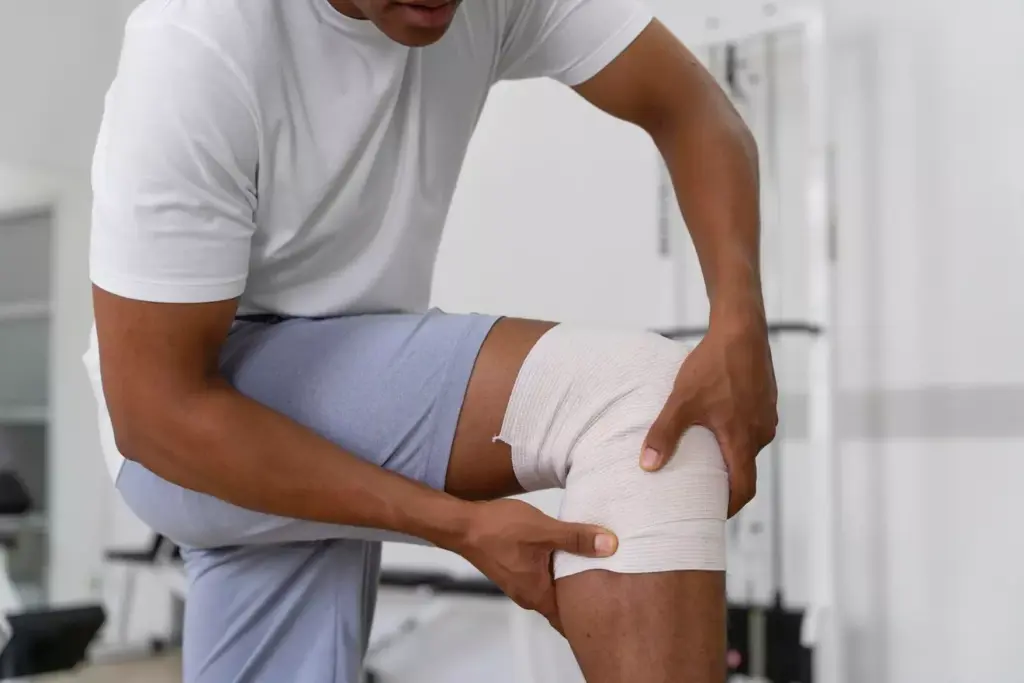
Icing after knee replacement surgery is very important. It helps a lot with recovery. Cold therapy is a simple but effective way to manage pain and reduce swelling.
Why Cold Therapy Is Recommended
The Healing Power of Cold Therapy Cold therapy is a cornerstone of postoperative recovery, prized for its dual ability to curb inflammation and enhance patient comfort. By triggering vasoconstriction—the narrowing of blood vessels—it acts as a natural brake on the body’s inflammatory response, effectively dampening swelling and blunting pain signals.
Timing is critical to unlocking these benefits. The first 48 hours following surgery represent a vital window of opportunity. Initiating a cold therapy regimen during this acute phase, under your surgeon’s guidance, can set the stage for a smoother, more efficient healing journey.
Benefits for Pain Management and Swelling Reduction
Icing has many benefits for pain and swelling. It numbs the pain and reduces inflammation after surgery. This makes recovery more comfortable for patients.
Here’s a comparison to show the benefits:
| Benefits | With Icing | Without Icing |
|---|---|---|
| Pain Level | Reduced due to numbing effect | Higher due to increased inflammation |
| Swelling | Minimized through reduced blood flow | Increased, potentially complicating recovery |
| Recovery Time | Potentially shorter with effective pain management | May be longer due to unmanaged pain and swelling |
Icing after knee replacement surgery has big advantages. It helps manage pain and swelling, leading to a smoother and faster recovery.
By icing, you can help manage your discomfort and swelling after surgery. This makes recovery more comfortable and potentially quicker.
Understanding the Science Behind Cold Therapy
Cold therapy after knee replacement surgery helps reduce inflammation and aids in recovery. It’s also known as cryotherapy. It’s used to manage pain and swelling after surgery.
How Ice Affects Inflammation
Inflammation happens naturally after surgery. Cold therapy constricts blood vessels, reducing blood flow to the area. This minimizes swelling and inflammation. It also helps reduce pain and speeds up recovery.
“The use of cold therapy has been shown to significantly reduce postoperative pain and opioid consumption, highlighting its importance in modern surgical care.”
Understanding cold therapy’s role in reducing inflammation is key to recovery.
Physiological Response to Cold Application
Cold application triggers a healing response in the body. The cold slows down nerve conduction, which can lessen pain. It also lowers metabolic rate and enzymatic activity in tissues, potentially reducing damage.
| Physiological Effect | Benefit |
|---|---|
| Vasoconstriction | Reduces inflammation and swelling |
| Reduced Nerve Conduction | Decreases pain perception |
| Decreased Metabolic Rate | Minimizes tissue damage |
Knowing how cold therapy works can help patients and doctors make better choices for recovery.
Recommended Icing Protocol Following Knee Replacement
After knee replacement surgery, it’s key to have a good icing plan. This helps your recovery go smoothly. We suggest a structured icing plan to get the most benefits.
Optimal Duration: 15-40 Minutes Per Session
The time you ice is very important. Ice for 15-40 minutes at a time is often recommended in the first weeks after surgery. This helps reduce pain and swelling without harming tissues.
Remember, icing too little won’t help, and too much can cause problems. Pay attention to how your body feels and adjust the icing time as needed.
Ideal Frequency: 3-4 Times Daily
How often you ice is also important. We recommend icing 3-4 times daily in the early recovery phase. This keeps pain and swelling under control.
- Apply ice for 15-40 minutes
- Repeat every 3-4 hours
- Monitor your body’s response and adjust as needed
Doctors say icing early for pain or swelling is good. But, it’s important to find the right balance between managing pain and not icing too much.
By sticking to this icing plan, patients can manage their recovery better. This reduces discomfort and swelling. Always talk to your healthcare provider for advice tailored to you.
Proper Icing Techniques and Application Methods
Effective icing after knee replacement is more than just putting ice on. It needs a careful approach to how you apply it. We’ll look at the best ways to ice, helping you use this recovery method well.
Direct vs. Indirect Ice Application
There are two main ways to apply ice: direct and indirect. Direct application means putting ice straight on your skin, often with an ice pack. This method works well but you must watch out for skin damage.
Indirect application means wrapping ice in a cloth or towel before touching your skin. This is safer and can be as effective if done right. We suggest starting with indirect application, if you’re new to icing.
Protecting Your Skin During Icing Sessions
Keeping your skin safe during icing is key to avoid harm. Watch how your skin reacts to cold therapy closely. If you feel numbness, tingling, or pain, stop icing right away.
- Always wrap ice in a cloth or towel to create a barrier between the ice and your skin.
- Limit icing sessions to the recommended duration to avoid prolonged exposure to cold.
- Check your skin frequently for signs of damage or adverse reactions.
We also suggest watching your symptoms closely and talking to your healthcare provider if you notice unusual numbness or weakness. By following these tips, you can safely use icing in your knee replacement recovery.
Critical Timing: The First 48 Hours Post-Surgery
The first 48 hours after knee replacement surgery are key for a good recovery. Effective pain management and swelling control are very important. Using ice correctly is a big part of this.
Maximizing Benefits During the Acute Phase
In the first 48 hours after surgery, the body responds well to cold therapy. Icing reduces the metabolic rate, which limits tissue damage. It helps a lot in reducing pain and swelling during these critical days.
To get the most out of icing, it’s important to stick to a schedule. Ice for 15 to 40 minutes, 3 to 4 times a day. This keeps the benefits coming without harming the tissues.
Creating an Effective Icing Schedule
Creating a good icing schedule is about finding the right balance. A well-thought-out plan ensures cold therapy benefits without harming the tissues. Here’s a sample schedule for the first 48 hours:
| Time | Icing Duration | Frequency |
|---|---|---|
| 0-24 hours | 20-30 minutes | Every 2-3 hours |
| 24-48 hours | 15-20 minutes | 3-4 times a day |
Early and regular icing is vital in the first 48 hours. By sticking to a structured schedule, patients can improve their recovery. This leads to better results in the long run.
Can You Ice Too Much After Knee Replacement?
It’s important to find the right balance with icing after knee surgery. Cold therapy helps with pain and swelling. But, too much or too long can harm blood flow, slow healing, and even hurt skin or nerves.
Signs of Excessive Icing
Watch how your body reacts to icing. Look out for signs you’re icing too much. These include:
- Numbness or tingling in the affected area, which could indicate nerve damage.
- Skin discoloration or changes in skin texture, suggesting tissue damage.
- Increased pain or discomfort during or after icing sessions.
- Slow healing or a lack of improvement in swelling and pain.
If you notice these symptoms, change your icing routine.
Potential Risks and Complications
Too much icing can cause serious problems. These include:
| Complication | Description | Prevention |
|---|---|---|
| Nerve Damage | Prolonged cold exposure can cause nerve damage, leading to numbness or tingling. | Limit icing sessions to recommended durations. |
| Skin Damage | Direct ice contact or prolonged exposure can cause skin damage or frostbite. | Use a barrier between ice and skin. |
| Impaired Blood Flow | Excessive icing can restrict blood flow, potentially delaying healing. | Balance icing with periods of normal temperature. |
Understanding the dangers of too much icing after knee surgery helps you make better choices. Always talk to your doctor if you’re worried about your icing or notice any bad effects.
The Impact of Over-Icing on Recovery
Over-icing after knee replacement surgery can harm your recovery. It can block blood flow and damage tissues or nerves. Cold therapy helps with pain and swelling, but too much can slow down healing.
Blood Flow Restriction Concerns
One big worry with over-icing is how it affects blood flow. Cold therapy makes blood vessels narrow, which can cut off blood to the area. This might reduce swelling at first, but too much can slow healing by not letting tissues get the oxygen and nutrients they need.
Key considerations regarding blood flow restriction:
- Vasoconstriction can reduce inflammation but may also limit the body’s natural repair mechanisms.
- Prolonged restriction of blood flow can lead to tissue ischemia, potentially causing further damage.
- Adequate balance between icing and allowing for normal blood flow is critical.
Tissue and Nerve Damage Risks
Too much icing can also harm tissues and nerves. Cold temperatures can cause frostbite or cold-induced neuropathy, leading to numbness, tingling, or pain. Knowing these risks helps avoid long-term problems.
Signs that you may be over-icing and at risk for tissue or nerve damage include:
- Numbness or tingling sensations in the affected limb.
- Persistent pain that worsens over time.
- Visible skin changes, such as discoloration or frostbite.
Understanding the risks of over-icing helps patients work with their doctors. Together, they can find the right balance for cold therapy. This ensures healthy blood flow and prevents tissue damage.
Timeline: How Long Should You Continue Icing?
After knee replacement surgery, icing is key to your recovery. It’s important to ice for as long as your body needs. This will help you heal faster.
Short-Term Recommendations (2-6 Weeks)
In the first few weeks, icing is a must. It helps with pain and swelling. You should ice 2-6 weeks after surgery.
The first 2-3 weeks are the most important. You might need to ice 3-4 times a day. As you get better, you can ice less often.
Extended Icing Needs (Up to 12 Weeks)
Some people might need to ice longer, up to 12 weeks. This depends on how well you’re recovering and if you have any complications.
Here’s a basic guide for icing:
| Recovery Phase | Icing Frequency | Duration per Session |
|---|---|---|
| 0-2 weeks | 3-4 times a day | 15-20 minutes |
| 2-6 weeks | 2-3 times a day | 15-20 minutes |
| 6-12 weeks | 1-2 times a day | 10-15 minutes |
Always listen to your surgeon about icing. They can give you advice based on your specific needs.
Transitioning from Ice to Heat Therapy
Knowing when to switch from cold to heat therapy is key for effective knee replacement recovery. As patients heal, their needs change. So do the best treatments.
When to Make the Switch
The switch from ice to heat depends on swelling reduction. Usually, this happens when swelling starts to go down. But it varies for everyone. Always watch your symptoms and talk to your doctor for the best timing.
Heat therapy helps with stiffness and muscle tightness later in recovery. It increases blood flow, aiding healing and comfort.
Combining Therapies for Optimal Results
Using both ice and heat together can be very effective. This is called contrast therapy. It alternates cold and heat to use both treatments’ benefits. Cold reduces inflammation, while heat improves blood flow and relaxes muscles.
| Therapy Type | Primary Benefits | Typical Usage |
|---|---|---|
| Cold Therapy | Reduces inflammation and pain | First 48-72 hours post-surgery |
| Heat Therapy | Eases stiffness and muscle tension | After initial swelling subsides |
| Contrast Therapy | Combines benefits of both cold and heat | Alternating sessions after initial recovery phase |
Understanding when to switch from ice to heat, and maybe using contrast therapy, can improve recovery. Always listen to your healthcare team for the best treatment plan.
Advanced Cold Therapy Options
Ice machines and continuous cold therapy devices are changing how we recover after surgery. They offer a better way to get cold therapy than old ice packs. This could lead to better results for patients.
Ice Machines and Continuous Cold Therapy Devices
Ice machines and continuous cold therapy devices are big steps forward in cold therapy. They are different from ice packs because they keep the cold going without stopping. You can also adjust the temperature.
These devices are great in the early days after knee surgery. Cold therapy helps a lot with pain and swelling.
Comparing Traditional Ice Packs to Modern Alternatives
There are big differences between old ice packs and new cold therapy devices. Here’s a table that shows what they are:
| Feature | Traditional Ice Packs | Modern Cold Therapy Devices |
|---|---|---|
| Cold Therapy Consistency | Intermittent, requires frequent replacement | Continuous, adjustable temperature |
| Convenience | Can be cumbersome, requires manual replacement | Automated, easy to use |
| Temperature Control | Limited control, risk of too cold | Precise temperature control |
| Effectiveness | Effective but variable | Consistently effective |
Even though old ice packs work, new devices have big benefits. As technology gets better, we’ll see even more ways to help with recovery.
Conclusion: Best Practices for Post-Knee Replacement Icing
Understanding the importance of icing after knee replacement surgery is key. By following the guidelines in this article, patients can improve their recovery. It’s important to use icing as part of a balanced recovery plan.
Getting the right care after surgery and watching for warning signs is vital. Stick to the icing plan, pay attention to how long and how often you ice. Also, know when to switch to heat therapy.
Using the best icing practices can help avoid problems and speed up recovery. We’re here to help patients on their road to recovery. We offer detailed advice on caring for yourself after surgery.
How long should I ice after knee replacement surgery?
Ice for 15-40 minutes, 3-4 times a day, for 2-6 weeks. Adjust as needed based on your recovery.
Can you ice too much after knee replacement surgery?
Yes, too much ice can harm blood flow, tissues, and nerves. It’s key to balance icing with other recovery methods.
How often should I ice after knee surgery?
Ice 3-4 times a day, with at least 30 minutes between each session. This helps manage pain and swelling without over-icing.
What are the signs of over-icing after knee replacement surgery?
Signs include numbness, tingling, increased pain, or skin color changes. Stop icing and talk to your doctor if you notice these.
When should I switch from ice to heat therapy after knee replacement?
Switch to heat 2-6 weeks after surgery, when swelling goes down. Heat aids in further recovery and relaxation.
Can I use ice machines or continuous cold therapy devices after knee replacement?
Yes, these can be good alternatives to ice packs. Just make sure to follow the manufacturer’s instructions and get your doctor’s okay.
How long do I need to continue icing after knee replacement surgery?
Icing time varies by individual. It’s usually 2-6 weeks, but sometimes up to 12 weeks.
Does ice promote healing after surgery?
Yes, ice reduces inflammation, pain, and swelling. It helps create a healing environment, alongside physical therapy and medication.
Can I ice too much after shoulder surgery?
This FAQ is about knee surgery, but icing principles apply to shoulder surgery too. Excessive icing can cause problems, so follow guidelines carefully.
How long to ice knee after replacement?
Ice your knee for 15-40 minutes, 3-4 times daily, for 2-6 weeks. Adjust based on your recovery progress.
How many days should I ice after knee replacement surgery?
Ice for 2-6 weeks after surgery. The exact time depends on your recovery, so follow your doctor’s advice.
What is the optimal duration for an icing session?
The recommended duration is generally 15 to 40 minutes per session. This is long enough to reduce pain and inflammation effectively without risking damage to the skin or underlying tissues.
How often should I apply ice to my knee?
During the initial recovery phase (the first few weeks), it is recommended to ice 3 to 4 times a day. Always allow at least 30 minutes to an hour between sessions to let your skin temperature return to normal.
How long will I need to keep icing after surgery?
Most patients need to ice regularly for 2 to 6 weeks after surgery. However, depending on your swelling and pain levels, your doctor may recommend continuing for up to 12 weeks.
References
National Center for Biotechnology Information. Oral Mucosa Types: Keratinized, Non-Keratinized, and Specialized. Retrieved from https://pmc.ncbi.nlm.nih.gov/articles/PMC9357199/


