Işıl Yetişkin is a versatile Content Writer with 9 years of professional…
View author profile →We review our content at regular intervals and update it whenever new research or a change in clinical guidelines requires it.


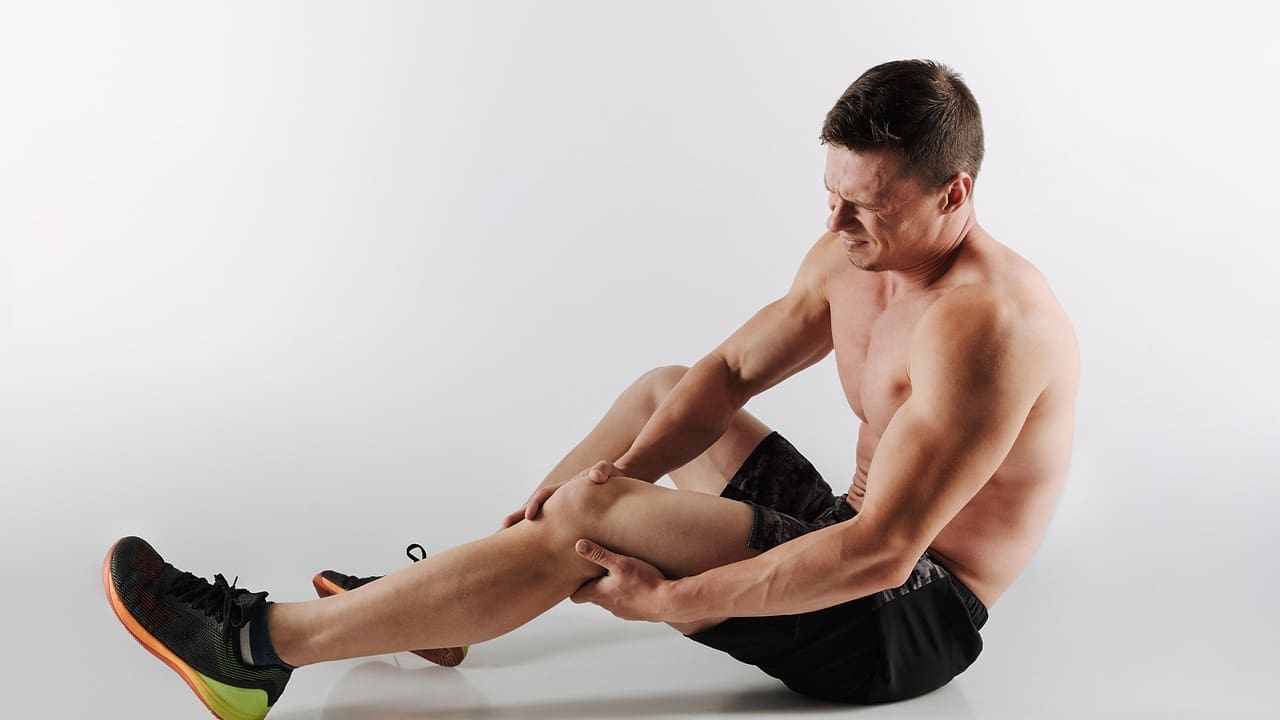
Do you have pain in the back or side of your legs and don’t know why? At Liv Hospital, we focus on you and give clear medical advice. We help find and fix your pain, so you can live your life again.
MedGen says muscle weakness is a big deal in many muscle problems. Knowing why you hurt and how to feel better is key.
Key Takeaways
- Rear leg muscle pain can come from muscle strains, too much use, nerve pressure, or blood flow problems.
- Knowing the reasons is essential for the right treatment.
- Muscle weakness plays a big role in many muscle issues.
- Getting a proper diagnosis means looking at the quality of the multifidus muscle and its effect on leg pain.
- Liv Hospital offers care that puts you first and gives clear medical advice for fixing your pain.
Understanding Rear Leg Muscle Pain and When to Seek Help
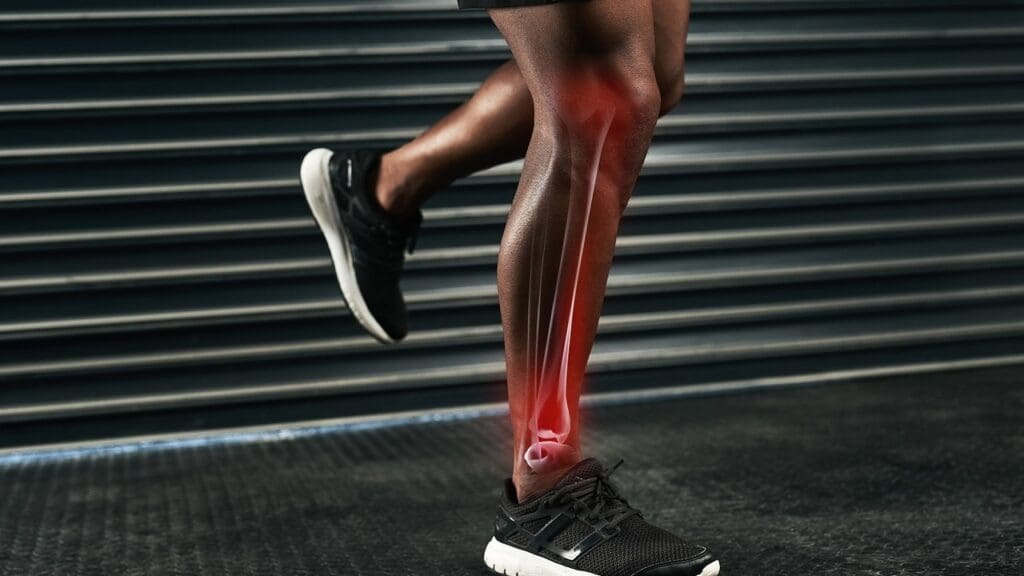
It’s important to know why and how rear leg muscle pain happens. This knowledge helps in finding the right way to feel better. Different causes lead to different symptoms, so figuring out the source is key.
Common Symptoms and Pain Patterns in the Lower Legs
Pain, swelling, and trouble moving are common signs. The pain can feel sharp, dull, or just ache. Sometimes, it comes with muscle spasms or cramps.
Many people feel pain on the side of their leg or back of leg muscle pain. These signs can point to certain problems.
Differentiating Between Muscle, Nerve, and Vascular Pain
It’s important to tell muscle, nerve, and vascular pain apart. Muscle pain usually happens where you’ve been active. Nerve pain spreads and might feel like tingling or numbness.
Red Flags That Require Immediate Medical Attention
Some symptoms need quick medical help. Look out for sudden, severe pain, swelling, or signs of infection. Also, if pain is with coldness, paleness, or discoloration in the leg, it’s a warning sign.
Understanding rear leg muscle pain helps you manage it better. Knowing when to get medical help ensures you get the right care on time.
Muscle Strains: Primary Triggers of Back Leg Muscle Pain
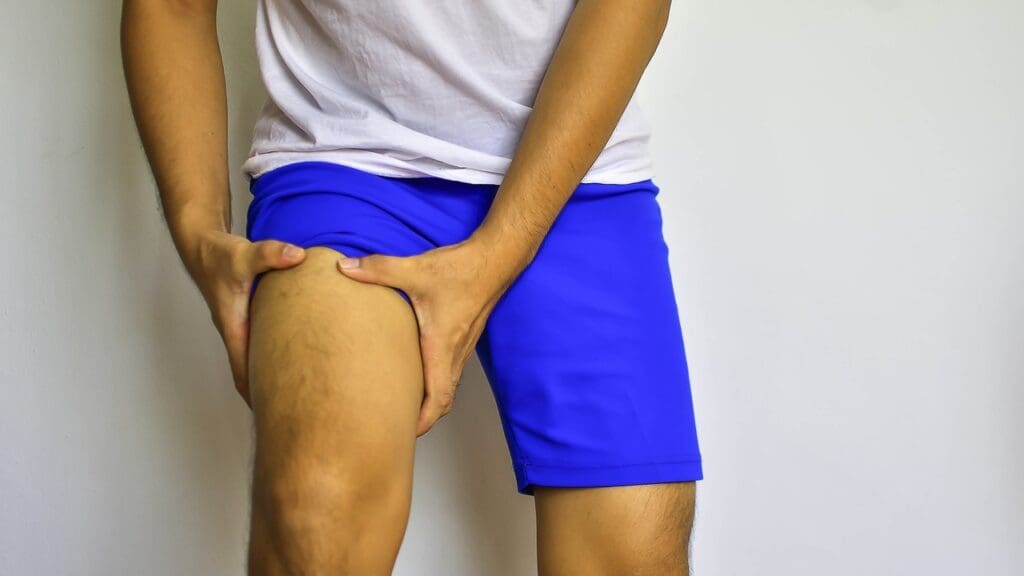
Muscle strains often cause pain in the back of the legs. This pain usually comes from too much physical activity or overuse. When we do hard exercises or sudden movements, we might stretch or tear our leg muscles. This can make us feel a lot of pain and make it hard to move.
Hamstring Strains: Symptoms and Risk Factors
Hamstring strains are a common problem in the back of the legs. They can cause pain, swelling, and bruises. Things that might make you more likely to get a hamstring strain include not warming up enough, being stiff, or having had injuries before.
People who play sports that need quick sprints or sharp turns are at higher risk. These sports include football, soccer, and basketball.
Calf Muscle Tears and Why the Back of Legs Hurt
Calf muscle tears can also hurt the back of the legs. These happen when the calf muscles get stretched or torn. This usually happens because of sudden muscle contraction or too much use.
The pain from a calf muscle tear can be very bad. It might also make the area swell and make it hard to move.
RICE Protocol for Immediate Strain Relief
To help with muscle strains right away, use the RICE method: Rest, Ice, Compression, and Elevation. Resting the leg and using ice can help lessen pain and swelling. Wearing compression bandages can also help with swelling.
Putting the leg up higher than your heart can help blood flow better and aid in healing.
Knowing what causes muscle strains and their symptoms helps us prevent and treat them. Whether you’re an athlete or just like to stay active, being aware of these risks can help keep your legs healthy and pain-free.
Overuse Injuries Causing Rear Leg Muscle Pain
Rear leg muscle pain often comes from overuse injuries. These happen when muscles face too much stress without enough rest. This is common in athletes and those who do a lot of physical activities.
Delayed Onset Muscle Soreness in the Back of Legs
Delayed onset muscle soreness (DOMS) is when muscles feel stiff and painful after hard or new exercise. It usually shows up 24 to 48 hours later.
Symptoms of DOMS include:
- Muscle stiffness
- Pain when moving
- Reduced range of motion
Training Errors That Lead to Muscle Fatigue
Training mistakes, like sudden changes in how hard you exercise, can cause muscle fatigue. This fatigue can feel like pain in the back of your legs.
Common training errors include:
- Insufficient warm-up or cool-down
- Abrupt increases in exercise intensity
- Inadequate rest and recovery
Recovery Techniques for Overworked Leg Muscles
Recovery is key for managing overuse injuries. Stretching, foam rolling, and wearing compression clothes can help ease pain and aid in healing.
| Recovery Technique | Description | Benefits |
|---|---|---|
| Stretching | Lengthening the muscle to improve flexibility | Reduces muscle tension, improves range of motion |
| Foam Rolling | Self-myofascial release to reduce muscle knots | Relieves muscle soreness, improves circulation |
| Compression Garments | Applying pressure to improve blood flow | Enhances recovery, reduces swelling |
Knowing why overuse injuries happen and using good recovery methods can help avoid rear leg muscle pain. This keeps your body in top shape.
Nerve Compression Syndromes and Sciatica
It’s important to know about nerve compression syndromes like sciatica to tackle rear leg muscle pain. Nerve compression happens when a nerve gets squeezed, messing up its work. This can be due to herniated discs, bone spurs, or tight muscles.
Sciatic Nerve Irritation and Pain on Side of Lower Leg
Sciatic nerve irritation is a common cause of pain on the side of the lower leg. This usually comes from the sciatic nerve getting compressed or inflamed. It runs from the lower back to the legs. Symptoms include sharp pain, numbness, or tingling.
Treatment aims to ease the compression. This can be done through physical therapy, stretching, or sometimes, medical help.
Piriformis Syndrome and Back of Leg Soreness
Piriformis syndrome also leads to rear leg muscle pain. It happens when the piriformis muscle in the buttocks presses or irritates the sciatic nerve. This can cause soreness at the back of the leg.
Managing it well means stretching the piriformis muscle, strengthening nearby muscles, and avoiding activities that make it worse.
Nerve Flossing Exercises for Pain Relief
Nerve flossing exercises are great for easing pain from nerve compression syndromes. These exercises help move the nerves gently to reduce tension and improve their movement.
- Do gentle stretches for the affected nerve.
- Slowly increase the stretch range.
- Do these exercises often for the best results.
Adding nerve flossing to your routine can help lessen the pain from nerve compression.
Circulatory Issues Behind Pain in Left Leg and Side
Circulatory problems often cause pain in the left leg and side. When blood flow is blocked, it can lead to pain. We’ll look at common circulatory issues and how to manage them.
Peripheral Artery Disease Symptoms and Risk Factors
Peripheral Artery Disease (PAD) narrows blood vessels outside the heart. This reduces blood flow to the limbs. PAD symptoms include pain in the leg or hip when walking, which goes away with rest.
Risk factors for PAD include smoking, diabetes, high blood pressure, and high cholesterol.
| Risk Factor | Description |
|---|---|
| Smoking | Smoking damages the inner lining of blood vessels, increasing the risk of PAD. |
| Diabetes | Diabetes can damage blood vessels and nerves, contributing to PAD. |
| High Blood Pressure | High blood pressure can damage blood vessels, making them more susceptible to narrowing. |
Deep Vein Thrombosis: When to Be Concerned
Deep Vein Thrombosis (DVT) is a blood clot in a deep vein, usually in the legs. Symptoms include swelling, pain, or tenderness. Risk factors include prolonged immobility, cancer, and genetic predispositions.
If not treated, DVT can cause serious problems, like pulmonary embolism.
Circulation-Boosting Strategies for Pain Management
Improving circulation can help with leg pain. Regular exercise, quitting smoking, and a healthy weight are key. Medications and therapies can also help improve blood flow.
- Engage in regular physical activity to improve circulation.
- Avoid smoking to reduce the risk of circulatory problems.
- Maintain a healthy weight to reduce pressure on the legs.
Understanding circulatory issues can help manage leg pain. If pain persists, see a healthcare professional for help.
Dehydration and Electrolyte Imbalances
Dehydration and electrolyte imbalances are often overlooked causes of muscle pain in the lower legs. When we engage in physical activities, our bodies lose water and essential electrolytes. This can lead to muscle cramps and pain.
How Dehydration Triggers Muscle Aches in Lower Legs
Dehydration happens when we lose more fluids than we take in. This causes an imbalance in our body’s water and electrolyte levels. This imbalance can lead to muscle cramps, spasms, and pain, mainly in the lower legs.
When we are dehydrated, our muscles are more prone to strain and injury.
Essential Electrolytes for Preventing Leg Cramps
Electrolytes like sodium, potassium, and calcium are key for muscle function. When we lose these through sweat, we need to replace them to avoid muscle cramps and pain. Potassium is very important for muscle health, and a lack of it can cause muscle weakness and cramps.
| Electrolyte | Function | Food Sources |
|---|---|---|
| Sodium | Regulates fluid balance | Table salt, soy sauce, processed foods |
| Potassium | Maintains healthy muscle function | Bananas, avocados, leafy greens |
| Calcium | Essential for muscle contraction | Dairy products, fortified plant-based milk, dark leafy greens |
Optimal Hydration Protocols for Active Individuals
To prevent dehydration and electrolyte imbalances, follow optimal hydration protocols. Drink water regularly throughout the day, not all at once. For those who are active, sports drinks can help replace lost electrolytes.
Eating foods rich in electrolytes can also help keep your levels healthy.
Prolonged Sitting and Postural Problems
Many of us feel sore in our leg backs after sitting for a long time. This can really affect our daily lives. Sitting for hours is common, whether it’s at a desk job or watching TV.
Why the Back of My Legs Are Sore After Sitting
Sitting for too long can make our muscles static and strained. The hamstrings and calf muscles at the back of our legs are most affected. Bad posture while sitting can make this problem worse, putting more stress on these muscles.
Posture Corrections to Prevent Muscle Pain
Good posture is key to avoiding muscle pain from sitting too long. We should keep our feet flat or on a footrest, have our knees at or below hip level, and keep our back straight. Making regular changes to how we sit can also help reduce strain.
Desk Exercises and Movement Breaks for Prevention
Doing desk exercises and taking movement breaks can lower the chance of getting sore leg muscles. Simple desk exercises like ankle rotations, toe raises, and calf stretches can be done quietly. Short walks during breaks can also help.
| Exercise | Description | Frequency |
|---|---|---|
| Ankle Rotations | Rotate your ankles in both clockwise and counter-clockwise directions. | 3 sets every hour |
| Toe Raises | Lift your toes off the floor, keeping your heels on the ground. | 10 repetitions, 3 times a day |
| Calf Stretches | Stand with your feet shoulder-width apart and lean forward, stretching your calf muscles. | 3 sets, holding for 15 seconds |
Fast Relief Tips for Rear Leg Muscle Pain
Rear leg muscle pain can be a big problem. We have some quick relief tips for you. This pain can come from muscle strains, too much use, or nerve issues.
Immediate Pain Relief Strategies for Acute Pain
For sudden pain in the back of your leg, quick action is key. The RICE method is very helpful. It stands for Rest, Ice, Compression, and Elevation.
- Rest the affected leg to avoid further injury
- Apply ice to reduce pain and inflammation
- Use compression bandages to help reduce swelling
- Elevate the leg above heart level to reduce blood flow to the area
Effective Stretches for Back of Legs Hurting
Stretching is important for easing rear leg muscle pain. Gentle stretches can relax muscles and improve flexibility. Here are some good stretches:
- Hamstring stretch: Stand with your feet shoulder-width apart, then bend forward at the hips
- Calf stretch: Stand facing a wall with one hand on the wall for balance, step one foot back about a foot, keeping your heel on the ground
Over-the-Counter Solutions and When to Use Them
Over-the-counter (OTC) options can help with rear leg muscle pain. These include creams and pills.
Topical Treatments for Localized Pain
Topical creams and gels can be applied directly to the affected area. They provide localized relief. Ingredients like menthol, capsaicin, and arnica can help with pain and swelling.
Oral Medications for Systemic Relief
Oral medications like NSAIDs can help with pain and swelling all over. But, always follow the dosage and talk to a doctor before taking any medicine.
Using these fast relief tips can help manage rear leg muscle pain. They can also prevent it from happening again. If your pain doesn’t get better or gets worse, see a doctor.
Conclusion: Building a Prevention and Management Plan
Creating a plan to prevent and manage rear leg muscle pain is key. Understanding the causes and using effective strategies are essential. This helps manage back leg muscle pain and lower leg muscle aches.
The GLA:D Back research shows the value of patient education and exercise in back pain management. These principles also apply to rear leg muscle pain. By using the strategies from this article, people can make a detailed plan to prevent and manage their symptoms.
A good plan should include staying hydrated, improving posture, exercising regularly, and boosting circulation. It’s also important to know when to seek medical help right away.
Being proactive can lower the risk of rear leg muscle pain and enhance life quality. We suggest working with healthcare experts to create a plan tailored to your needs. This approach promotes long-term relief from back leg muscle pain.
What are the common causes of back leg muscle pain?
Muscle strains and overuse injuries can cause back leg pain. Nerve compression, circulatory issues, dehydration, and poor posture also play a role. Knowing the cause is key to finding relief.
How can I differentiate between muscle, nerve, and vascular pain in my legs?
Muscle pain feels sore or stiff. Nerve pain is sharp or shooting. Vascular pain might be linked to activity and swelling. A doctor can help figure out what you have.
What are the symptoms of a hamstring strain?
A hamstring strain hurts the back of the leg. It might bruise, swell, and make walking hard. Treatment often includes the RICE method.
How can I prevent overuse injuries that cause rear leg muscle pain?
To avoid overuse injuries, start slowly and rest when needed. Warm up and cool down properly. Stretching and foam rolling can also help.
What is sciatica, and how is it related to back leg muscle pain?
Sciatica is pain from the sciatic nerve, from the lower back to the legs. It can hurt the side of the leg. It’s often due to nerve pressure or irritation.
How does dehydration contribute to muscle aches in the lower legs?
Dehydration can upset electrolyte levels, causing muscle cramps and aches. Staying hydrated and balanced in electrolytes is important, more so for those who are active.
Why do my legs hurt after sitting for long periods?
Sitting for too long can cause muscle imbalances and pain. Taking breaks, improving posture, and doing desk exercises can help.
What are some fast relief tips for rear leg muscle pain?
For quick relief, try ice or heat, over-the-counter pain meds, and stretches. Topical treatments and oral meds can also help.
How can I manage and prevent back leg muscle pain in the long term?
To prevent pain, understand its causes, exercise regularly, and stay hydrated. Correct your posture and see a doctor for a personalized plan.
When should I seek medical attention for leg pain?
See a doctor for severe pain, swelling, or trouble walking. If you have circulatory issues or deep vein thrombosis, seek help right away.