


Işıl Yetişkin is a versatile Content Writer with 9 years of professional…
View author profile →We review our content at regular intervals and update it whenever new research or a change in clinical guidelines requires it.


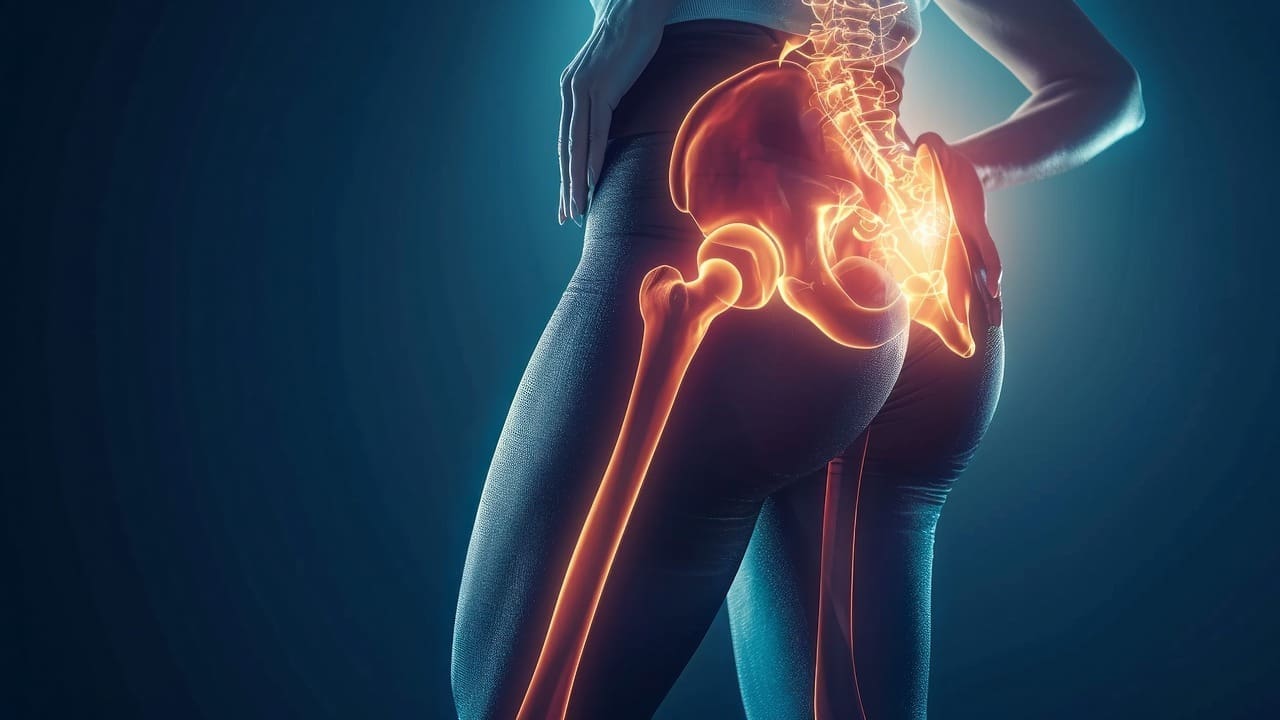
Feeling pain or pain in the lower extremities can really mess up your day. At Liv Hospital, we know how important it is to find out why you’re feeling this pain. Pain behind the leg can come from many things, like muscle strain, nerve issues, or blood flow problems.
Muscle strain and nerve problems are big reasons for leg pain. Blood flow issues can also cause it. Knowing what’s causing your pain helps us find the best way to make you feel better.
Key Takeaways
- Muscle strain is a common cause of pain behind the leg.
- Nerve compression can contribute to discomfort in the lower extremities.
- Vascular issues may also play a role in leg pain.
- Understanding the cause is key to finding relief.
- Liv Hospital offers patient-centered care for international patients.
Understanding Pain Behind the Leg
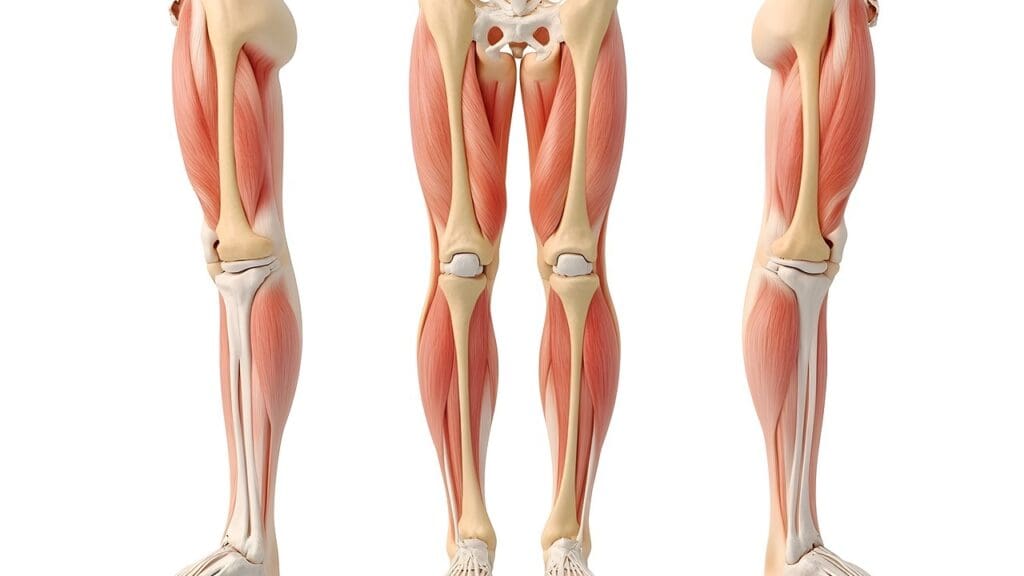
Pain in the back of the leg is common and can have many causes. It can range from muscle strains to complex neurological issues. To tackle this pain, we must first understand the anatomy and symptoms involved.
Anatomy of the Posterior Leg
The back of the leg, or posterior leg, has muscles, tendons, and nerves. The main muscles are the gastrocnemius and soleus, forming the calf muscles. These muscles are key for ankle movement and stability. Knowing the anatomy helps pinpoint the pain’s source.
Common Symptoms and Characteristics
Pain in the back of the leg can feel sharp, dull, or like cramping. It might be constant or only happen during activities like walking or running. Figuring out the type of pain and what triggers it is key to finding the cause. As an expert says,
“Pain is a signal that something is amiss, and understanding its characteristics can guide us toward the appropriate treatment.”
Common signs include pain that gets worse with activity, swelling, or tenderness. Spotting these symptoms early can lead to the right medical care.
Muscle Strains and Overuse Injuries

Pain in the back of the leg can be due to muscle strains and overuse injuries. These issues affect both athletes and non-athletes. Muscle strains happen when muscle fibers get stretched or torn, causing pain and limited movement.
Hamstring Strains
Hamstring strains are common in the back of the leg. They often happen in sports that require quick sprints or sharp turns. Symptoms include sharp pain, swelling, and trouble walking.
Calf Muscle Injuries
Calf muscle injuries can also cause pain in the back of the leg. These injuries usually come from overstretching or tearing of the calf muscles. Common symptoms are pain, swelling, and bruising in the affected area.
Treatment and Recovery for Muscle Strains
Effective treatment for muscle strains includes rest, ice, compression, and elevation (RICE). Gentle stretching and strengthening exercises are also recommended. They help in recovery and prevent future injuries.
| Treatment Method | Description | Benefits |
|---|---|---|
| Rest | Avoid activities that aggravate the injury | Prevents further injury |
| Ice | Apply ice to reduce pain and inflammation | Reduces swelling and pain |
| Compression | Use a bandage to compress the affected area | Reduces swelling |
| Elevation | Elevate the affected leg above heart level | Reduces swelling and promotes healing |
Nerve-Related Pain Behind the Leg
Understanding the causes of pain behind the leg is key to finding relief. This pain can come from different nerve conditions. We will look at these conditions and how to ease the pain.
Sciatica and Nerve Compression
Sciatica is a common issue where pain spreads along the sciatic nerve. This nerve goes from the lower back to the legs. Compression, often from a herniated disk or bone spur, can cause pain on the side of the leg.
This compression messes with the nerve’s function. It leads to pain, numbness, and weakness. To treat it, we need to fix the cause of the compression.
Peripheral Neuropathy
Peripheral neuropathy damages or messes with peripheral nerves. This can lead to left side leg pain or pain on the right side, depending on the nerves. It can happen due to diabetes, poor nutrition, or other reasons.
To manage it, we treat the cause and ease symptoms. This includes medication and making lifestyle changes.
Relief Strategies for Nerve Pain
Dealing with nerve pain behind the leg needs a few steps. Physical therapy helps with mobility and strength. Pain management, like medication or injections, is also key.
In some cases, surgery is needed to fix the root cause. Making lifestyle changes, like staying healthy and improving posture, can also help reduce pain in the side of the leg.
- Physical therapy to enhance mobility and strength
- Pain management through medication or injections
- Lifestyle changes, including weight management and posture improvement
Vascular Causes of Leg Pain
Leg pain can come from different vascular causes. It’s important to know these causes for proper treatment. Vascular issues can really affect your life, so understanding them is key.
Deep Vein Thrombosis (DVT)
Deep Vein Thrombosis is when a blood clot forms in deep veins, usually in the legs. You might feel pain, swelling, and redness in the leg. If the clot moves to the lungs, it’s a serious problem called a pulmonary embolism.
Things that increase your risk include sitting for a long time, having surgery, or having a family history of DVT.
Peripheral Artery Disease (PAD)
Peripheral Artery Disease happens when the arteries to the legs get narrowed or blocked. This causes pain when walking or even sitting. It’s linked to smoking, diabetes, high blood pressure, and high cholesterol.
Managing Vascular-Related Leg Pain
Dealing with vascular leg pain means making lifestyle changes and getting medical help. Exercise, eating right, and quitting smoking can help your blood vessels. For DVT and PAD, doctors might use medicines or procedures to improve blood flow.
It’s vital to watch for symptoms and follow your doctor’s advice to manage the condition well.
Joint and Bone-Related Causes
It’s important to know why pain behind the leg happens. Many conditions can cause this pain, making life harder for those who suffer from it.
Knee Joint Problems
Knee issues like sprains or tears can send pain to the back of the leg. These problems often come from sports injuries or age. Getting the right diagnosis and treatment is key to avoid more problems.
Hip Issues Referring Pain to the Leg
Hip problems, like osteoarthritis or fractures, can also cause leg pain. The hip is vital for moving around. When it hurts, it can make everyday tasks tough. We need to look at hip issues when we’re trying to figure out leg pain.
Osteoarthritis and Its Impact
Osteoarthritis is a disease that wears down joints, affecting the knee and hip. It causes pain, stiffness, and makes it hard to move. To manage it, we need to make lifestyle changes, do physical therapy, and sometimes surgery.
Inflammation and Overuse Syndromes
Inflammation and overuse syndromes cause pain behind the leg. They affect daily life and overall health. We’ll look at how these issues impact the posterior leg and how to manage them.
Tendonitis in the Posterior Leg
Tendonitis in the posterior leg is when tendons get inflamed. Tendons connect muscles to bones. It can happen from too much use, repetitive strain, or injury. Common symptoms include pain, swelling, and limited mobility.
Tendonitis makes everyday tasks hard. It can turn simple actions into big challenges.
Baker’s Cyst
A Baker’s cyst is a fluid-filled swelling behind the knee. It can cause a bulge and tightness. It often comes from a knee injury or arthritis, leading to pain and stiffness. Managing a Baker’s cyst involves addressing the underlying cause.
This might include physical therapy or medical treatment.
Managing Inflammatory Conditions
Managing inflammatory conditions needs a few steps:
- Rest and ice to reduce inflammation
- Physical therapy to improve strength and flexibility
- Medications to manage pain and inflammation
- Lifestyle modifications to prevent recurrence
By using these methods, people can feel better and live better. It’s key to talk to healthcare experts for advice on managing pain behind the leg.
Lifestyle Factors Contributing to Pain Behind Leg
Pain behind the leg can come from many lifestyle choices. These include how much water we drink, our posture, and what shoes we wear. We’ll look at how these choices affect pain and offer tips to make them better.
Impact of Dehydration and Electrolyte Imbalance
Not drinking enough water and not having the right balance of electrolytes can cause muscle cramps. When we lose too much water and electrolytes like potassium and sodium, our muscles can’t work right. This leads to cramps and spasms. Drinking enough water and eating foods or taking supplements with electrolytes can help prevent this.
Drinking plenty of water and eating foods or taking supplements with electrolytes can help avoid dehydration-related leg pain.
Poor Posture and Ergonomics
Bad posture and ergonomics can strain the muscles and nerves in the leg, causing pain. Keeping good posture, whether sitting or standing for a long time, can help. Also, making sure your workspace is set up right can ease leg pressure.
Small changes, like using an ergonomic chair or taking breaks to stretch, can really help.
Footwear and Its Influence on Leg Pain
The shoes we wear can greatly affect our leg health. Shoes that don’t fit well or don’t support the arch can strain the muscles behind the leg. Wearing shoes with good arch support and cushioning can spread out the body’s weight better, lowering pain risk. Also, wearing high heels less often can help avoid leg strain.
- Choose shoes with proper arch support.
- Avoid poorly fitted shoes.
- Limit the use of high heels.
Effective Home Remedies for Pain Behind the Leg
Relieving pain behind the leg often starts at home with simple yet effective remedies. When the back of your leg is sore, it can significantly impact your daily activities. Fortunately, there are several strategies you can employ to alleviate the discomfort.
R.I.C.E. Method
The R.I.C.E. method, standing for Rest, Ice, Compression, and Elevation, is a widely recognized approach for managing pain and inflammation. Rest the affected leg to avoid further injury. Apply Ice to reduce pain and swelling. Use Compression bandages to compress the area, and Elevate the leg above heart level to decrease swelling.
Stretching and Strengthening Exercises
Gentle stretching and strengthening exercises can help relieve muscle pain in the lower leg. Hamstring and calf stretches are beneficial. Strengthening the muscles around the knee and ankle can also provide support and reduce strain on the posterior leg.
- Hamstring stretch: Sit on the floor with your legs straight out.
- Calf stretch: Stand facing a wall with one hand on the wall for balance.
Over-the-Counter Pain Management
Over-the-counter (OTC) pain relievers, such as ibuprofen or acetaminophen, can be effective in managing pain behind the leg. It’s essential to follow the recommended dosage and consult with a healthcare professional if the pain persists.
By incorporating these home remedies into your daily routine, you can effectively manage and relieve pain behind the leg, improving your overall quality of life.
When to Seek Medical Attention
If you have pain behind your leg that doesn’t go away, it’s important to know when to see a doctor. Some leg pain can be treated at home. But, some signs mean you need a doctor’s help.
Warning Signs and Red Flags
Some leg pain symptoms need quick medical help. Look out for:
- Swelling, redness, or warmth in the leg
- Severe pain that doesn’t get better with rest
- Weakness or numbness in the leg
- Changes in skin color or temperature
- A history of recent trauma or injury
Diagnostic Procedures for Leg Pain
When you see a doctor for pain side of leg or left side leg pain, they will check you physically and ask about your health history. They might also do:
- Imaging studies like X-rays, MRI, or CT scans
- Blood tests to check for inflammation or clotting disorders
- Nerve conduction studies or electromyography
- Vascular tests such as Doppler ultrasound
These tests help find out why you have side of leg pain or pain in left leg and side. They guide the right treatment.
Conclusion: Long-Term Management of Leg Pain
Managing leg pain for the long term needs a mix of strategies. We’ve looked at many reasons for leg pain, like muscle strains and nerve issues. Knowing the cause helps create a treatment plan just for you.
To ease pain in the back of your legs, try stretching and strengthening exercises. Eating well and staying hydrated also helps. If pain doesn’t go away, see a doctor to find the right treatment.
Handling leg pain well can make life better. If you’re wondering why your legs hurt, see a doctor. They can check for serious problems.
Managing leg pain long-term means ongoing care and lifestyle changes. With a doctor’s help, you can make a plan to feel better. This improves your overall health and happiness.
What are the common causes of pain behind the leg?
Pain behind the leg can come from many sources. This includes muscle strains, nerve compression, and vascular issues. It can also be caused by joint and bone problems, and inflammatory conditions. We dive into these causes to help you understand them better.
How do muscle strains and overuse injuries contribute to pain behind the leg?
Muscle strains, like hamstring and calf muscle injuries, often cause pain behind the leg. Overuse can also lead to discomfort in this area.
What is sciatica, and how does it relate to pain behind the leg?
Sciatica is when nerves get compressed or irritated. This can cause pain, numbness, or tingling in the lower back and legs. It’s a common reason for pain behind the leg. We talk about how to manage sciatica.
What are the symptoms of deep vein thrombosis (DVT), and how is it related to leg pain?
DVT can cause leg pain, swelling, and warmth. We cover the symptoms and risk factors of DVT. We also offer tips on managing vascular-related leg pain.
How can I relieve pain behind my leg using home remedies?
Home remedies for leg pain include the R.I.C.E. method, stretching, and strengthening exercises. You can also use over-the-counter pain relievers. We guide you on how to use these remedies safely and effectively.
When should I seek medical attention for pain behind my leg?
Seek medical help if you have severe pain, swelling, or trouble walking. We explain the diagnostic steps for leg pain. We also tell you when to see a doctor.
How can I manage leg pain in the long term?
Managing leg pain long-term means making lifestyle changes, using pain management strategies, and getting ongoing medical care. We summarize the main points to help you understand how to manage leg pain.
Can poor posture and footwear contribute to pain behind the leg?
Yes, poor posture and footwear can cause pain behind the leg. We discuss how these factors affect pain. We also offer tips on how to change them to ease pain.
What is the role of dehydration and electrolyte imbalance in causing leg pain?
Dehydration and electrolyte imbalance can lead to muscle cramps, spasms, and pain. This includes pain behind the leg. We talk about the importance of staying hydrated and maintaining electrolyte balance.
How can I alleviate back leg muscle pain?
To ease back leg muscle pain, try stretching, strengthening, and pain management strategies. We provide advice on managing muscle pain and discomfort.
What are the common symptoms of pain on the side of the lower leg?
Pain on the side of the lower leg can stem from muscle strains, nerve compression, and vascular issues. We discuss the symptoms and characteristics of pain in this area.





